


Primary sourceArtifact1800s
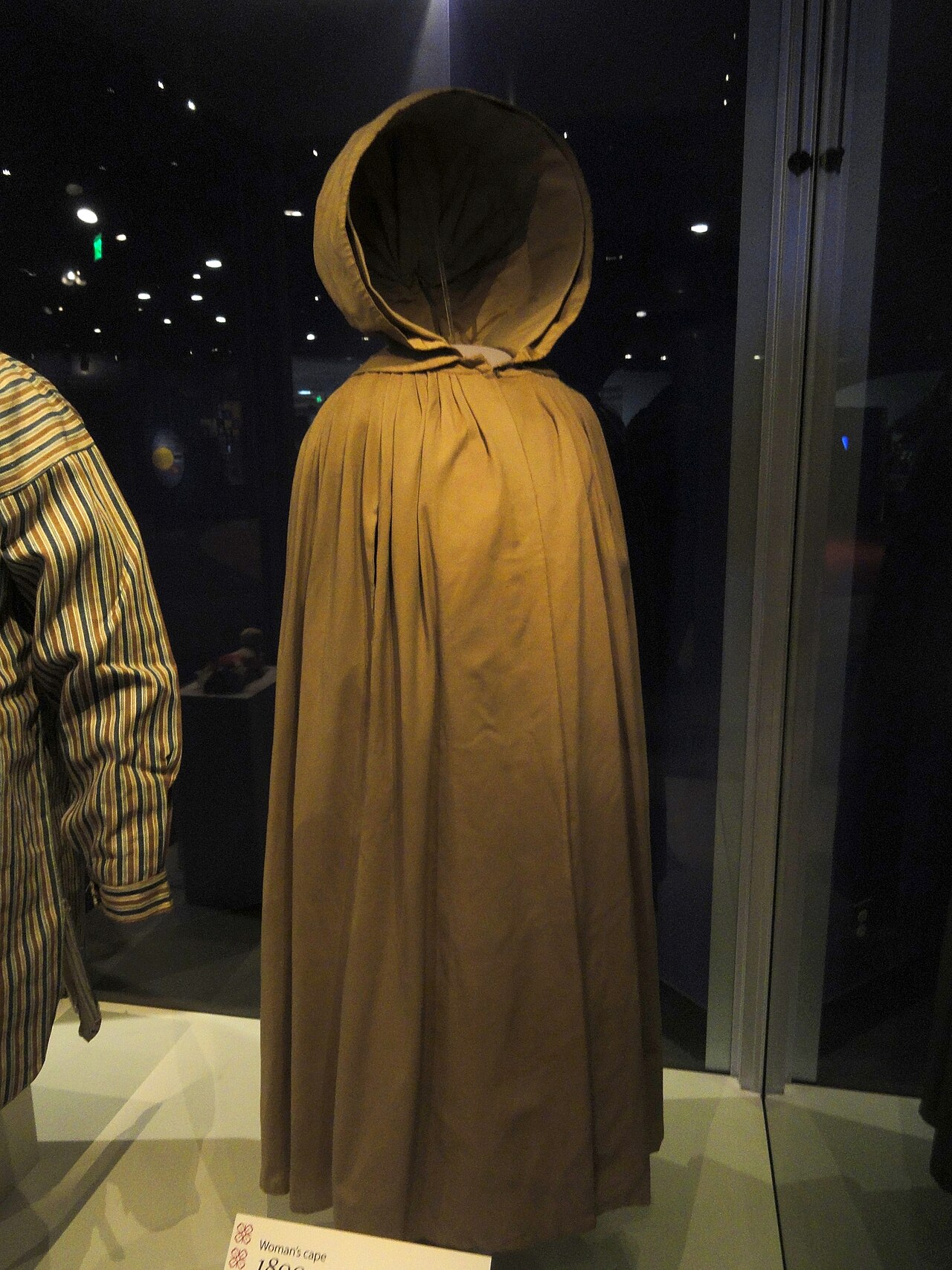
Lucretia Mott's Cape
1800s
A plain brown Quaker cape owned by Lucretia Mott, now in the National Museum of American History, reflecting her simple style of dress.
This cape belonged to Mott and embodies the Quaker simplicity and free-produce principles she practiced in daily life.
About this source
What it is
This is a woman's cape from the 1800s, a brown hooded garment with gathered pleats, now held in the National Museum of American History in Washington, D.C. It belonged to Lucretia Mott.
Why it matters
Quaker dress was meant to reflect simplicity and modesty, avoiding showy fashion. Mott also supported the free-produce movement, which avoided goods made with enslaved labor, including certain cotton and dyed fabrics. A plain garment like this cape reflects both her religious convictions and her political principles about everyday choices like clothing.
Look closer
- What does the plainness of this cape tell you about Quaker beliefs?
- Why might someone's choice of clothing become a political statement?
- What can an object like this tell us that a letter or speech cannot?
This artifact is part of the curated material that grounds the AI version of Lucretia Mott on Humy.ai — when students ask about related events, the AI can quote it and cite it.
More Lucretia Mott sources
Meet the AI Lucretia Mott →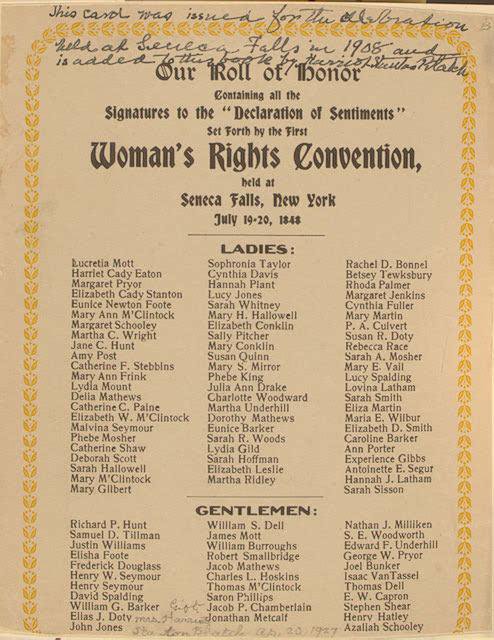 Document
Primary source
Declaration of Sentiments
Elizabeth Cady Stanton · 1848
 Painting
Primary source
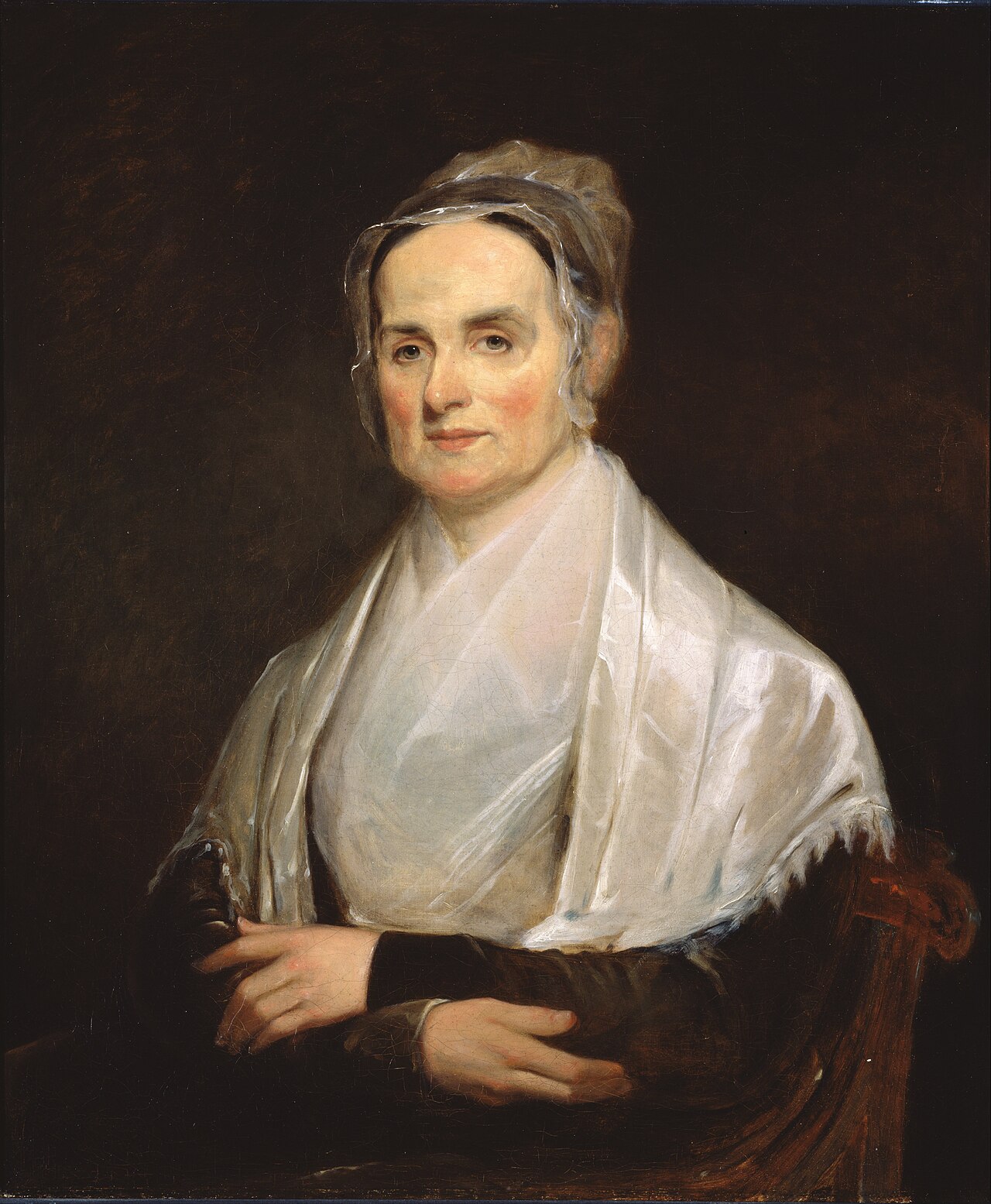
Lucretia Coffin Mott
Joseph Kyle · 1842
 Painting
Primary source
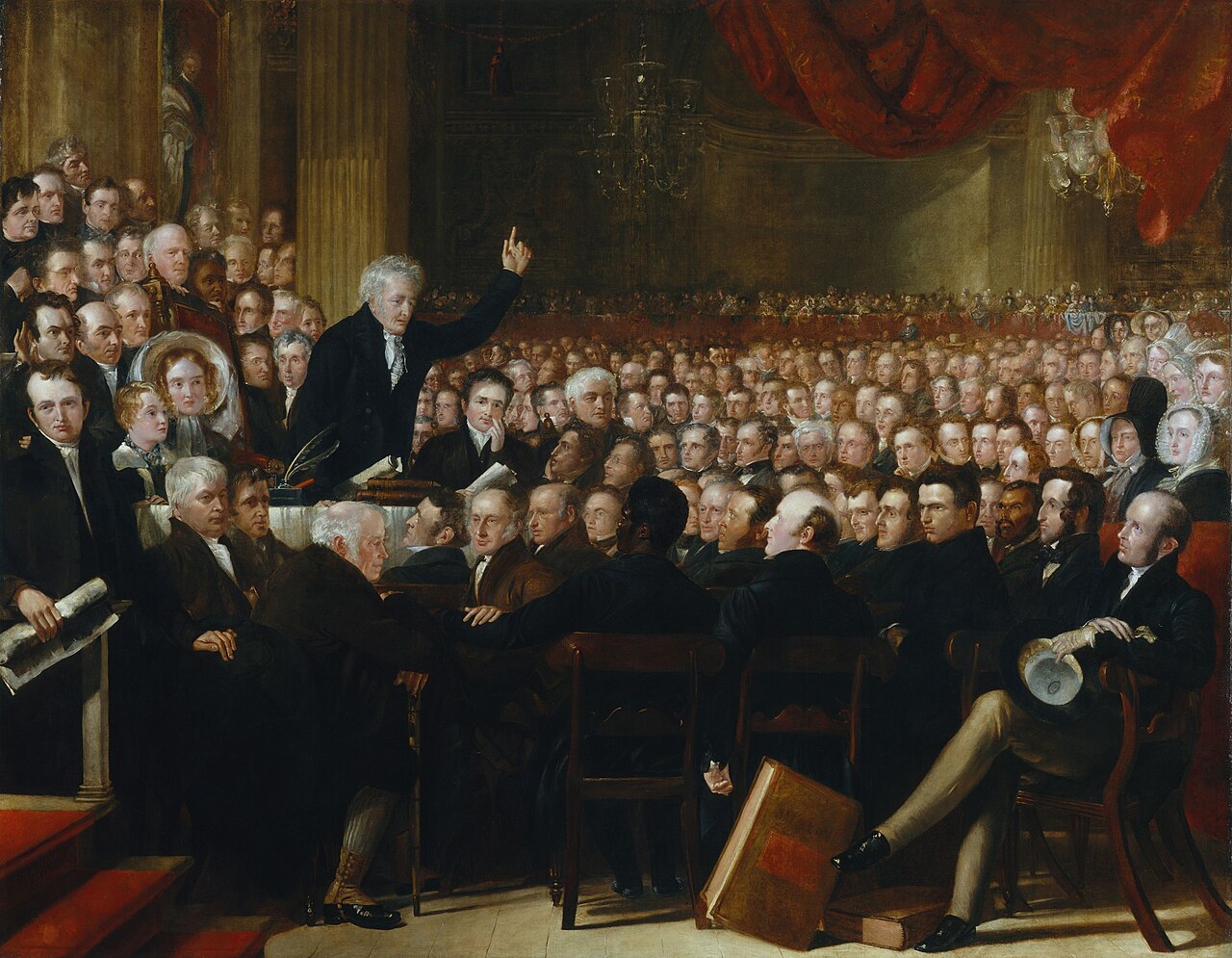
The Anti-Slavery Society Convention, 1840
Benjamin Robert Haydon · 1841
 Photograph
Primary source
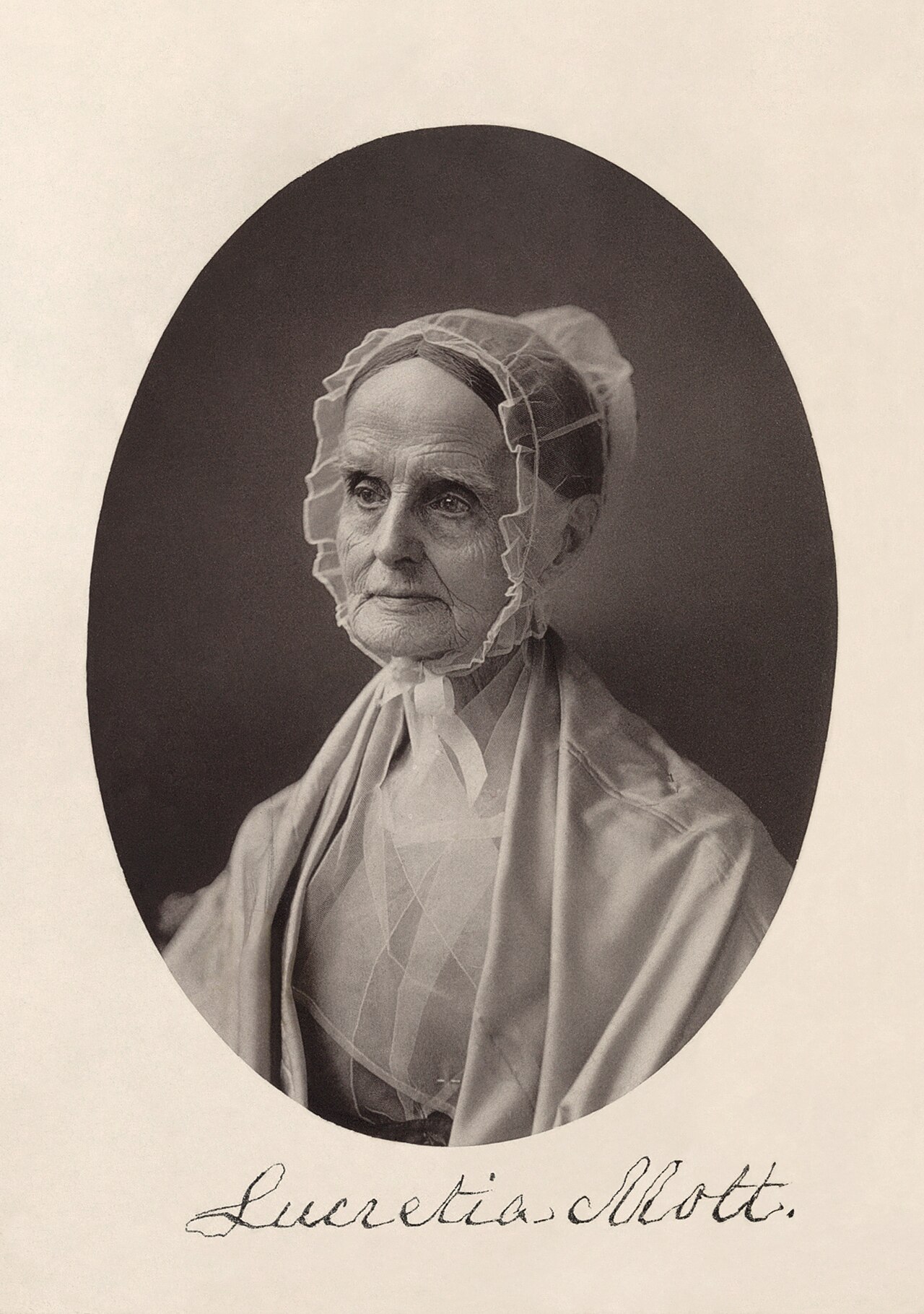
Lucretia Mott, signed photo
Frederick Gutekunst
 Photograph
Primary source
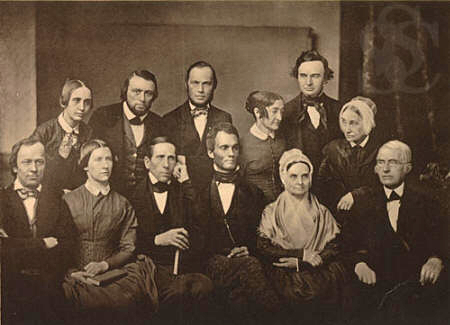
Executive Board of the Pennsylvania Anti-Slavery Society, 1851
1851
Ready when you are
Start chatting with Lucretia Mott now.
20 messages free · No credit card · Available in 50+ languages.