


Primary sourceDocument21 November 1964
Lumen gentium
Paul VI · 21 November 1964
The Dogmatic Constitution on the Church, promulgated by Pope Paul VI in 1964, is one of the key texts of the Second Vatican Council.
Paul VI promulgated this constitution in 1964, reshaping Catholic teaching on the Church, collegiality, and the laity.
Free Humy account · No credit card · 120,912 sources to read
About this source
What it is
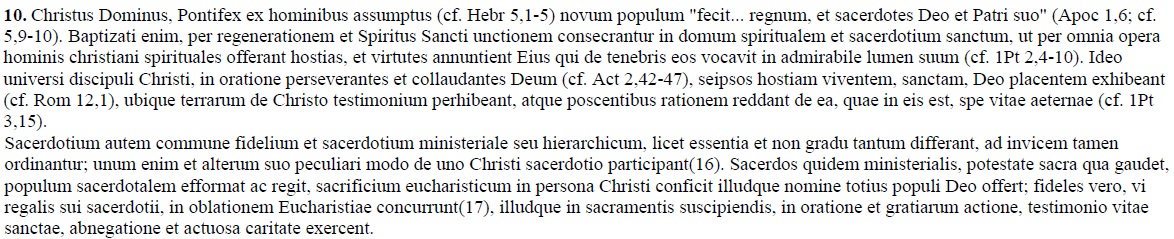
Lumen gentium (Latin for 'Light of the Nations') is a dogmatic constitution of the Catholic Church, one of the main documents produced by the Second Vatican Council. It was promulgated by Pope Paul VI on 21 November 1964 after the assembled bishops approved it by an overwhelming vote. The text is organised into eight chapters covering the nature of the Church, the people of God, different roles within the Church, holiness, religious life, and the role of Mary.
Why it matters
The constitution reshaped Catholic teaching by describing the Church as the whole 'People of God' rather than only its clergy, and by developing ideas of shared responsibility among bishops known as collegiality. Because Paul VI presided over the council and signed the document into force, it shows him guiding one of the biggest reforms in modern Catholic history, alongside the thousands of bishops who voted for it.
Look closer
- Why might a document be named after its opening Latin words rather than a subject title?
- What does it suggest that bishops from around the world voted on this text rather than the pope writing it alone?
- What parts of Church life does the document focus on, and what might it leave out?
This document is part of the curated material that grounds the AI version of Pope Paul VI on Humy.ai — when students ask about related events, the AI can quote it and cite it.
More Pope Paul VI sources
Browse all 99 →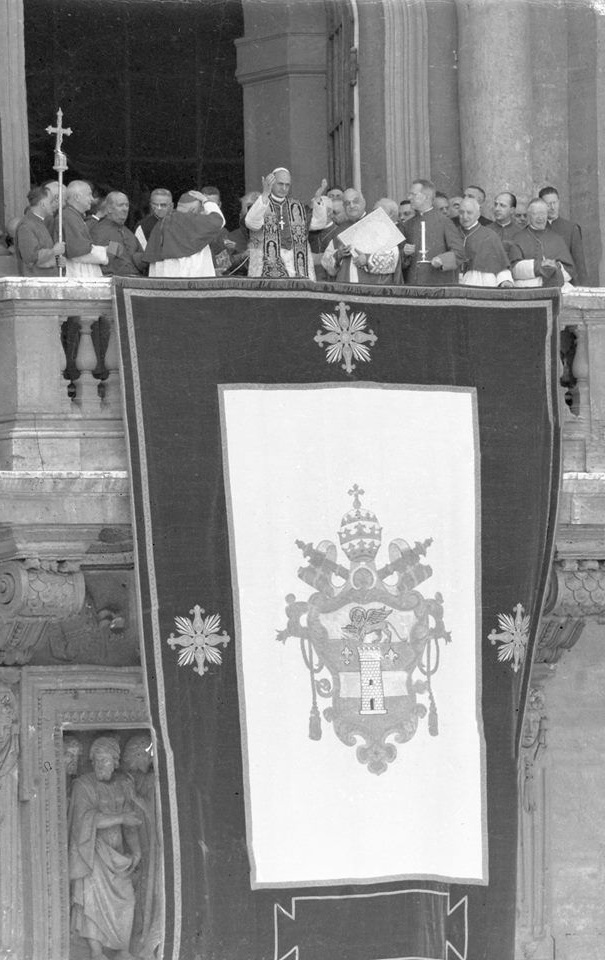 Photograph
Primary source
Election of Pope Paul VI
Unknown photographer · 1963
 Photograph
Primary source
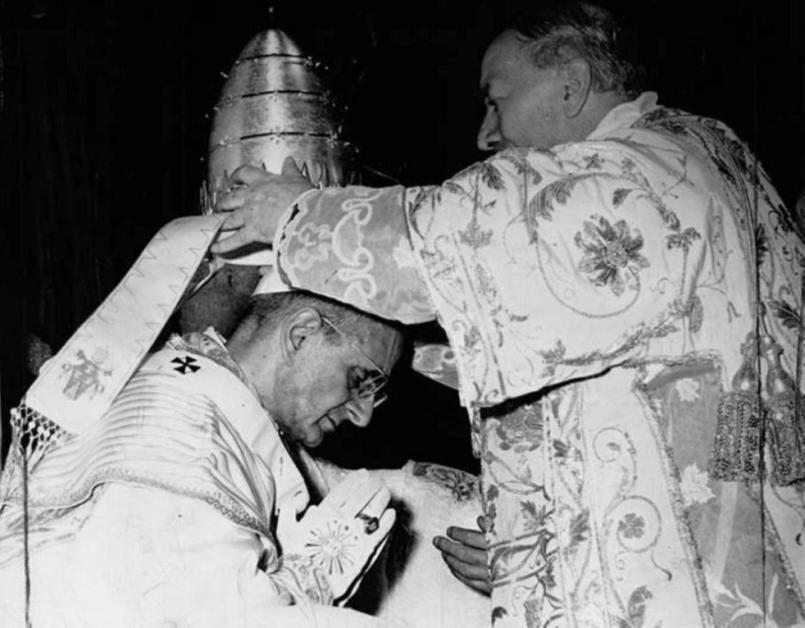
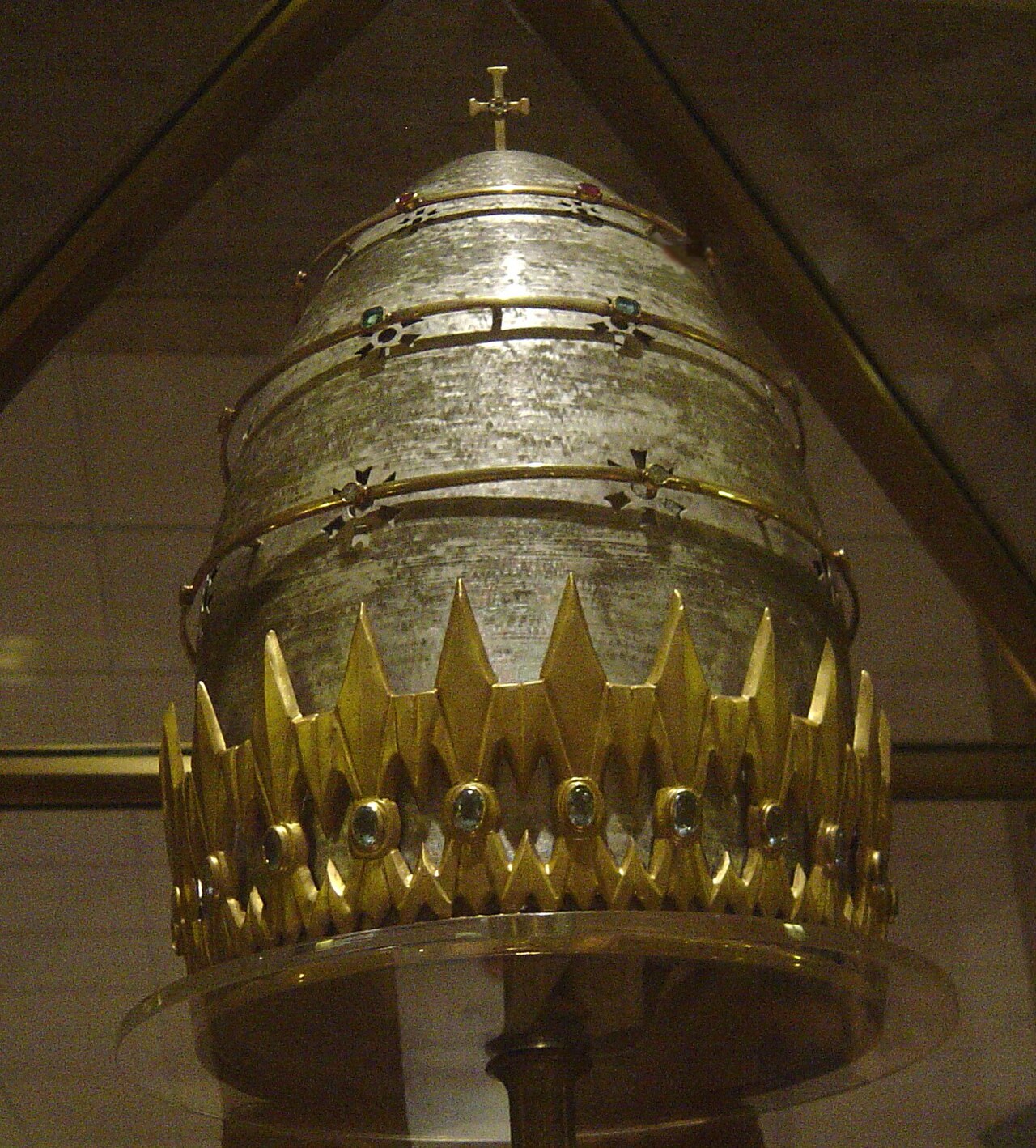
Paulus VI Crowned by Cardinal Ottaviani
Della Balda (original uploader) · 30 June 1963
 Photograph
Primary source
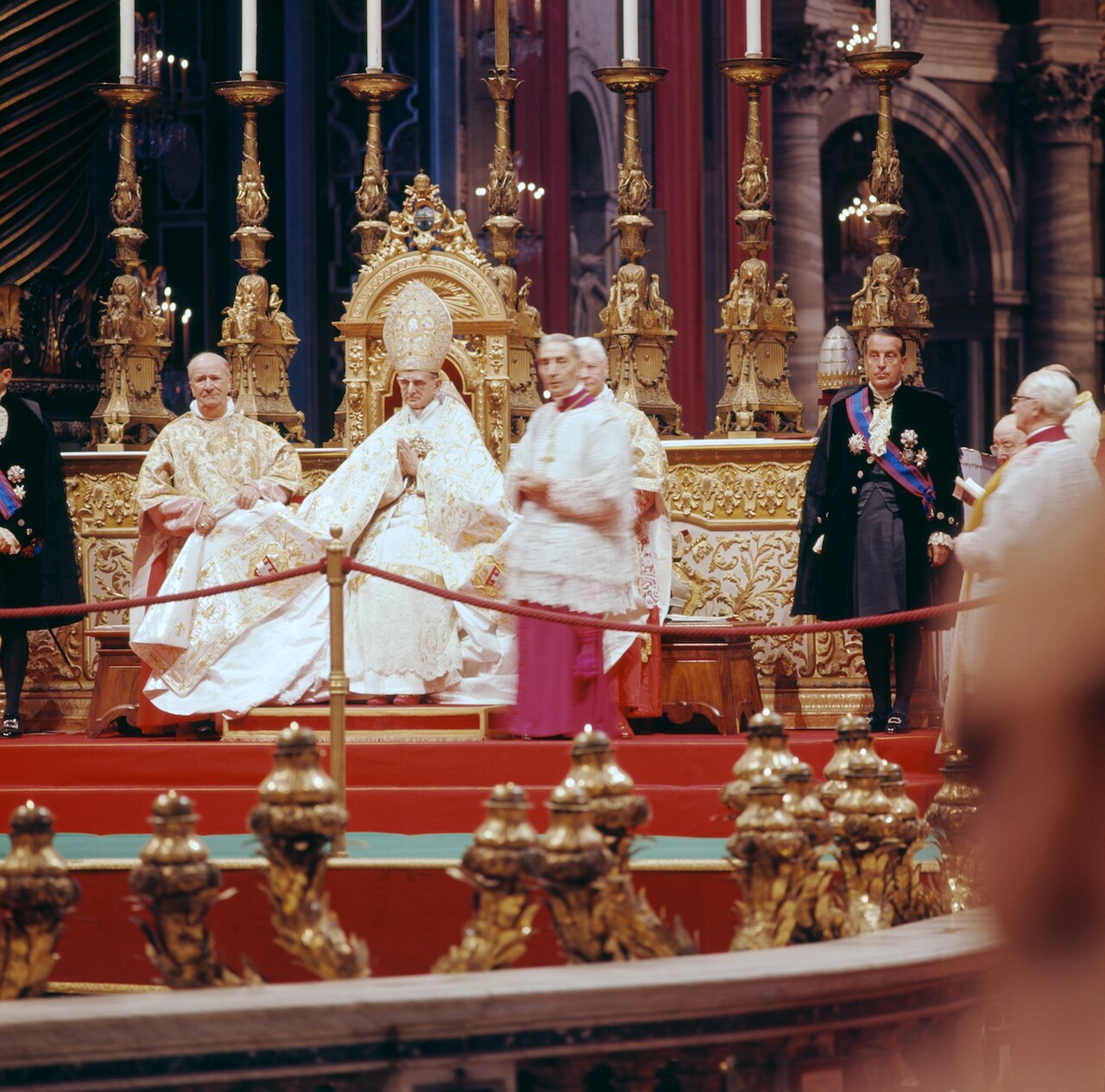
Second Vatican Council
Lothar Wolleh
 Photograph
Primary source
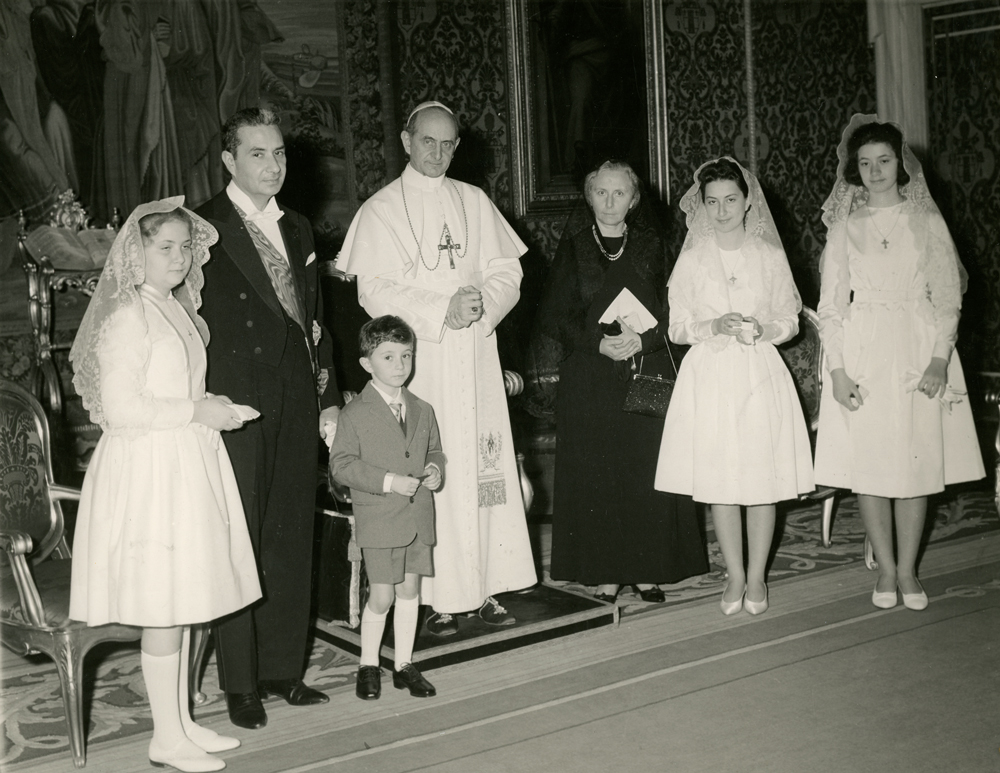
Aldo Moro with His Family in Audience with Paul VI
Unknown photographer
Free account
Read every Pope Paul VI source
Sign up free →
Ready when you are
Start chatting with Pope Paul VI now.
20 messages free · No credit card · Available in 50+ languages.