


Primary sourceDocument1904 (premiere, revised through 1907)
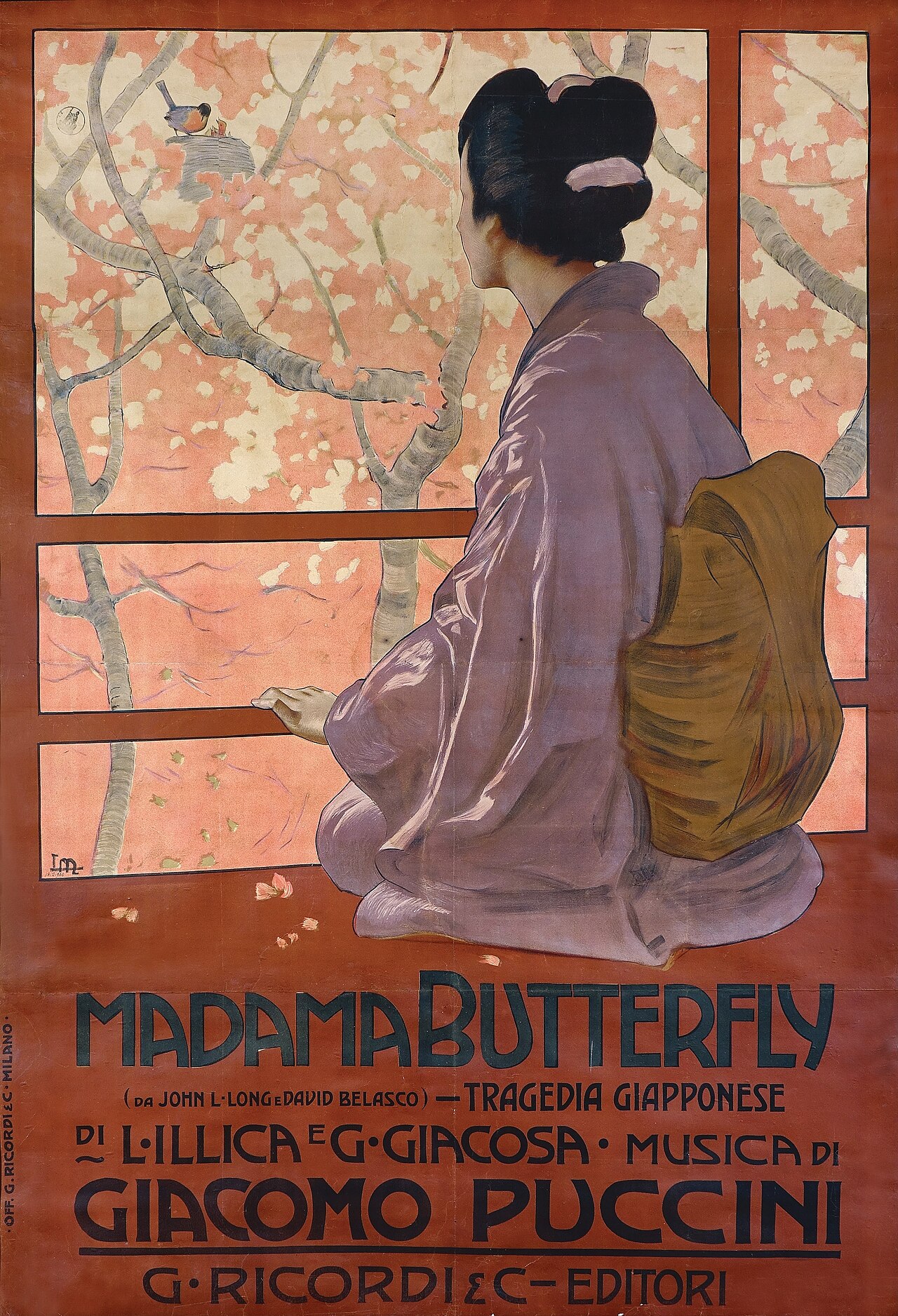
Madama Butterfly
Giacomo Puccini · 1904 (premiere, revised through 1907)
An opera by Giacomo Puccini about a Japanese woman and an American naval officer, first performed in 1904 and revised several times.
Madama Butterfly is one of Puccini's own compositions, revised repeatedly by him after its troubled premiere.
About this source
What it is
Madama Butterfly is an opera in three acts composed by Giacomo Puccini, with a libretto by Luigi Illica and Giuseppe Giacosa, based on a short story and play about a Japanese woman named Cio-Cio-San and a U.S. naval officer, Pinkerton.
Why it matters
Its original 1904 premiere at La Scala in Milan was a failure, partly because Puccini finished it too close to the premiere. He revised it repeatedly—eventually producing five versions—until it became a worldwide success. The opera shows Puccini's fascination with depicting a foreign culture through an Italian lens, and his determination to keep reworking a piece he believed in.
Look closer
- What does the poster's imagery of a kneeling woman suggest about how Japan and women were being portrayed?
- Why might Puccini have kept revising the opera instead of abandoning it after its failure?
- What is left out of a story that imagines another culture from the outside?
This document is part of the curated material that grounds the AI version of Giacomo Puccini on Humy.ai — when students ask about related events, the AI can quote it and cite it.
More Giacomo Puccini sources
Browse all 97 →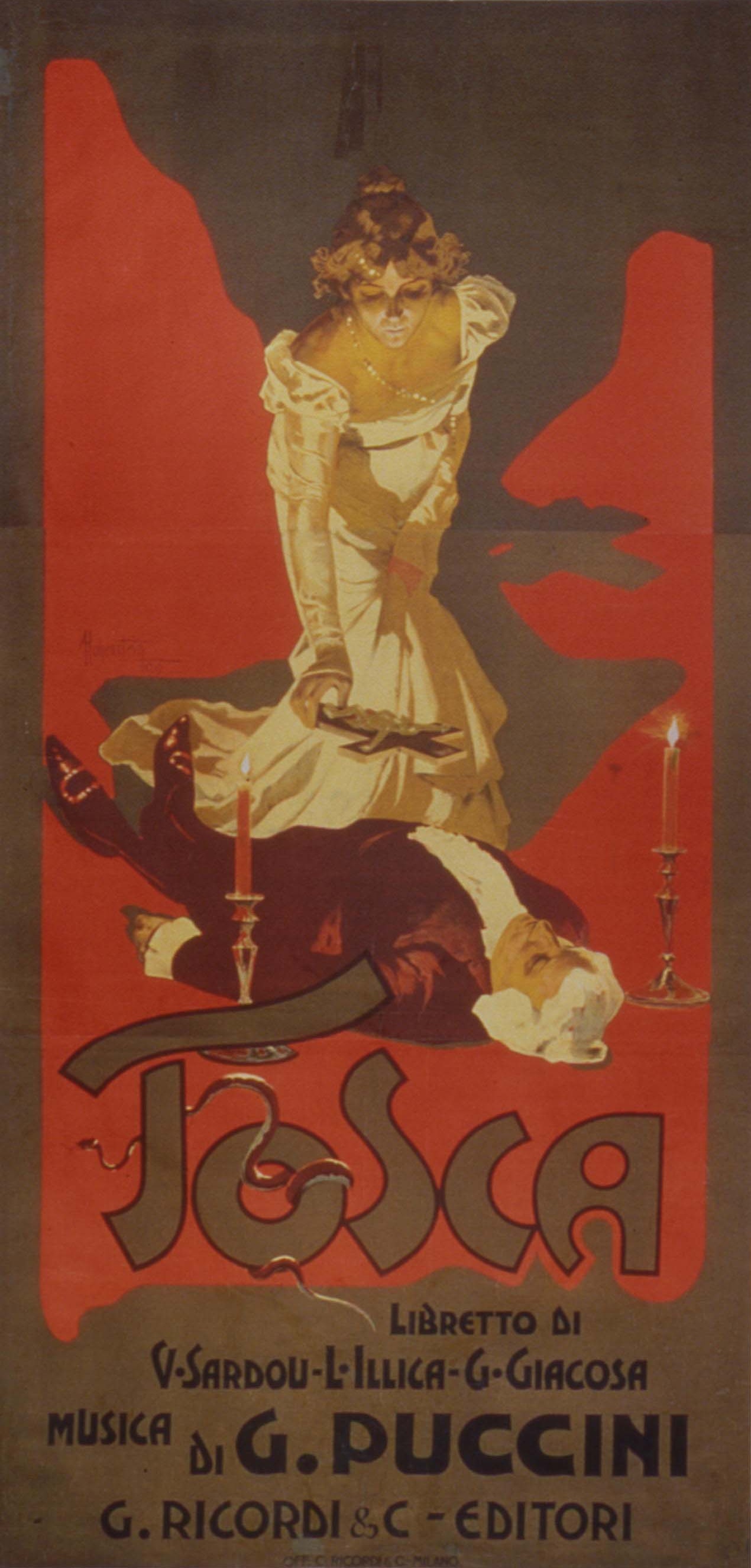 Document
Primary source
Tosca
Giacomo Puccini · 1900 (premiere); score published 1899
 Document
Primary source
Turandot
Giacomo Puccini · 1921-1924 (composed); premiered 1926
 Document
Primary source
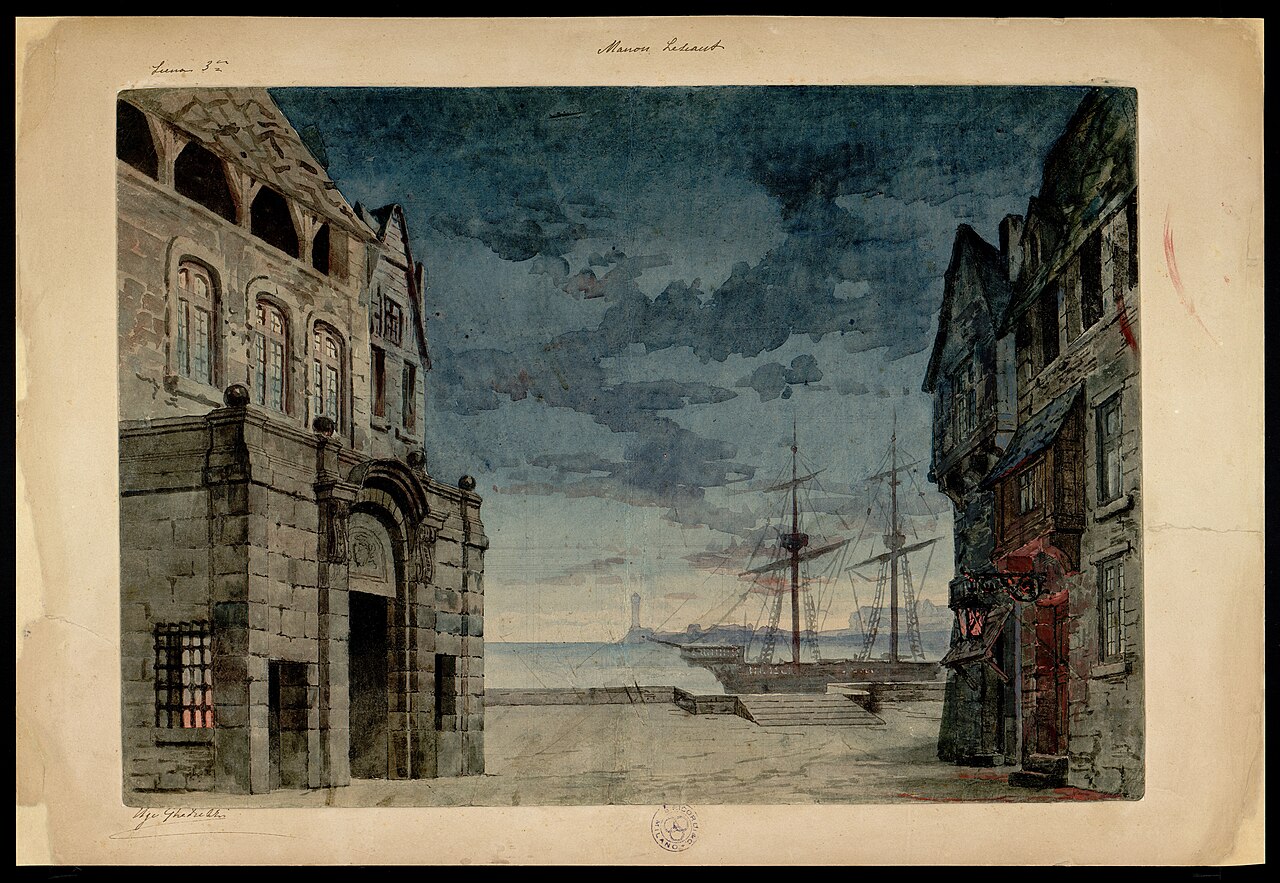
Manon Lescaut
Giacomo Puccini · 1893 (premiere)
 Photograph
Primary source
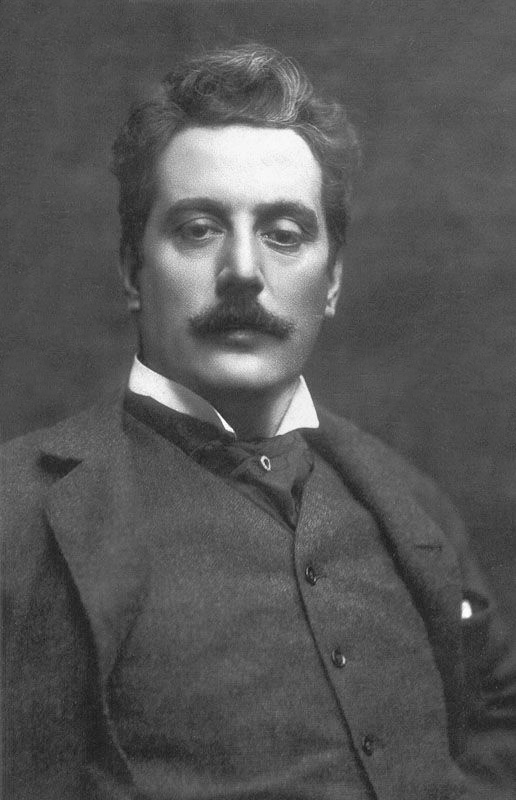
Portrait of Giacomo Puccini
Free account
Read every Giacomo Puccini source
Sign up free →
Ready when you are
Start chatting with Giacomo Puccini now.
20 messages free · No credit card · Available in 50+ languages.