


Primary sourcePainting1773
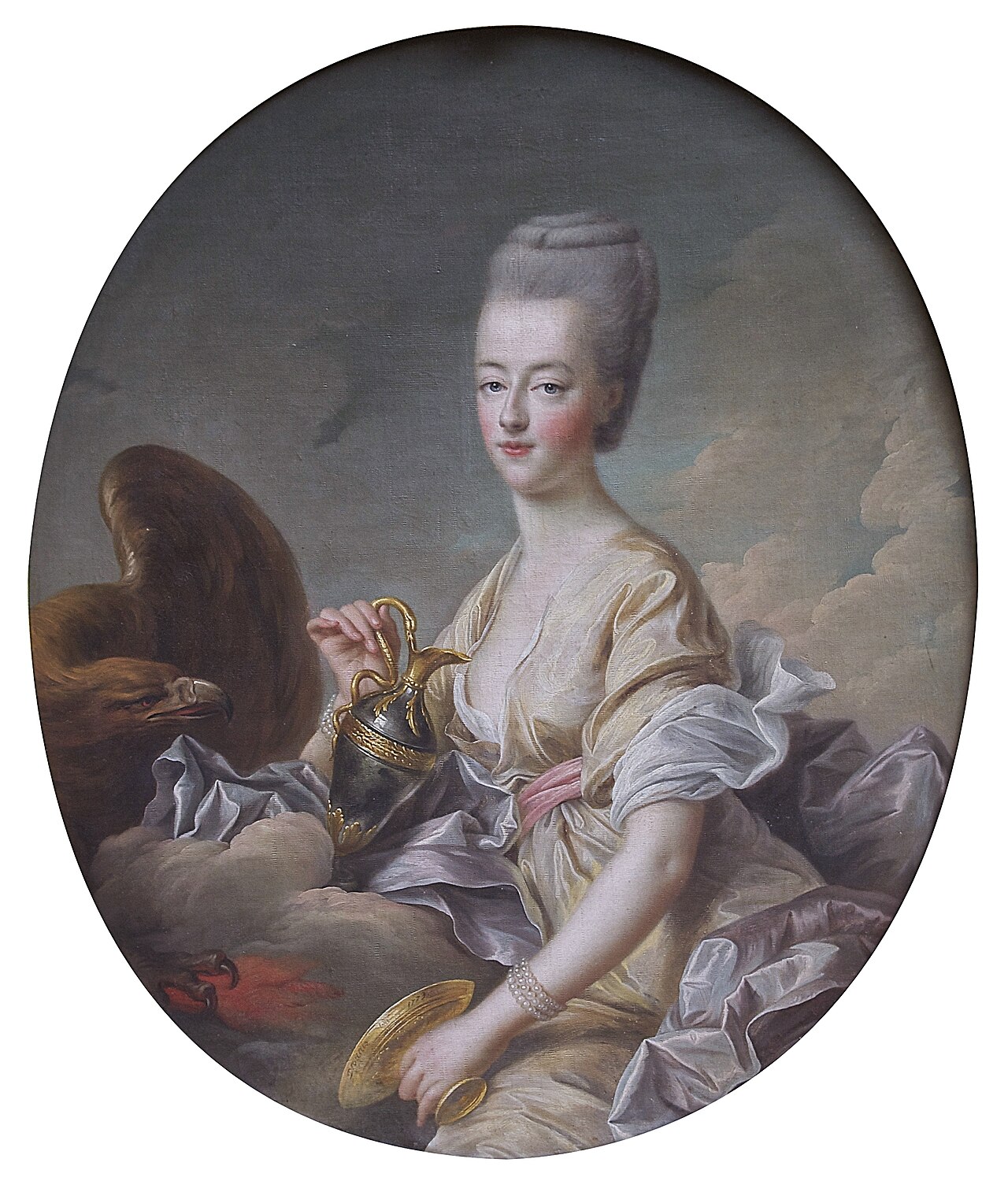
Madame la Dauphine Marie-Antoinette, as Hebe
François-Hubert Drouais · 1773
An allegorical portrait of the teenage dauphine Marie Antoinette, painted as she arrived in France with hopes for her future.
This allegorical portrait shows the teenage Marie Antoinette shortly after her arrival in France as dauphine.
About this source
What it is
This 1773 oval painting by François-Hubert Drouais shows Marie Antoinette as a young dauphine, dressed in allegorical style associated with Hebe, the Greek goddess of youth. It is held at the Condé Museum.
Why it matters
Painted soon after her marriage to the future Louis XVI, the portrait presents her as a youthful symbol of hope for the French court. It reflects how royal portraiture used mythological imagery to shape public perception of a new, unfamiliar foreign princess.
Look closer
- What symbols in the painting, such as the eagle or the pitcher, might represent specific ideas?
- How does the artist use her age and dress to convey youth and promise?
- What does this idealized image leave out about the real pressures she faced?
This painting is part of the curated material that grounds the AI version of Marie Antoinette on Humy.ai — when students ask about related events, the AI can quote it and cite it.
More Marie Antoinette sources
Meet the AI Marie Antoinette →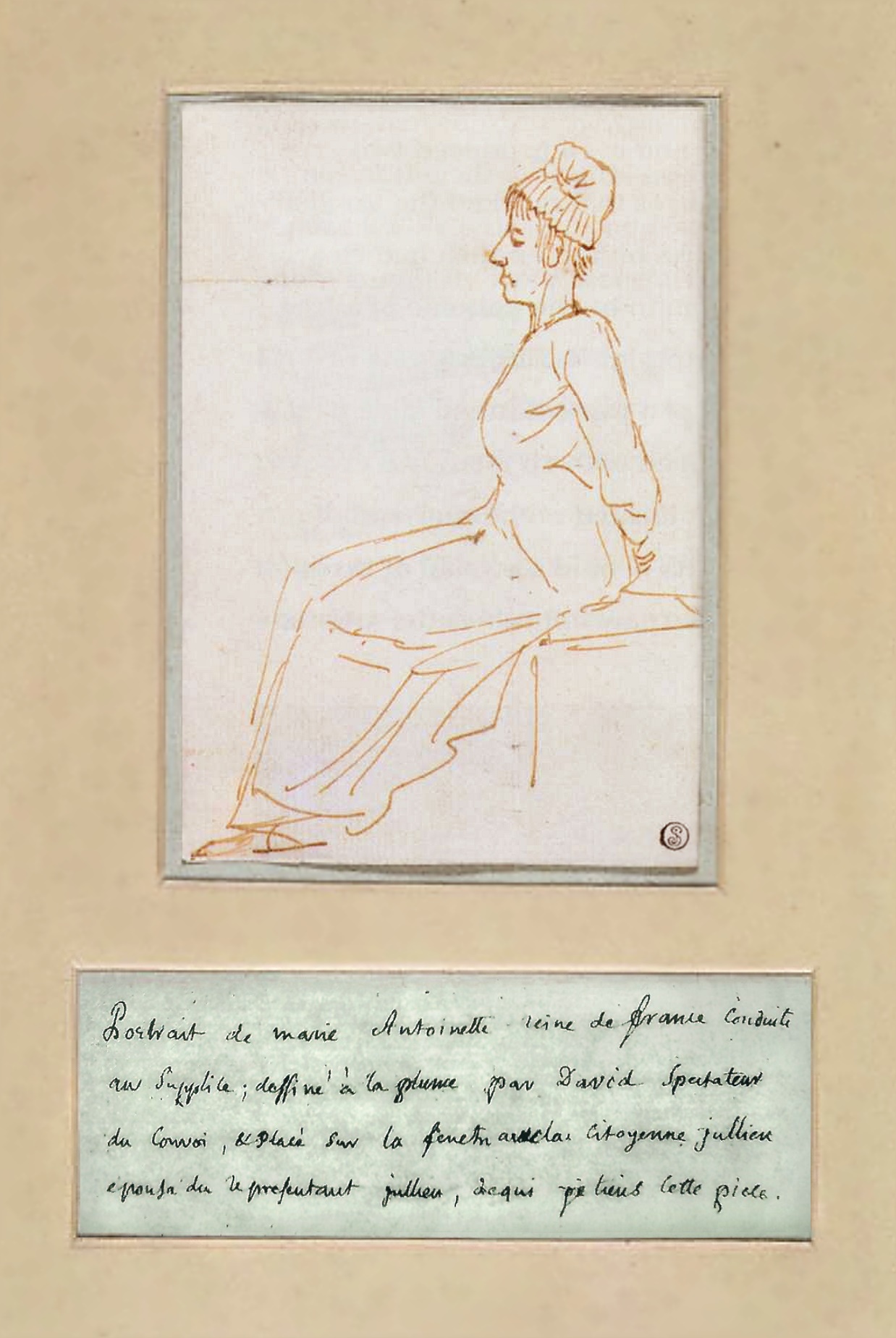 Painting
Primary source
Marie Antoinette Being Taken to Her Execution
Jacques-Louis David · 16 October 1793
 Painting
Primary source
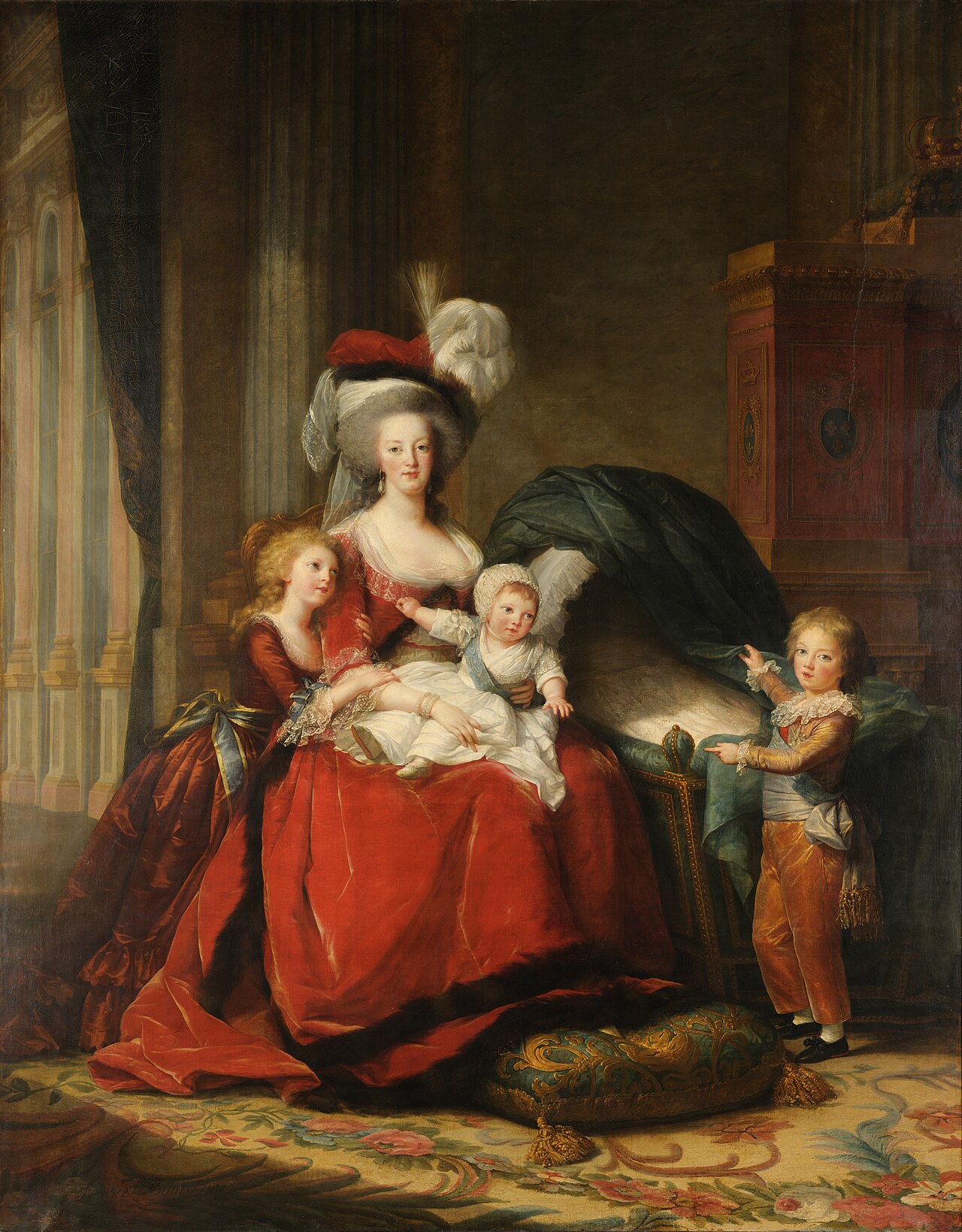
Marie Antoinette and Her Children
Élisabeth Louise Vigée Le Brun · 1787
 Painting
Primary source
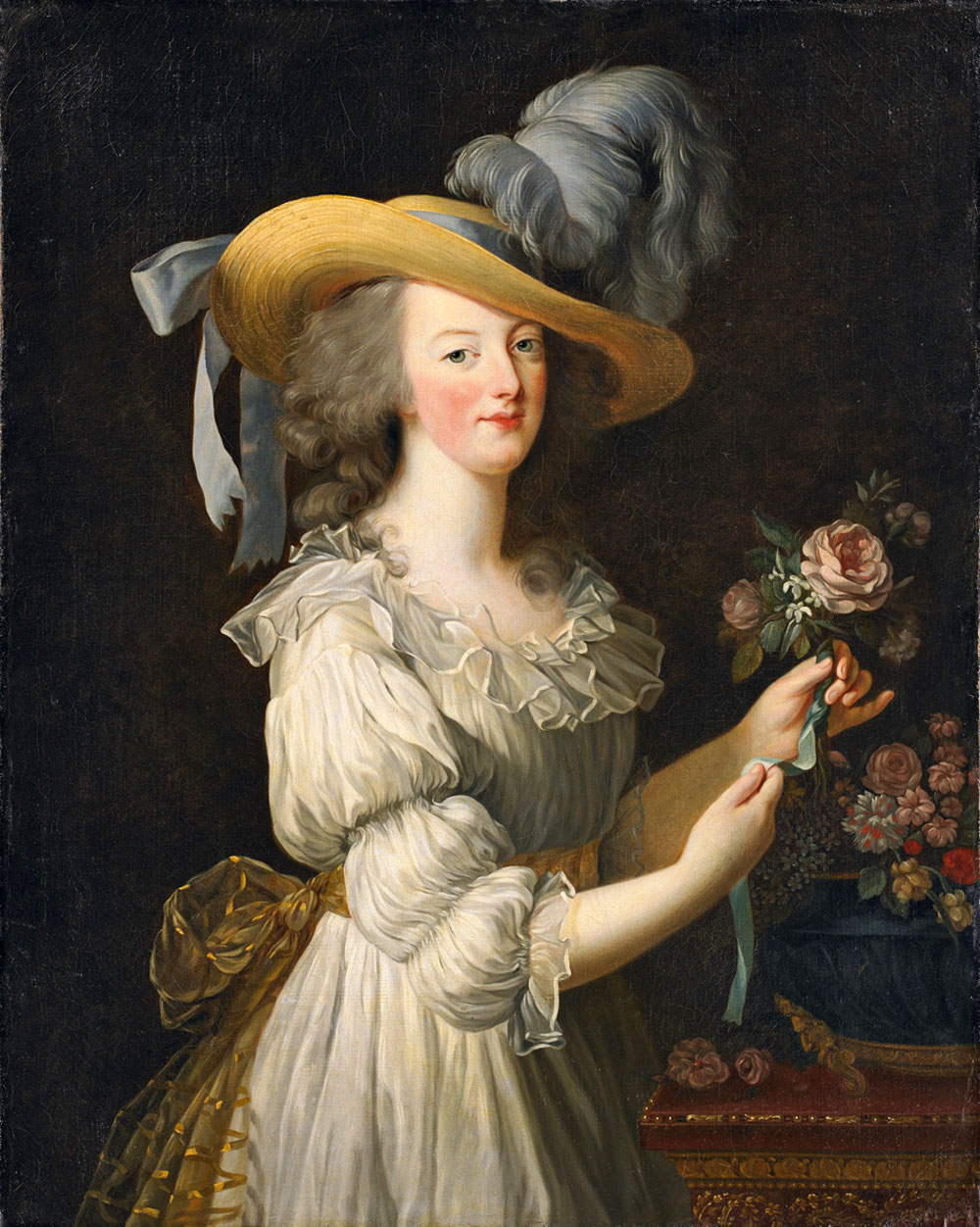
Marie Antoinette in a Muslin Dress
Élisabeth Louise Vigée Le Brun · 1783
 Letter
Primary source
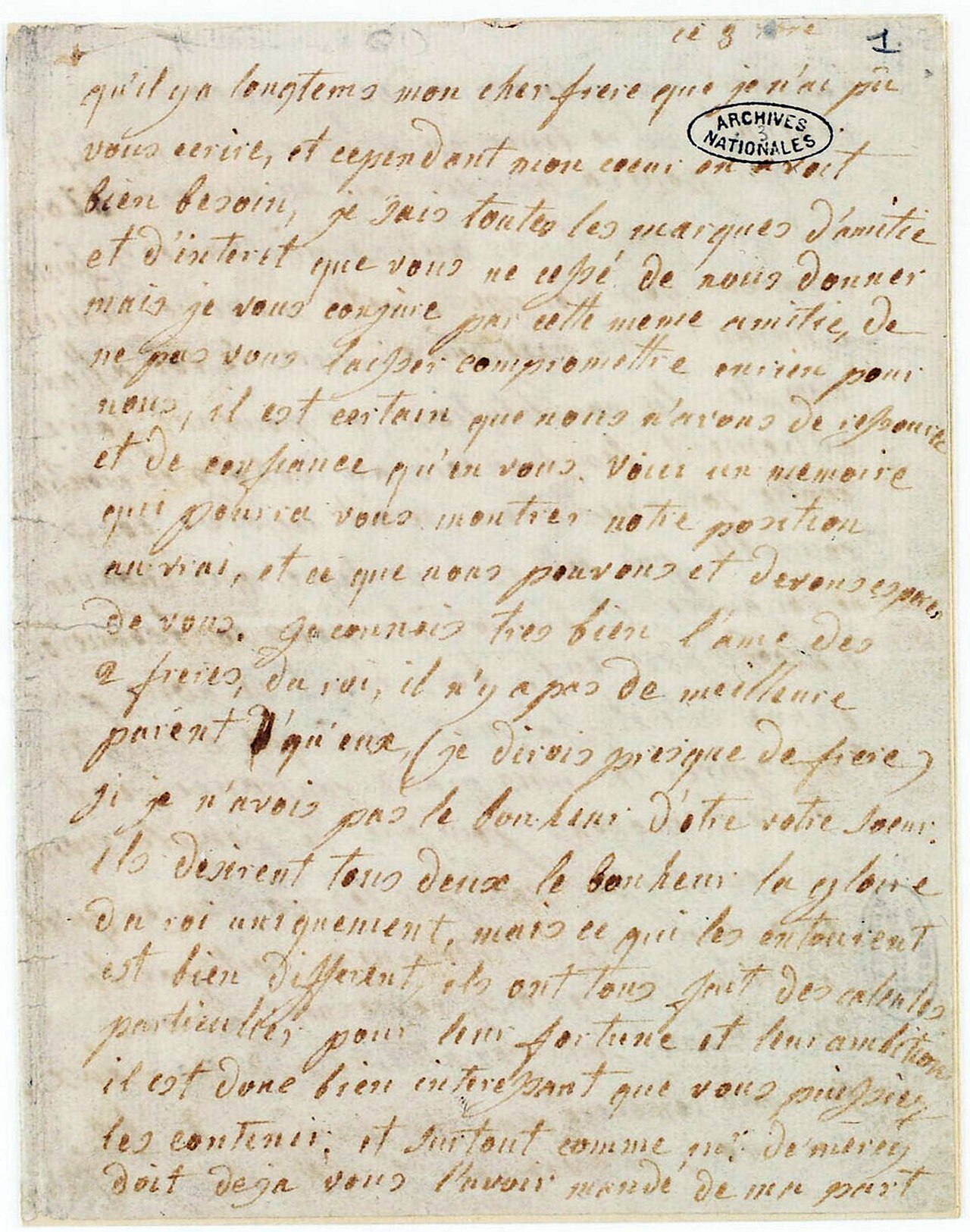
Letter to Her Brother Emperor Leopold II
Marie Antoinette · 8 September 1791
 Artifact
Primary source
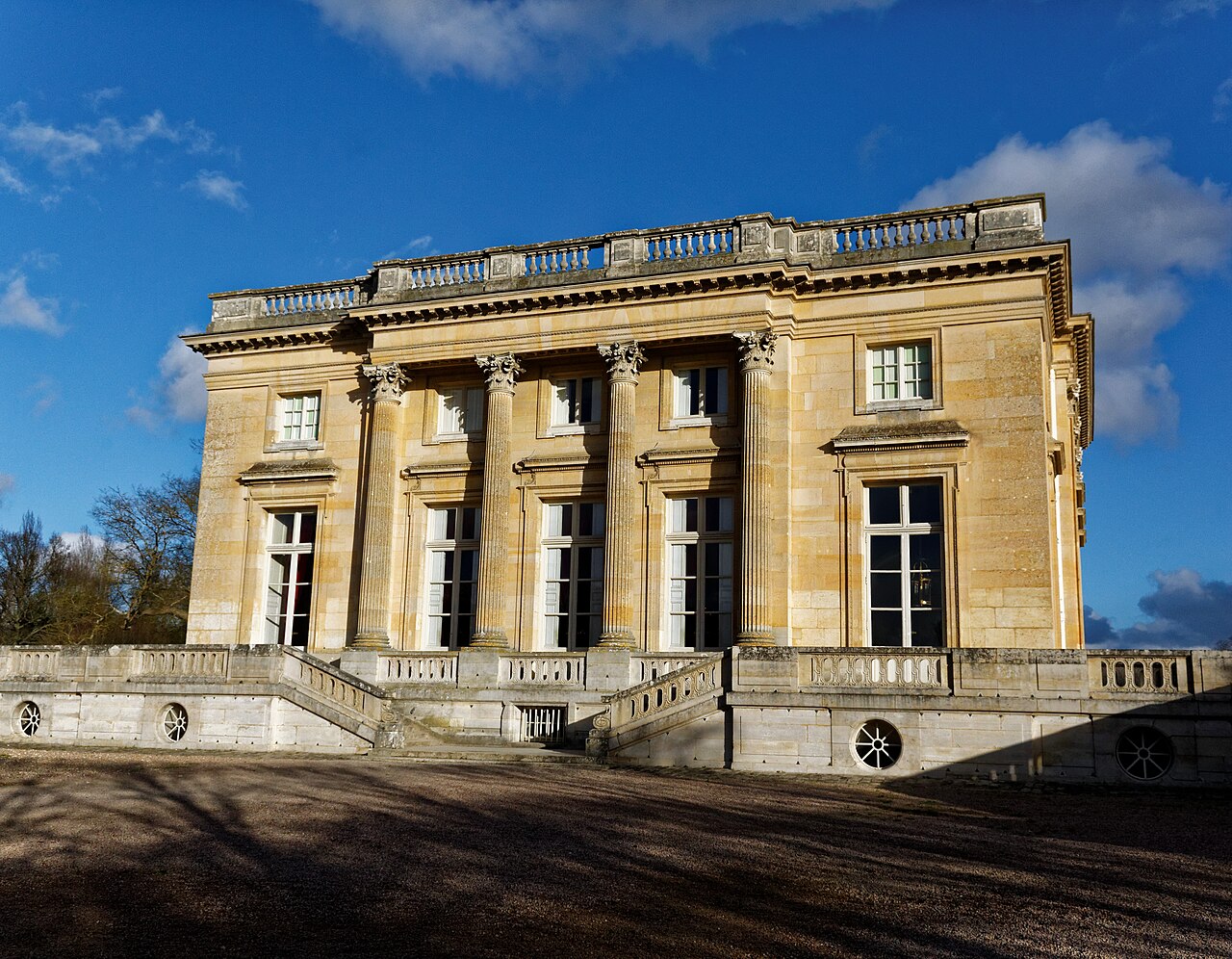
Petit Trianon
Ange-Jacques Gabriel · 1762-1768
Ready when you are
Start chatting with Marie Antoinette now.
20 messages free · No credit card · Available in 50+ languages.