


Secondary sourcePaintingc. 1280s
Maestà with Saint Francis
Cimabue · c. 1280s
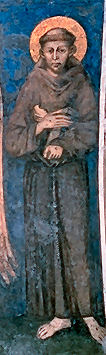
A fresco by Cimabue in the Lower Basilica of Assisi, including a famous image of Francis long believed to be his true likeness.
This fresco contains the long-famous 'true portrait' image of Francis, shaping how he was pictured for centuries.
About this source
What it is
This fresco by the Italian artist Cimabue, painted around the 1280s, is in the transept of the Lower Basilica of San Francesco in Assisi. It shows a standing, haloed figure of Francis in a brown hooded habit, with hands clasped against a dark blue background.
Why it matters
For centuries, this image was treated as Francis's 'true portrait', showing him as thin and humble. It reveals how, decades after his death, artists like Cimabue were shaping how people would picture the saint, and how the Basilica itself became a major centre for his cult.
Look closer
- Why might people have believed this was Francis's 'true' likeness rather than just an artist's idea of him?
- What does the gaunt, humble appearance of the figure suggest about the qualities people wanted to associate with Francis?
- How might a fresco in a church shape the way ordinary people understood a saint?
This painting is part of the curated material that grounds the AI version of Saint Francis on Humy.ai — when students ask about related events, the AI can quote it and cite it.
More Saint Francis sources
Meet the AI Saint Francis →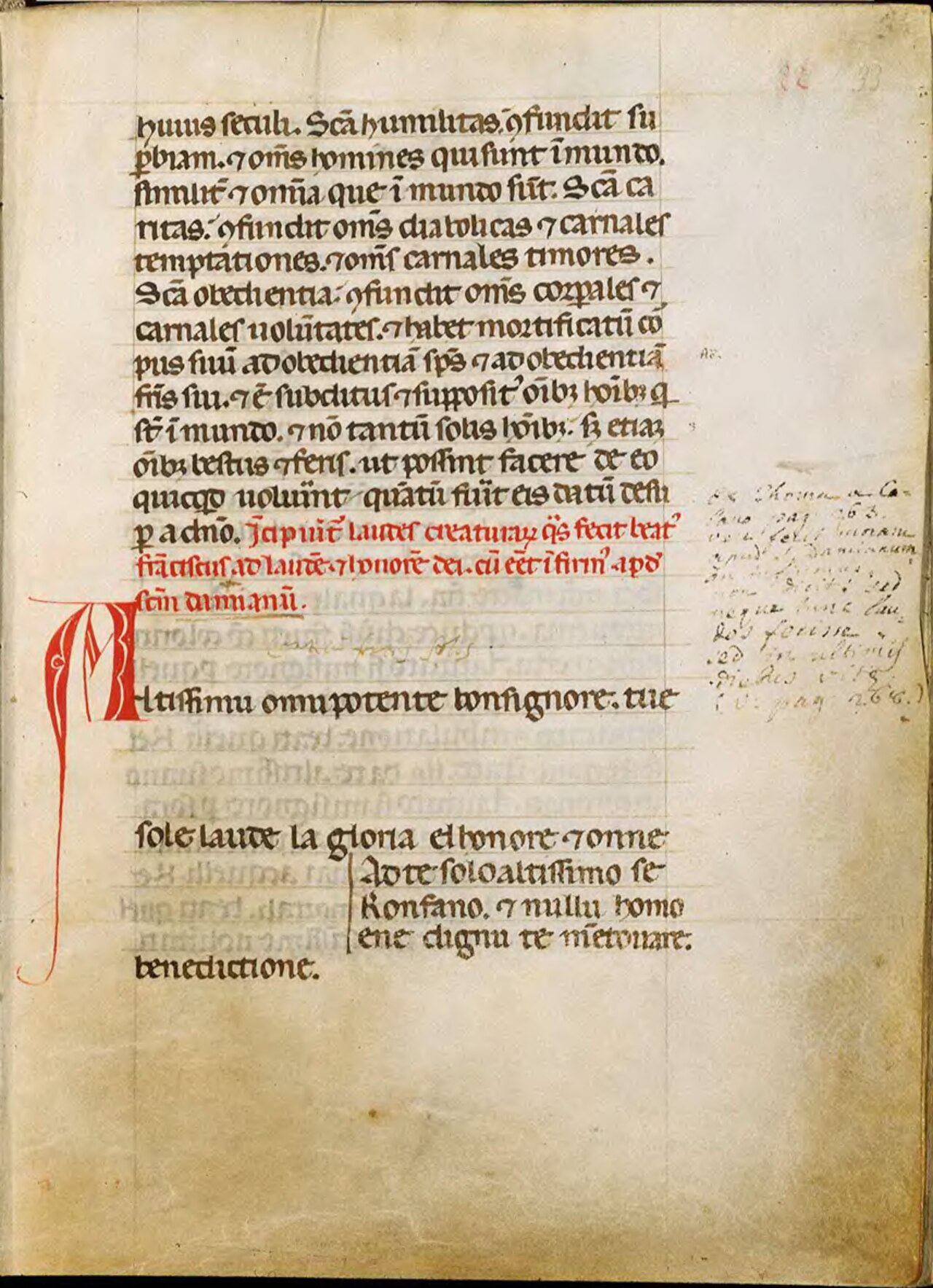 Book
Primary source
Canticle of the Sun
Francis of Assisi · 1226
 Document
Primary source
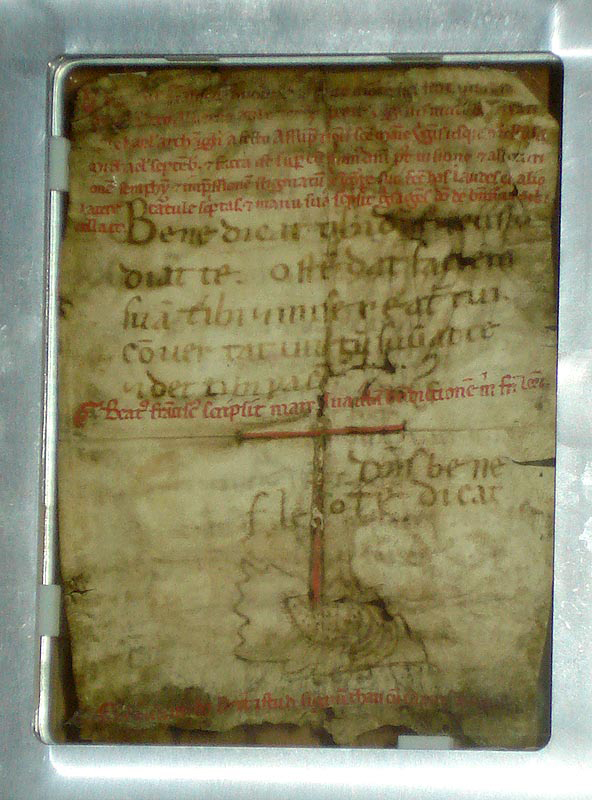
Chartula fratri Leonis
Francis of Assisi · 1224
Secondary source
First Life of Saint Francis
Thomas of Celano · 1230
 Painting
Secondary source
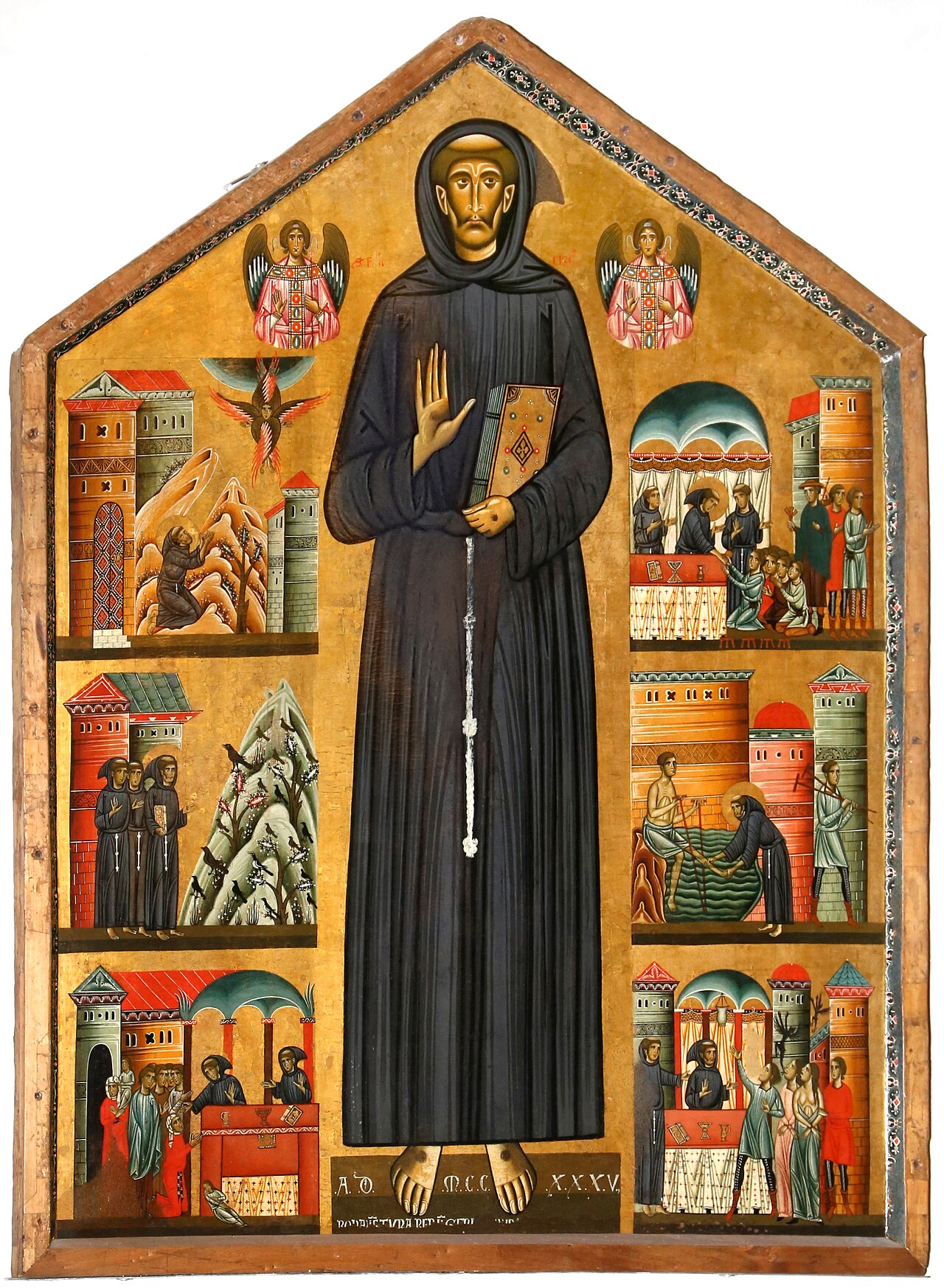
Saint Francis of Assisi and Scenes of His Life
Bonaventura Berlinghieri · 1235
 Artifact
Secondary source
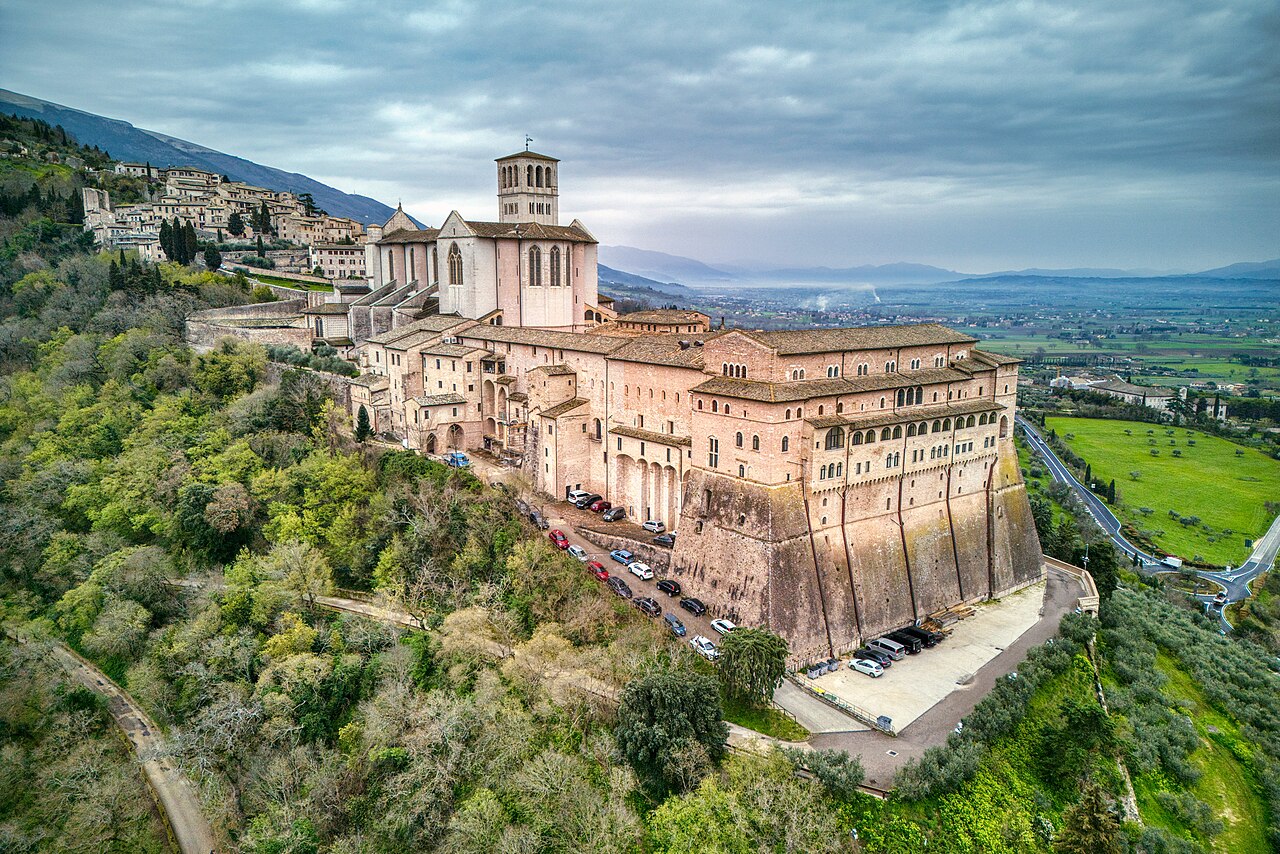
Basilica of San Francesco d'Assisi
begun 1228
Ready when you are
Start chatting with Saint Francis now.
20 messages free · No credit card · Available in 50+ languages.