


Primary sourceArtifact1827
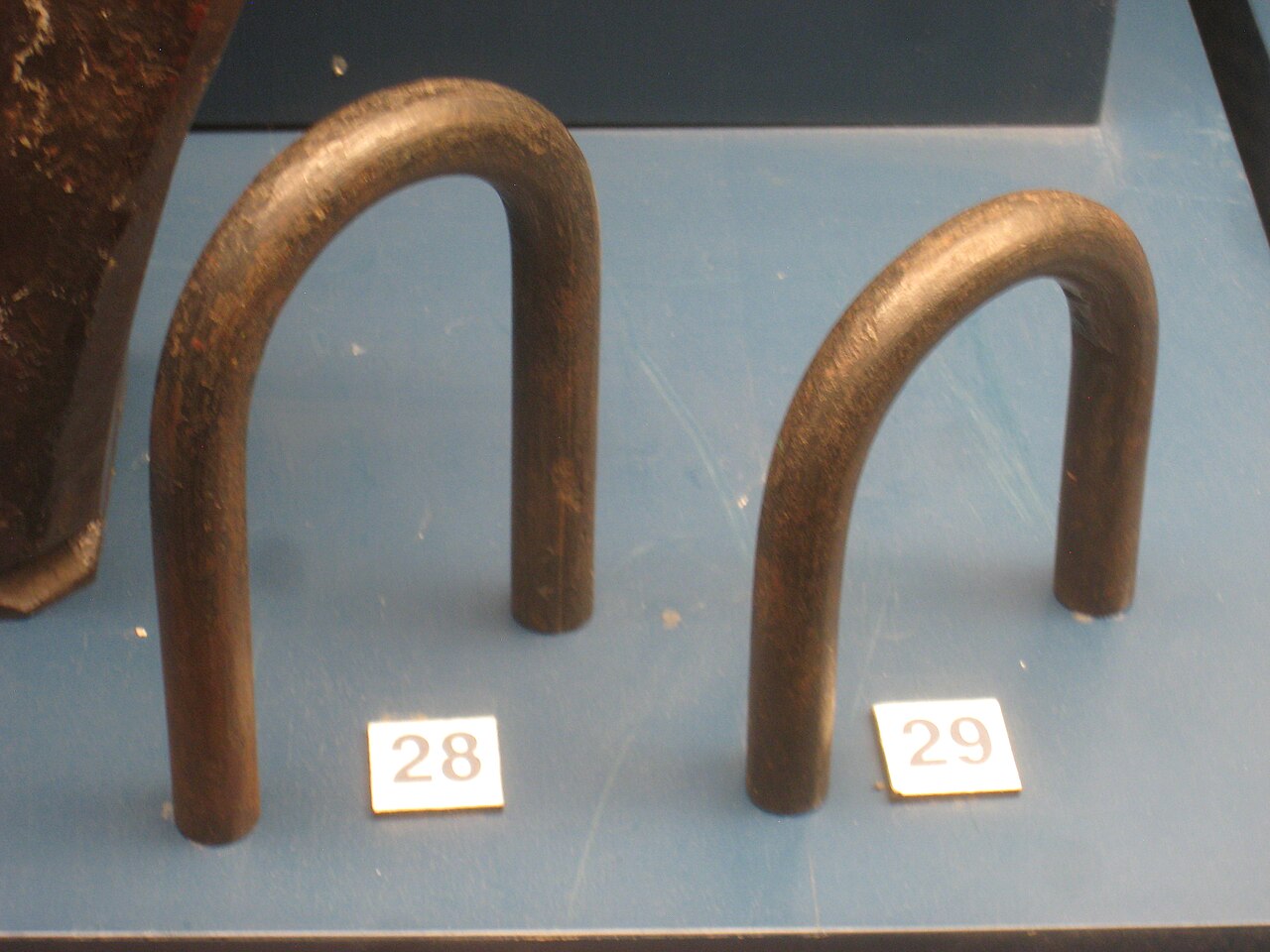
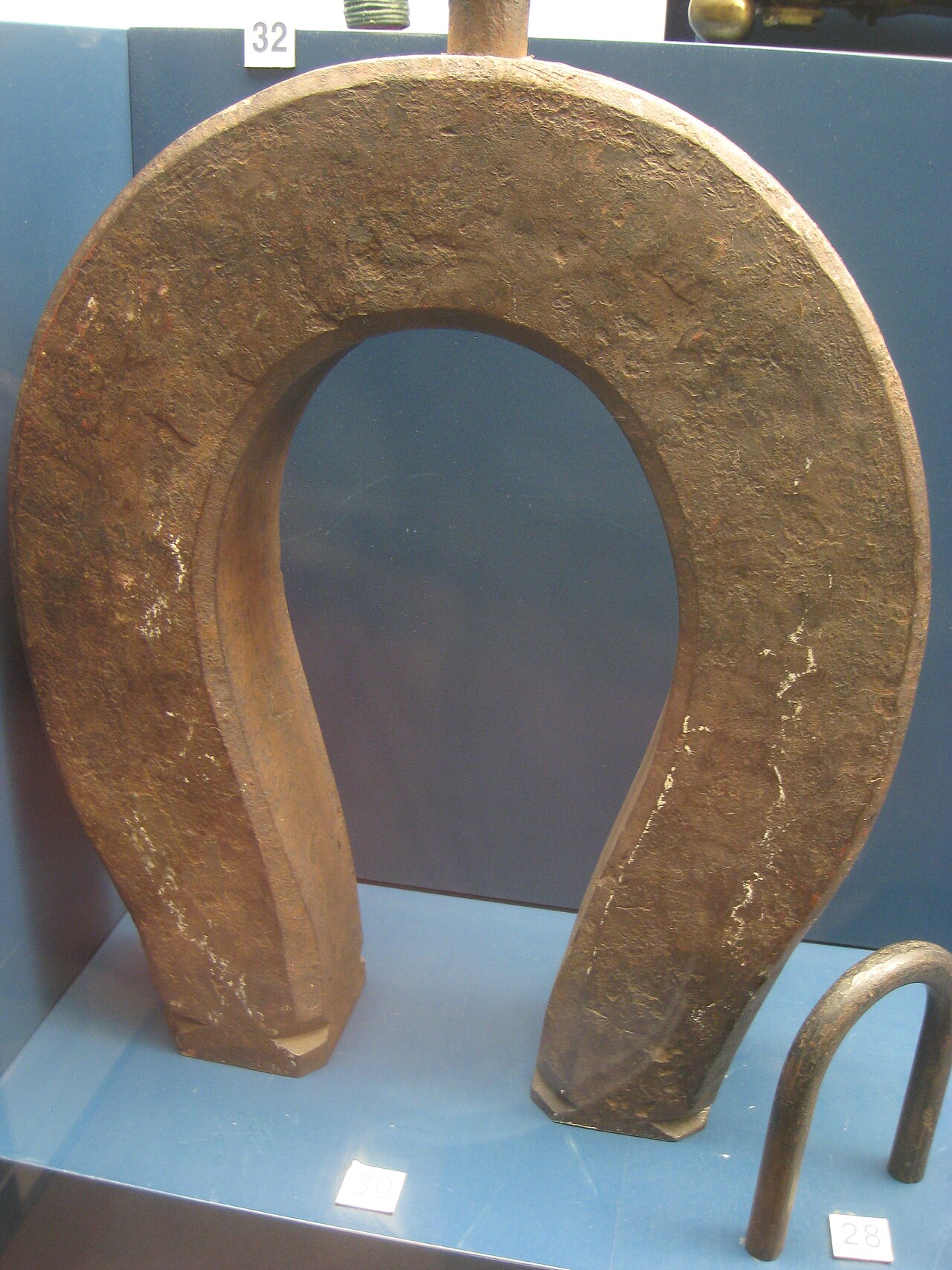
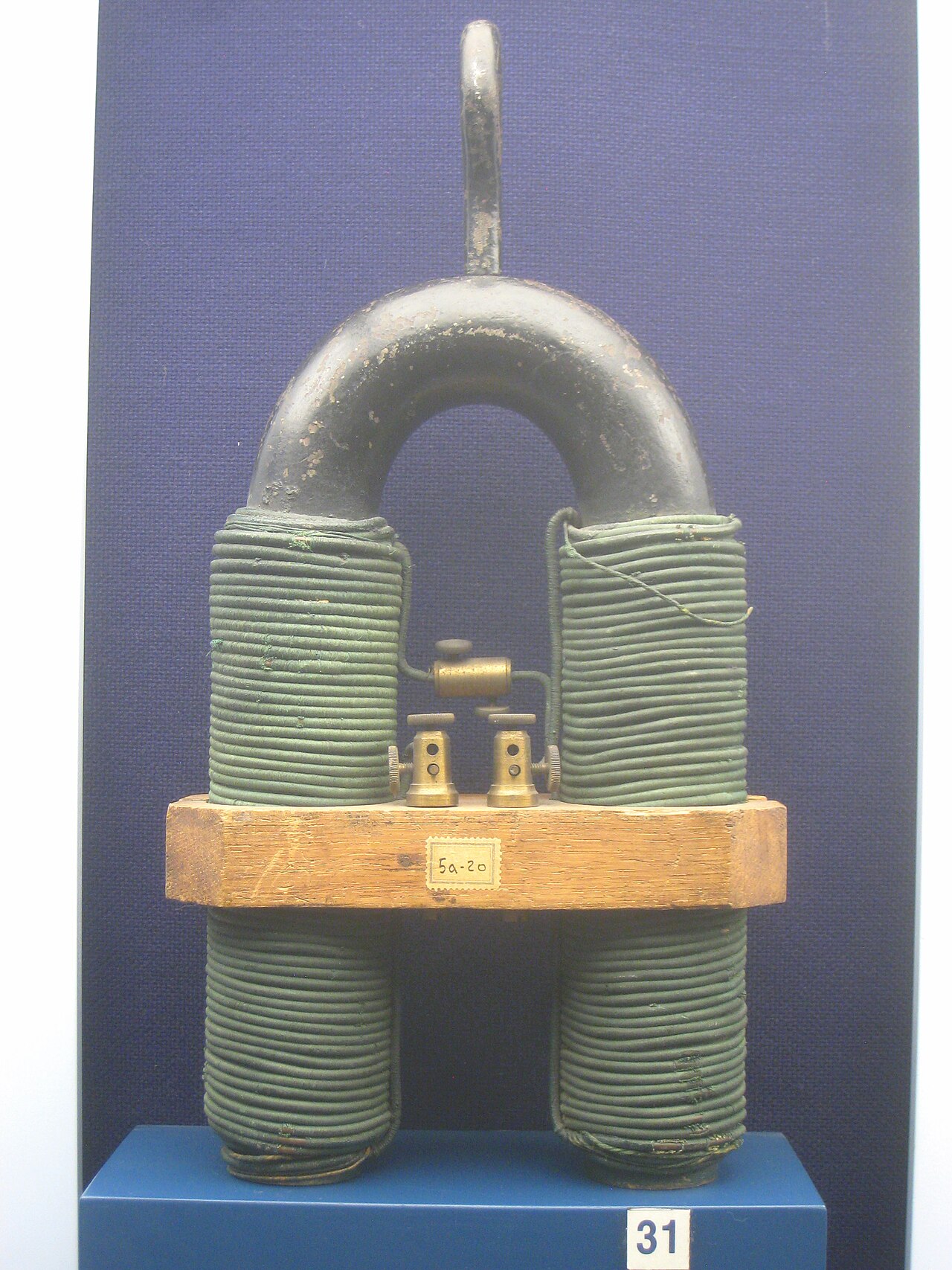
Magnet cores, 1827
Joseph Henry · 1827
Surviving iron cores from electromagnets Joseph Henry built at Albany Academy in 1827, early evidence of his experiments with insulated windings.
These are physical objects made by Henry himself during his early electromagnet experiments.
About this source
What it is
These are two iron magnet cores made by Joseph Henry in 1827, now held in the National Museum of American History. They are the physical remains of his early electromagnet experiments at Albany Academy.
Why it matters
Henry's work on insulated windings improved the strength of electromagnets and laid groundwork for later inventions such as the telegraph and electric motor. These simple surviving objects show how foundational science could be built with everyday materials, and how experimental apparatus from Henry's own hands has been preserved as evidence of his discoveries.
Look closer
- What can a plain object like this tell us that a photograph or document cannot?
- Why might museums keep worn, simple objects like these rather than only finished inventions?
- What questions would you want to ask about how these cores were originally used?
This artifact is part of the curated material that grounds the AI version of Joseph Henry on Humy.ai — when students ask about related events, the AI can quote it and cite it.
More Joseph Henry sources
Browse all 69 →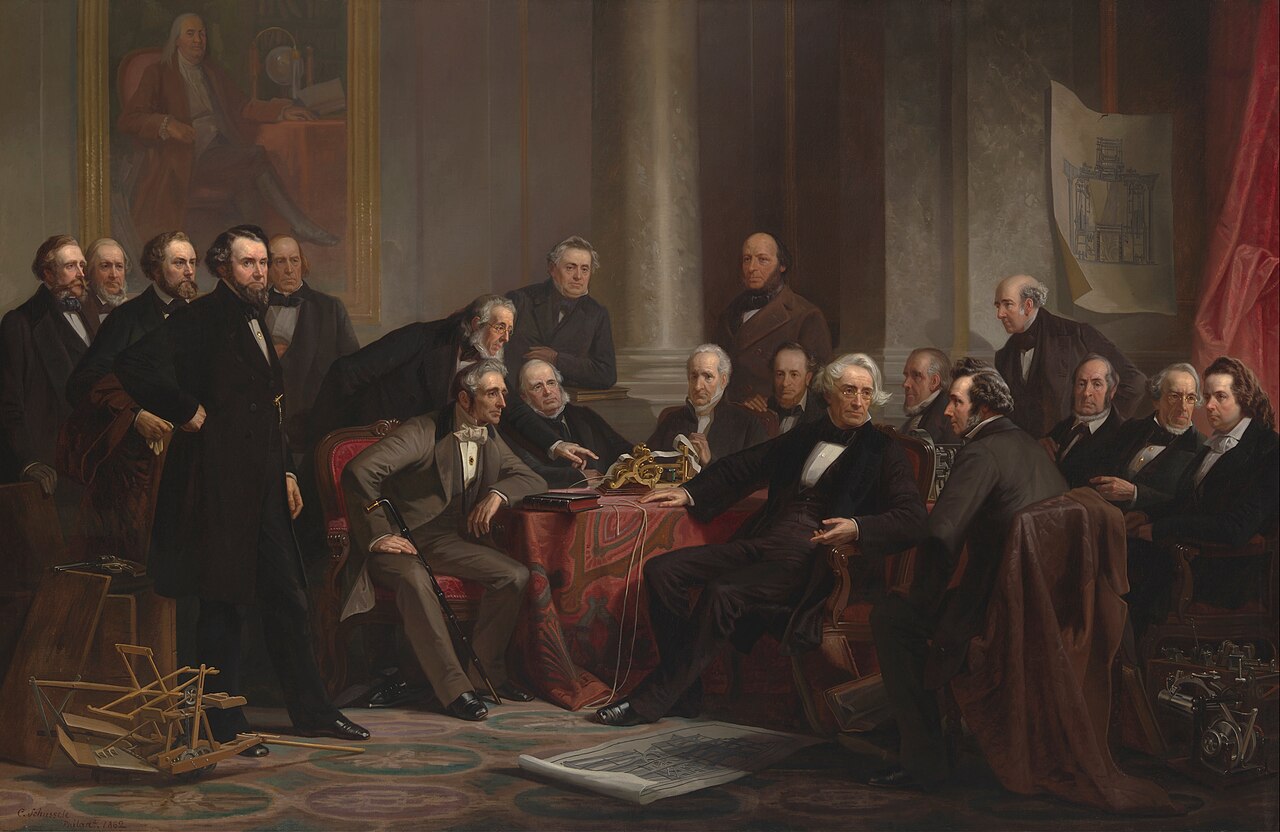 Painting
Secondary source
Men of Progress
Christian Schussele · 1862
 Photograph
Primary source
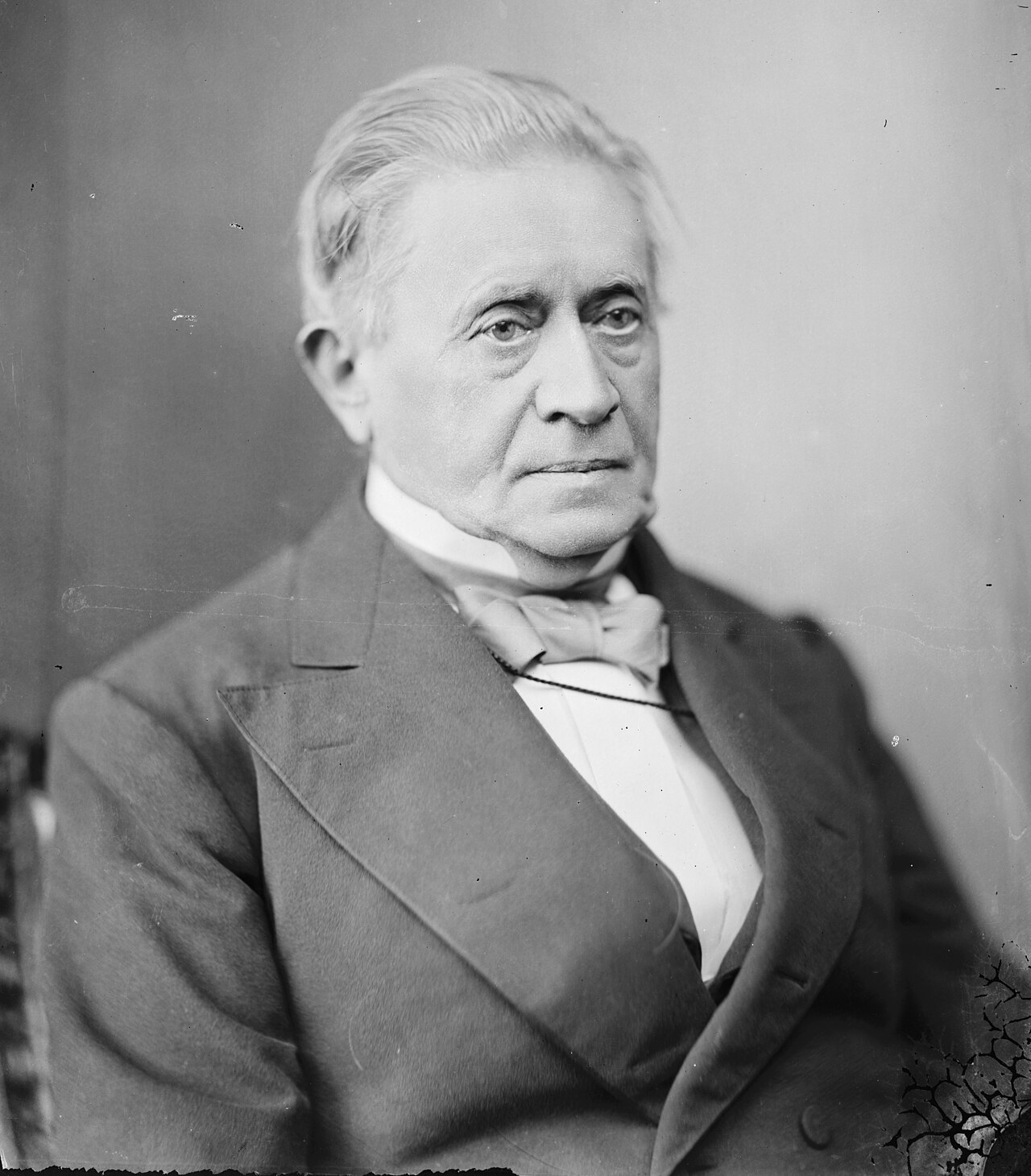
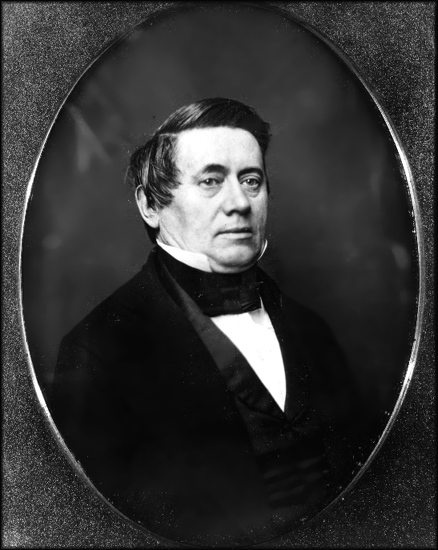
Joseph Henry - Brady-Handy
Mathew Brady or Levin Handy
 Artifact
Primary source
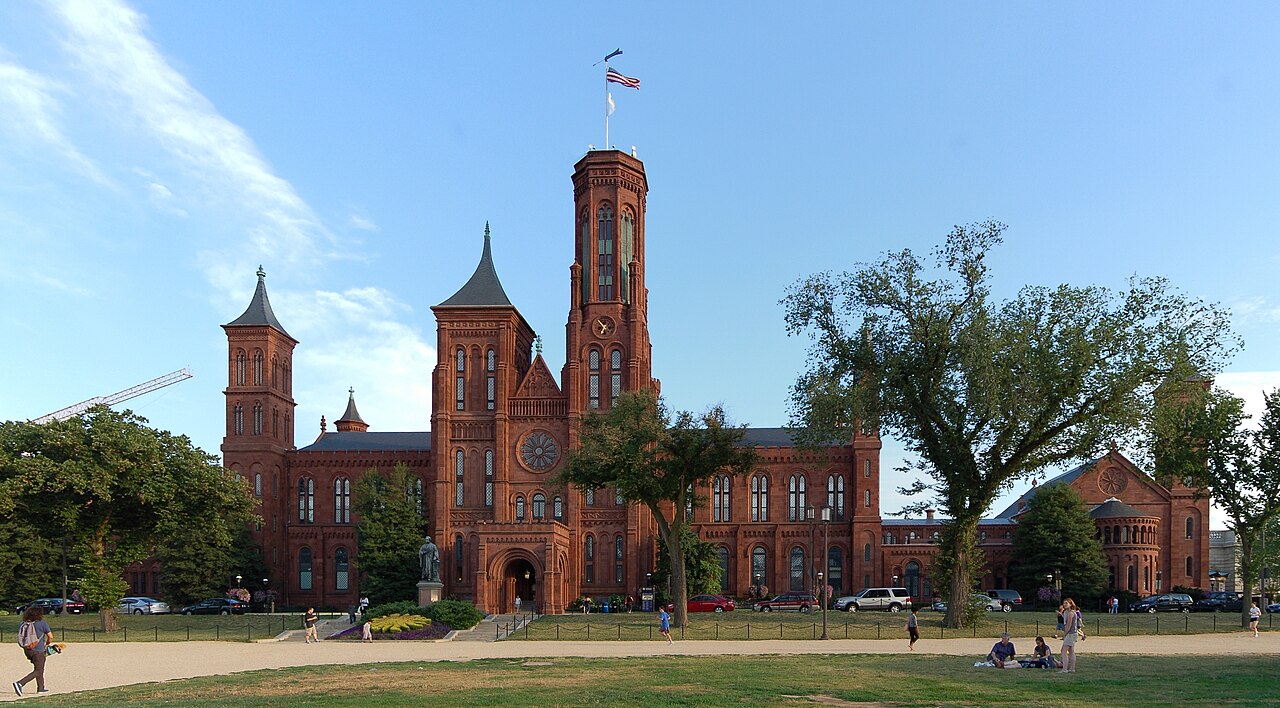
Smithsonian Institution Building
James Renwick Jr. · 1849
 Painting
Primary source
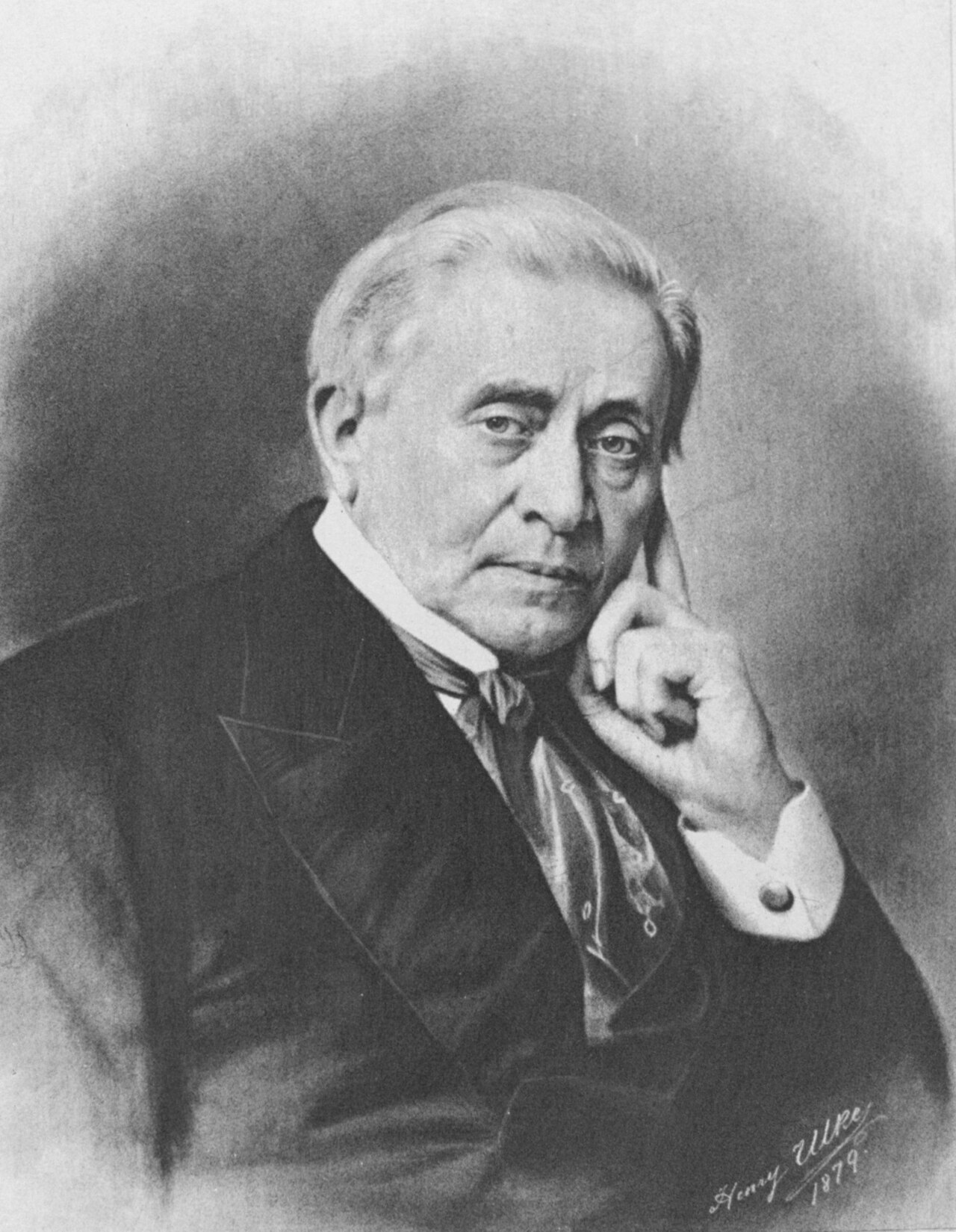
Joseph Henry (1879)
Henry Ulke · 1879
Free account
Browse every Joseph Henry source
Sign up free →
Ready when you are
Start chatting with Joseph Henry now.
20 messages free · No credit card · Available in 50+ languages.