


Primary sourcePainting1832
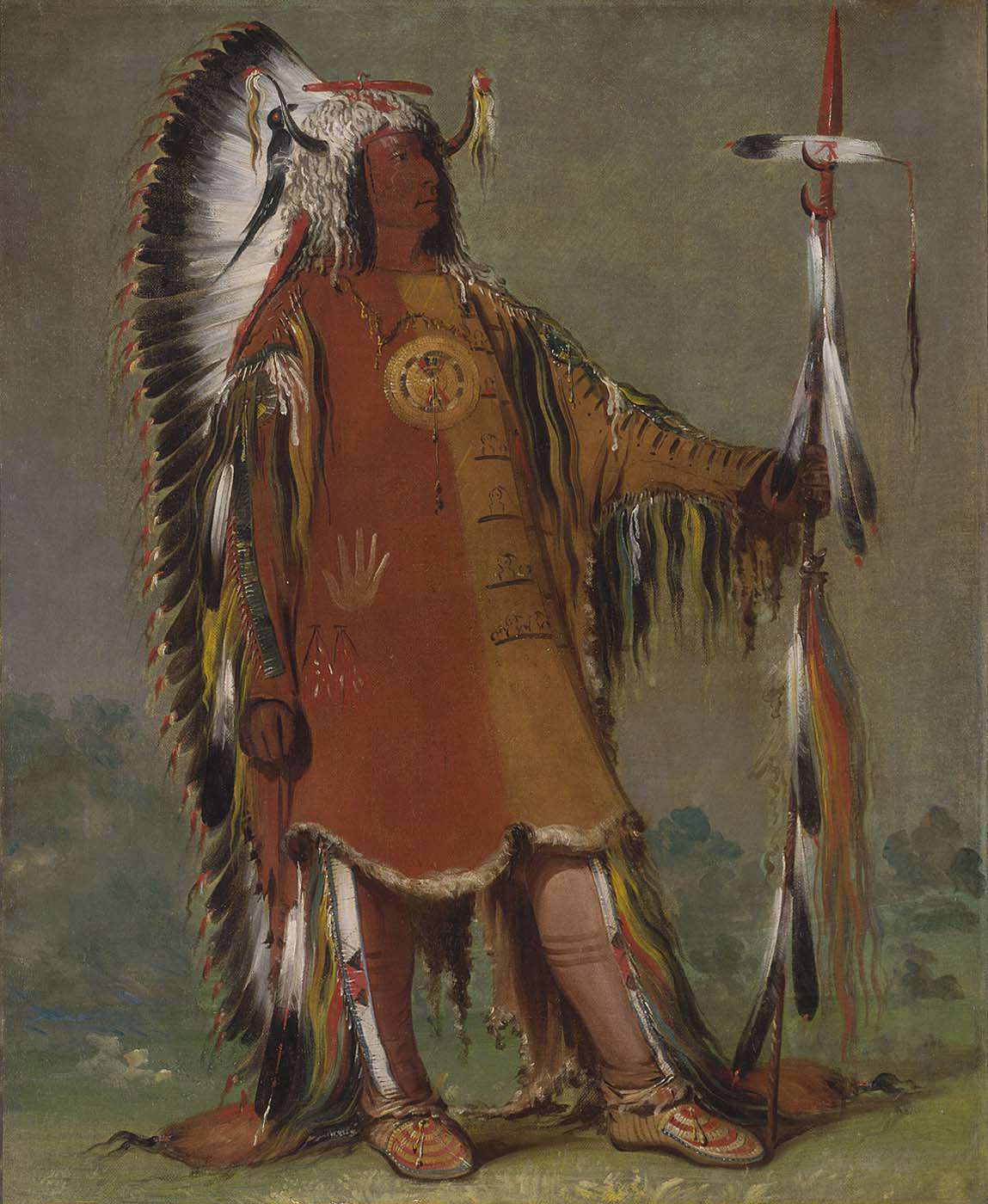
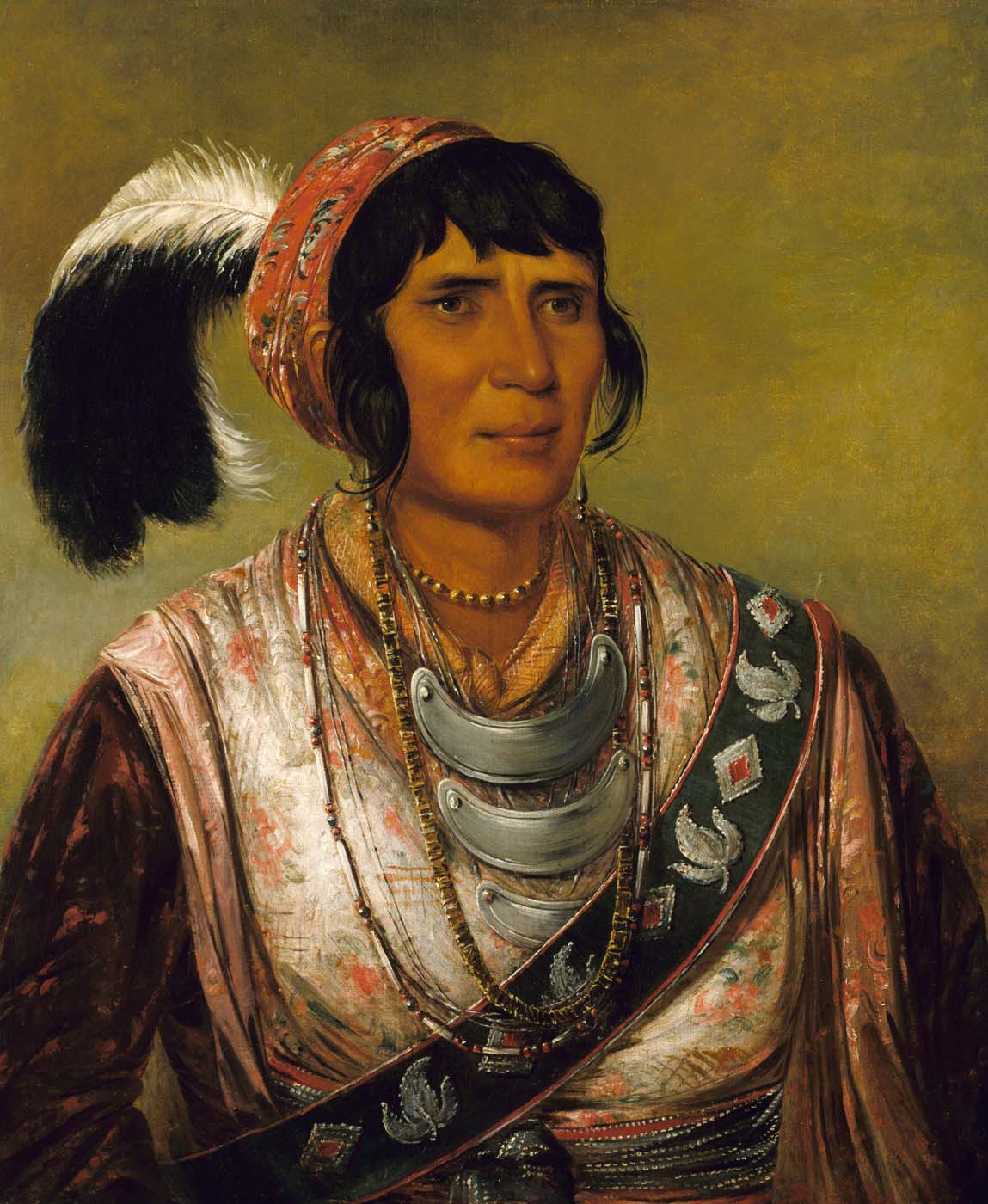
Máh-to-tóh-pa, Four Bears, Second Chief, in Full Dress
George Catlin · 1832
Catlin's portrait of the Mandan chief Four Bears, painted before smallpox devastated the Mandan people.
Painted by Catlin from life, documenting a Mandan leader he knew personally before his people were devastated by disease.
About this source
What it is
This 1832 painting by George Catlin shows Máh-to-tóh-pa (Four Bears), second chief of the Mandan, in full ceremonial dress. It is held by the Smithsonian American Art Museum.
Why it matters
Catlin became friends with Four Bears during his travels. Because the Mandan people were nearly destroyed by a smallpox epidemic in 1837, this portrait is one of the few lasting records of Mandan leadership and culture before that loss, making it historically irreplaceable.
Look closer
- What does the detail in the headdress and robe tell you about Mandan ceremonial dress?
- Why might this portrait matter more today than when it was painted?
- What is missing from a single painted portrait of a whole community's history?
This painting is part of the curated material that grounds the AI version of George Catlin on Humy.ai — when students ask about related events, the AI can quote it and cite it.
More George Catlin sources
Meet the AI George Catlin →Secondary source
Letters and Notes on the Manners, Customs, and Condition of the North American Indians
George Catlin · 1841
 Painting
Primary source
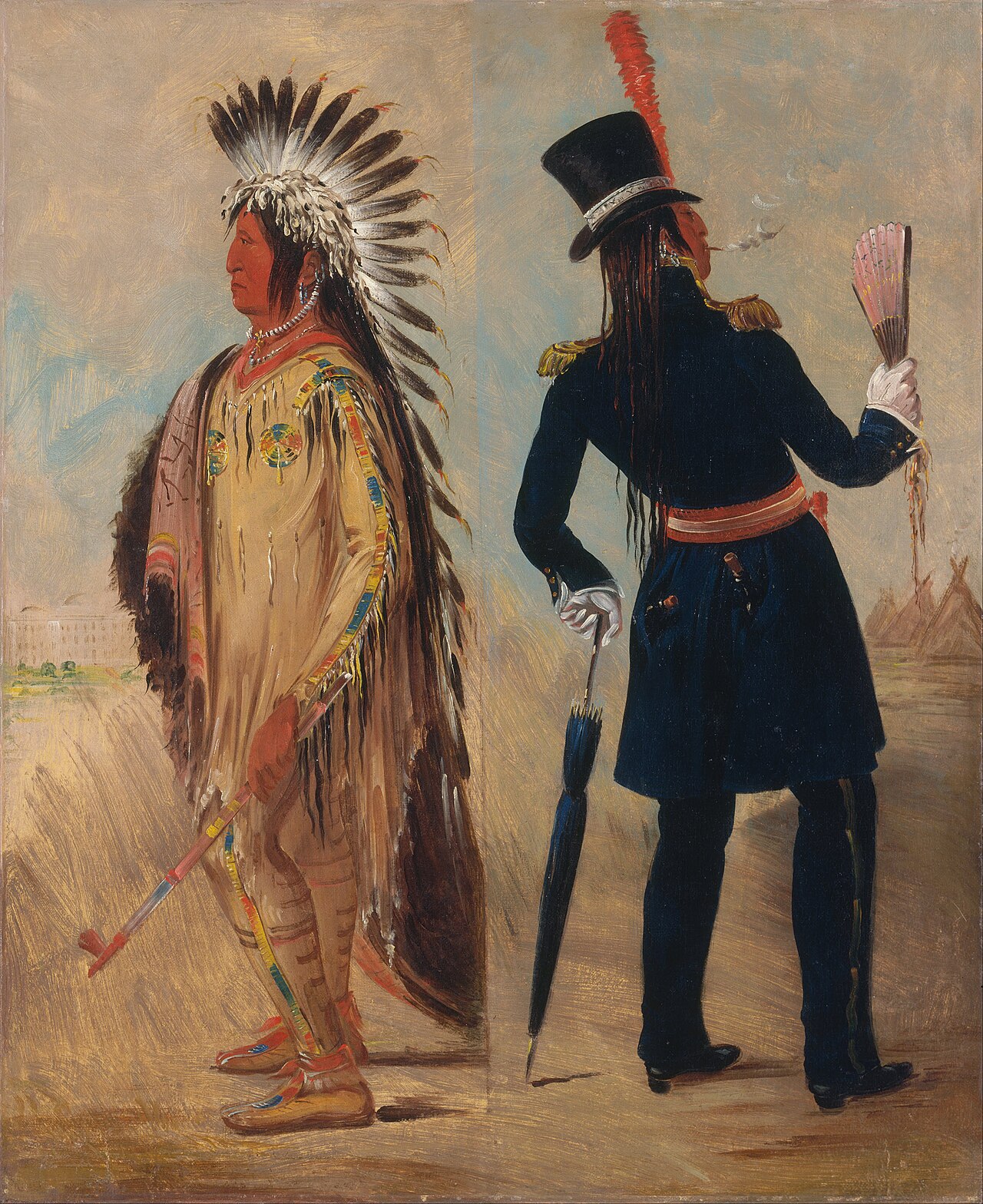
Wi-jún-jon, Pigeon's Egg Head, Going To and Returning From Washington
George Catlin · 1837
 Painting
Primary source
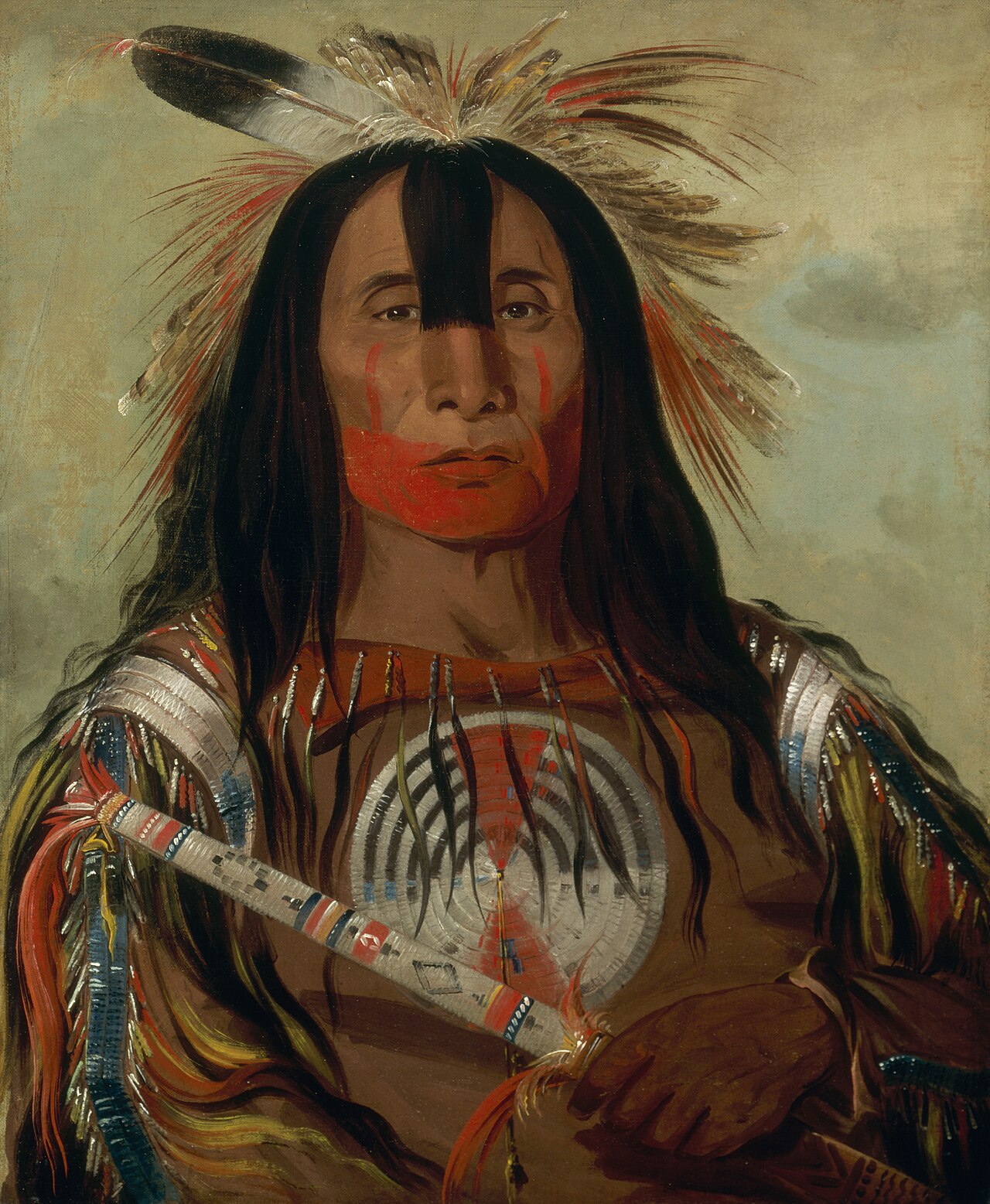
Stu-mick-o-súcks, Buffalo Bull's Back Fat, Head Chief, Blood Tribe
George Catlin · 1832
 Painting
Primary source
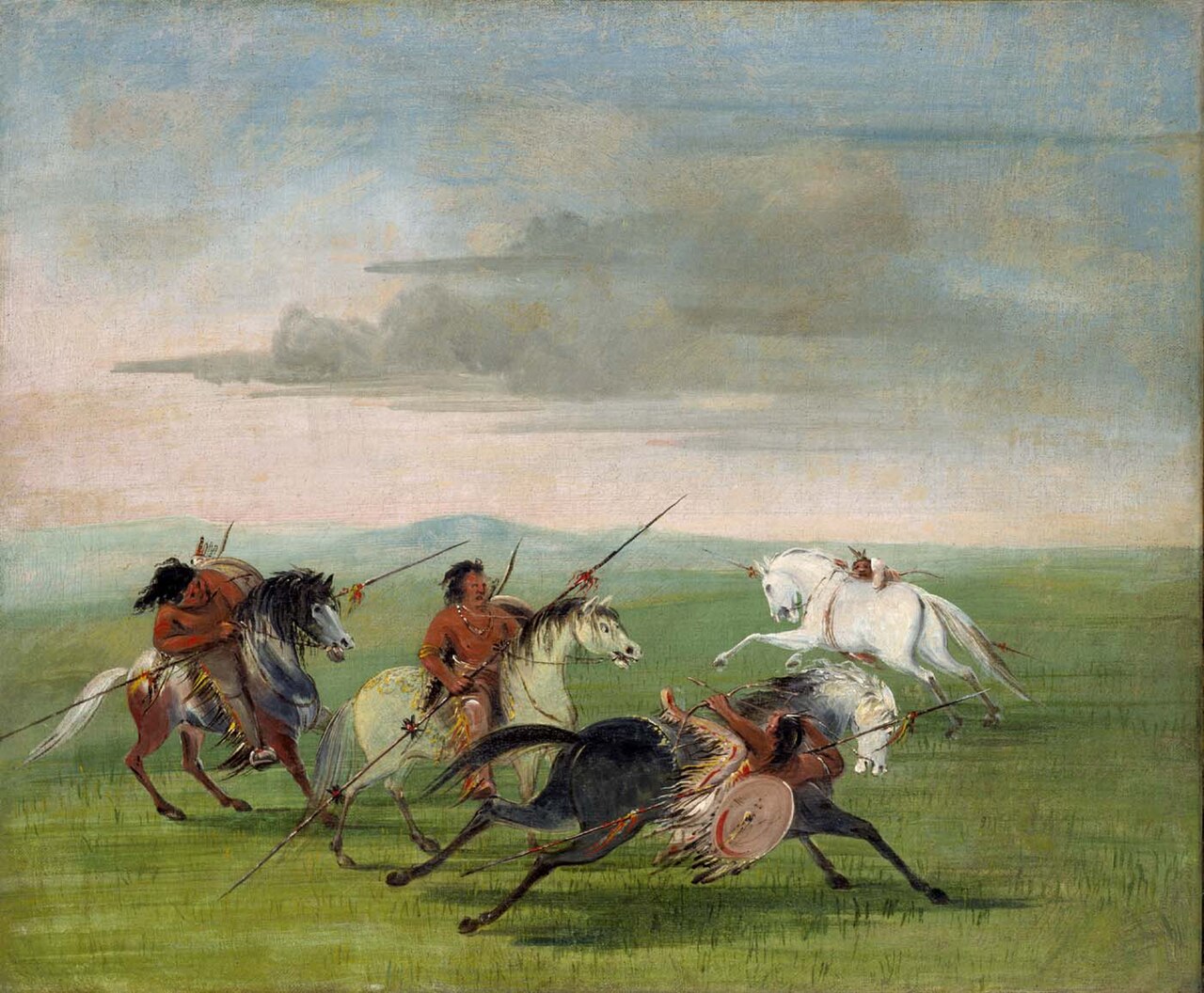
Comanche Feats of Horsemanship
George Catlin · 1834
 Painting
Primary source
Os-ce-o-lá, The Black Drink, a Warrior of Great Distinction
George Catlin · 1838
Ready when you are
Start chatting with George Catlin now.
20 messages free · No credit card · Available in 50+ languages.