


Primary sourceArtifact1838
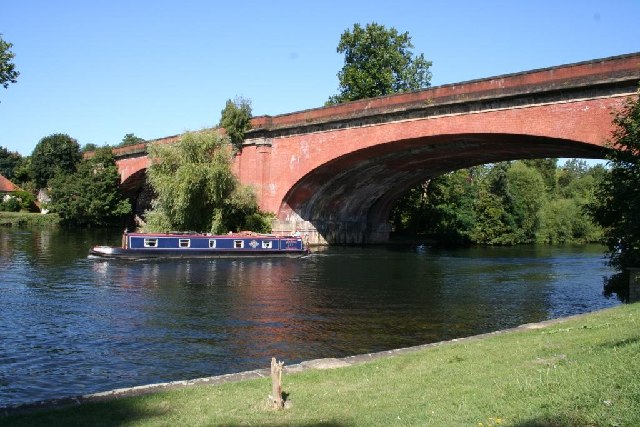
Maidenhead Railway Bridge
Isambard Kingdom Brunel · 1838
A brick railway bridge over the Thames designed by Brunel, famous for having the flattest arches ever built.
Brunel designed this daring, flat-arched bridge, which sceptics predicted would collapse but which has survived to this day.
About this source
What it is
Maidenhead Railway Bridge carries the Great Western Main Line over the River Thames between Maidenhead and Taplow. Designed by Isambard Kingdom Brunel and completed in 1838, it has two wide, very flat brick arches, each with a span of 128 feet and a rise of only 24 feet.
Why it matters
Critics doubted the bridge's low, flat arches could stand, but when a storm destroyed the wooden centring left under them in 1839, the arches held, vindicating Brunel's design. The flat arches let Brunel keep the railway's gentle gradient, which he believed improved passenger comfort and train speed. The bridge later became the subject of J. M. W. Turner's famous painting of a train crossing it.
Look closer
- Why was it important to Brunel that the bridge's arches be so flat?
- What evidence in the facts shows people doubted the design would survive?
- How does a bridge like this reveal priorities of the railway age, such as speed and economy?
This artifact is part of the curated material that grounds the AI version of Isambard Kingdom Brunel on Humy.ai — when students ask about related events, the AI can quote it and cite it.
More Isambard Kingdom Brunel sources
Meet the AI Isambard Kingdom Brunel →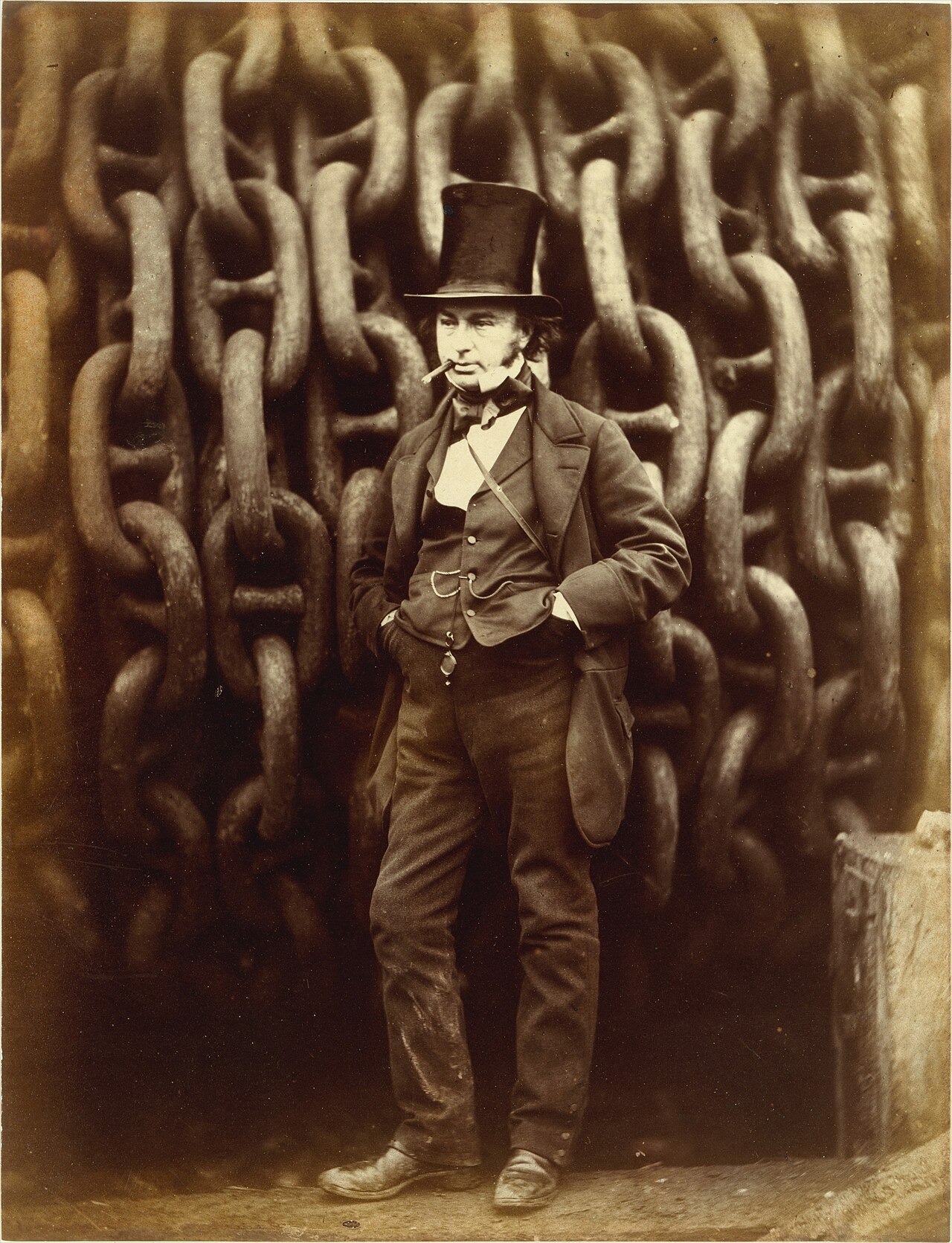 Photograph
Primary source
Isambard Kingdom Brunel Standing Before the Launching Chains of the Great Eastern
Robert Howlett · November 1857
 Artifact
Primary source
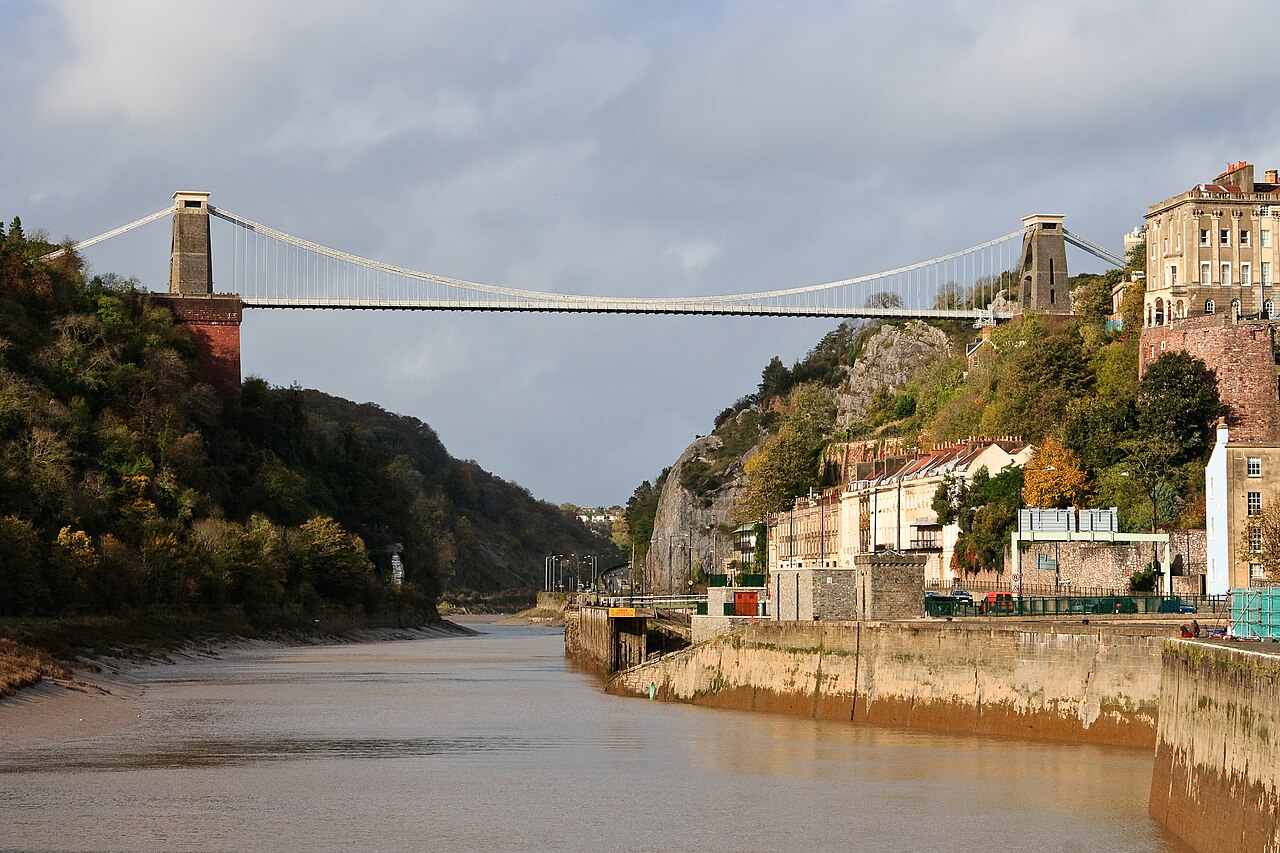
Clifton Suspension Bridge
William Henry Barlow and John Hawkshaw, after a design by Isambard Kingdom Brunel · 1864 (completed)
 Artifact
Primary source
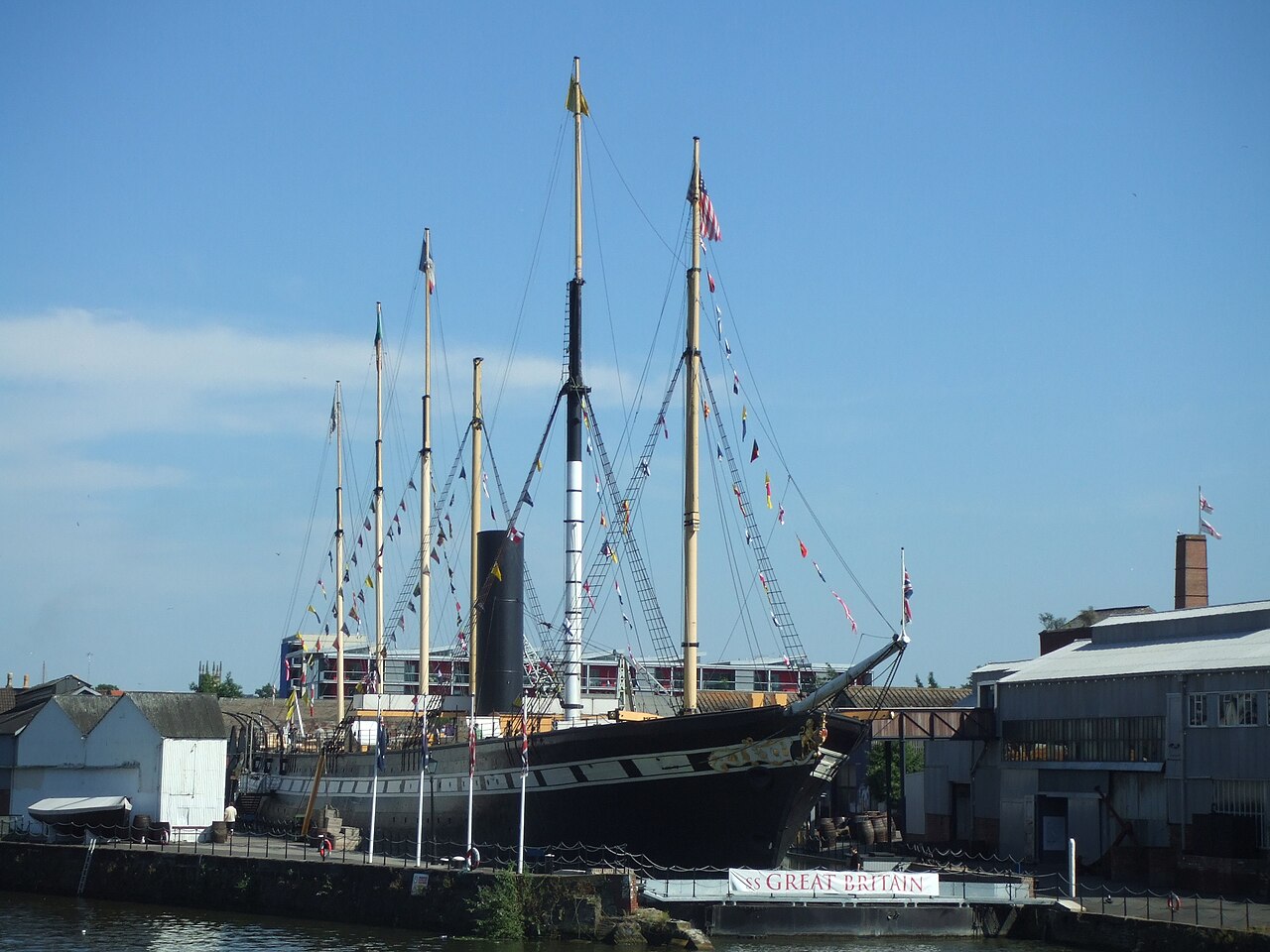
SS Great Britain
Isambard Kingdom Brunel · 1843 (launched)
 Artifact
Primary source
Thames Tunnel
Marc Brunel, with Isambard Kingdom Brunel as resident engineer · 1825-1843
 Artifact
Primary source
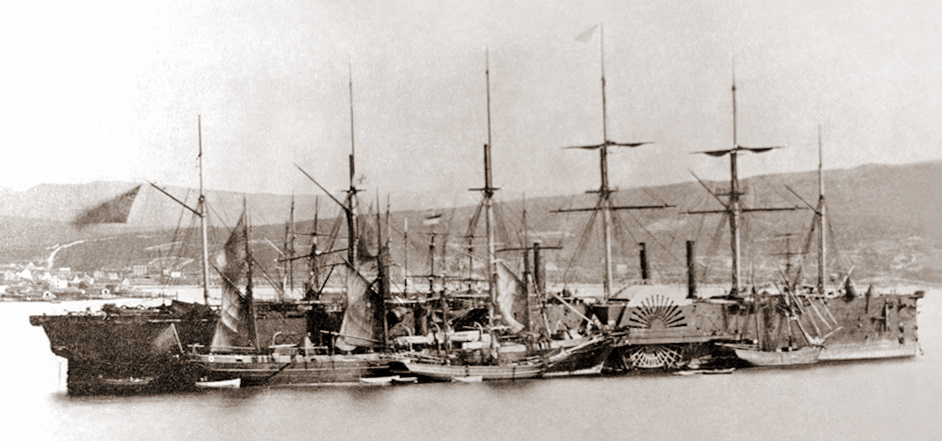
SS Great Eastern
Isambard Kingdom Brunel · 1858 (launched)
Ready when you are
Start chatting with Isambard Kingdom Brunel now.
20 messages free · No credit card · Available in 50+ languages.