


Primary sourceBook1814 (this edition 1816)
Mansfield Park
Jane Austen · 1814 (this edition 1816)
Jane Austen's 1814 novel about Fanny Price, a poor relation raised among wealthy connections whose family fortune is tied to an Antigua plantation.
Austen's third published novel, her most morally serious work and central to debates about her views on slavery and empire.
About this source
What it is
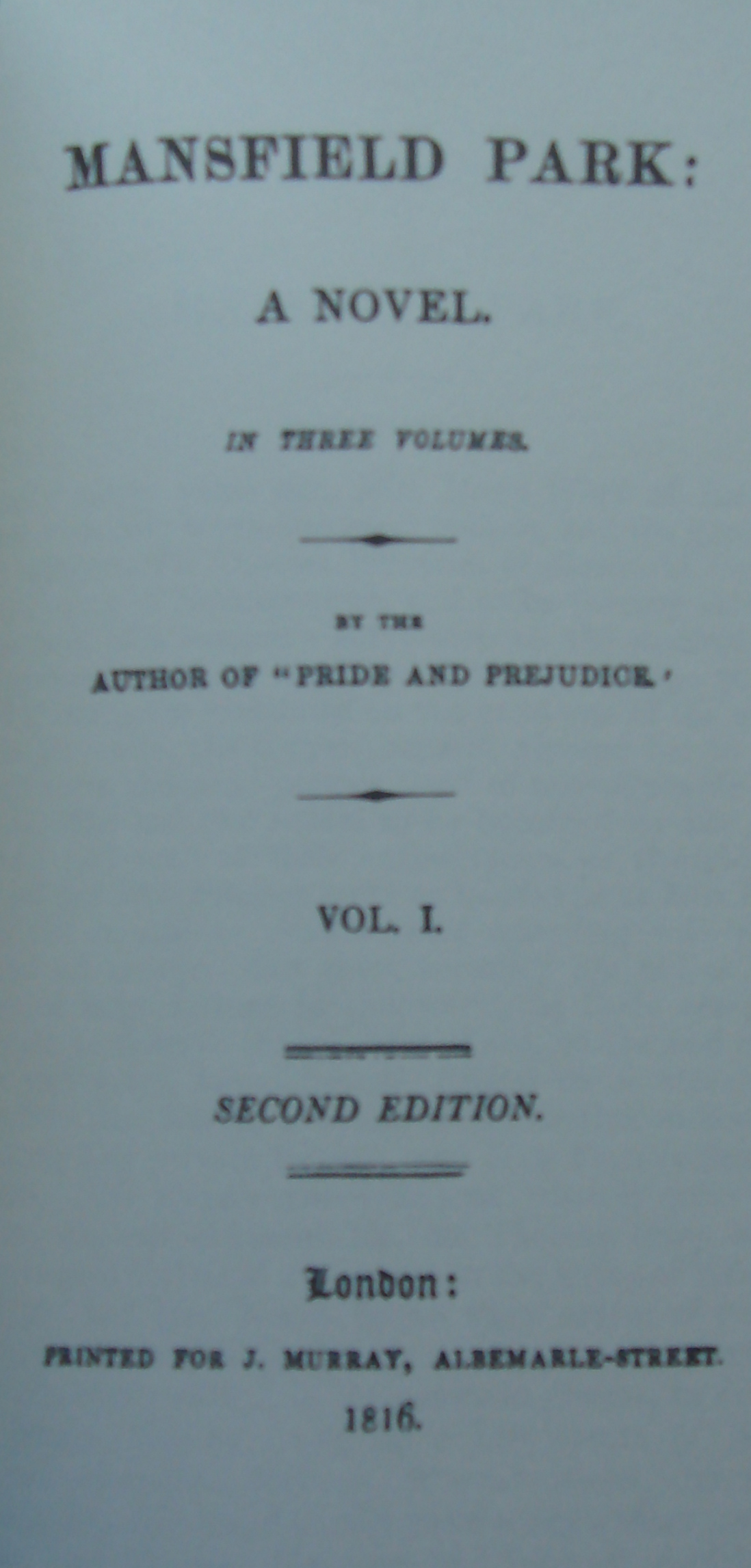
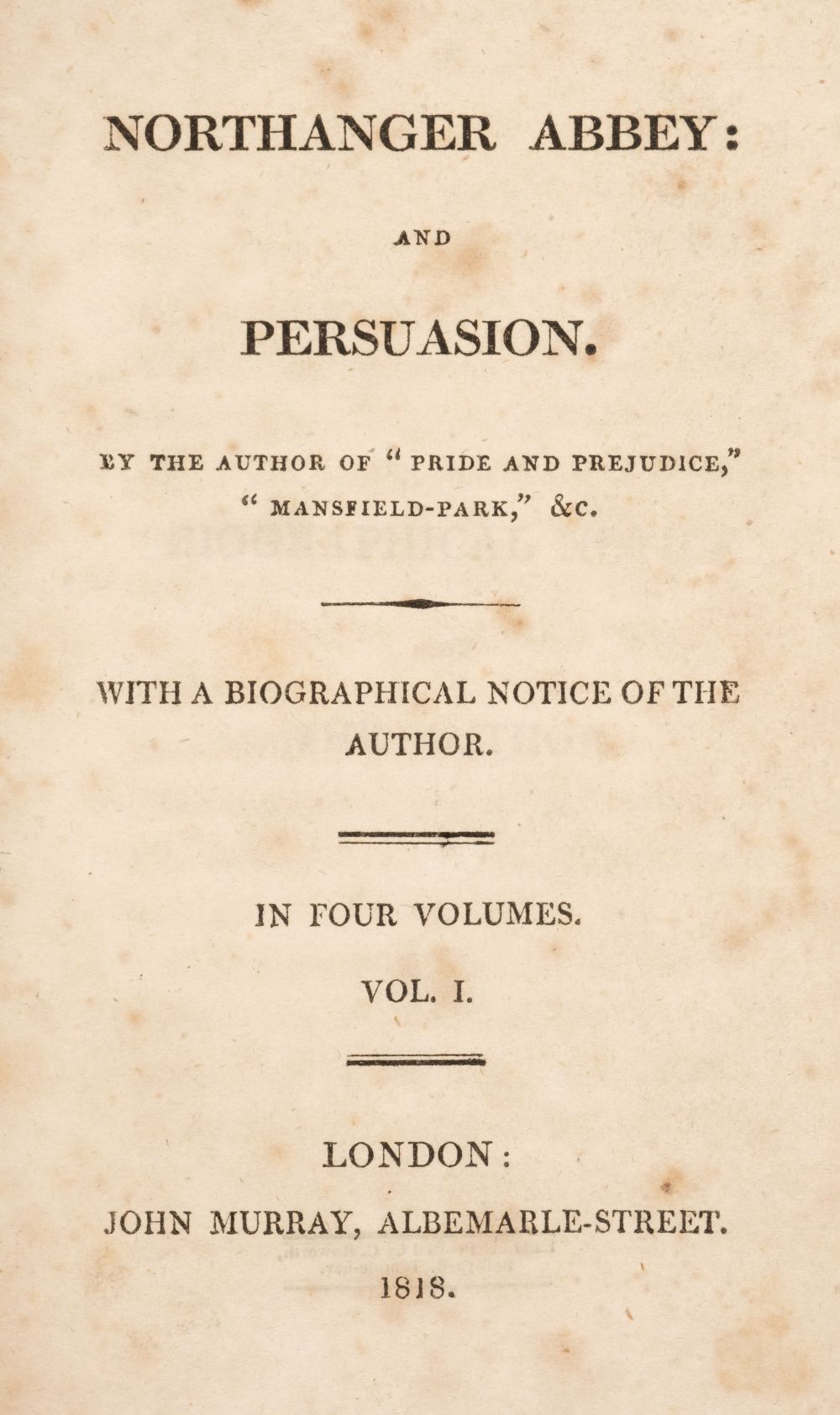
Mansfield Park is the third novel published by Jane Austen, first printed in 1814 by Thomas Egerton, with a second edition in 1816 by John Murray during her lifetime. This item is the title page of that 1816 second edition.
Why it matters
The novel follows Fanny Price as she grows up in the household of her wealthy relatives, the Bertrams, whose fortune depends on a sugar plantation in Antigua worked by enslaved labour. This reference makes the book central to later debates about Austen's awareness of slavery and the British empire. Considered her most morally serious novel, it raises questions about theatre, religion and moral conduct among the gentry.
Look closer
- Why might Sir Thomas's trip to Antigua matter to the story, even though it happens off the page?
- What does Fanny's position in the household, neither fully family nor servant, suggest about class in this period?
- How does the title page present the author, and why might it say "by the author of Pride and Prejudice" rather than her name?
This book is part of the curated material that grounds the AI version of Jane Austen on Humy.ai — when students ask about related events, the AI can quote it and cite it.
More Jane Austen sources
Meet the AI Jane Austen →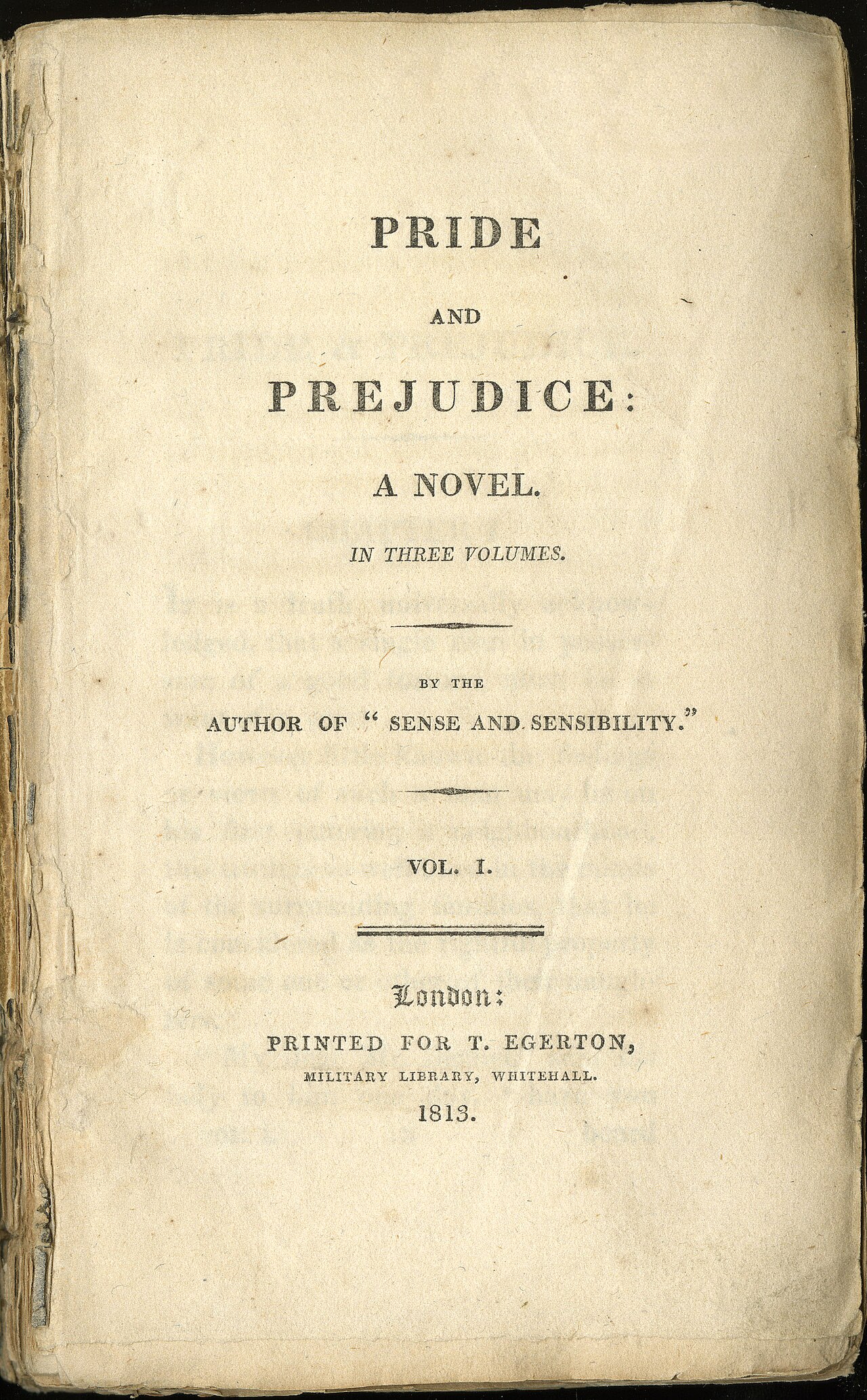
Ready when you are
Start chatting with Jane Austen now.
20 messages free · No credit card · Available in 50+ languages.