


Primary sourceArtifact1896
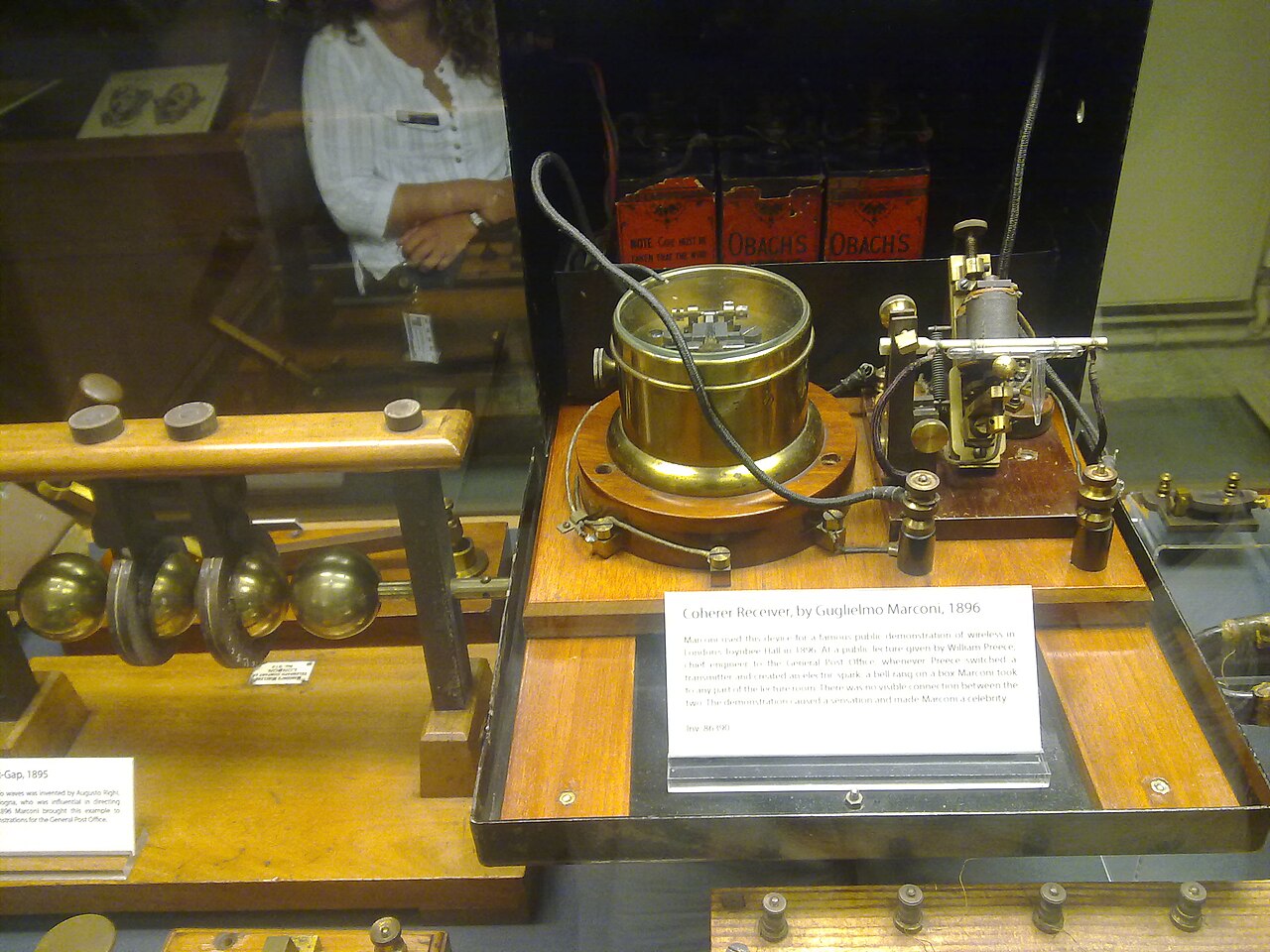
Marconi's Coherer Receiver
Guglielmo Marconi · 1896
Early coherer receiver of the type Marconi built in 1896 and used in his famous Toynbee Hall demonstration.
This coherer receiver, built by Marconi, was central to the 1896 demonstration that launched his public fame.
About this source
What it is
This brass receiver uses a coherer, a glass tube of metal filings, as a detector of radio signals. It was constructed by Guglielmo Marconi in 1896 and is now displayed at the Oxford Museum of the History of Science.
Why it matters
This type of receiver was used in a landmark 1896 public demonstration at Toynbee Hall in London, organised with William Preece, chief engineer of the General Post Office. When Preece created a spark at the transmitter, a bell rang in this box with no visible connection between the two devices, amazing the audience and making Marconi famous almost overnight.
Look closer
- Why do you think this demonstration caused such a sensation in 1896?
- What does the absence of any visible wire suggest to people who had never seen radio before?
- What role did William Preece play alongside Marconi in making this demonstration happen?
This artifact is part of the curated material that grounds the AI version of Guglielmo Marconi on Humy.ai — when students ask about related events, the AI can quote it and cite it.
More Guglielmo Marconi sources
Browse all 92 →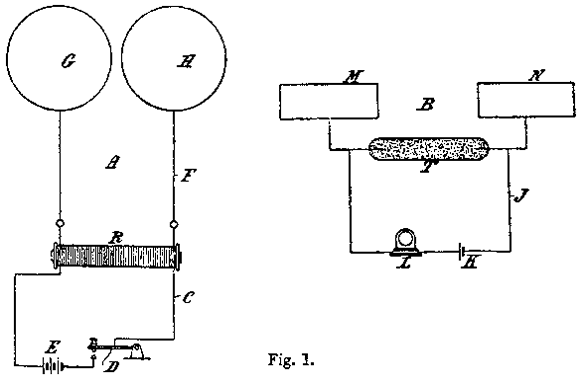 Document
Primary source
1896 Marconi Patent
Guglielmo Marconi · 1896
 Artifact
Primary source
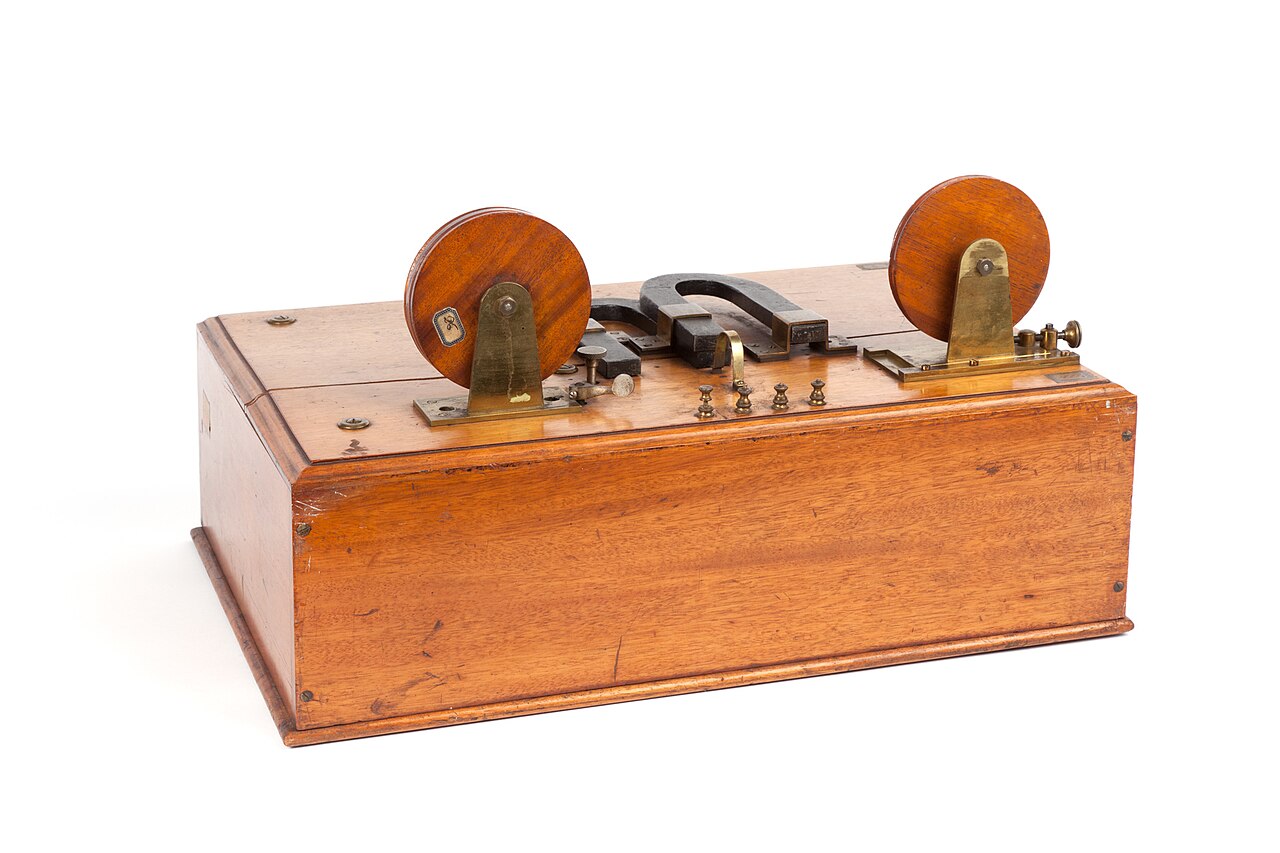
Marconi Magnetic Detector (1902)
Guglielmo Marconi · 1902
 Photograph
Primary source
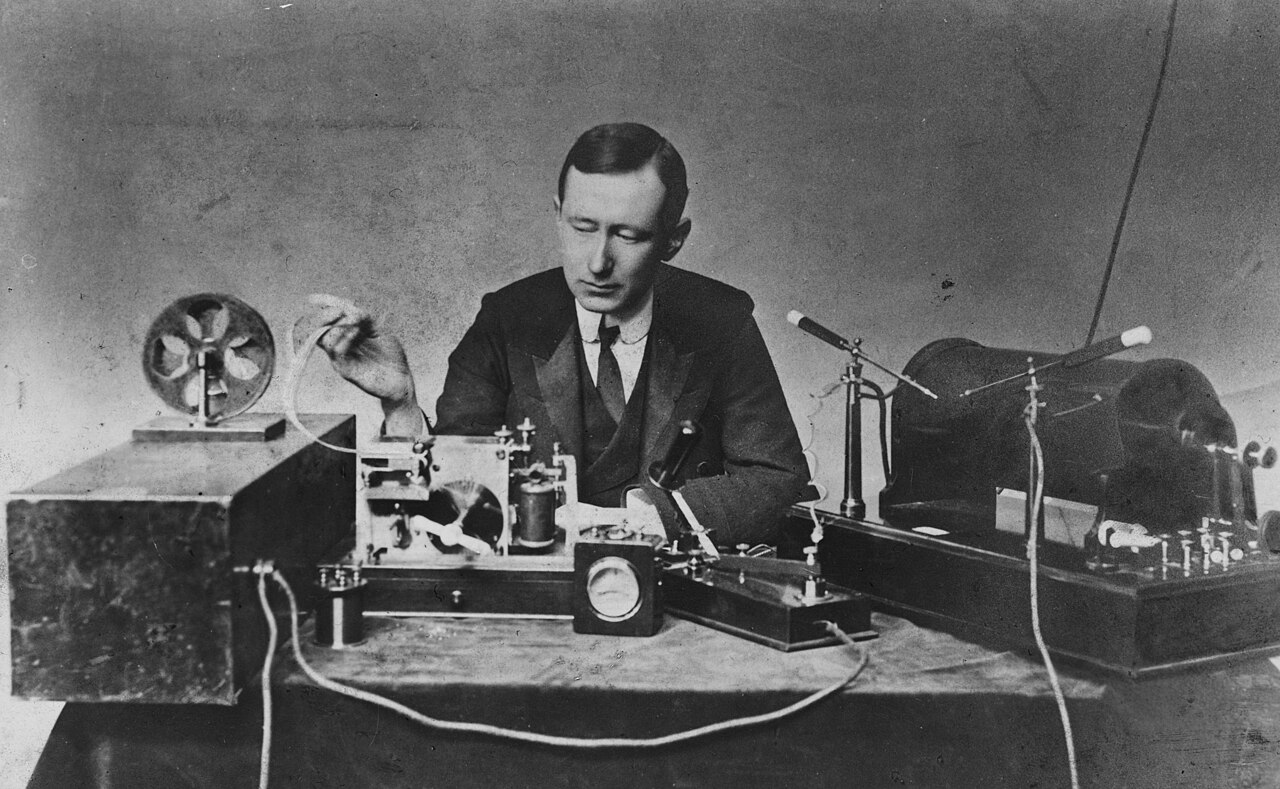
Marconi with Wireless Apparatus, 1901
Published on LIFE · 1901
 Photograph
Primary source
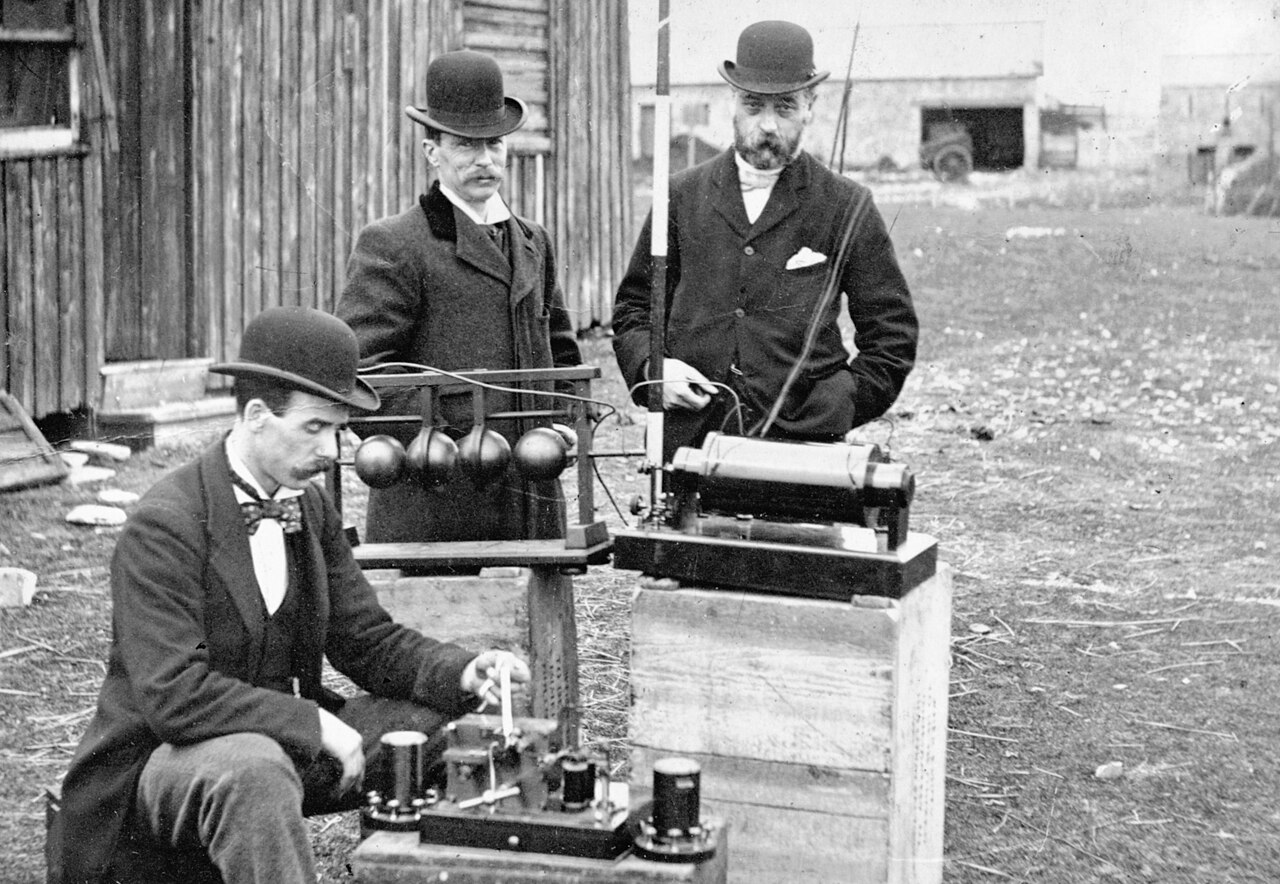
Post Office Engineers Inspect Marconi's Equipment
Cardiff Council Flat Holm Project · 13 May 1897
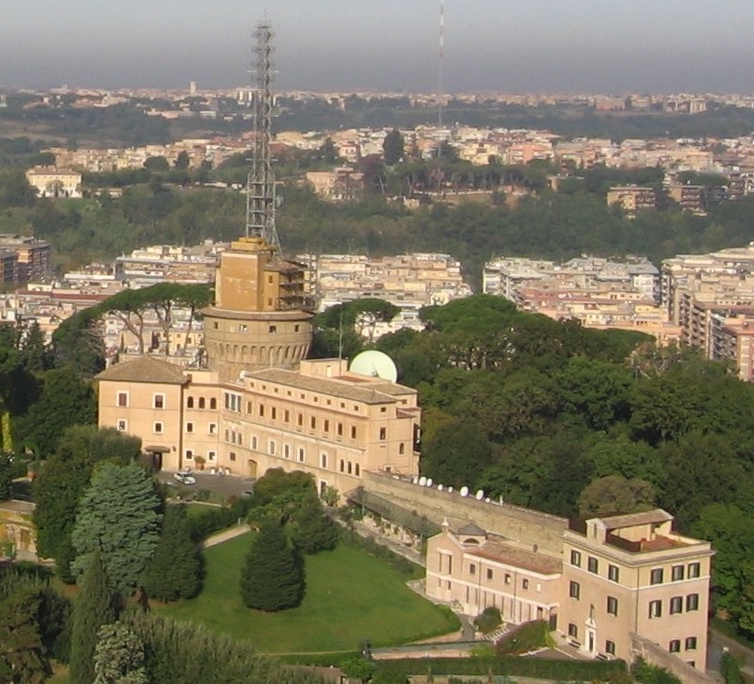
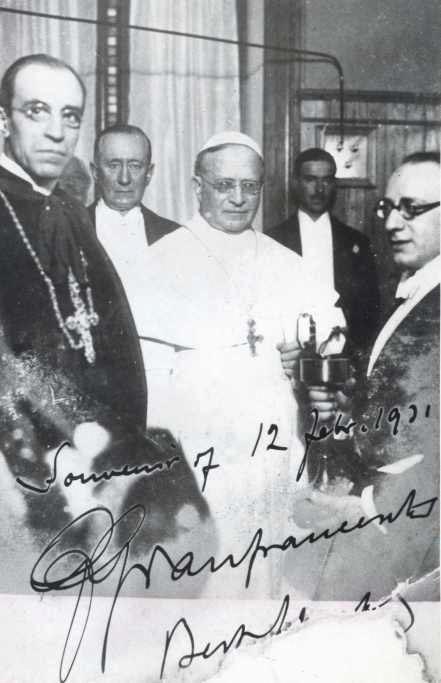
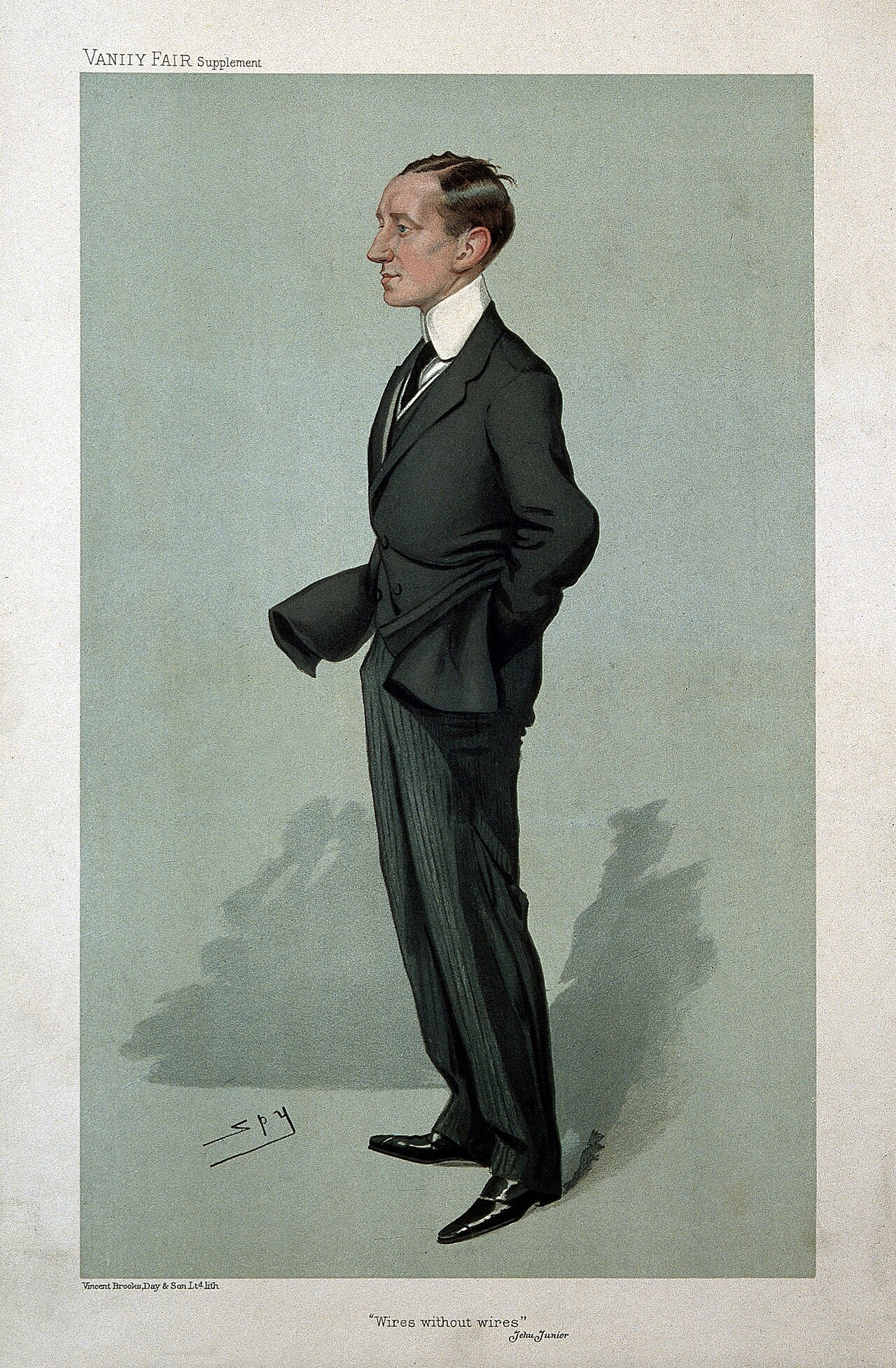
Free account
Read every Guglielmo Marconi source
Sign up free →
Ready when you are
Start chatting with Guglielmo Marconi now.
20 messages free · No credit card · Available in 50+ languages.