


Primary sourceBook1798
Maria: or, The Wrongs of Woman
Mary Wollstonecraft · 1798
Wollstonecraft's unfinished final novel, published after her death, attacking the legal and economic oppression of women through marriage and asylum.
Her unfinished final novel, published posthumously, reflecting her most radical feminist arguments.
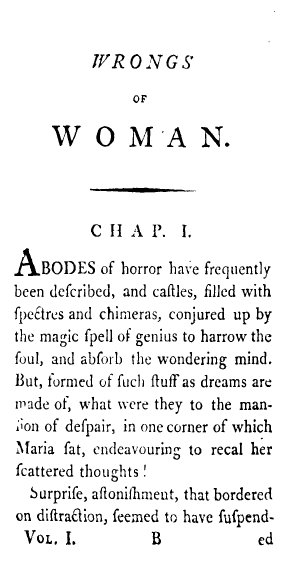
About this source
What it is
This is Mary Wollstonecraft's unfinished novel, written as a fictional sequel to her Vindication of the Rights of Woman. She left it incomplete at her death in 1797, and it was published that year by her husband William Godwin, who added some sentences to connect unfinished sections.
Why it matters
The novel follows a woman imprisoned in an asylum by her husband and her friendship with a poor servant, using their stories to criticise marriage law and the treatment of women in Britain. Wollstonecraft researched it more carefully than her other works, even visiting an asylum. It is often seen as her most radical feminist text, though it was unpopular at first partly because of scandal around Godwin's memoir of her life.
Look closer
- Why might Wollstonecraft have chosen fiction, rather than argument, to make her case about women's oppression?
- What does it mean that the book was left unfinished and completed by someone else?
- What might the title page and old printed type tell you about how books were made in 1798?
This book is part of the curated material that grounds the AI version of Mary Wollstonecraft on Humy.ai — when students ask about related events, the AI can quote it and cite it.
More Mary Wollstonecraft sources
Meet the AI Mary Wollstonecraft →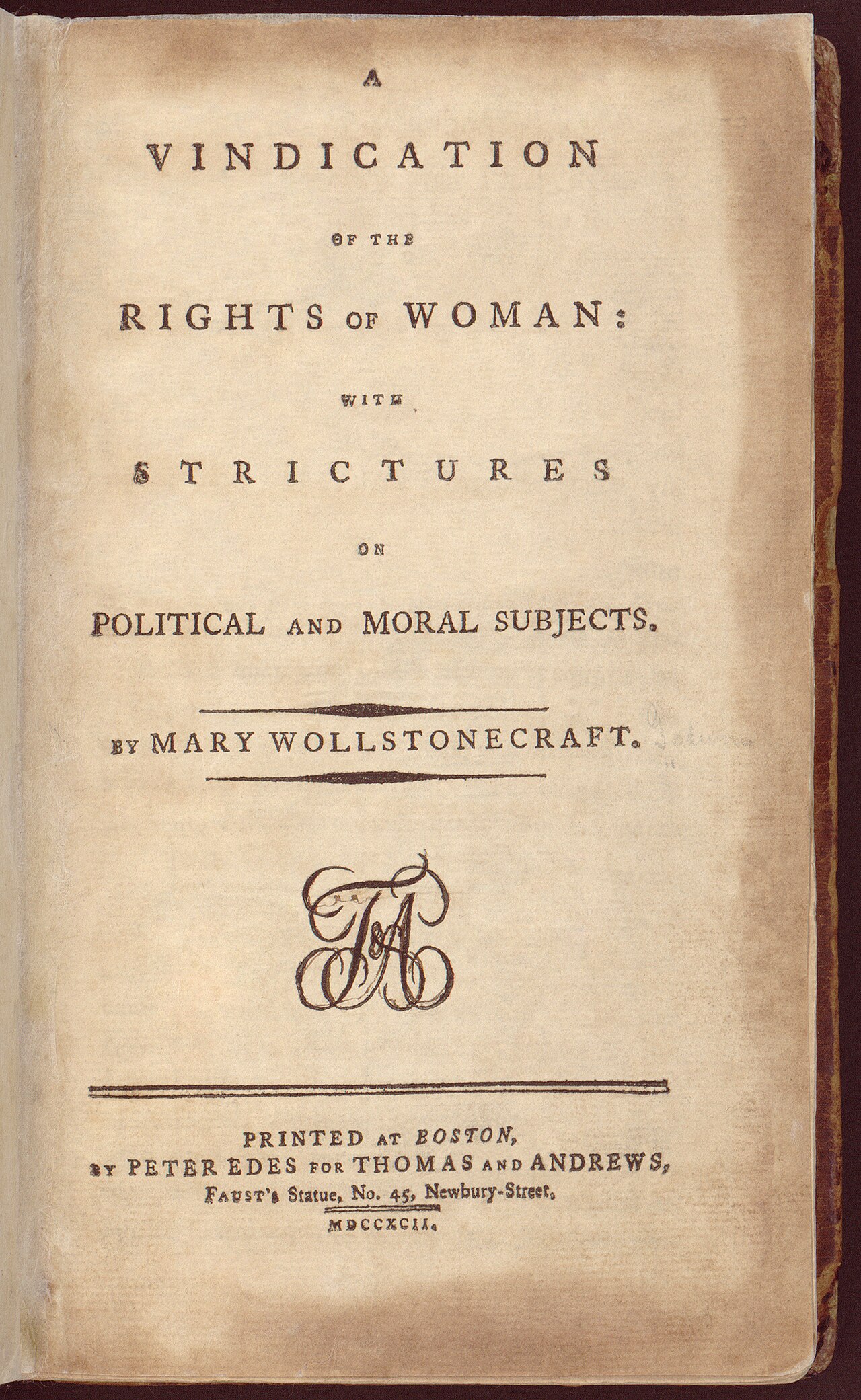 Book
Primary source
A Vindication of the Rights of Woman
Mary Wollstonecraft · 1792
Primary source
A Vindication of the Rights of Men
Mary Wollstonecraft · 1790
 Painting
Primary source
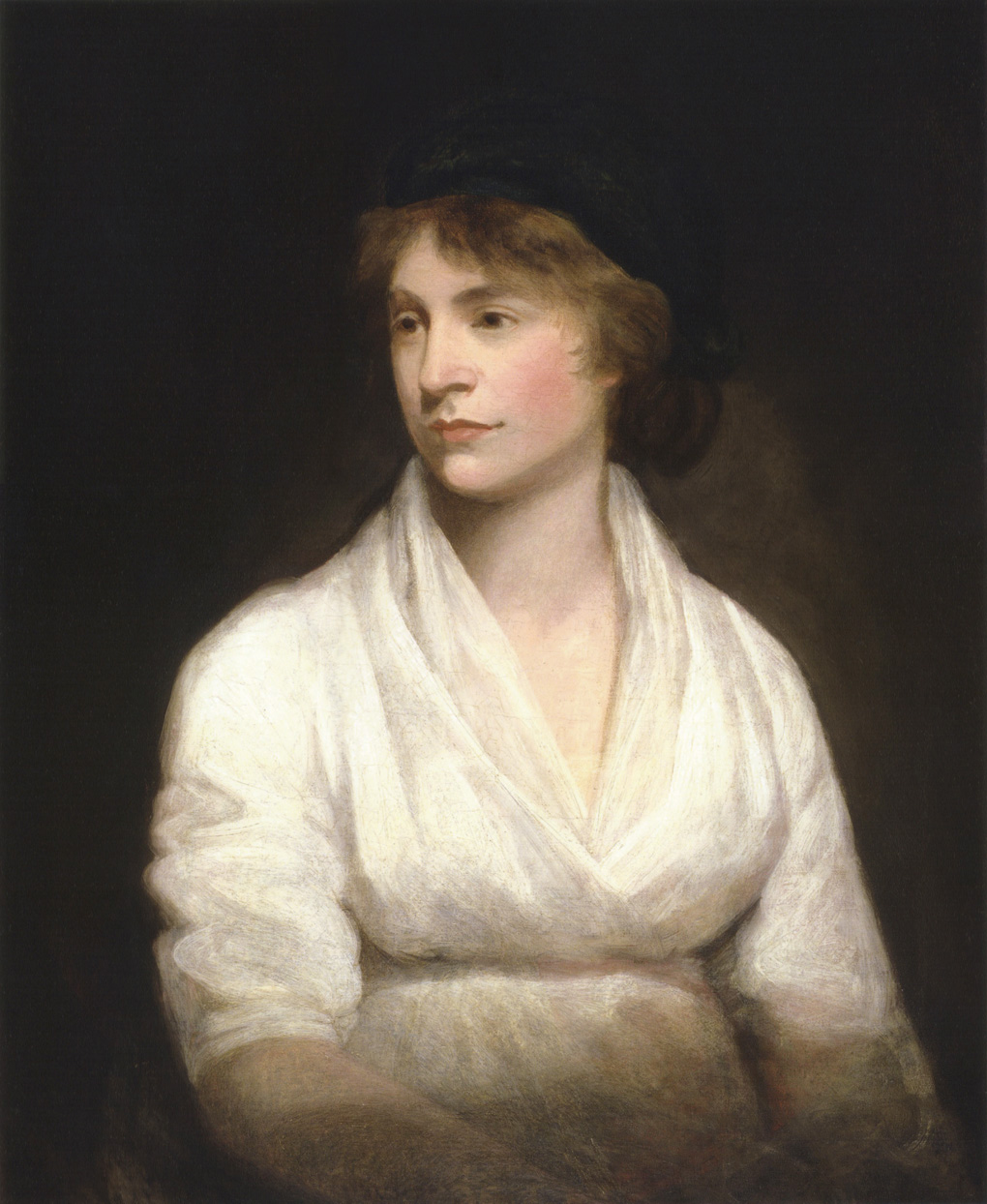
Mary Wollstonecraft
John Opie · 1797
 Book
Primary source
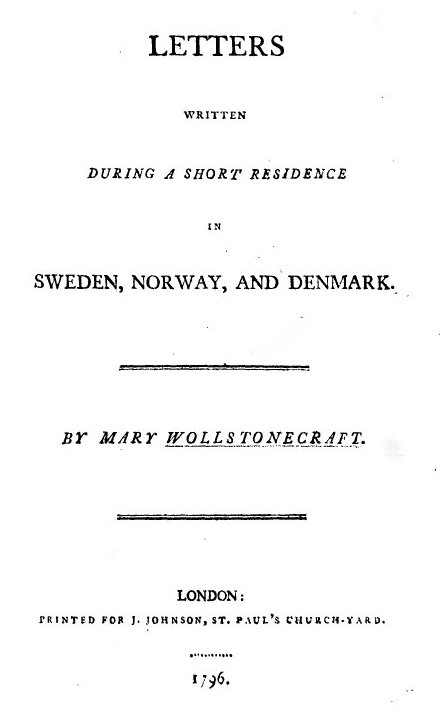
Letters Written During a Short Residence in Sweden, Norway, and Denmark
Mary Wollstonecraft · 1796
Primary source
Memoirs of the Author of A Vindication of the Rights of Woman
William Godwin · 1798
Ready when you are
Start chatting with Mary Wollstonecraft now.
20 messages free · No credit card · Available in 50+ languages.