


Secondary sourcePainting1794
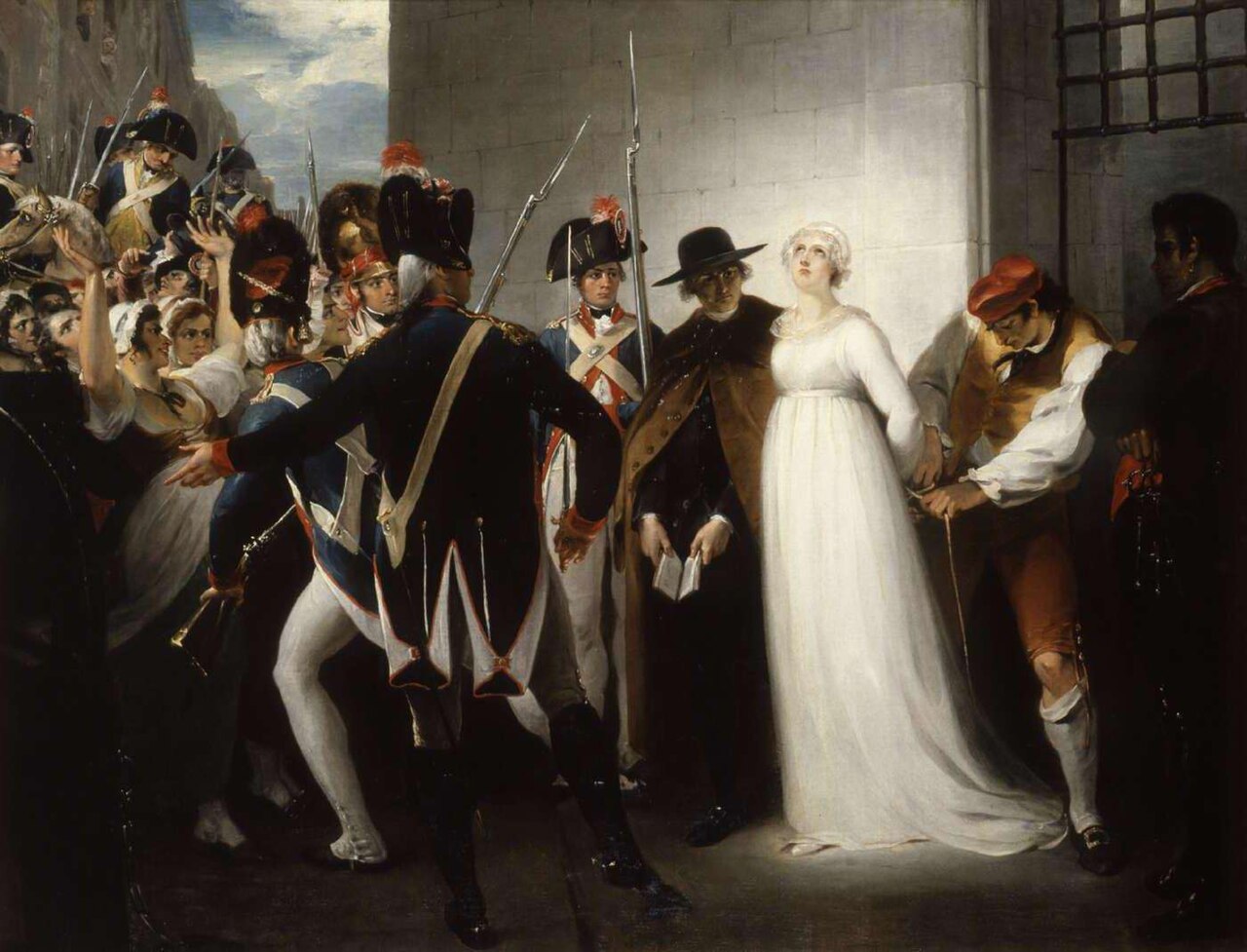
Marie Antoinette Being Taken to Her Execution
William Hamilton · 1794
An oil painting by British artist William Hamilton depicting Marie Antoinette being led to the guillotine on 16 October 1793.
Depicts Marie Antoinette's final journey to execution, shaping a sympathetic foreign image of her death.
About this source
What it is
This is an oil-on-canvas history painting by the British artist William Hamilton, made in 1794. It shows Marie Antoinette being taken to her execution on 16 October 1793, bound by the executioner Charles-Henri Sanson while a priest stands beside her and soldiers hold back the crowd. It is held today by the Musée de la Révolution française in Vizille.
Why it matters
Painted in Britain just a year after the event, while Britain and the French Republic were at war, the painting reflects a sympathetic foreign view of the queen's death. Marie Antoinette is dressed in white, a colour linked to martyrdom, and shown with dignity, which reveals how quickly her image was reshaped from hated queen to tragic victim outside France.
- Why might a British painter choose to show the queen as dignified and innocent rather than guilty?
- What does the use of light and colour around her suggest about how the artist wanted viewers to feel?
- What is left out of this scene that a French revolutionary painter might have included instead?
This painting is part of the curated material that grounds the AI version of Marie Antoinette on Humy.ai — when students ask about related events, the AI can quote it and cite it.
More Marie Antoinette sources
Meet the AI Marie Antoinette →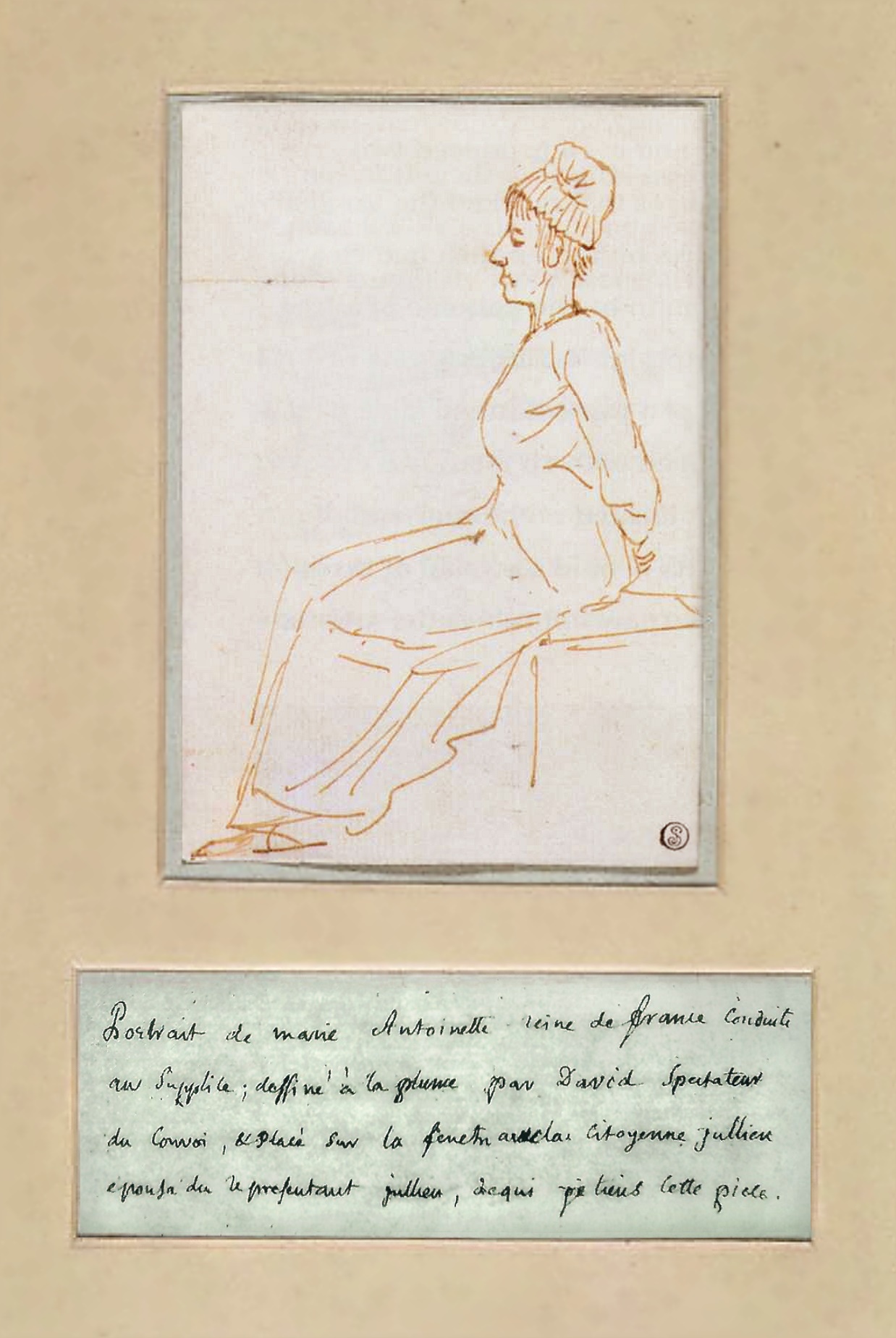 Painting
Primary source
Marie Antoinette Being Taken to Her Execution
Jacques-Louis David · 16 October 1793
 Painting
Primary source
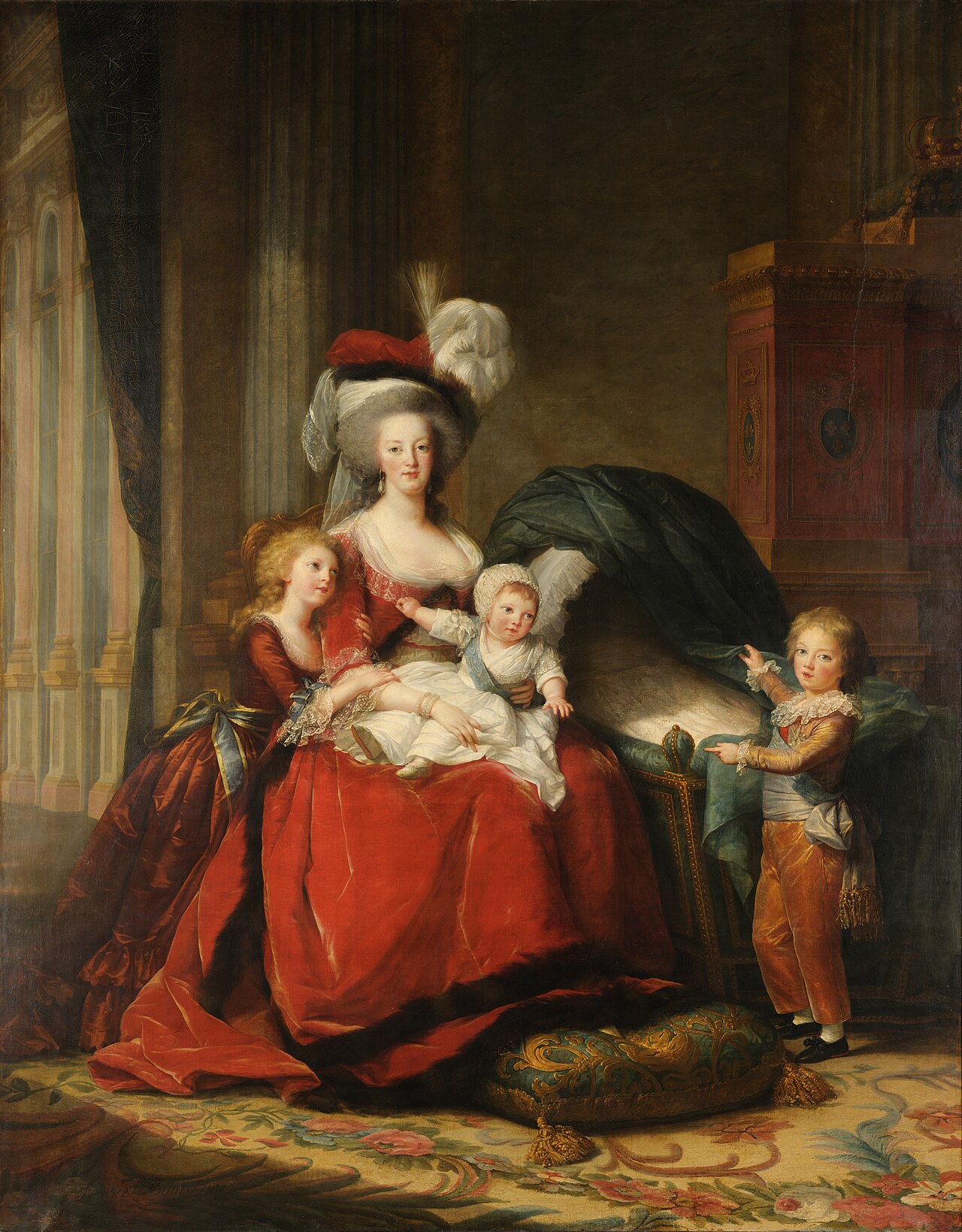
Marie Antoinette and Her Children
Élisabeth Louise Vigée Le Brun · 1787
 Painting
Primary source
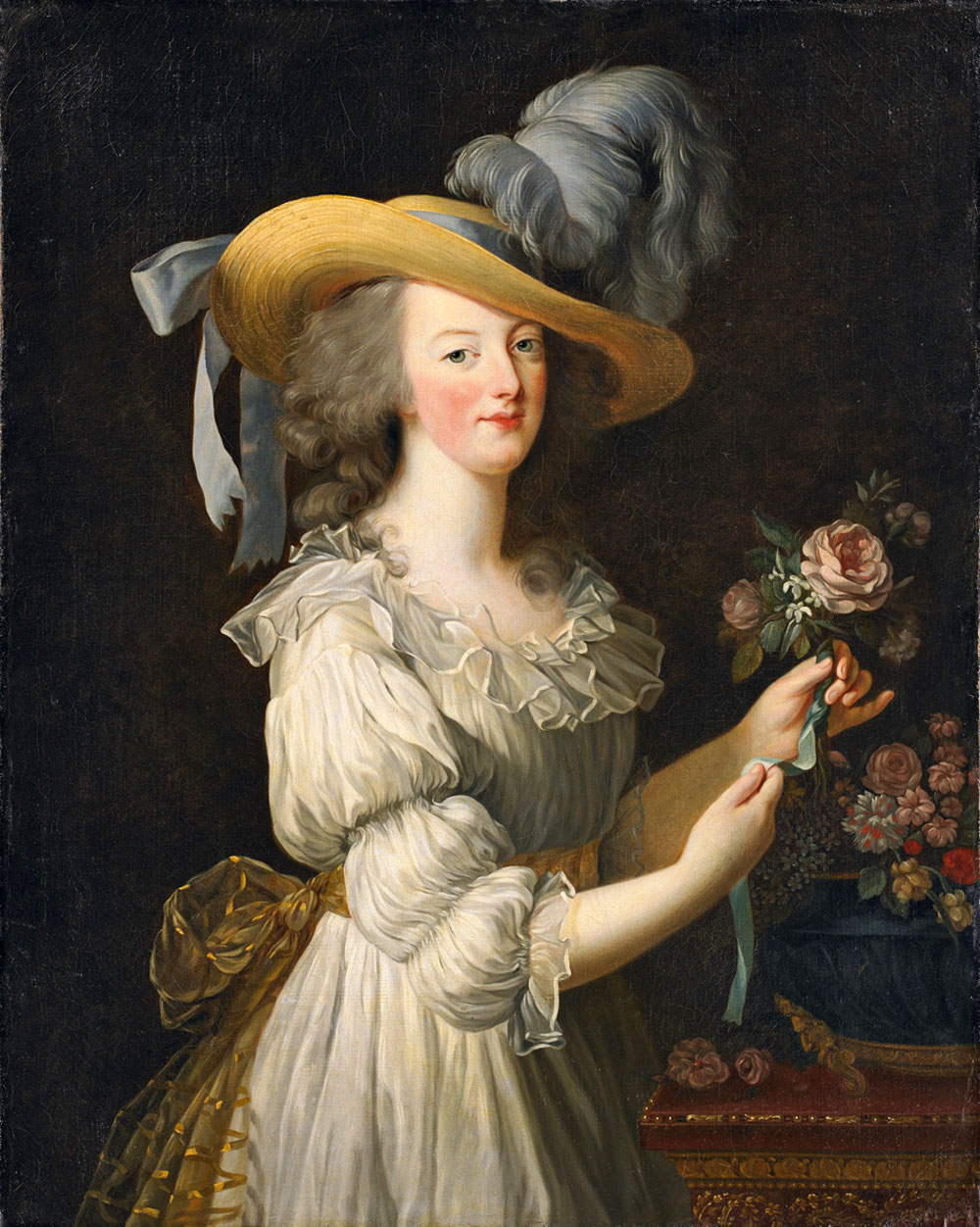
Marie Antoinette in a Muslin Dress
Élisabeth Louise Vigée Le Brun · 1783
 Letter
Primary source
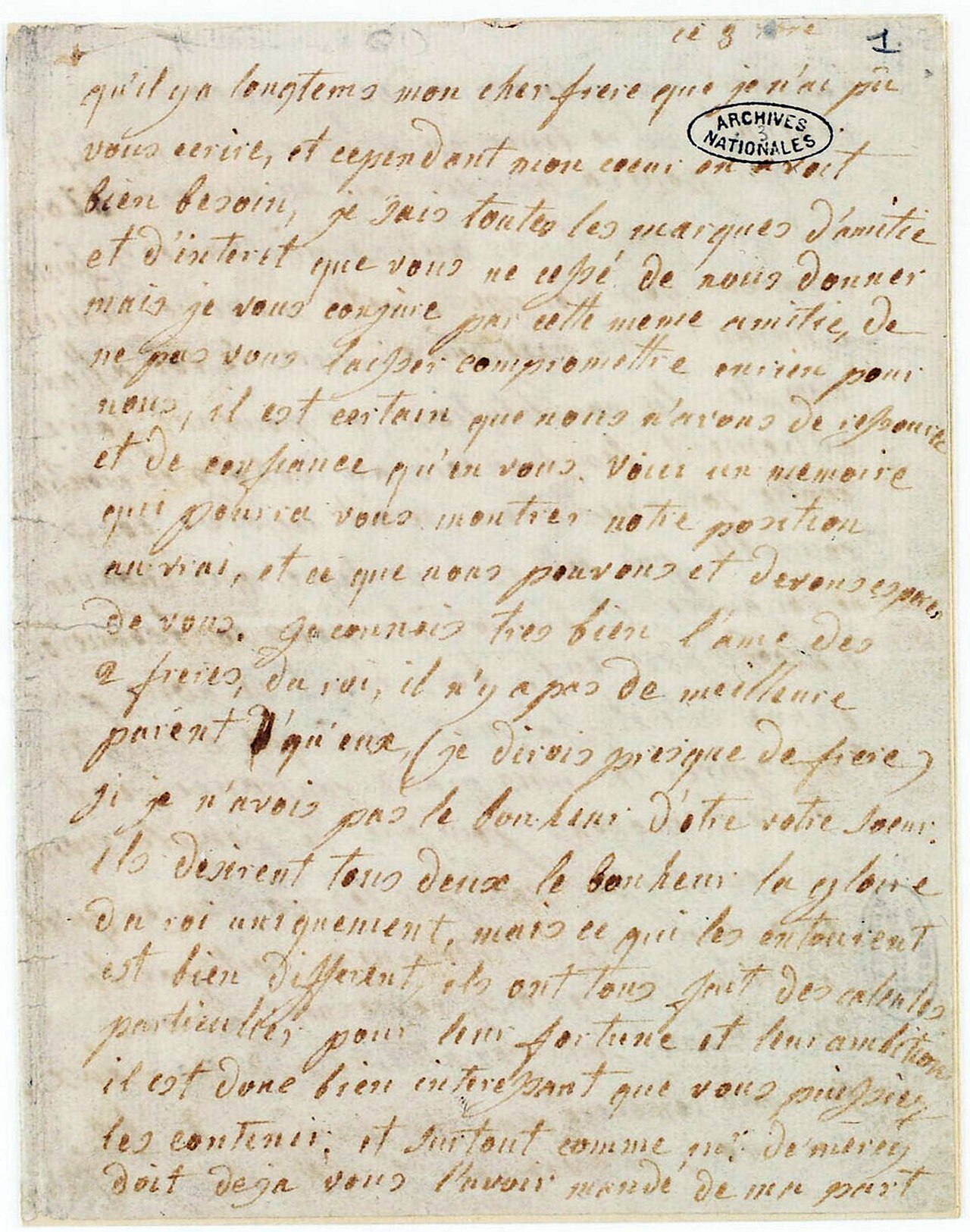
Letter to Her Brother Emperor Leopold II
Marie Antoinette · 8 September 1791
 Artifact
Primary source
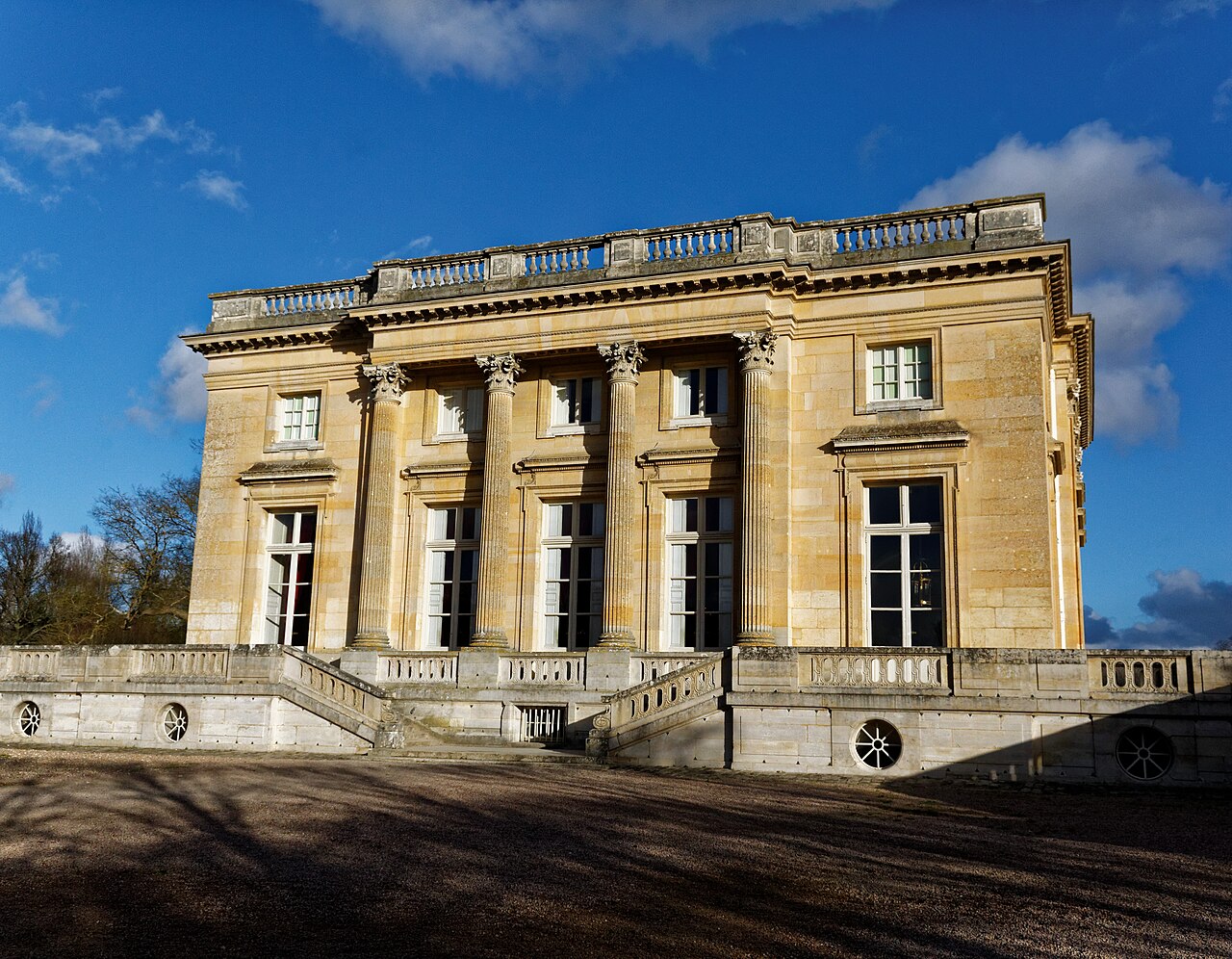
Petit Trianon
Ange-Jacques Gabriel · 1762-1768
Ready when you are
Start chatting with Marie Antoinette now.
20 messages free · No credit card · Available in 50+ languages.