


Primary sourcePainting1783
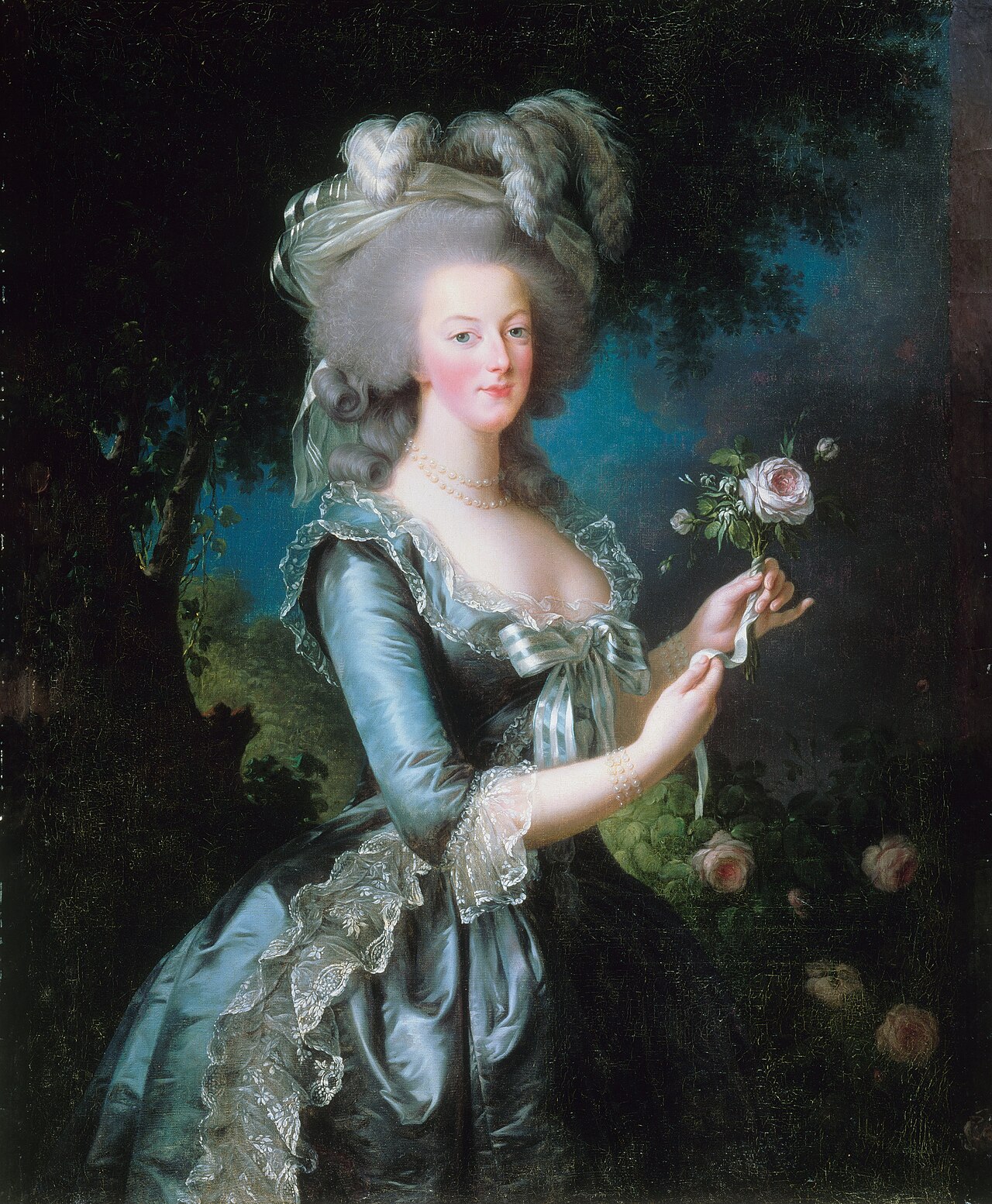
Marie Antoinette with a Rose
Élisabeth Louise Vigée Le Brun · 1783
A 1783 portrait of Marie Antoinette painted to replace an earlier version that caused a scandal over her informal dress.
This replacement portrait shows how the queen's image was carefully managed after an earlier version caused scandal.
About this source
What it is
Painted in 1783 by Élisabeth Vigée Le Brun, the queen's court painter, this portrait shows Marie Antoinette in a blue-grey silk gown holding a small bouquet of roses. It replaced an earlier version of the same pose in which the queen wore a plain, chemise-like dress, and is now held in the collection connected to the Palace of Versailles.
Why it matters
The original chemise portrait shocked visitors to the Salon because it showed the queen in informal, imported cotton clothing rather than French silk, and it was quickly removed. Vigée Le Brun repainted the same pose in silk to show royal support for the Lyon silk industry. The episode shows how closely the queen's public image was managed and how sensitive people were to what a queen wore.
Look closer
- Why might wearing silk instead of cotton have mattered politically?
- What does the reaction to the first version suggest about expectations placed on queens?
- Why did the artist choose to keep the same pose but change the costume?
This painting is part of the curated material that grounds the AI version of Marie Antoinette on Humy.ai — when students ask about related events, the AI can quote it and cite it.
More Marie Antoinette sources
Meet the AI Marie Antoinette →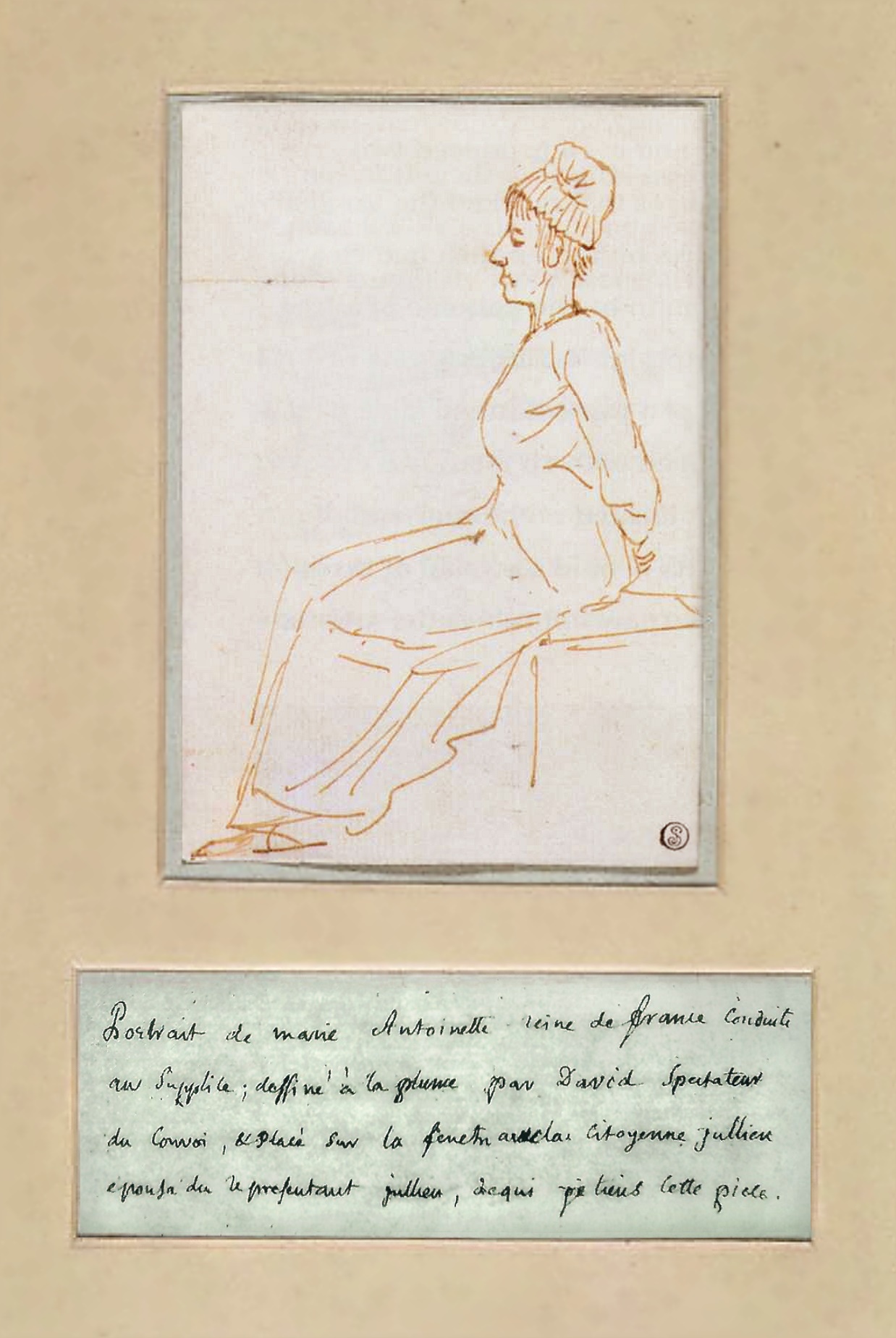 Painting
Primary source
Marie Antoinette Being Taken to Her Execution
Jacques-Louis David · 16 October 1793
 Painting
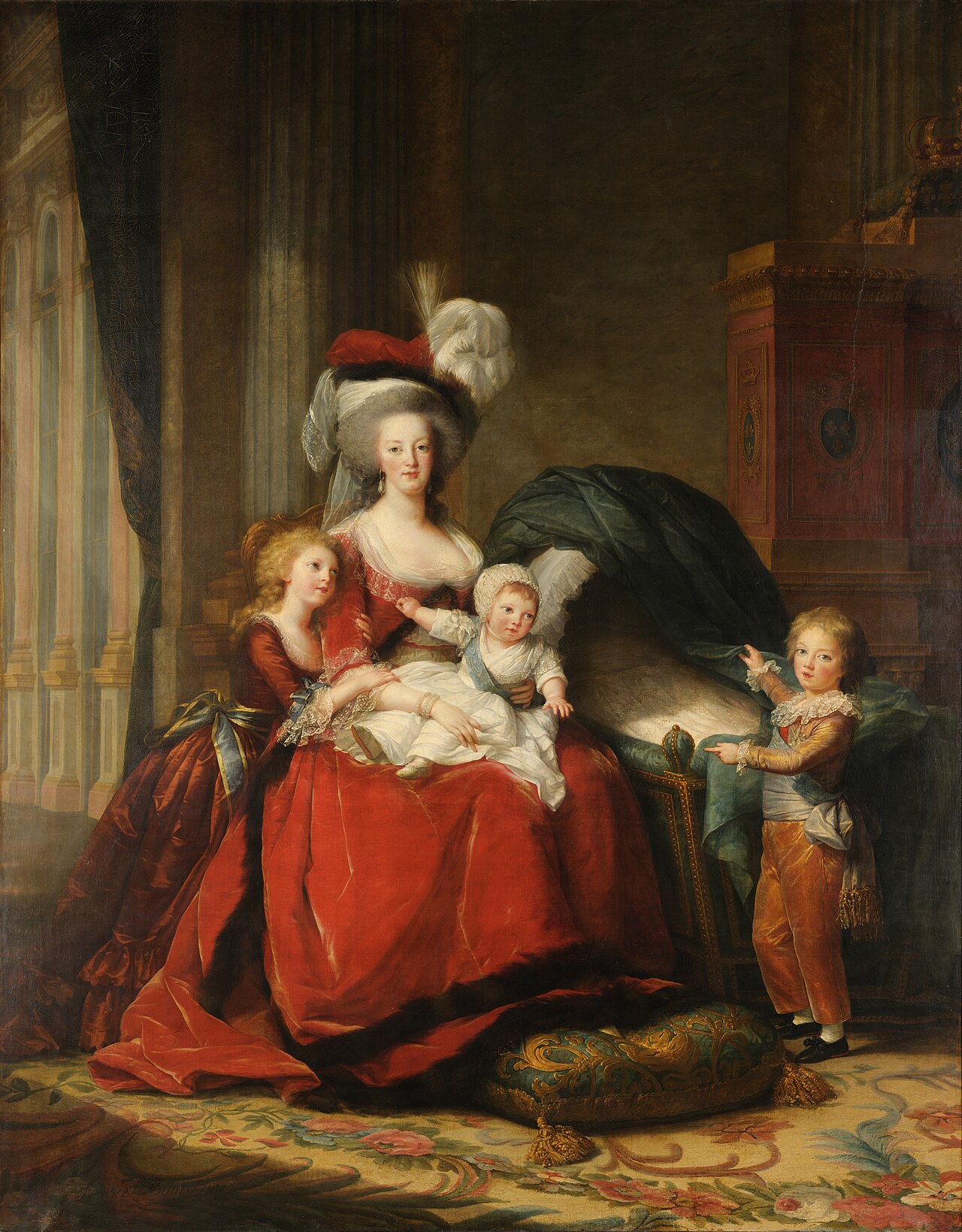
Primary source
Marie Antoinette and Her Children
Élisabeth Louise Vigée Le Brun · 1787
 Painting
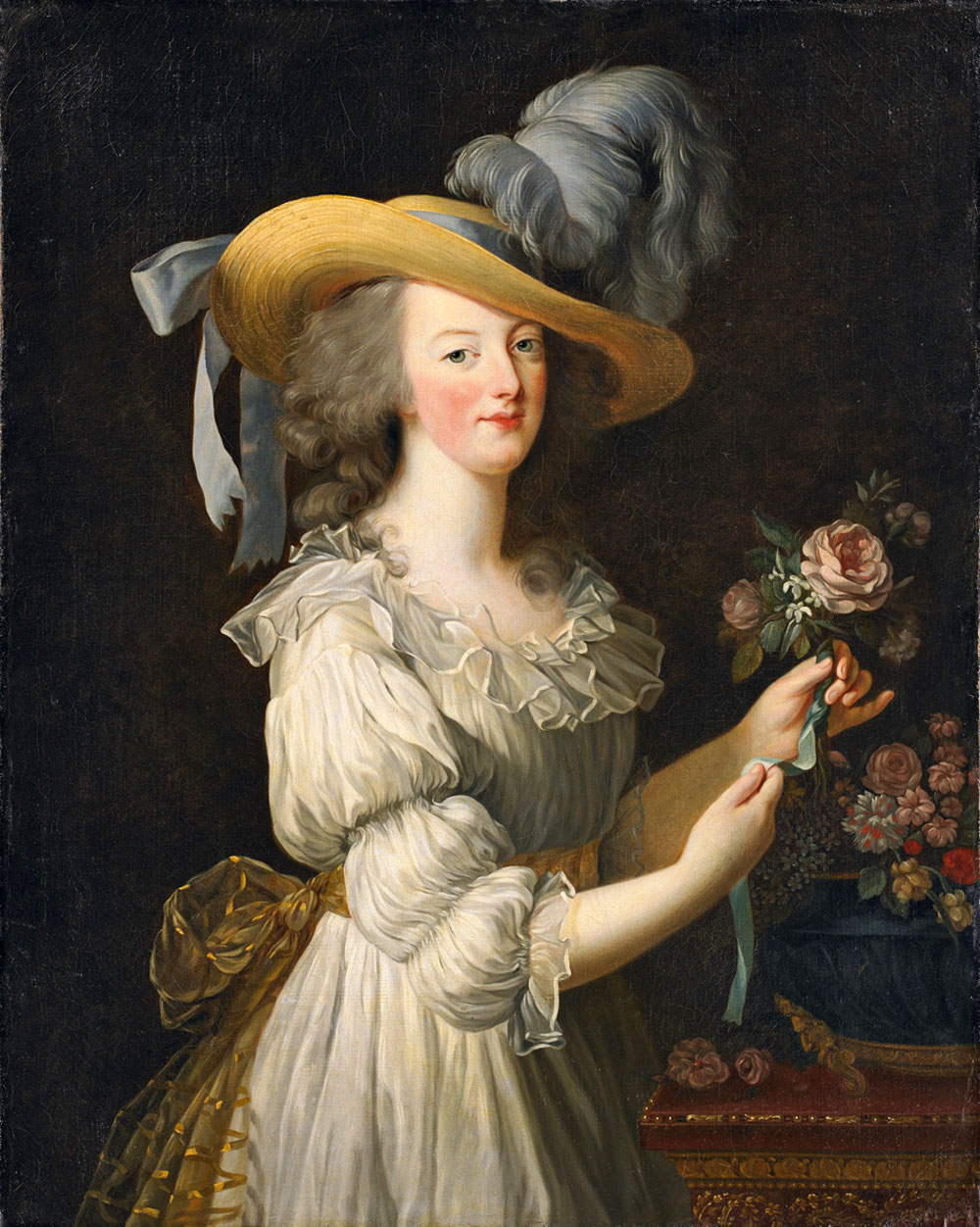
Primary source
Marie Antoinette in a Muslin Dress
Élisabeth Louise Vigée Le Brun · 1783
 Letter
Primary source
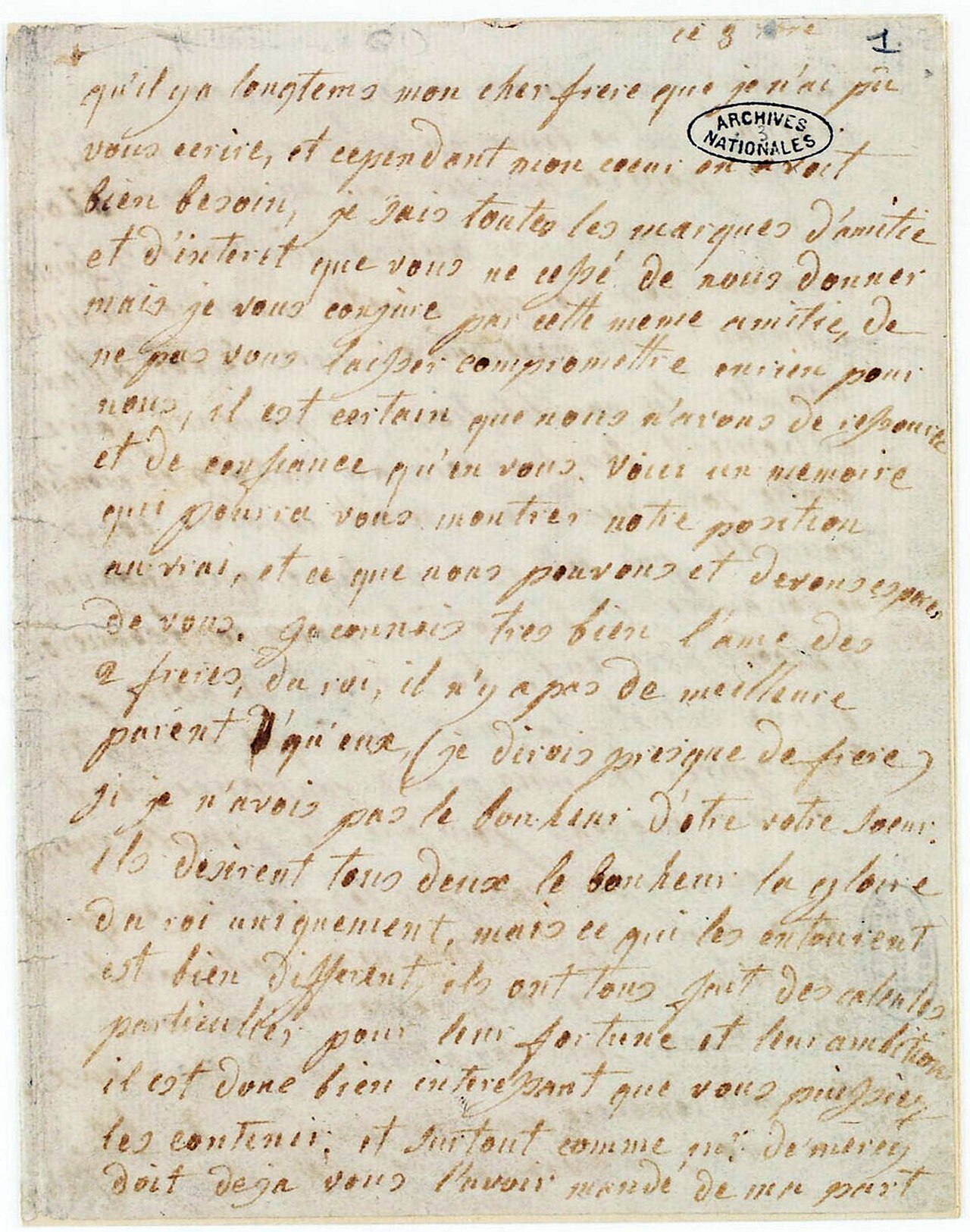
Letter to Her Brother Emperor Leopold II
Marie Antoinette · 8 September 1791
 Artifact
Primary source
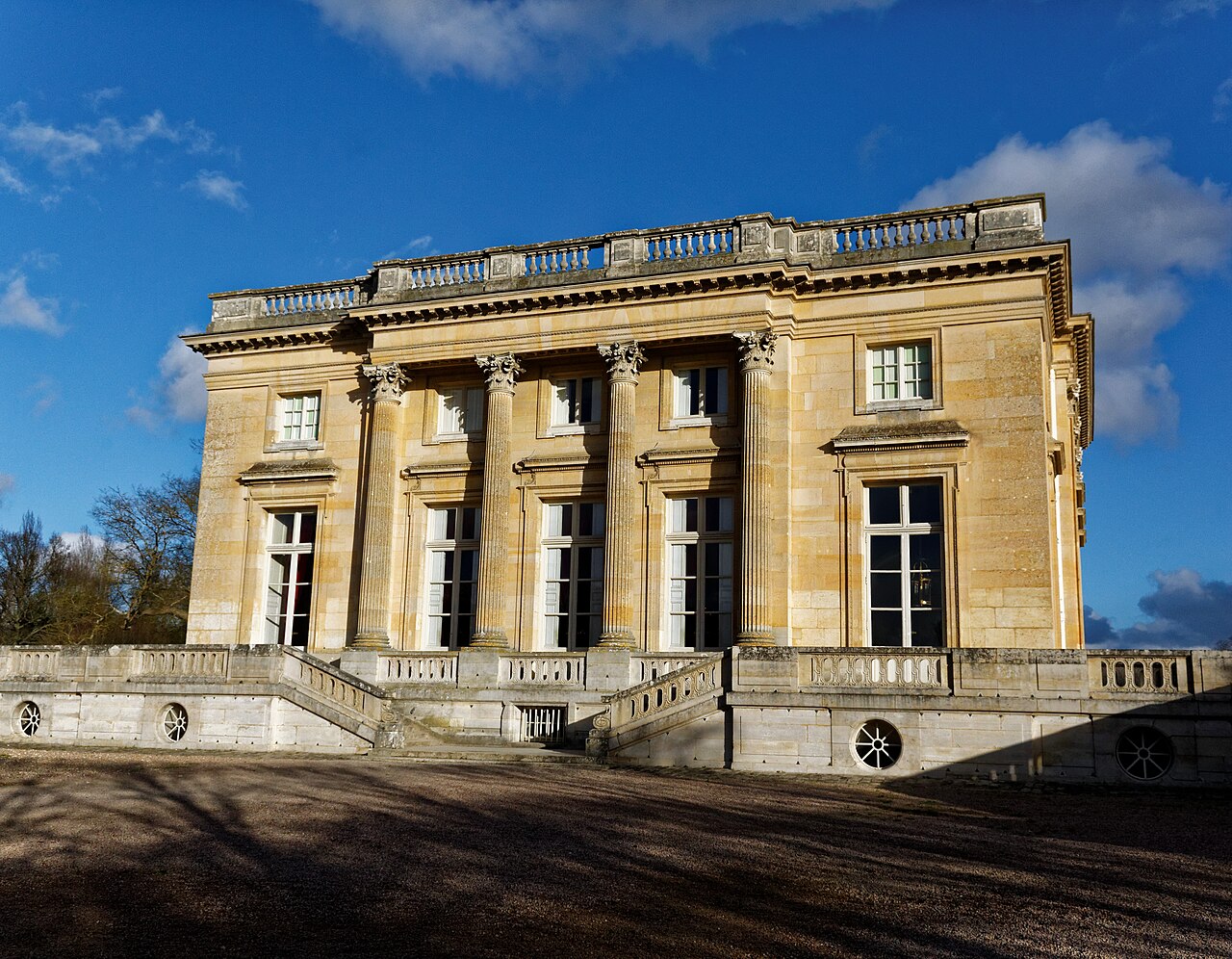
Petit Trianon
Ange-Jacques Gabriel · 1762-1768
Ready when you are
Start chatting with Marie Antoinette now.
20 messages free · No credit card · Available in 50+ languages.