


Primary sourceDocument30 October 1918
Martin Declaration
Slovak National Council · 30 October 1918
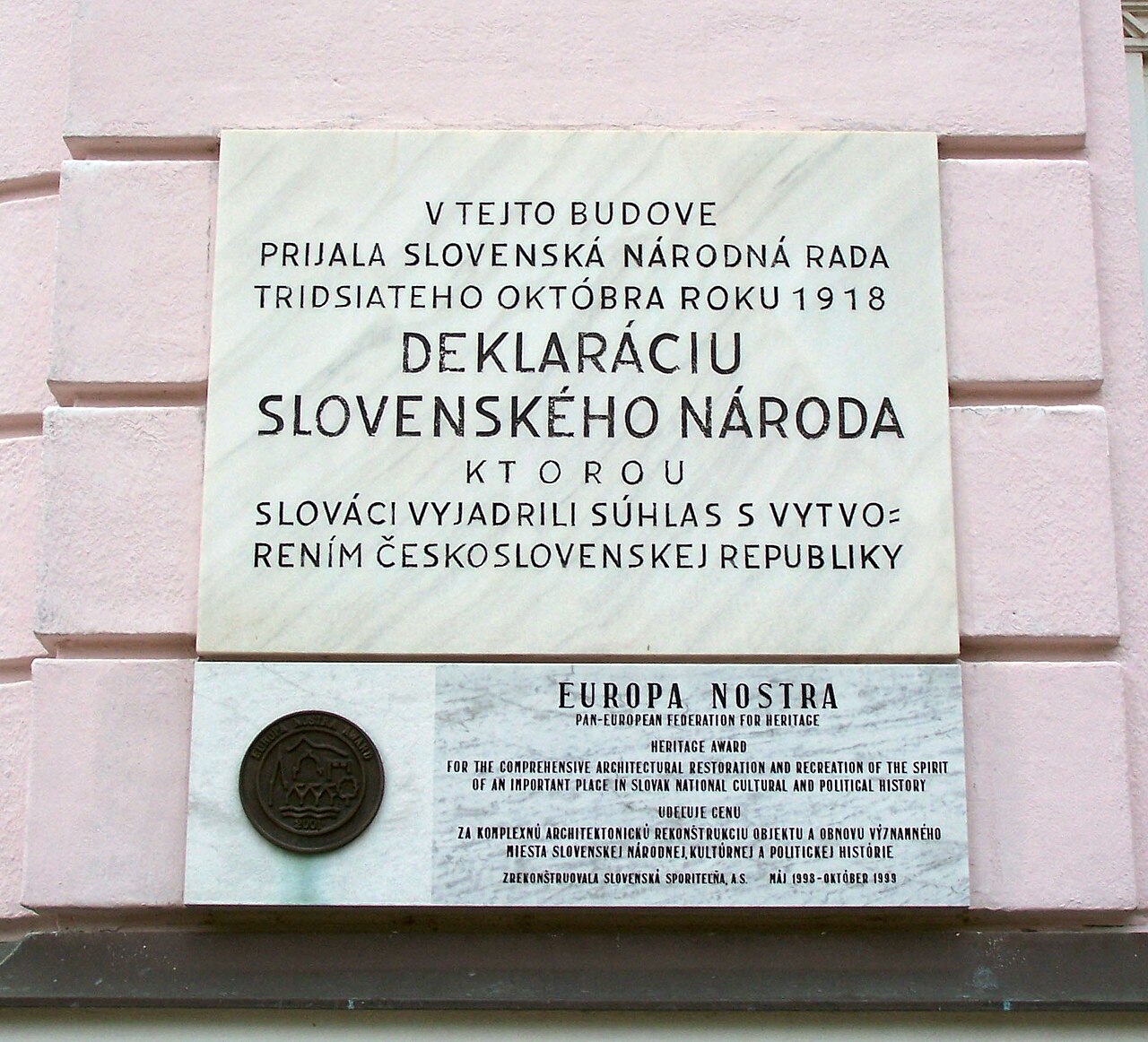
The 1918 declaration of the Slovak National Council committing Slovaks to union with the Czechs, signed by Hlinka.
Hlinka signed this declaration as a member of the Slovak National Council, marking his role in founding Czechoslovakia.
About this source
What it is
The Martin Declaration (Deklarácia slovenského národa) was proclaimed on 30 October 1918 in Turčiansky Svätý Martin by the newly formed Slovak National Council. It declared the Slovak nation part of the Czecho-Slovak nation and rejected the authority of the Hungarian government over Slovaks. Andrej Hlinka was among the signers.
Why it matters
The declaration marked Slovakia's break from the Kingdom of Hungary and set the stage for the creation of Czechoslovakia. It shows the Slovak National Party, including Hlinka, acting to shape the country's future even though the exact meaning of Slovak-Czech unity was left undefined and later caused political conflict.
Look closer
- Why might the delegates have left the meaning of 'Czecho-Slovak Nation' unclear?
- What does the fast timing of this declaration, so soon after the Prague declaration, suggest about communication in 1918?
- Whose voices are missing from a declaration written by 108 delegates meeting in a bank?
This document is part of the curated material that grounds the AI version of Andrej Hlinka on Humy.ai — when students ask about related events, the AI can quote it and cite it.
More Andrej Hlinka sources
Browse all 53 →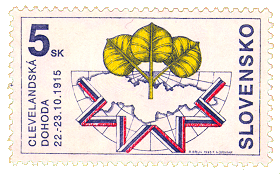 Document
Primary source
Cleveland Agreement
22-23 October 1915
 Photograph
Primary source
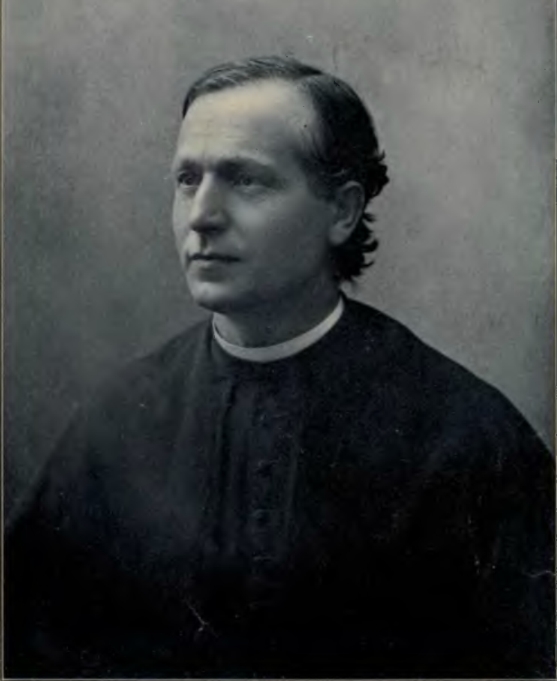
Andrej Hlinka
R. W. Seton-Watson
 Photograph
Primary source
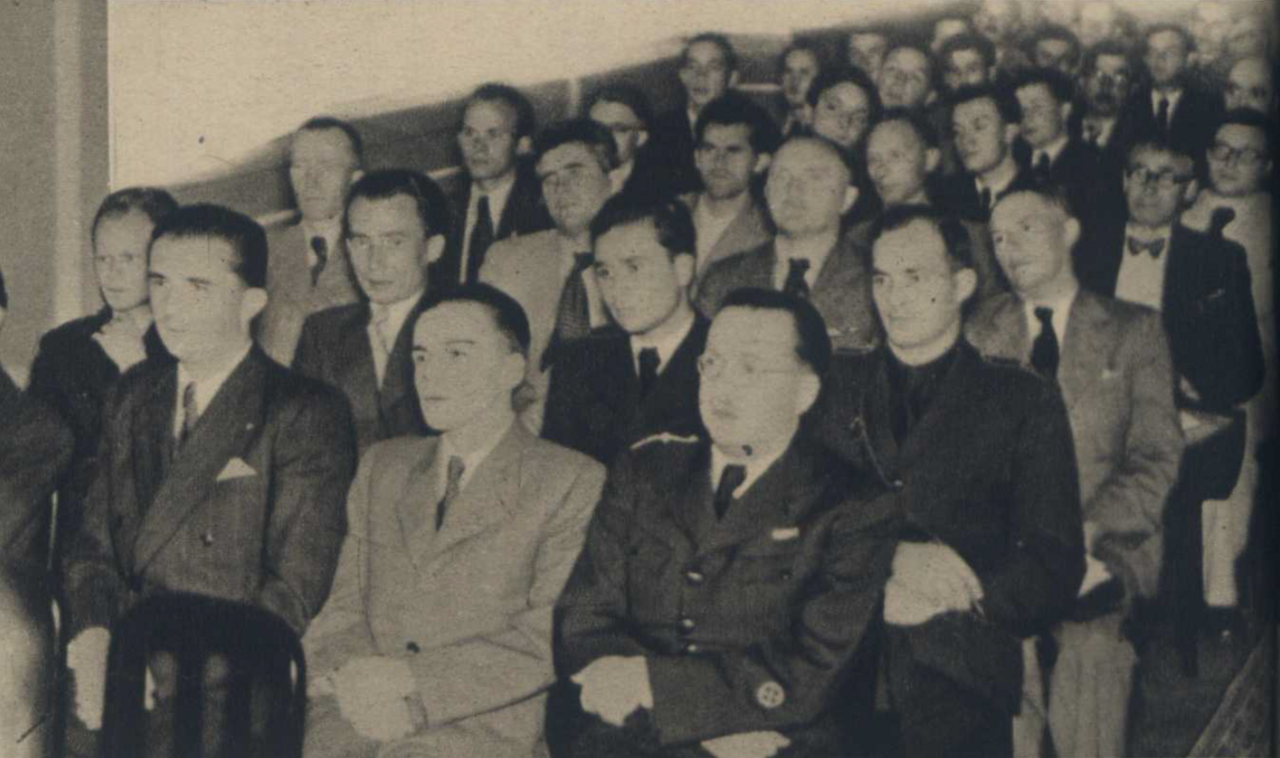
Local HSĽS secretaries at the party meeting in Bratislava, 1940
Unknown author · 17 August 1940
 Photograph
Primary source
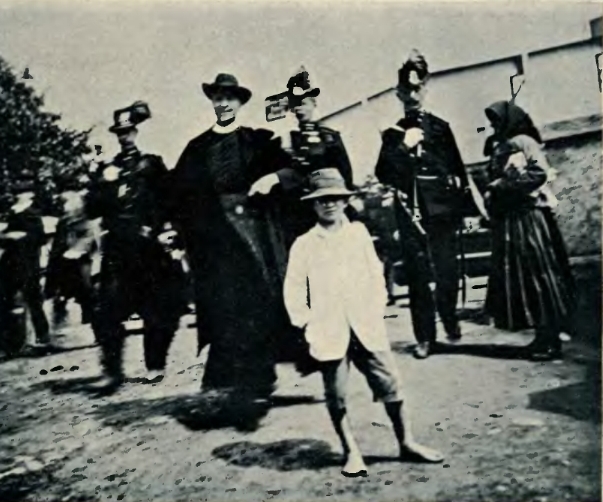
Arrest of Father Hlinka
R. W. Seton-Watson
Free account
Read every Andrej Hlinka source
Sign up free →
Ready when you are
Start chatting with Andrej Hlinka now.
20 messages free · No credit card · Available in 50+ languages.