


Primary sourcePainting1840
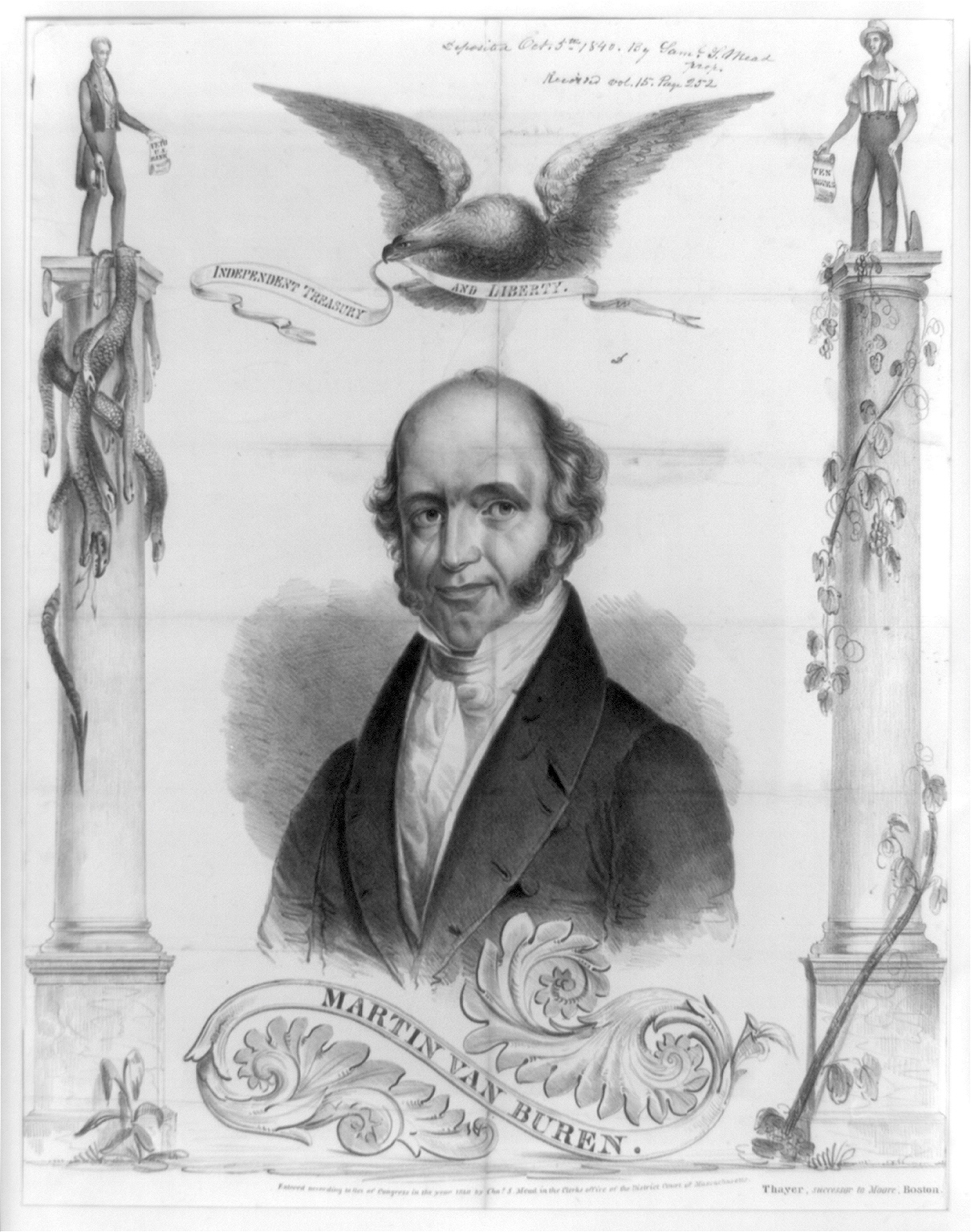
Martin Van Buren Campaign Print
B.W. Thayer · 1840
An 1840 campaign lithograph supporting Van Buren's reelection, designed to appeal to workingmen with symbols of labor and banking policy.
A 1840 campaign print portraying Van Buren and promoting his record on labor and banking policy during his reelection bid.
About this source
What it is
This is a lithographic campaign print made by B.W. Thayer in Boston in 1840, created to support Democratic incumbent Martin Van Buren's bid for reelection. It shows a central bust portrait of Van Buren surrounded by symbolic imagery.
Why it matters
The print was designed to appeal to working-class voters by linking Van Buren to Andrew Jackson's earlier defeat of the United States Bank and to Van Buren's order shortening the federal workday to ten hours. An eagle holds a banner reading 'Independent Treasury and Liberty,' referring to Van Buren's Independent Treasury Bill. Figures representing a veto and a ten-hour workday stand on flanking columns, while dead snakes symbolize the defeated Bank. The print reveals how political campaigns of the era used popular imagery to connect a candidate to policies voters cared about.
Look closer
- What symbols in the print are meant to make Van Buren look favorable to workers?
- Why might the artist choose to show snakes and a veto card rather than written explanations?
- What does this kind of print tell us about how elections were fought before photography and television?
This painting is part of the curated material that grounds the AI version of Martin Van Buren on Humy.ai — when students ask about related events, the AI can quote it and cite it.
More Martin Van Buren sources
Meet the AI Martin Van Buren →Primary source
Inaugural Address of Martin Van Buren
Martin Van Buren · 4 March 1837
 Photograph
Primary source
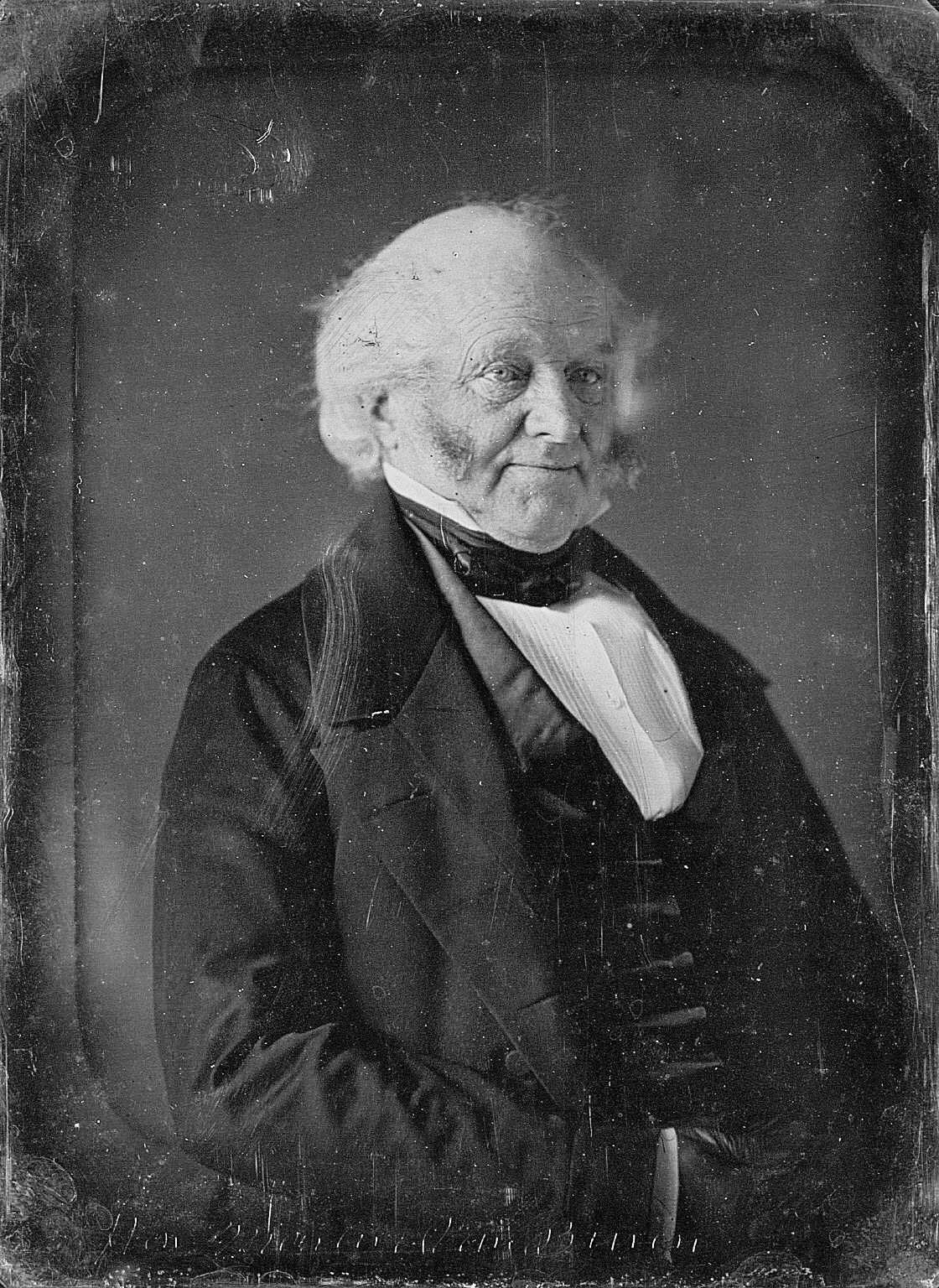
Daguerreotype Portrait of Martin Van Buren
Mathew Benjamin Brady · c. 1849–1850
 Painting
Primary source
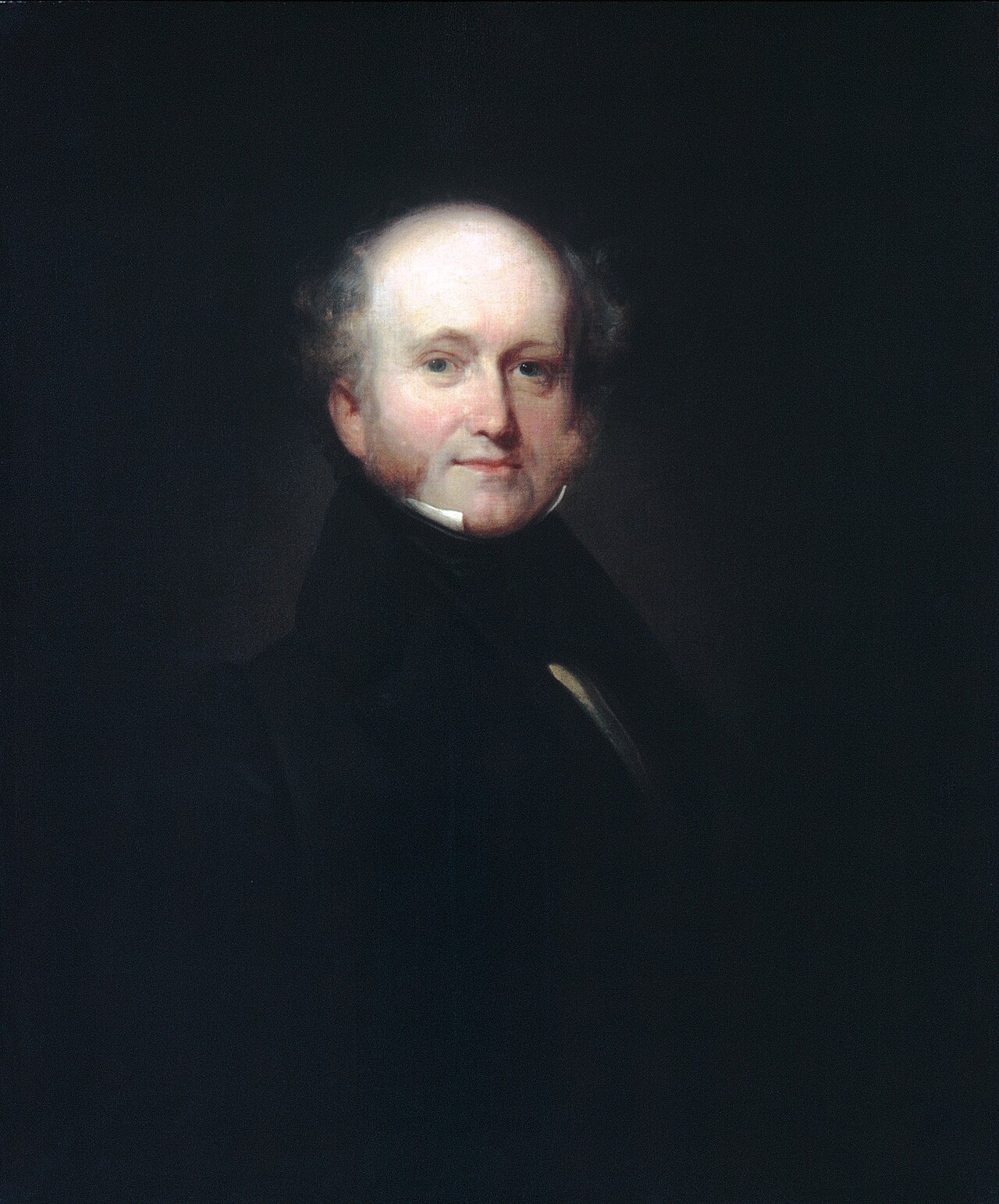
Martin Van Buren
Henry Inman · 1837
 Book
Primary source
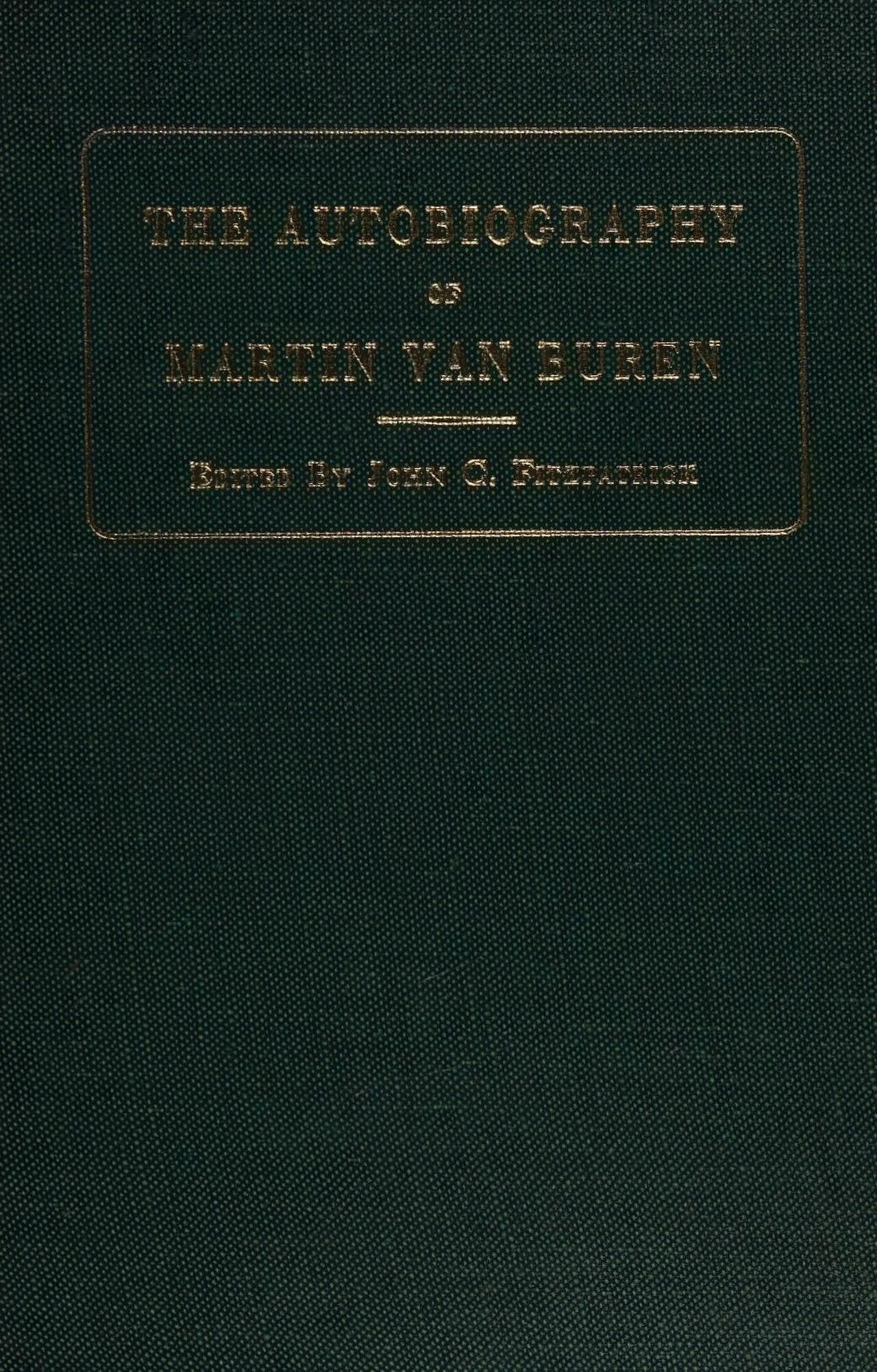
The Autobiography of Martin Van Buren
Martin Van Buren · 1854–1862 (published 1920)
 Document
Secondary source
1848 Free Soil and Liberty National Conventions
1848
Ready when you are
Start chatting with Martin Van Buren now.
20 messages free · No credit card · Available in 50+ languages.