


Secondary sourcePaintingcirca 1898
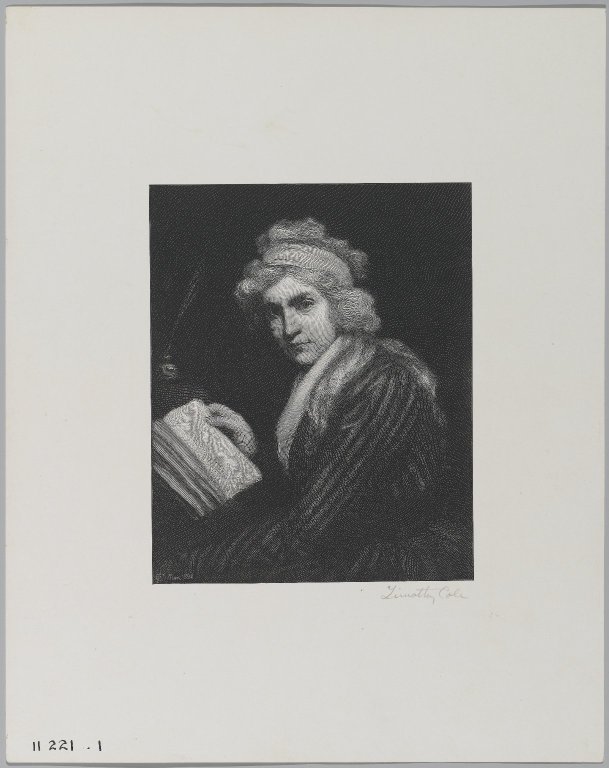
Mary Wollstonecraft, engraving after John Opie
Timothy Cole, after John Opie · circa 1898
A later engraving by Timothy Cole, reproducing John Opie's portrait of Mary Wollstonecraft.
A later reproduction of Opie's portrait, used to spread Wollstonecraft's image as a writer and thinker.
About this source
What it is
This is a black-and-white engraved print made by Timothy Cole around 1898, reproducing an earlier portrait of Mary Wollstonecraft painted by John Opie. It shows a woman in a fur-trimmed, striped robe and frilled cap, holding a book and a quill.
Why it matters
Engravings like this were a common way of copying and spreading paintings before photography was widespread, letting more people see images of notable figures such as Wollstonecraft. The book and quill in her hands emphasise her identity as a writer and thinker.
Look closer
- Why might the engraver choose to show Wollstonecraft holding a book and quill?
- What might change between an original oil painting and a later black-and-white engraved copy of it?
- Why do you think reproductions of portraits like this were valuable before photography existed?
This painting is part of the curated material that grounds the AI version of Mary Wollstonecraft on Humy.ai — when students ask about related events, the AI can quote it and cite it.
More Mary Wollstonecraft sources
Meet the AI Mary Wollstonecraft →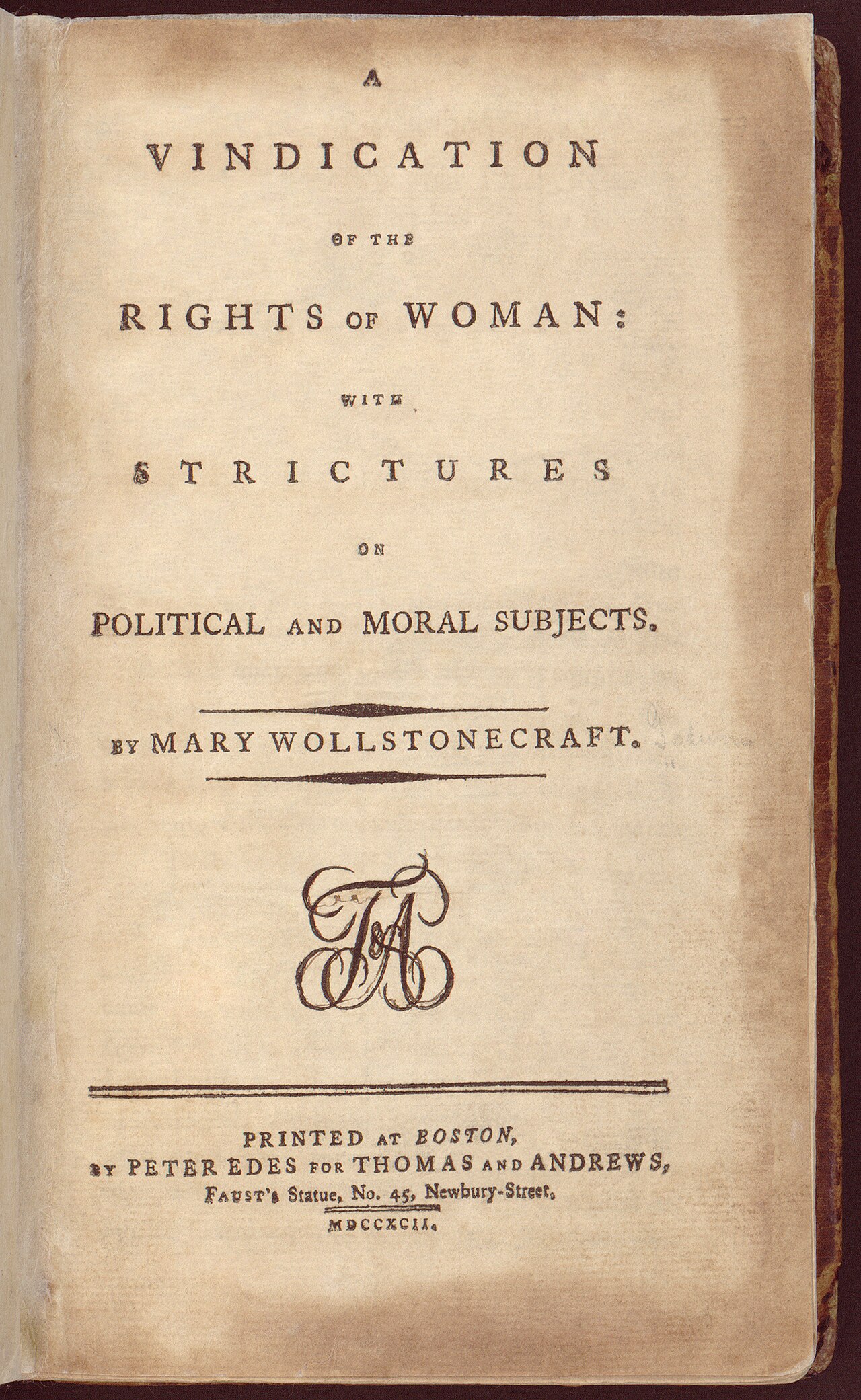 Book
Primary source
A Vindication of the Rights of Woman
Mary Wollstonecraft · 1792
Primary source
A Vindication of the Rights of Men
Mary Wollstonecraft · 1790
 Painting
Primary source
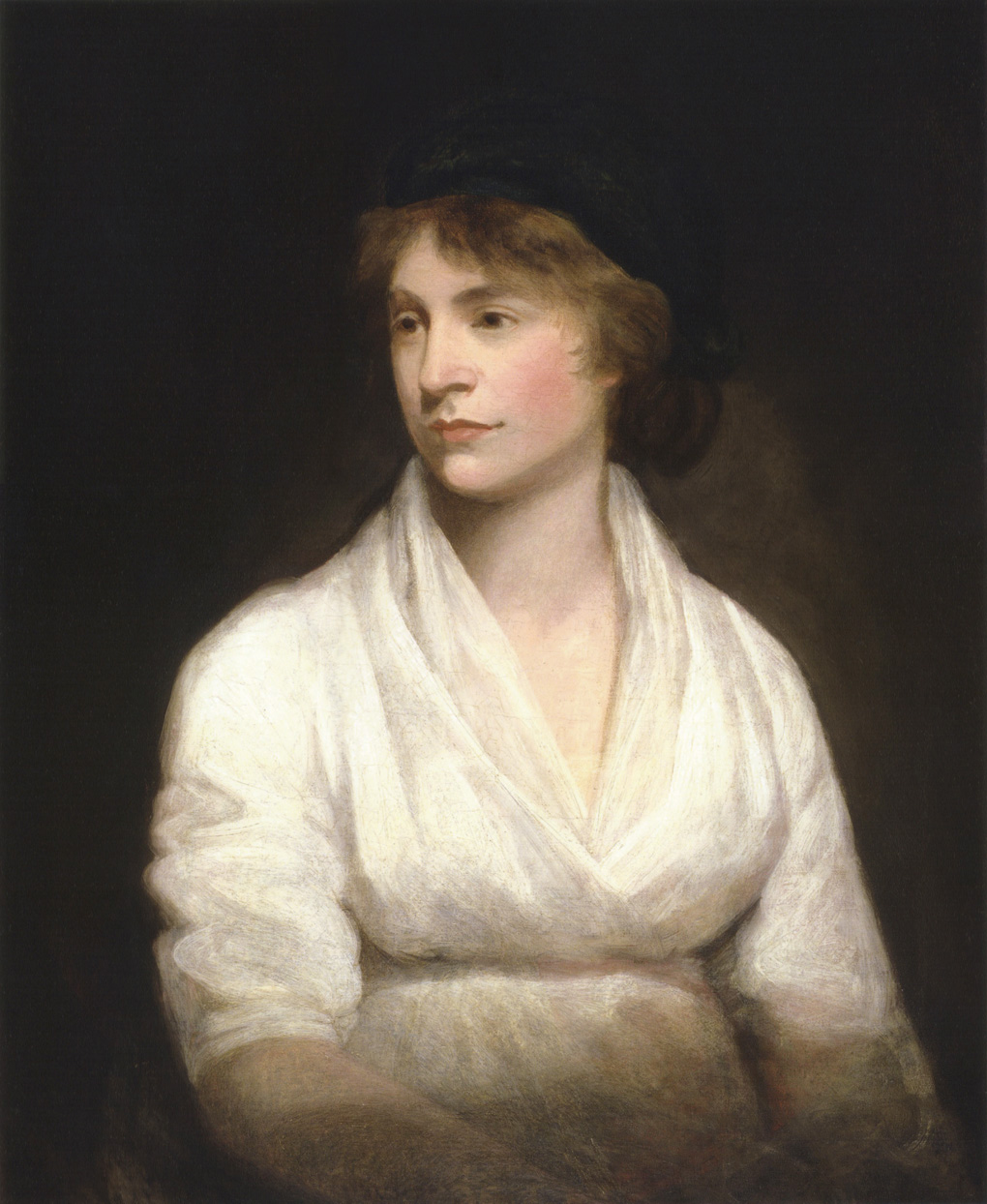
Mary Wollstonecraft
John Opie · 1797
 Book
Primary source
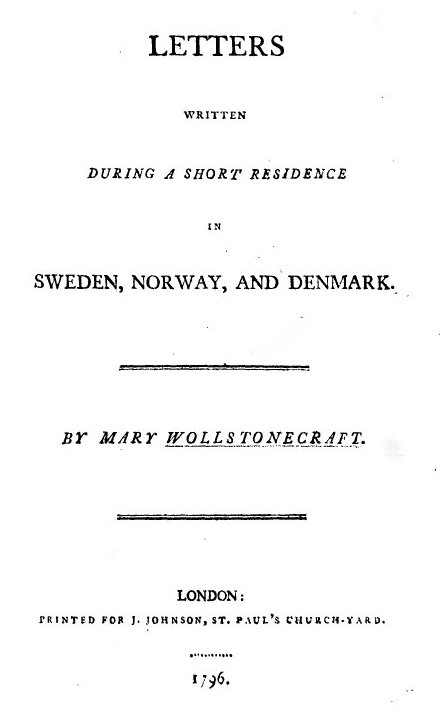
Letters Written During a Short Residence in Sweden, Norway, and Denmark
Mary Wollstonecraft · 1796
Primary source
Memoirs of the Author of A Vindication of the Rights of Woman
William Godwin · 1798
Ready when you are
Start chatting with Mary Wollstonecraft now.
20 messages free · No credit card · Available in 50+ languages.