


Primary sourceArtifactca. 1667–ca. 1682
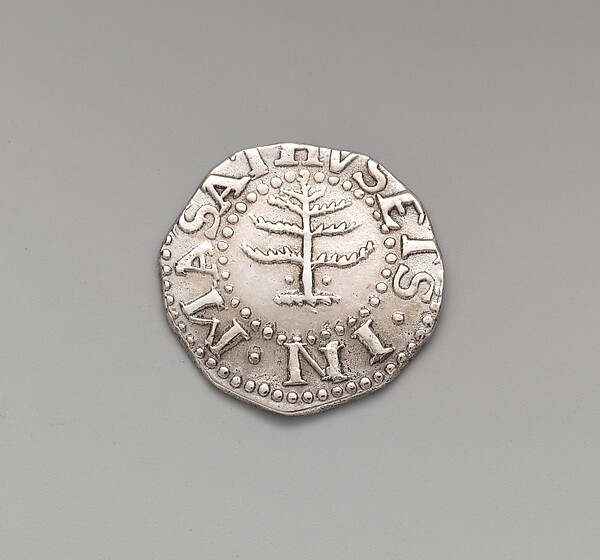
Massachusetts Sixpence by John Hull
John Hull · ca. 1667–ca. 1682
An early Massachusetts Bay colonial coin, struck under the same charter government Hutchinson later governed.
An early coin from the Massachusetts Bay charter government that Hutchinson later governed as colonial official.
About this source
What it is
This is a small silver sixpence coin made by John Hull between about 1667 and 1682. It is held at the Metropolitan Museum of Art. The coin shows a pine tree design with lettering reading MASATHVSETS around its edge.
Why it matters
This coin was minted in colonial Massachusetts Bay decades before Thomas Hutchinson became governor, under the same charter government whose authority he would later represent. Early coinage like this shows how the colony asserted a measure of independence by minting its own currency rather than relying solely on British coin.
Look closer
- What does the pine tree symbol suggest about how the colony saw itself?
- Why might a colony want to produce its own coins instead of using British money?
- What does a coin like this tell us about the economy of the colony, compared to written records?
This artifact is part of the curated material that grounds the AI version of Thomas Hutchinson on Humy.ai — when students ask about related events, the AI can quote it and cite it.
More Thomas Hutchinson sources
Meet the AI Thomas Hutchinson →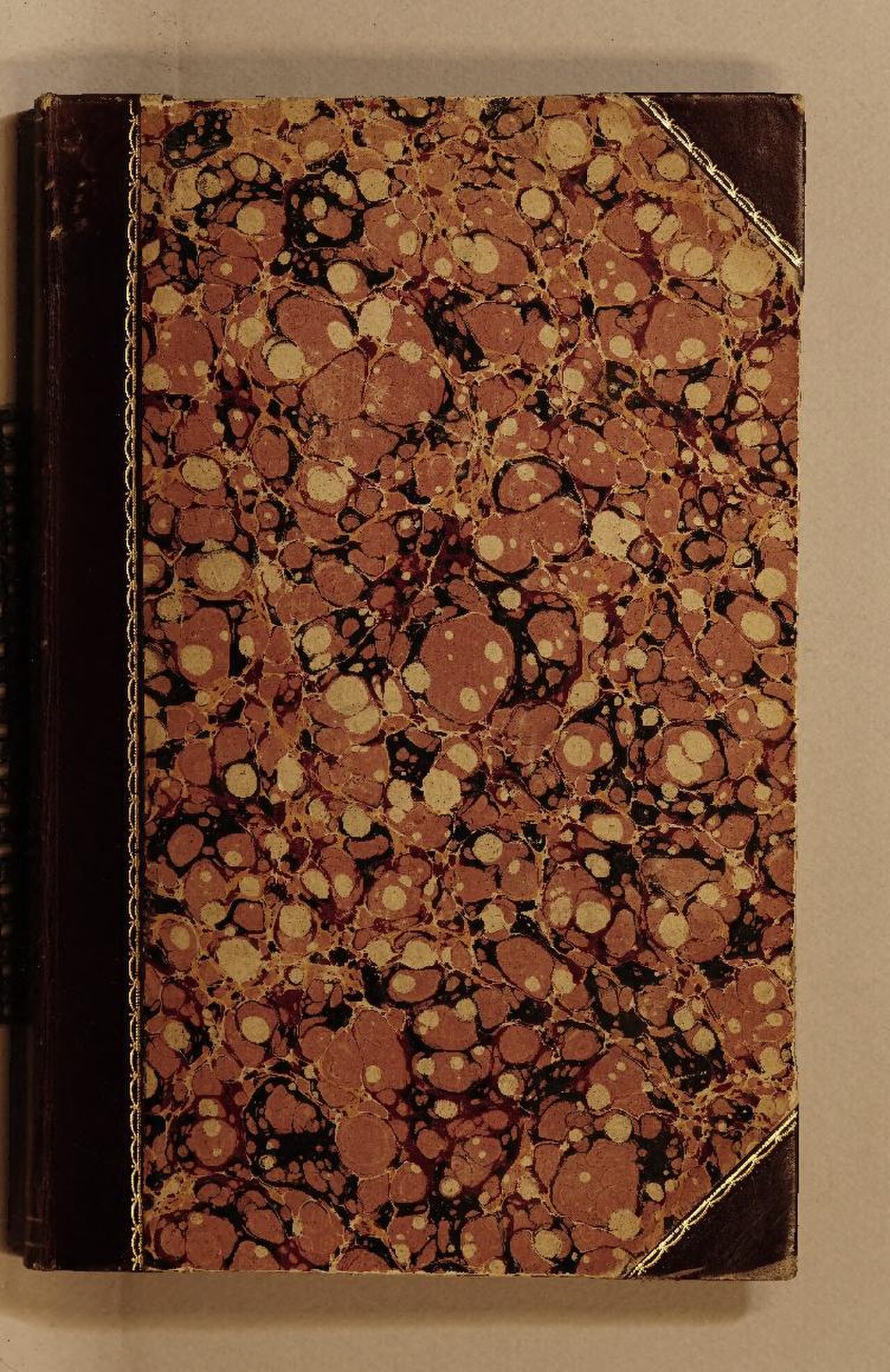 Letter
Primary source
Hutchinson–Whately Letters
Thomas Hutchinson · 1767–1769 (published 1773)
 Book
Primary source
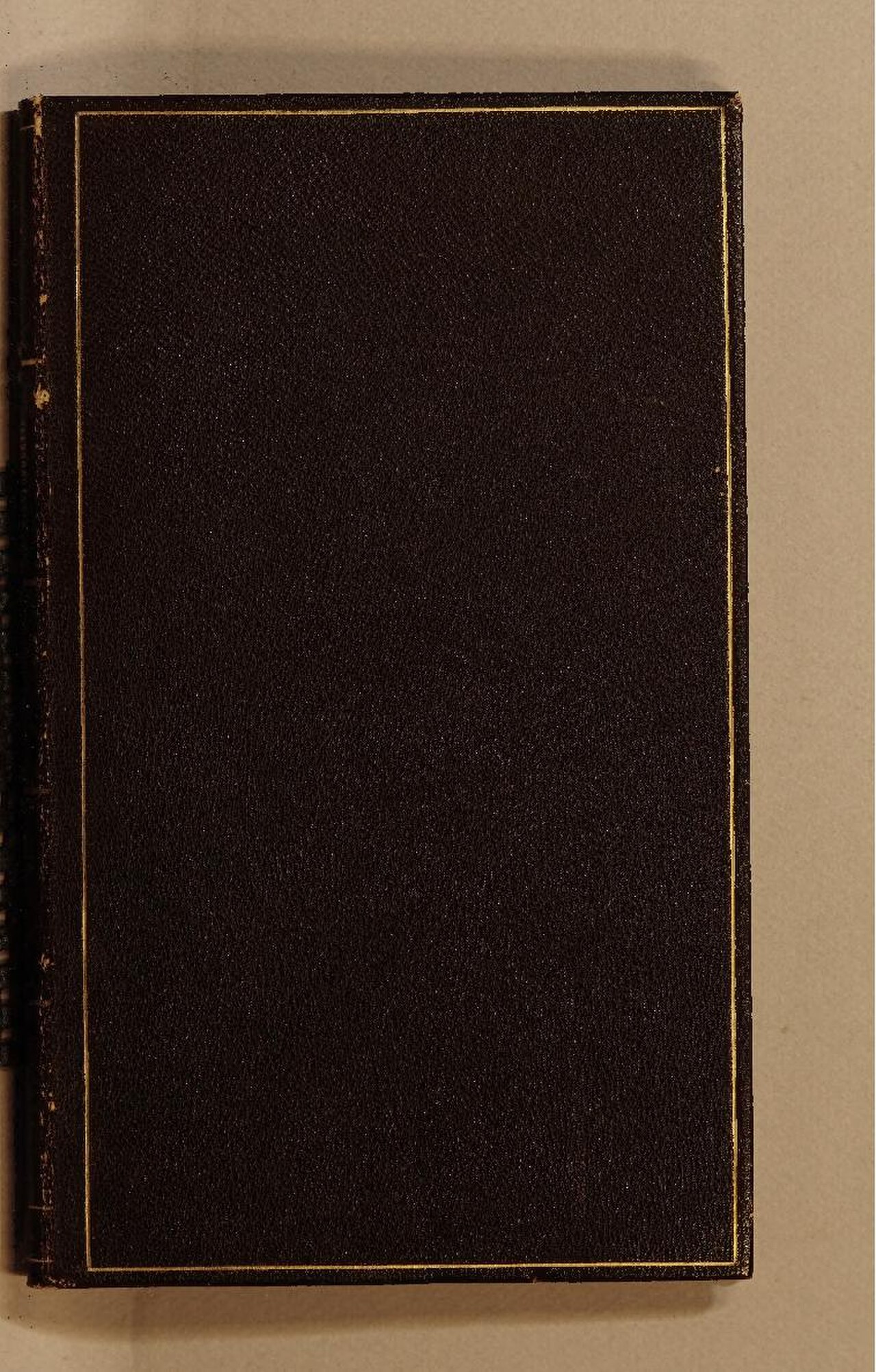
The History of the Colony and Province of Massachusetts-Bay
Thomas Hutchinson · 1764, 1767, 1828
 Painting
Primary source
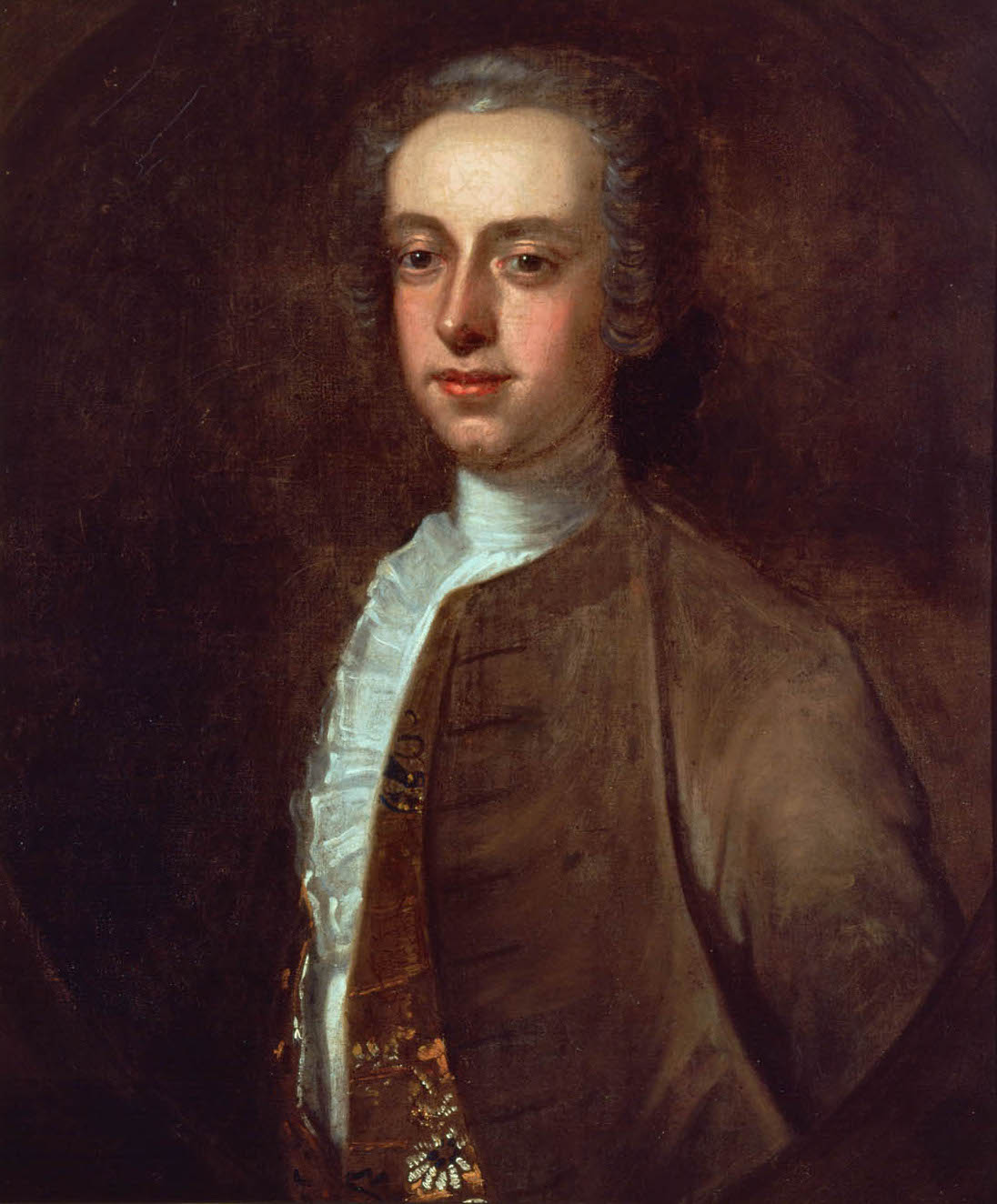
Portrait of Thomas Hutchinson
Edward Truman · 1741
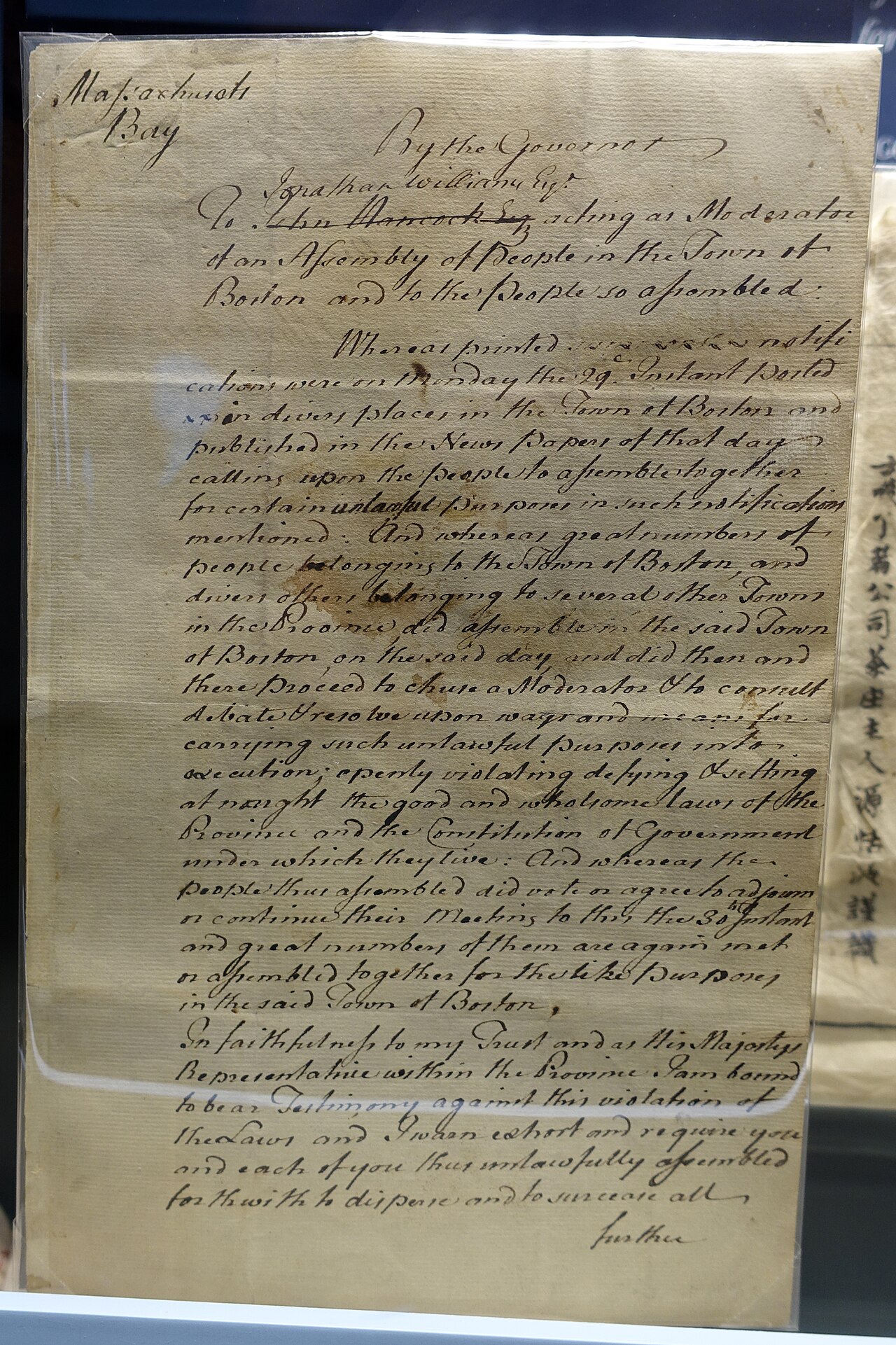 Document
Primary source
Letter Directing the Old South Tea Meeting to Adjourn
Thomas Hutchinson · November 30, 1773
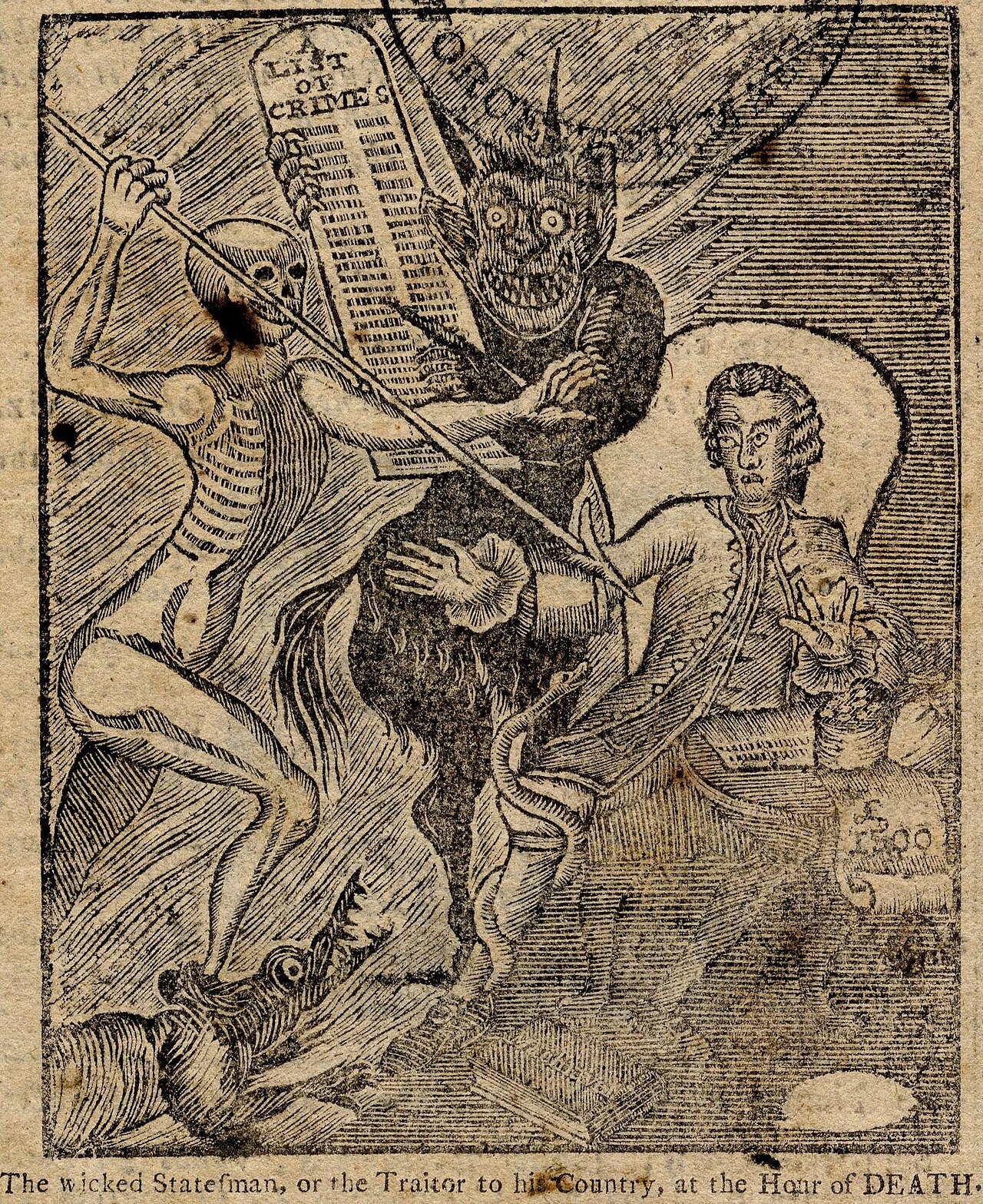 Painting
Primary source
The Wicked Statesman political cartoon
Paul Revere · published 1774
Ready when you are
Start chatting with Thomas Hutchinson now.
20 messages free · No credit card · Available in 50+ languages.