


Secondary sourceArtifact1927–1928
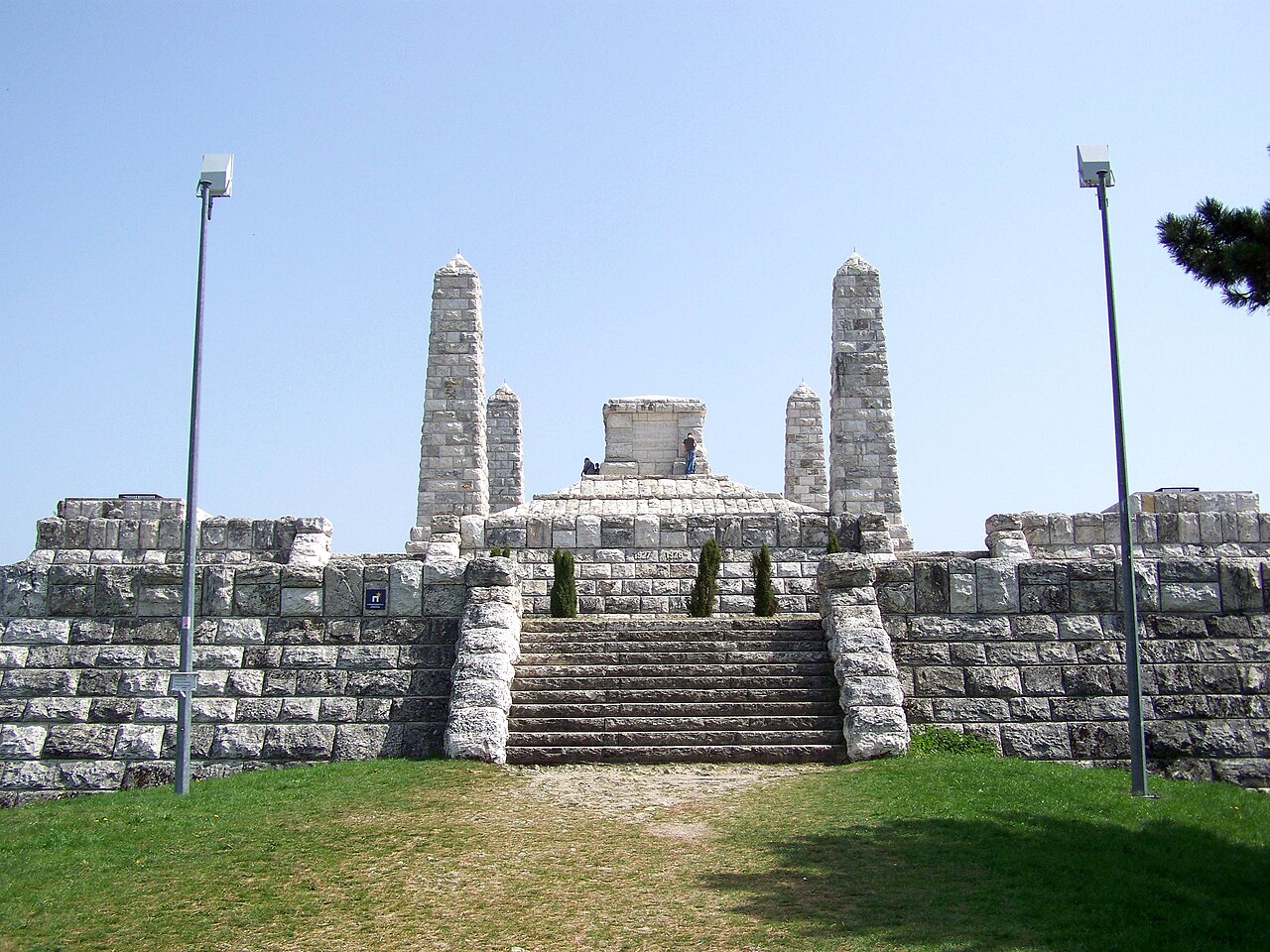
Mausoleum of Milan Rastislav Štefánik
Dušan Jurkovič · 1927–1928
A monumental stone tomb on Bradlo hill, designed by Dušan Jurkovič, built in 1927–28 as the burial place and memorial of Štefánik.
This mausoleum holds Štefánik's remains and commemorates him as one of Czechoslovakia's founding figures.
Free Humy account · No credit card · 53,307 sources to read
About this source
What it is
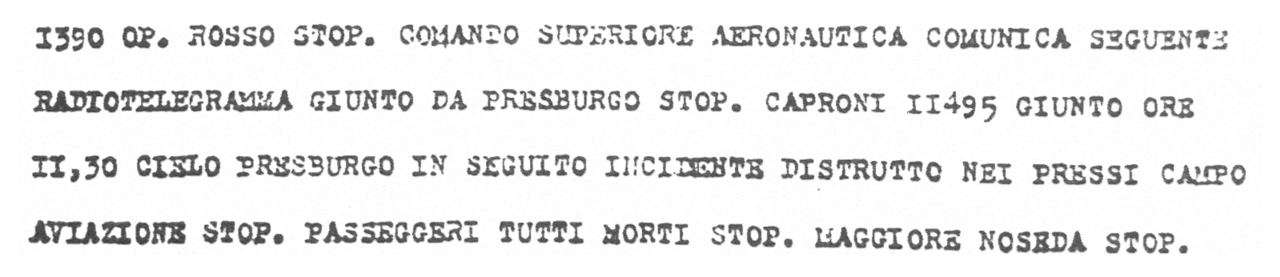
This is the tomb and memorial of Milan Rastislav Štefánik, built on Bradlo hill by architect Dušan Jurkovič between 1927 and 1928, five years after a foundation stone was laid. It stands near Štefánik's native village, where he was buried in 1919 together with the Italian soldiers who died with him.
Why it matters
The mound, with its four tall obelisks representing both the victims of the crash and the countries where Štefánik worked, shows how the new Czechoslovak state honored him as a national hero after his death. Its scale and cost, paid largely by the state, reveal how important his memory was to interwar Czechoslovak identity.
Look closer
- Why might a new country build such a large monument to one of its founders?
- What do the four obelisks represent, and why choose that symbolism?
- What does the monument tell us about Štefánik's death, and what does it leave unexplained?
This artifact is part of the curated material that grounds the AI version of Milan Rastislav Štefánik on Humy.ai — when students ask about related events, the AI can quote it and cite it.
More Milan Rastislav Štefánik sources
Browse all 78 → Document
Primary source
Declaration of Independence of the Czechoslovak Nation
Tomáš Garrigue Masaryk, Edvard Beneš, Milan Rastislav Štefánik · 18 October 1918
 Photograph
Primary source
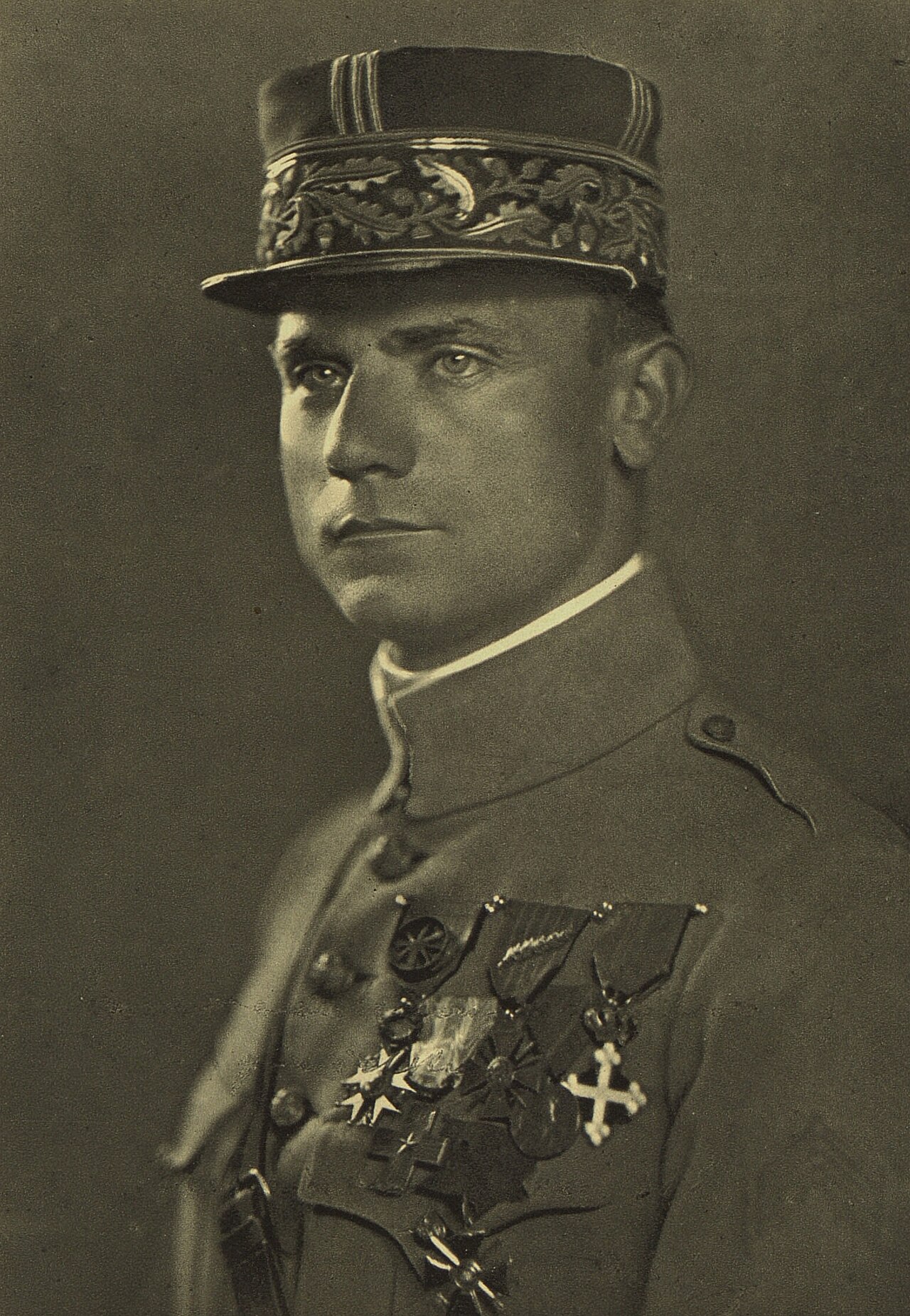
Portrait of Milan Rastislav Štefánik
 Photograph
Primary source
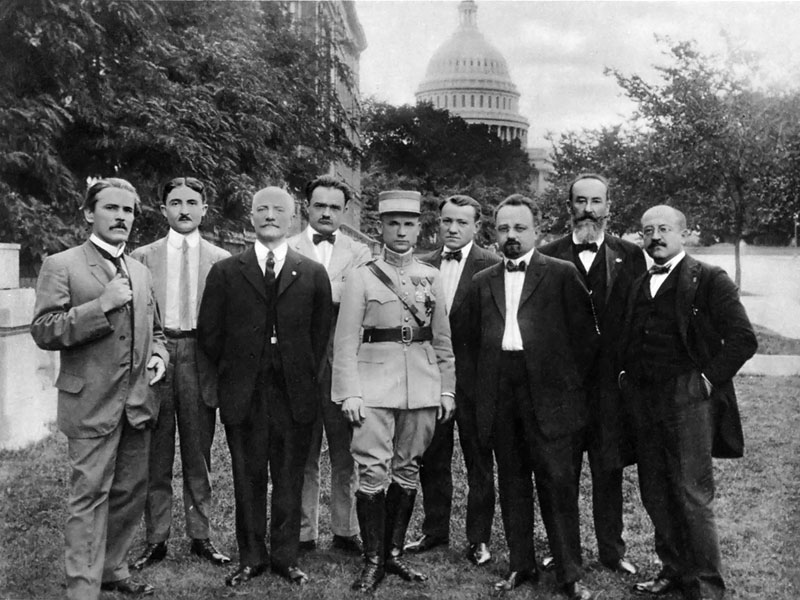
Štefánik with Political Collaborators in Washington, 1917
1917
 Photograph
Primary source
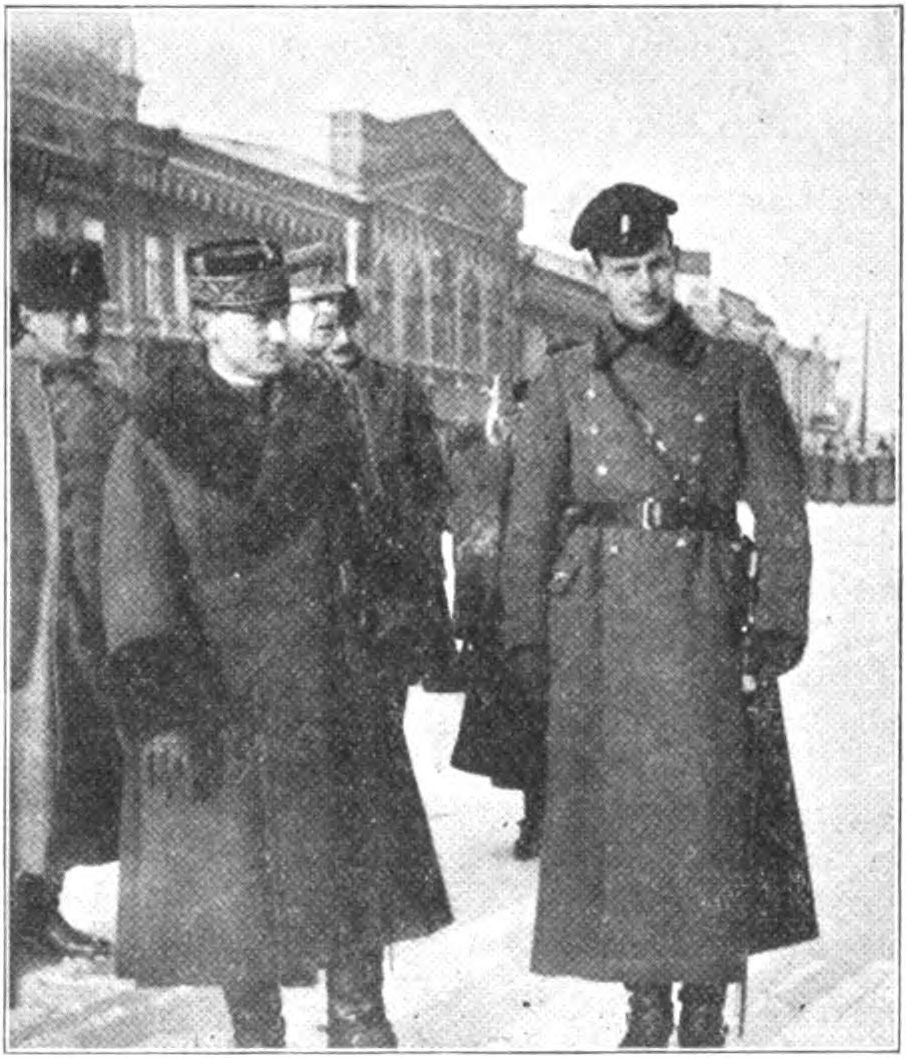
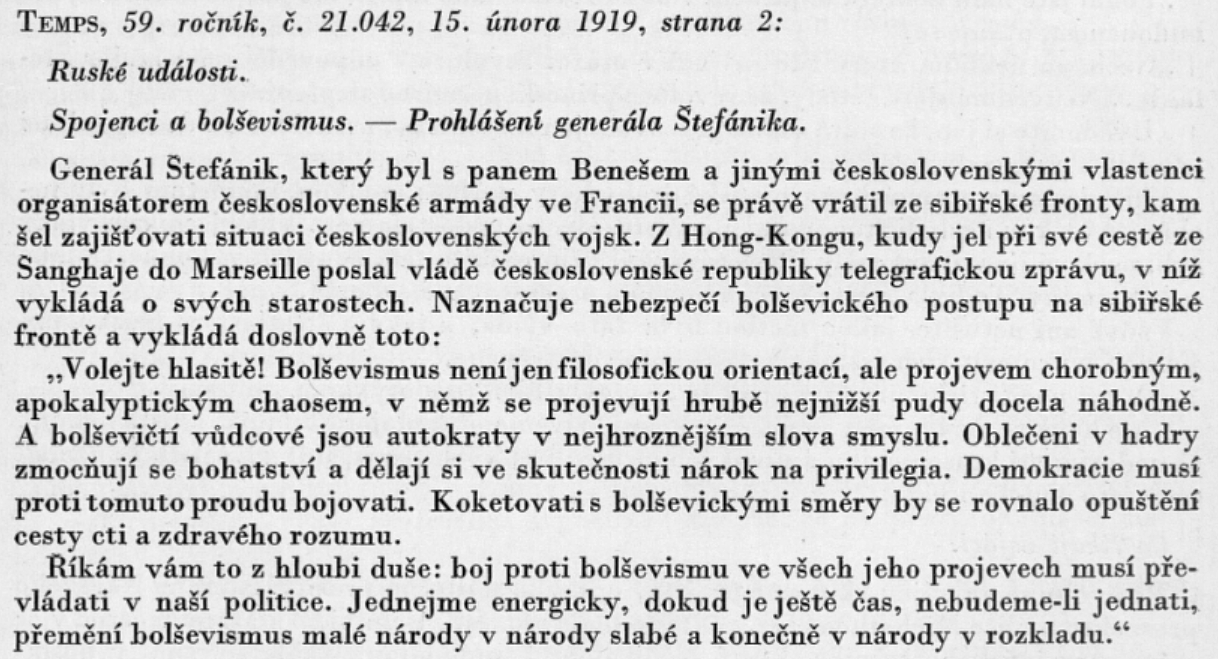
Štefánik and Gajda in Siberia
1918–1919
Free account
Browse every Milan Rastislav Štefánik source
Sign up free →
Ready when you are
Start chatting with Milan Rastislav Štefánik now.
20 messages free · No credit card · Available in 50+ languages.