


Secondary sourceDocument1930
Memorandum on the Monroe Doctrine
J. Reuben Clark · 1930
A 1930 analysis by J. Reuben Clark examining the origins and meaning of the Monroe Doctrine announced by President Monroe in 1823.
This memorandum analyzes the Monroe Doctrine, the foreign policy statement most associated with Monroe's presidency.
About this source
What it is
This memorandum, written in 1930 by J. Reuben Clark, studies the Monroe Doctrine as announced by President James Monroe in his annual message of December 2, 1823.
It explains that Monroe's message addressed Russian expansion on the northwest coast and the independence of Spanish colonies in the Western Hemisphere.
Why it matters
This document shows how later officials and historians interpreted Monroe's foreign policy statement as a lasting doctrine. It helps students see how a single presidential message, Monroe's, grew into a long-term principle shaping United States relations with the Americas and Europe.
Look closer
- What two situations does the memorandum say Monroe was responding to?
- Why might officials over a century later still be analyzing Monroe's original message?
- What does this later analysis add or leave out compared to Monroe's original words?
This document is part of the curated material that grounds the AI version of James Monroe on Humy.ai — when students ask about related events, the AI can quote it and cite it.
More James Monroe sources
Meet the AI James Monroe →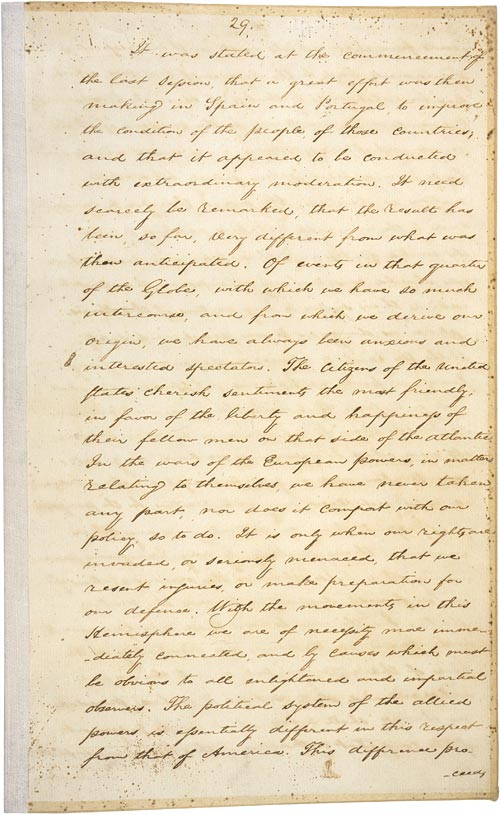 Speech
Primary source
Monroe Doctrine
James Monroe · 2 December 1823
Primary source
Louisiana Purchase Treaty
30 April 1803
 Document
Primary source
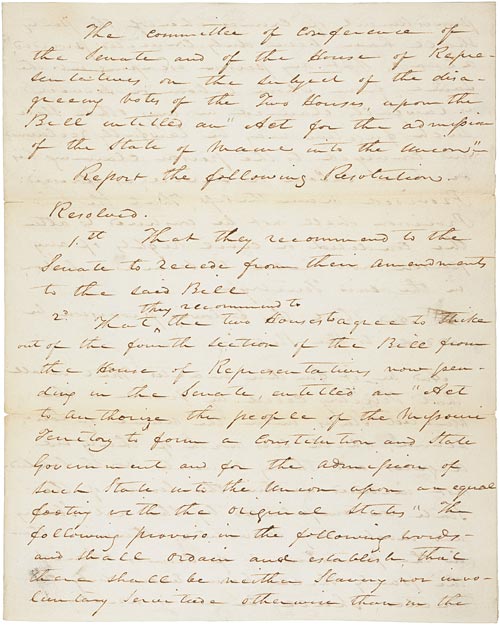
Missouri Compromise Conference Committee Report
1 March 1820
 Document
Primary source
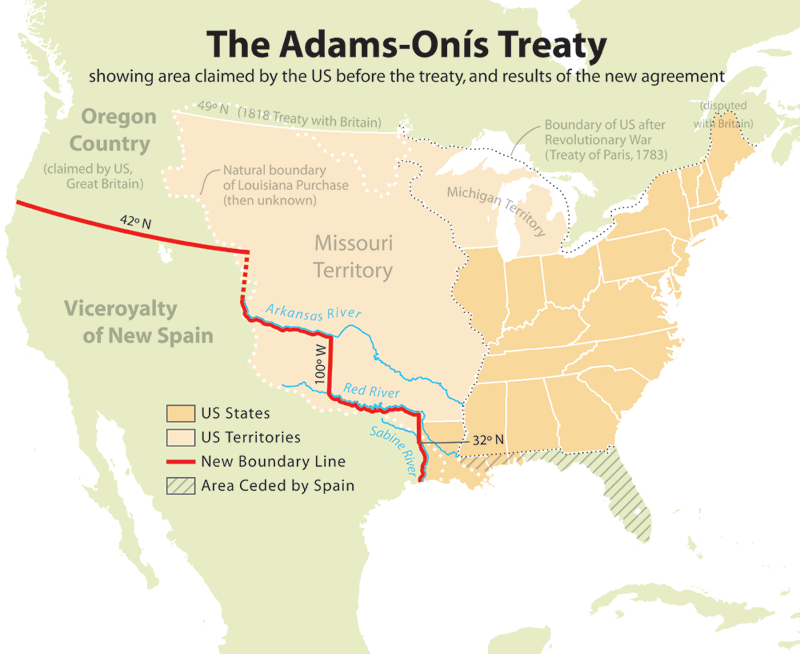
Adams–Onís Treaty
1819 (effective 1821)
 Painting
Primary source
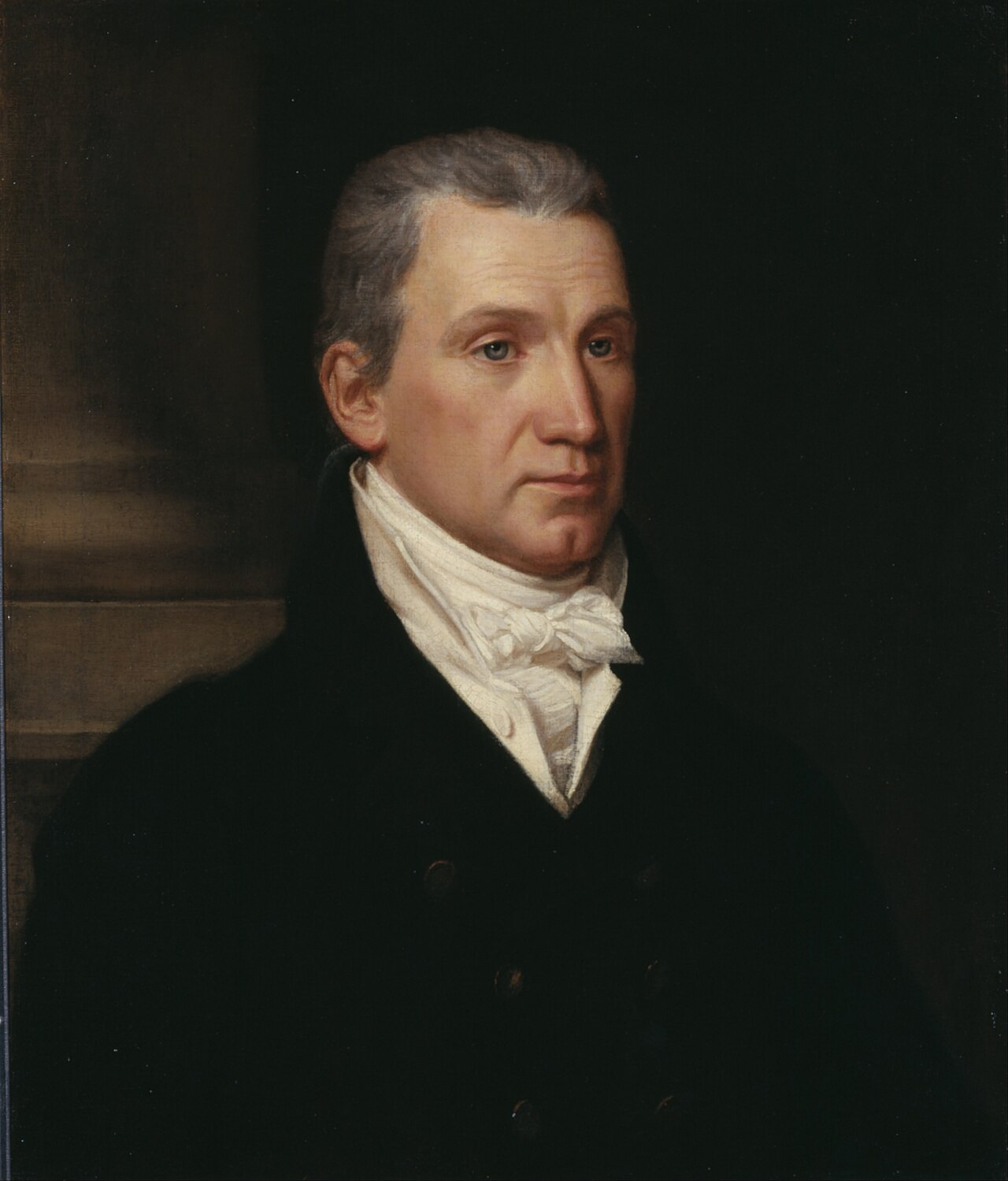
James Monroe
John Vanderlyn · 1816
Ready when you are
Start chatting with James Monroe now.
20 messages free · No credit card · Available in 50+ languages.