


Primary sourcePainting1967-1968
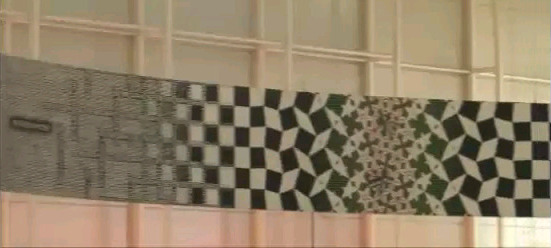
Metamorphosis III
M. C. Escher · 1967-1968
Escher's longest print, a nearly seven-metre woodcut showing patterns transform step by step from one image into another.
This is Escher's largest print, created by him and later enlarged into a mural, showing his signature technique of visual transformation.
About this source
What it is
A woodcut print made by Dutch artist M. C. Escher between 1967 and 1968, printed from thirty-three blocks onto six combined sheets. At about 19 cm by 680 cm, it is his largest print. A section of the design was later enlarged for a wall mural.
Why it matters
Metamorphosis III extends an idea Escher had explored before: images that gradually change into other images, from checkered grids into flowers, birds, boats, fish, horses, and winged envelopes, before returning to earlier patterns. It shows his fascination with transformation, repetition and tessellation, themes that made his work famous beyond the art world, including among mathematicians and scientists.
Look closer
- Which transformation in the sequence do you find most surprising, and why?
- Why might an artist choose woodcut and such a long format for this idea?
- What does the repeated use of a few shapes suggest about how Escher planned his work?
This painting is part of the curated material that grounds the AI version of M. C. Escher on Humy.ai — when students ask about related events, the AI can quote it and cite it.
More M. C. Escher sources
Browse all 55 →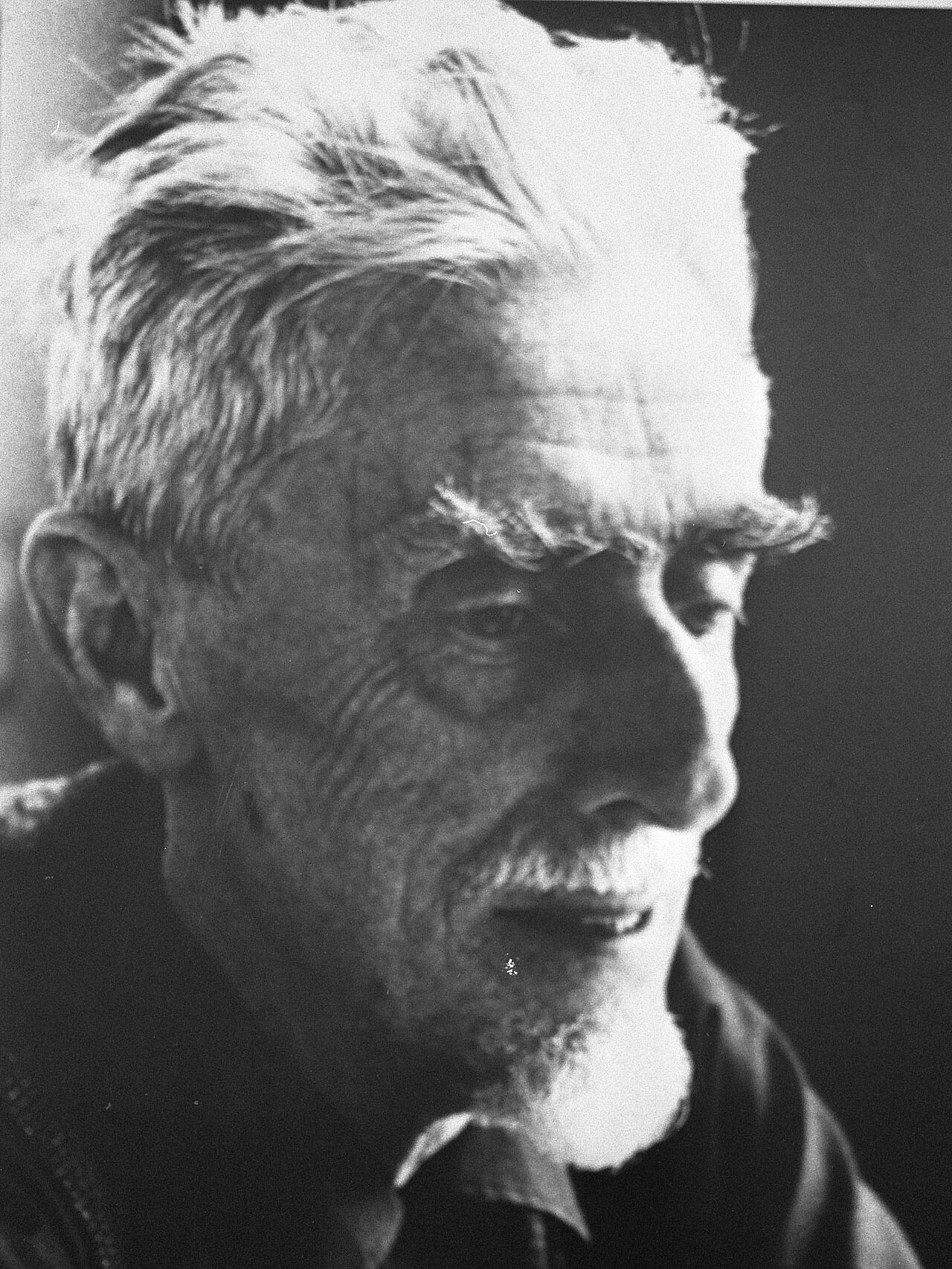 Photograph
Primary source
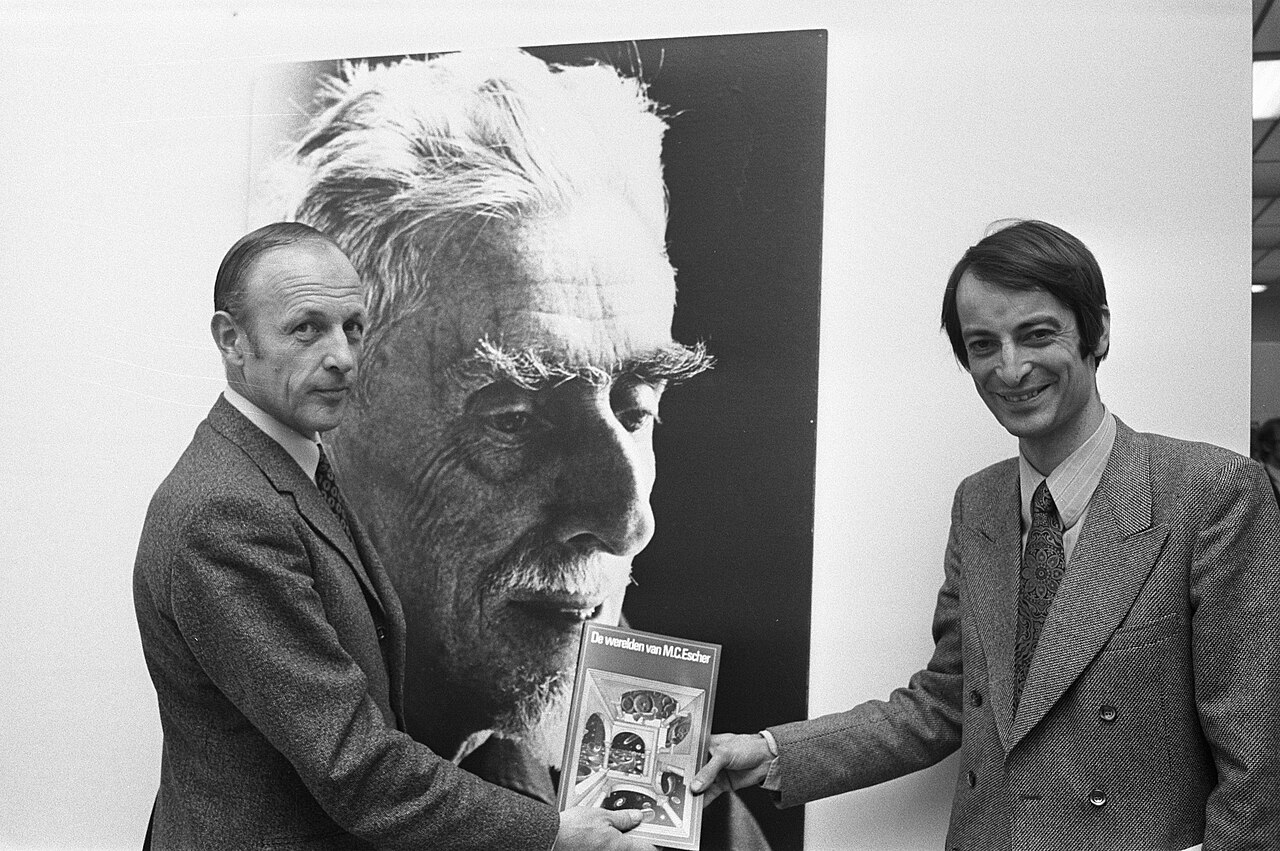
Portrait of M. C. Escher
Hans Peters (ANEFO), probably · c. 23 November 1971
 Photograph
Primary source
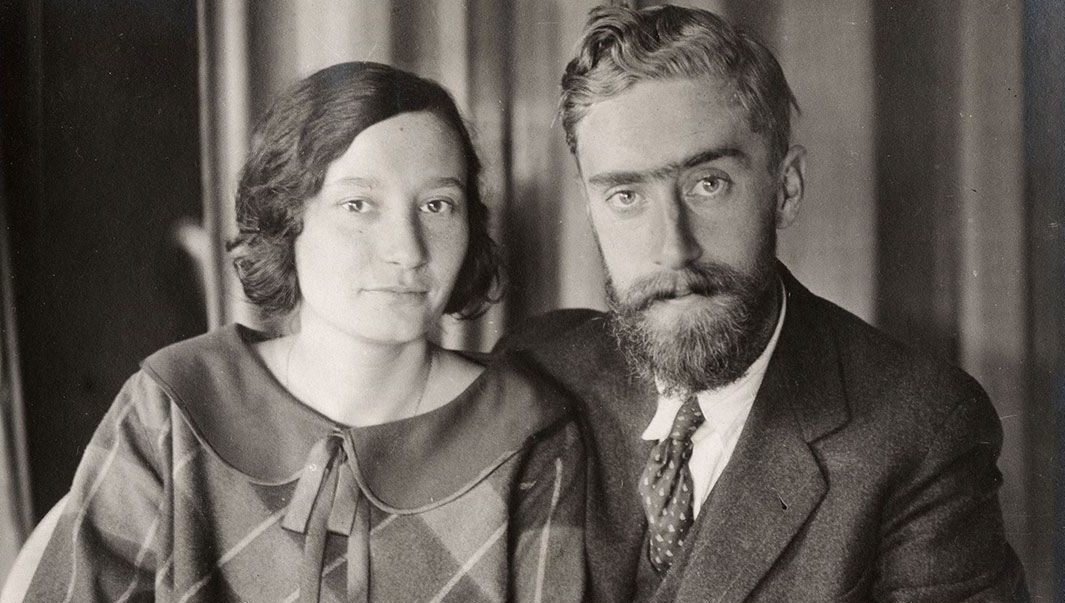
Jetta and Maurits, Newly Married
Unknown · 1924
 Artifact
Primary source
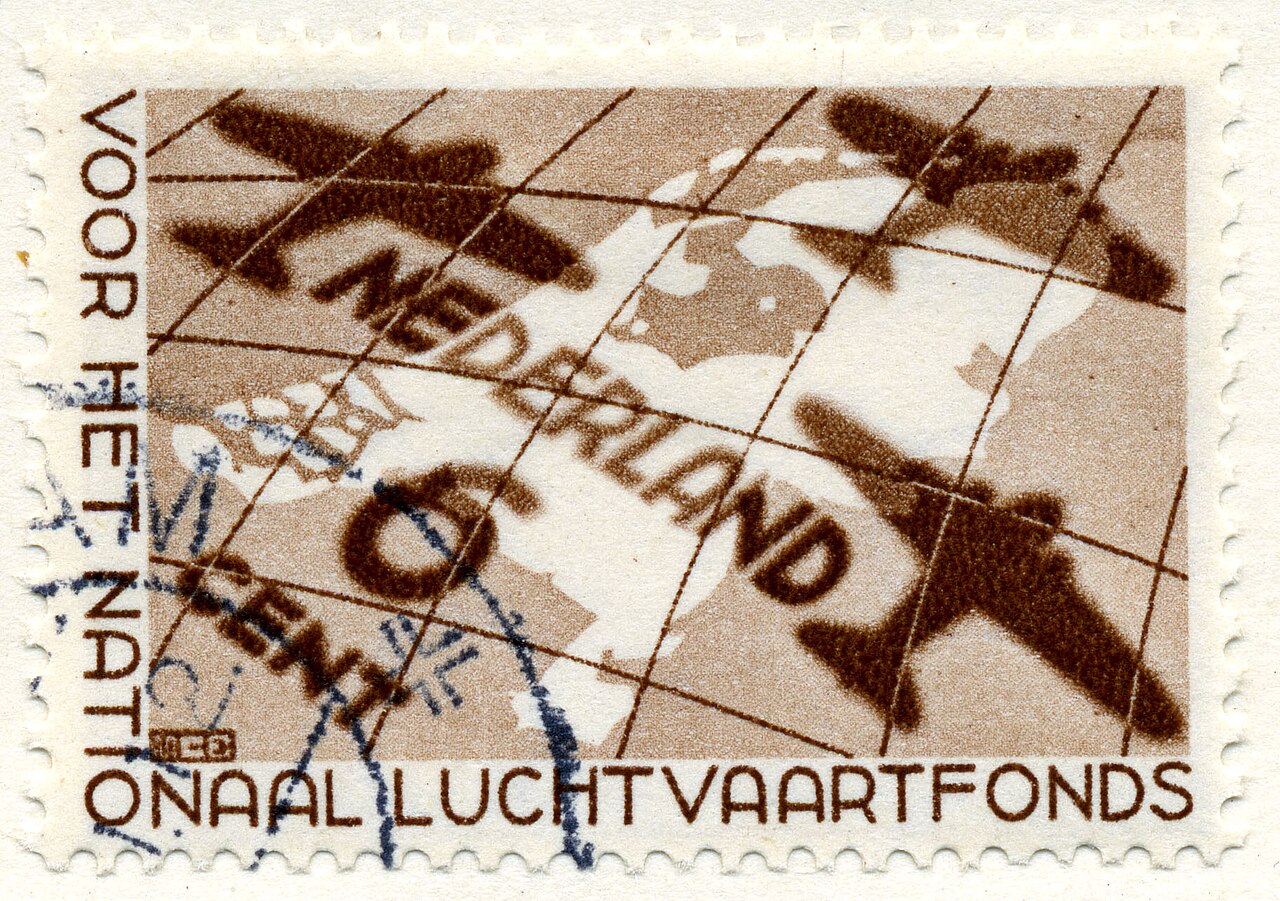
1935 Air Fund Postage Stamp
M. C. Escher, for Staatsbedrijf der Posterijen, Telegrafie en Telefonie · 1935
 Artifact
Primary source
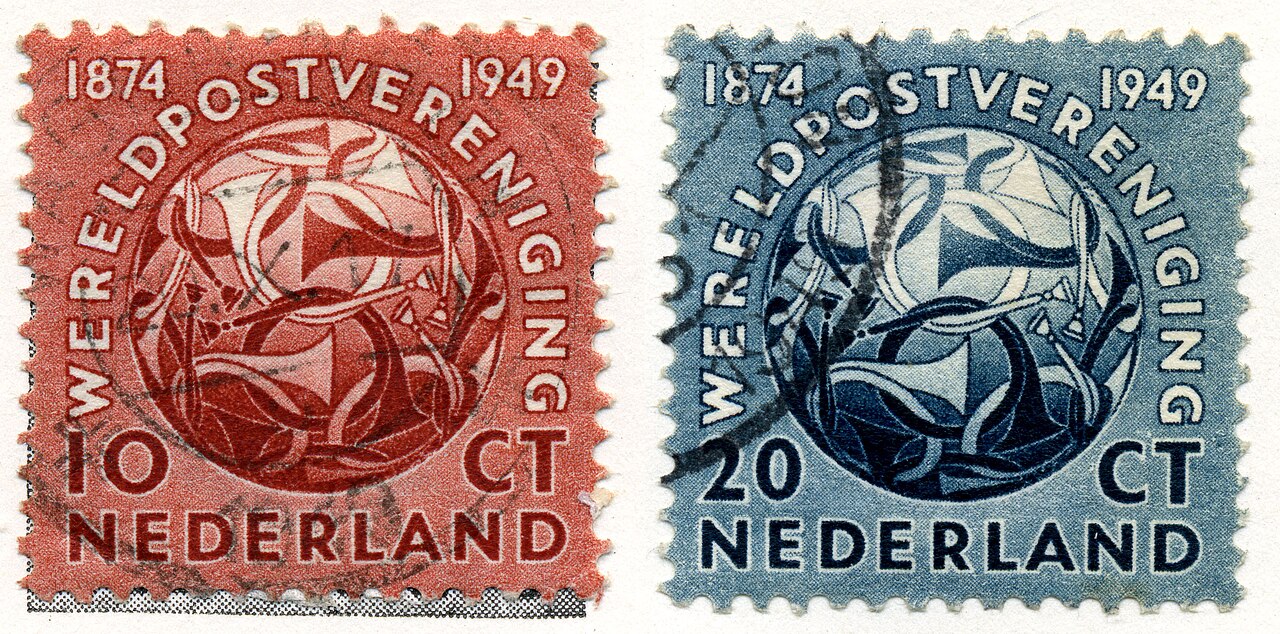
1949 Universal Postal Union Jubilee Stamps
M. C. Escher, for Staatsbedrijf der Posterijen, Telegrafie en Telefonie · 1949
Free account
Read every M. C. Escher source
Sign up free →
Ready when you are
Start chatting with M. C. Escher now.
20 messages free · No credit card · Available in 50+ languages.