


Primary sourceDocument5 November 1901
Method of Utilizing Radiant Energy
Nikola Tesla · 5 November 1901
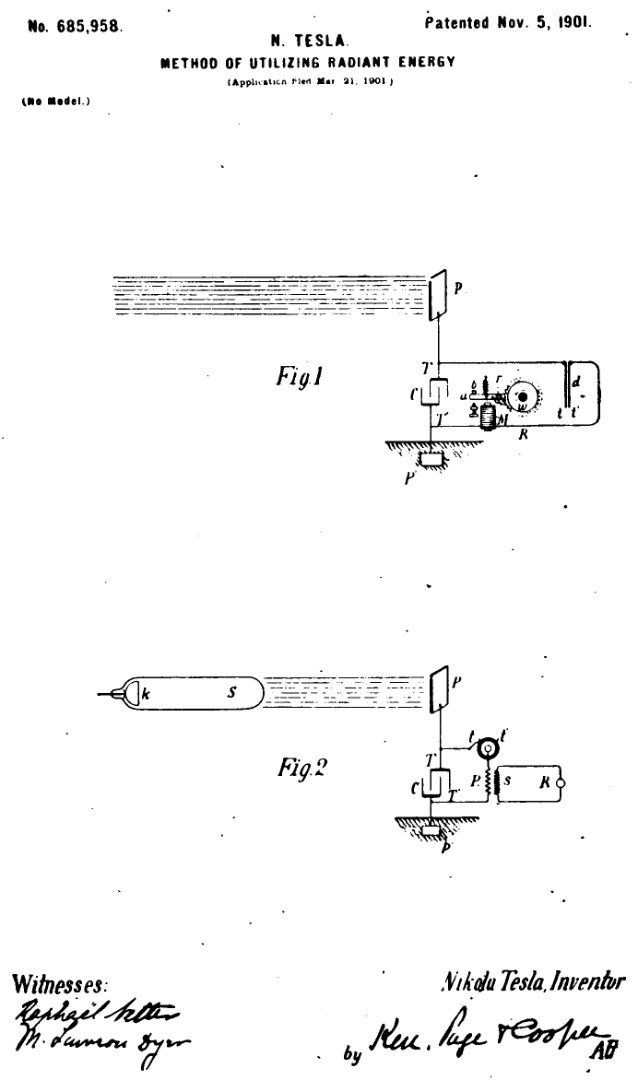
Tesla's own US patent, granted 5 November 1901, describing a method of utilizing radiant energy and how certain rays charge and discharge electrical conductors.
Shows Tesla as the inventor who wrote and filed this patent on a speculative method of using radiant energy.
About this source
What it is
This is a patent specification written by Nikola Tesla. It was filed on 21 March 1901 and patented on 5 November 1901. The scanned copy, held by the Internet Archive, opens with Tesla's name as inventor and the title Method of Utilizing Radiant Energy. The text begins by noting that certain radiations, such as ultra-violet light, cathodic rays and Roentgen rays, can charge and discharge electrical conductors, with the discharge especially noticeable when the conductor is negatively charged.
Why it matters
A patent is a legal description of an invention, so this document shows what Tesla claimed to have devised and how he explained it to the government office that granted it. It is a primary source for Tesla's own ideas. It does not show that the method worked as he described, and a patent should be read as the inventor's account rather than independent proof.
Look closer
- Which kinds of rays does Tesla name at the start, and why might he have chosen to begin with them?
- Why would an inventor write a patent in such formal, technical language, and who was it written for?
- What does the document leave out about how well the method performed in practice?
This document is part of the curated material that grounds the AI version of Nikola Tesla on Humy.ai — when students ask about related events, the AI can quote it and cite it.
More Nikola Tesla sources
Meet the AI Nikola Tesla →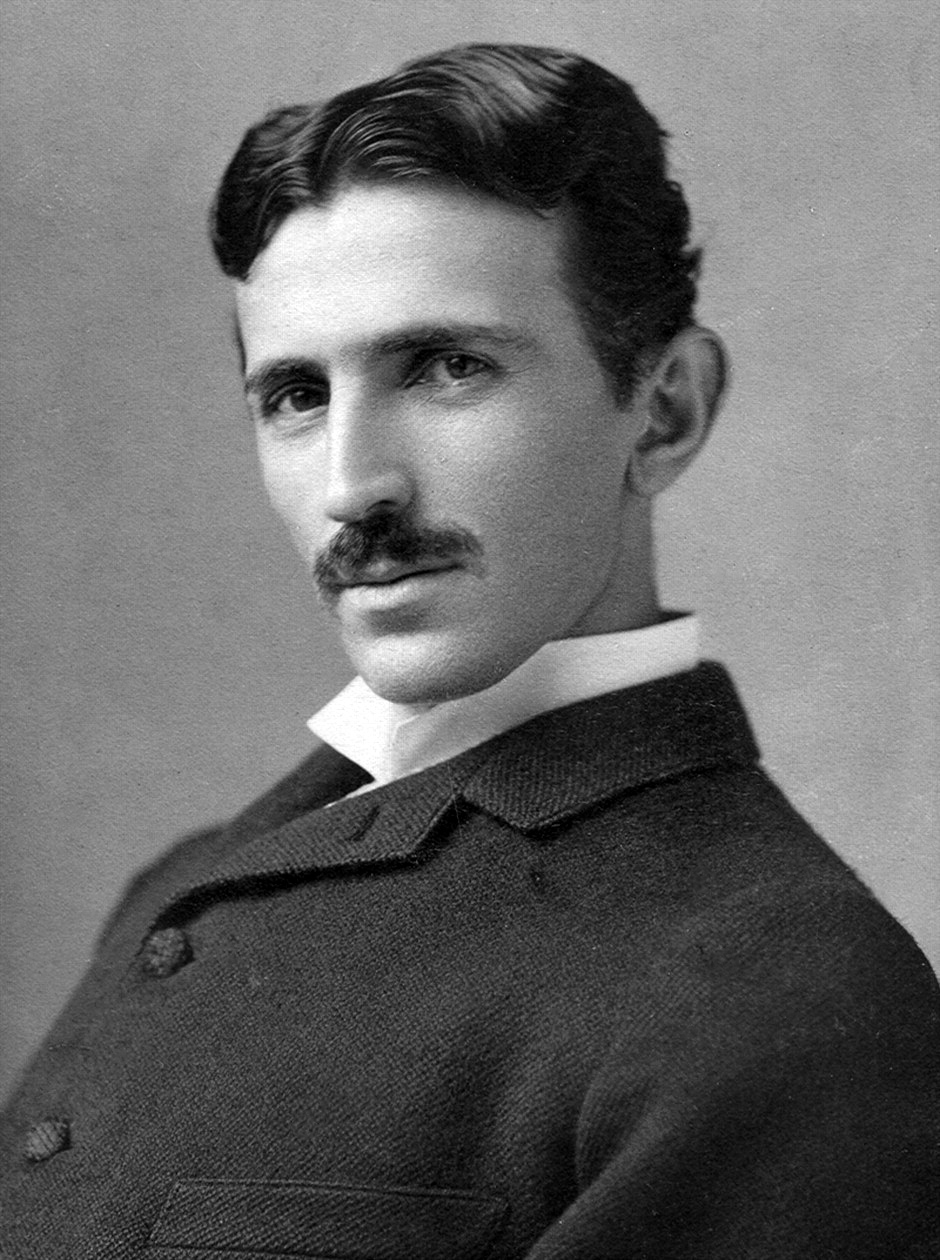 Photograph
Primary source
Portrait of Nikola Tesla
Napoleon Sarony · c. 1890
 Photograph
Primary source
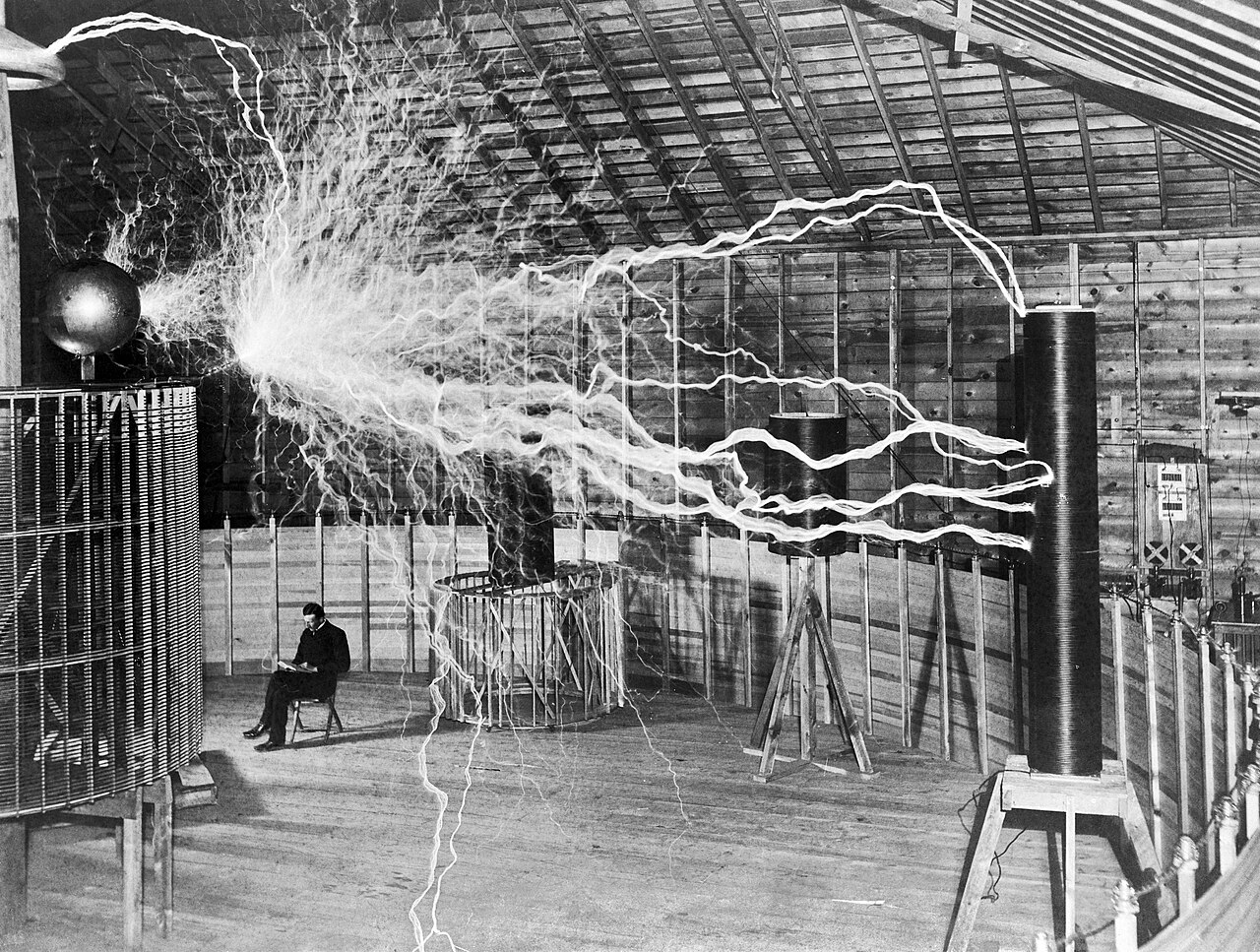
Nikola Tesla with his Equipment at Colorado Springs
Dickenson V. Alley · c. 1899
 Artifact
Primary source
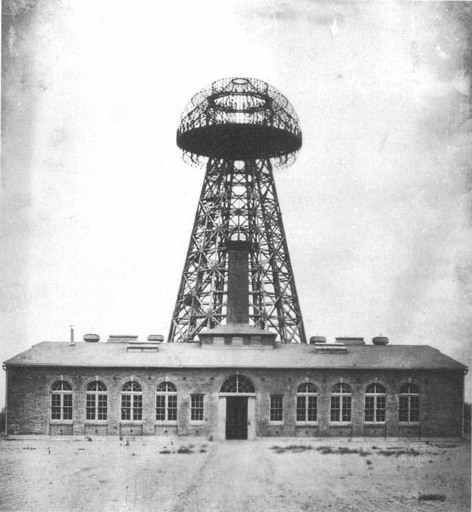
Wardenclyffe Tower
Nikola Tesla · 1901-1904
 Book
Primary source
Experiments with Alternate Currents of High Potential and High Frequency
Nikola Tesla · 1892
 Artifact
Primary source
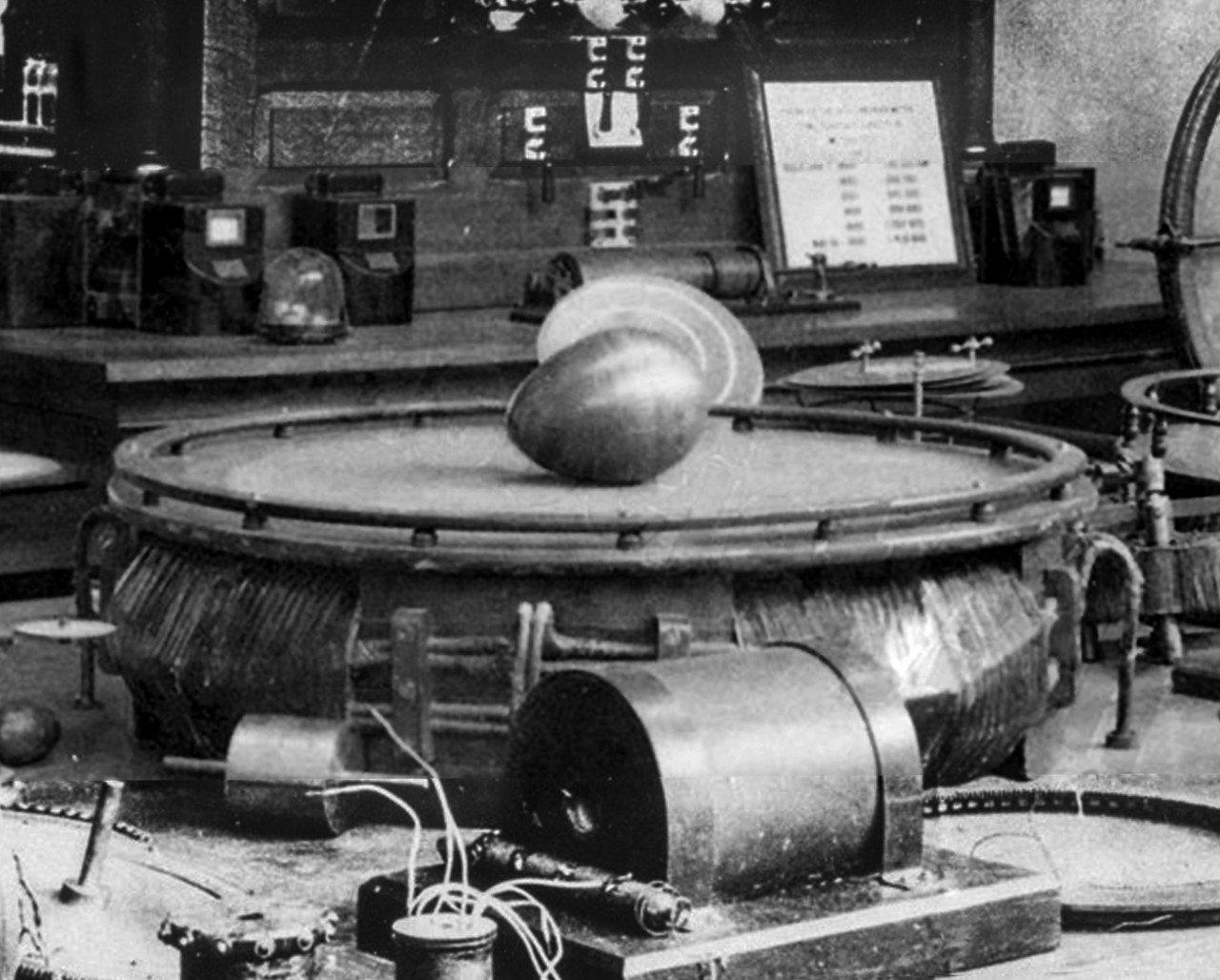
Tesla's Egg of Columbus
Nikola Tesla · 1893
Ready when you are
Start chatting with Nikola Tesla now.
20 messages free · No credit card · Available in 50+ languages.