


Primary sourceSculpture447-438 BC
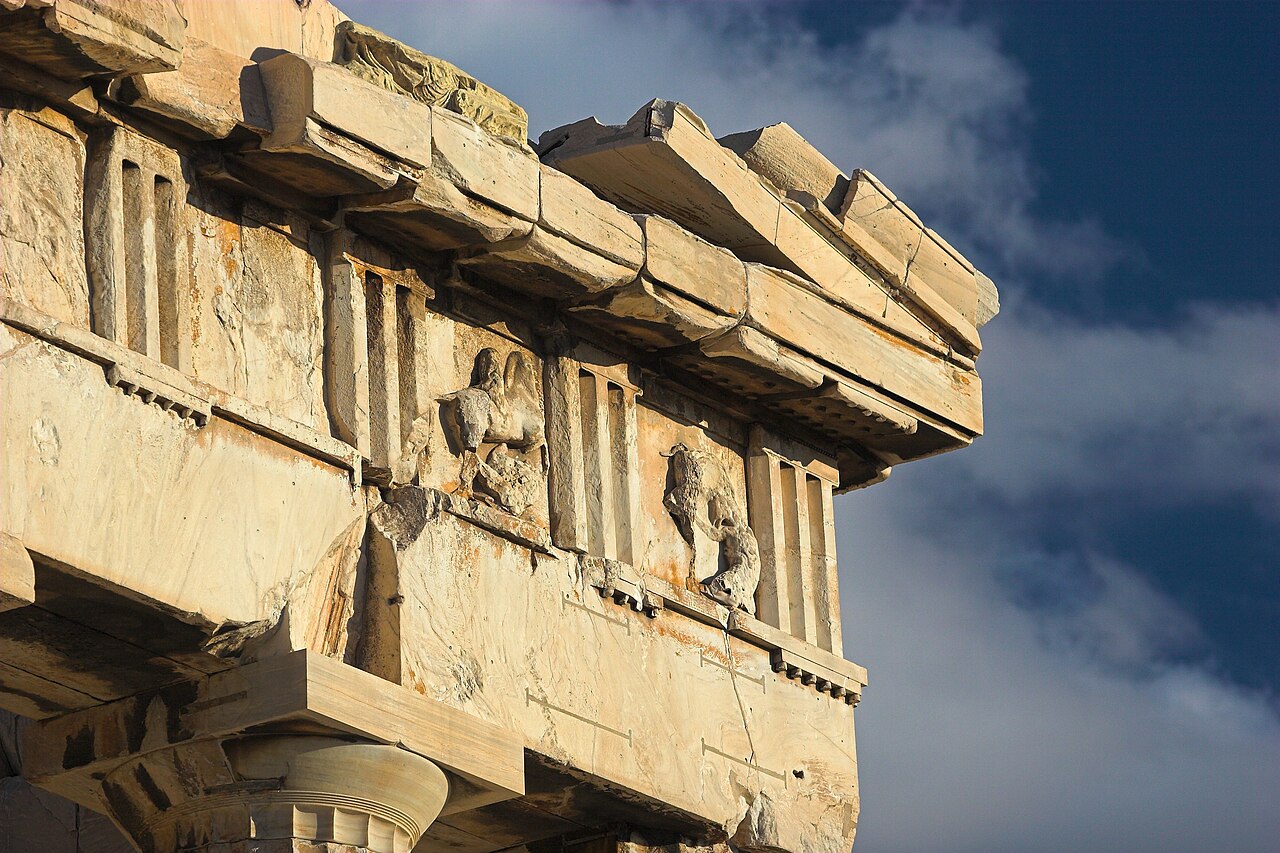
Metopes of the Parthenon
Phidias (attributed master builder) · 447-438 BC
Carved marble relief panels from the Parthenon depicting mythic battles, part of the building programme Pericles directed after the Persian sack of Athens.
Commissioned as part of the Parthenon building programme Pericles directed, expressing the ideology behind his rebuilding of the Acropolis.
About this source
What it is
These are carved marble plaques, originally 92 in number, that decorated the upper walls of the Parthenon on the Athenian Acropolis. Made under the master builder Phidias between about 447 and 438 BC, each panel shows two figures in battle. Surviving metopes are now split between the Acropolis and Acropolis Museum in Athens, the British Museum in London, and the Louvre in Paris.
Why it matters
The metopes show mythic battles—Amazons, the fall of Troy, giants, centaurs—that ancient and modern scholars read as symbols of the real conflict between Greeks and Persians. The Parthenon itself was funded by treasure Athens controlled through the Delian League, built under the programme Pericles championed to glorify the city after the Persians had sacked it. The sculptures reveal how Athenians used myth to justify and celebrate their power.
Look closer
- Why might a temple's decoration show battles between humans and mythical monsters rather than real historical events?
- What does the choice of funding (League treasure) tell you about Athens' relationship with its allies?
- Why are the surviving metopes now scattered across different countries, and what questions does that raise?
This sculpture is part of the curated material that grounds the AI version of Pericles on Humy.ai — when students ask about related events, the AI can quote it and cite it.
More Pericles sources
Meet the AI Pericles →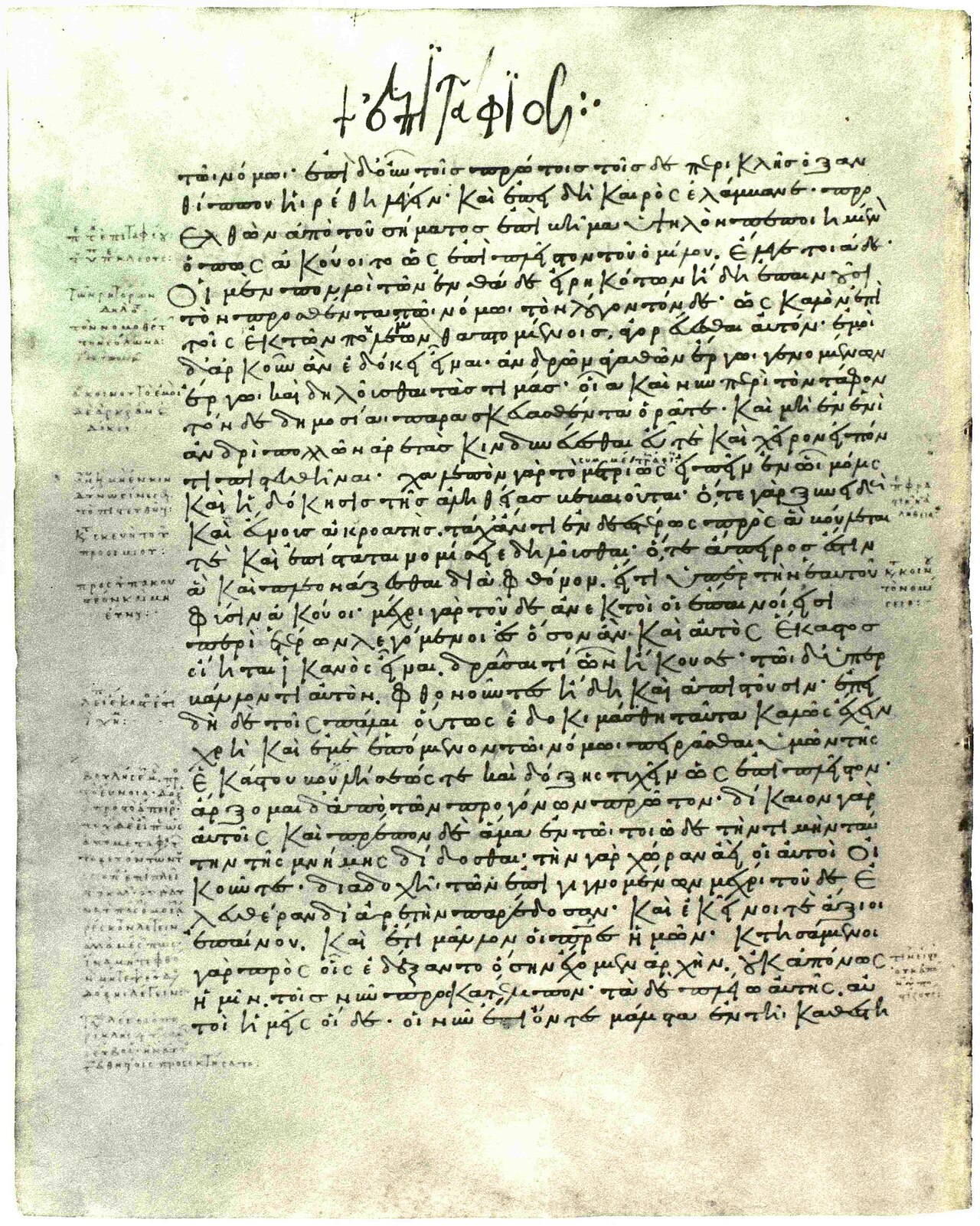 Speech
Secondary source
Pericles' Funeral Oration
Thucydides · 431/430 BCE
 Artifact
Primary source
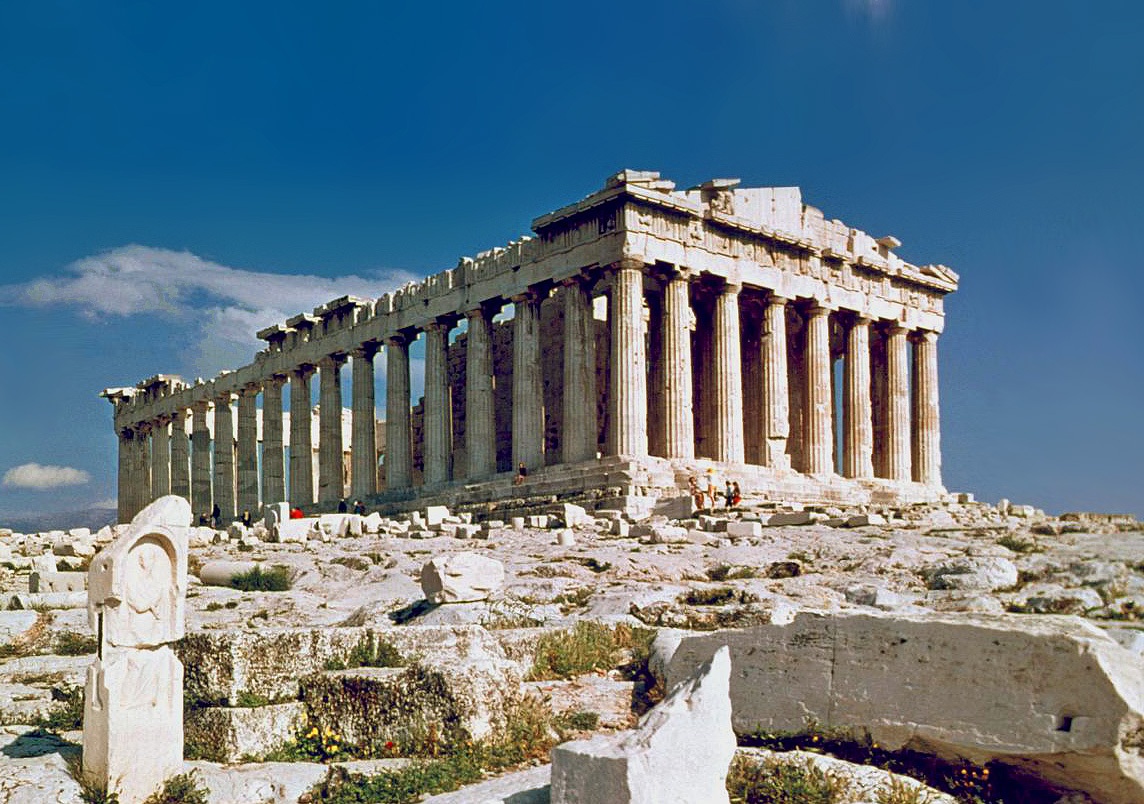
Parthenon
447-432 BCE
 Sculpture
Secondary source
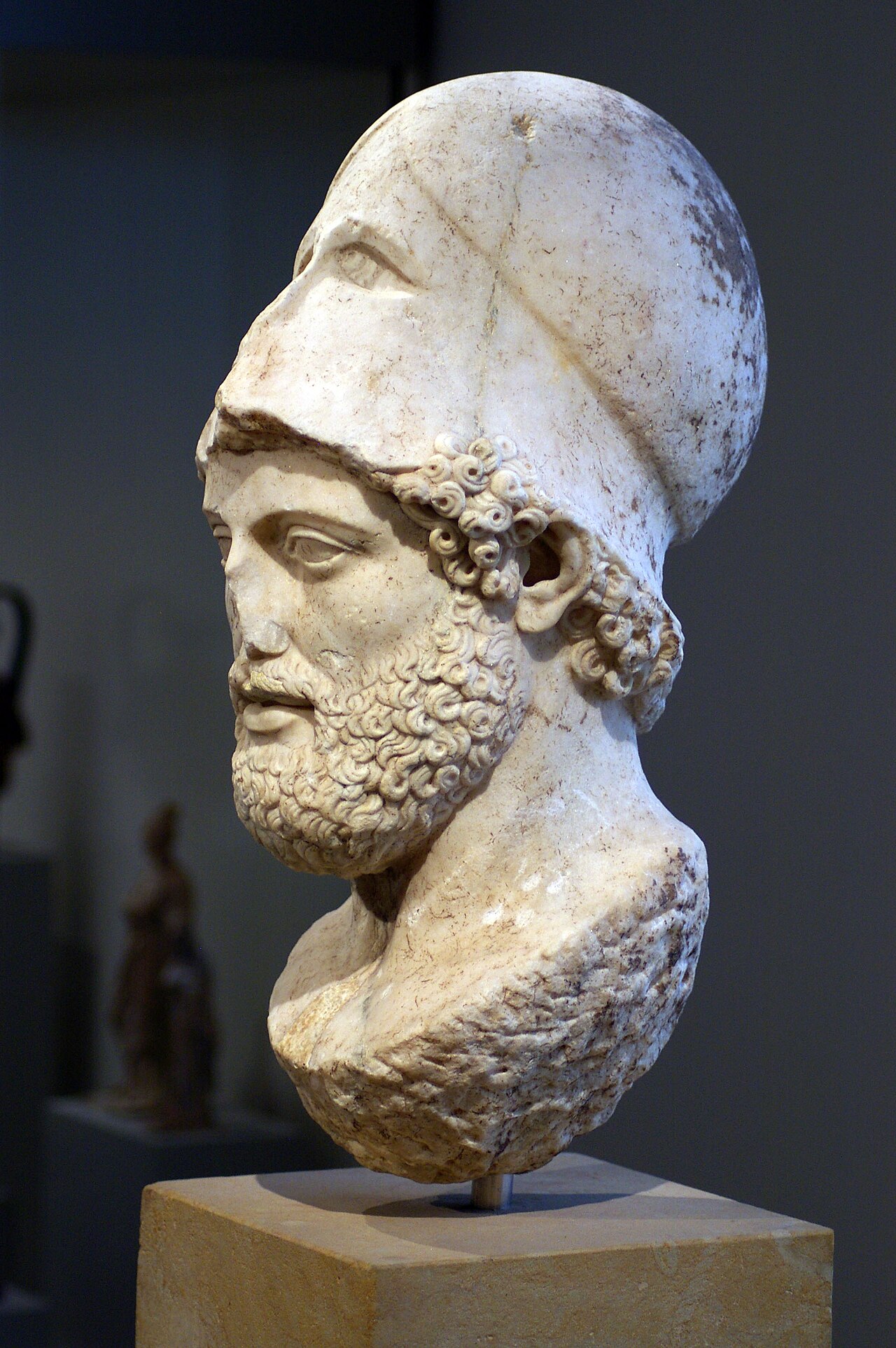
Pericles with the Corinthian Helmet
Kresilas · Roman copy, from a Greek original near Pericles' lifetime
 Book
Primary source
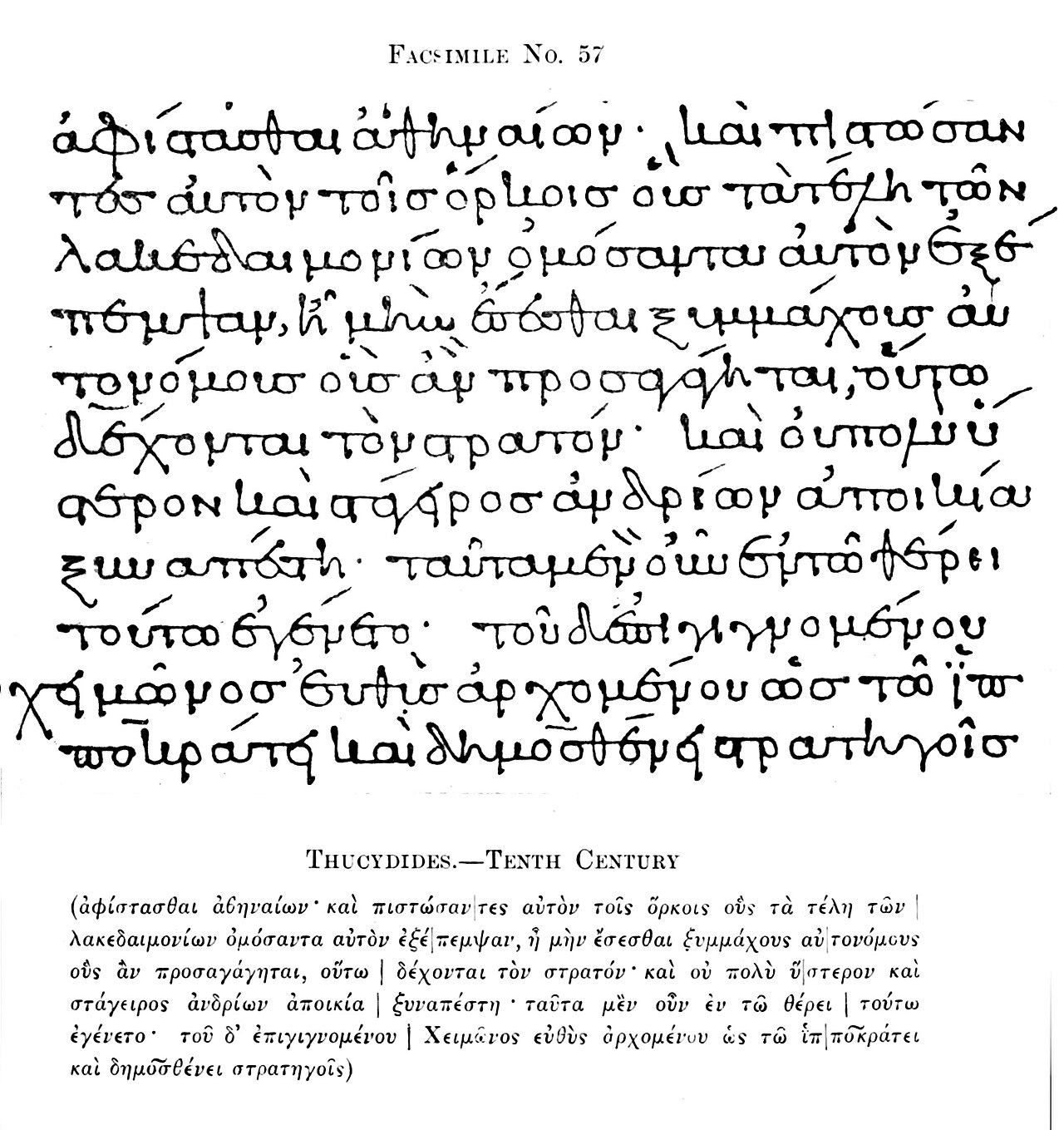
History of the Peloponnesian War
Thucydides · 5th century BCE
Secondary source
Life of Pericles
Plutarch
Ready when you are
Start chatting with Pericles now.
20 messages free · No credit card · Available in 50+ languages.