


Primary sourceArtifact1 December 1926
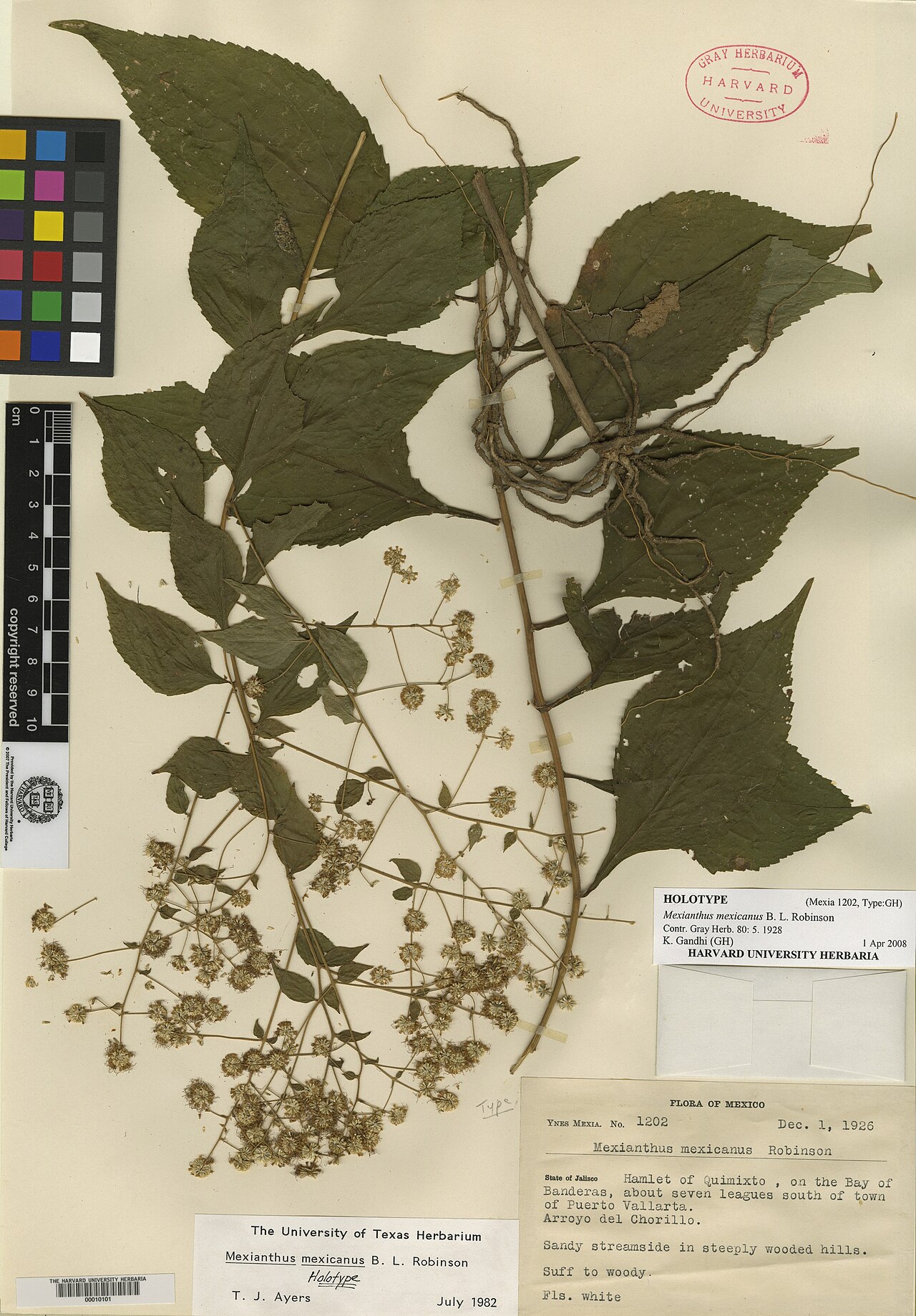
Mexianthus mexicanus Holotype
Harvard University Herbaria · 1 December 1926
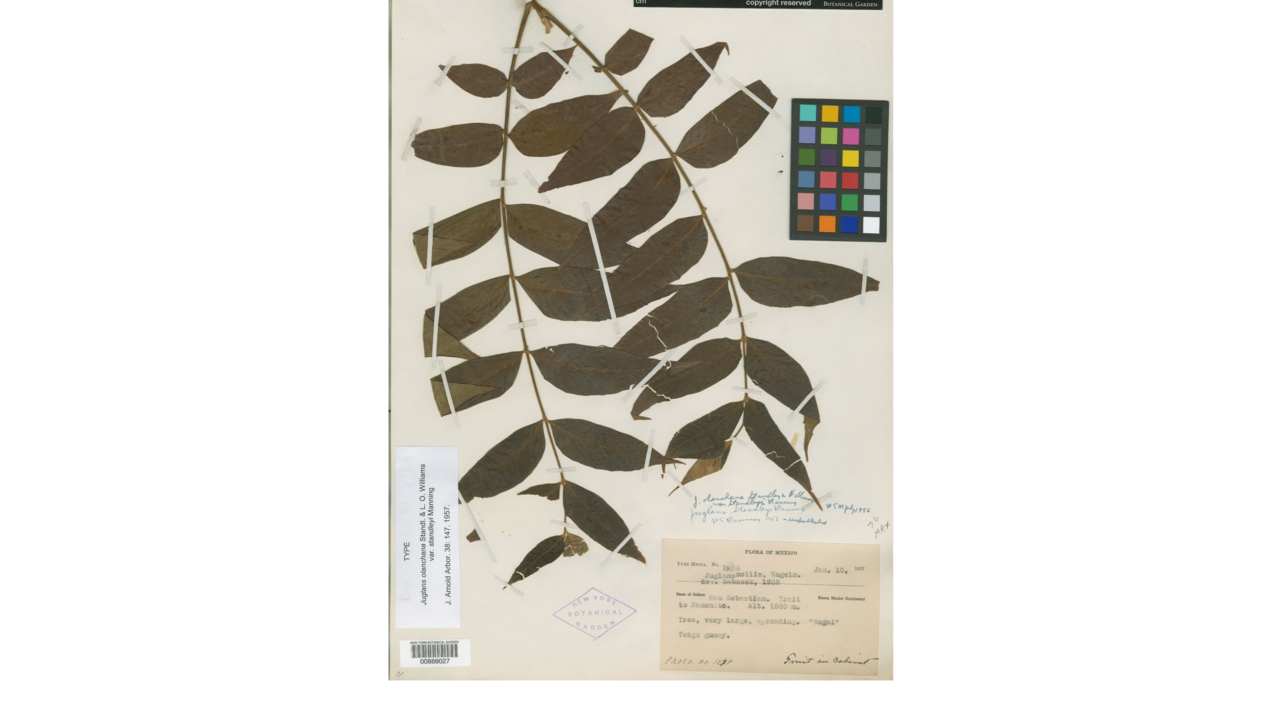
The original specimen used to define the plant genus Mexianthus, collected by Ynes Mexia in Mexico in 1926.
The specimen Mexia collected that became the type for a new genus named in her honor.
About this source
What it is
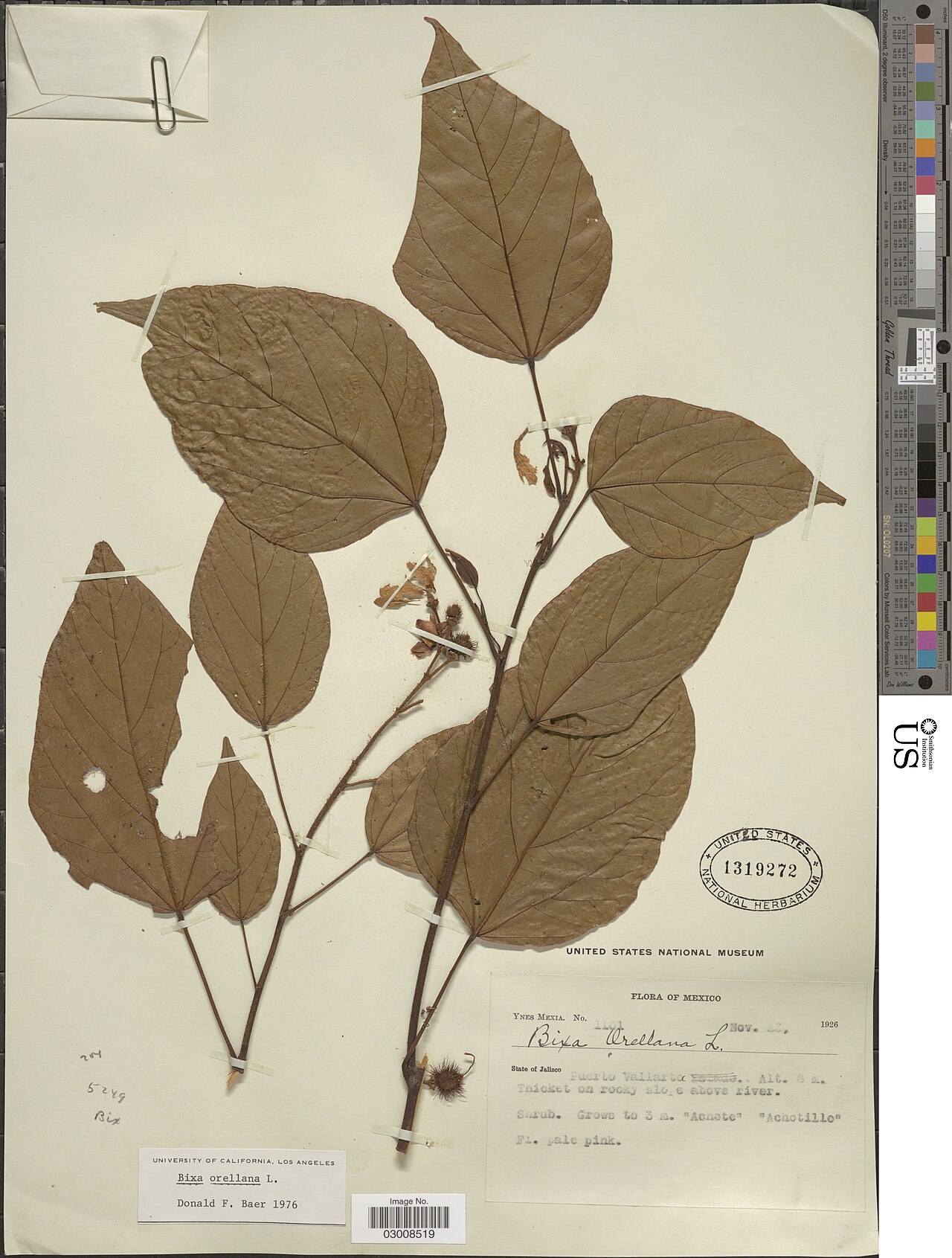
This is a pressed and dried herbarium specimen, the holotype of Mexianthus mexicanus, collected by Ynes Mexia on 1 December 1926 near Puerto Vallarta, Mexico. It is held at the Harvard University Herbaria.
Why it matters
A holotype is the single specimen scientists use to officially define a species. This one led to the naming of an entirely new genus, Mexianthus, after Mexia herself, recognizing the significance of her discovery and her contribution to botany.
Look closer
- What details on the labels tell you this is a holotype rather than an ordinary specimen?
- Why do scientists need to keep a single reference specimen like this one?
- What does having a genus named after her suggest about how botanists valued Mexia's work?
This artifact is part of the curated material that grounds the AI version of Ynes Mexia on Humy.ai — when students ask about related events, the AI can quote it and cite it.
More Ynes Mexia sources
Browse all 27 →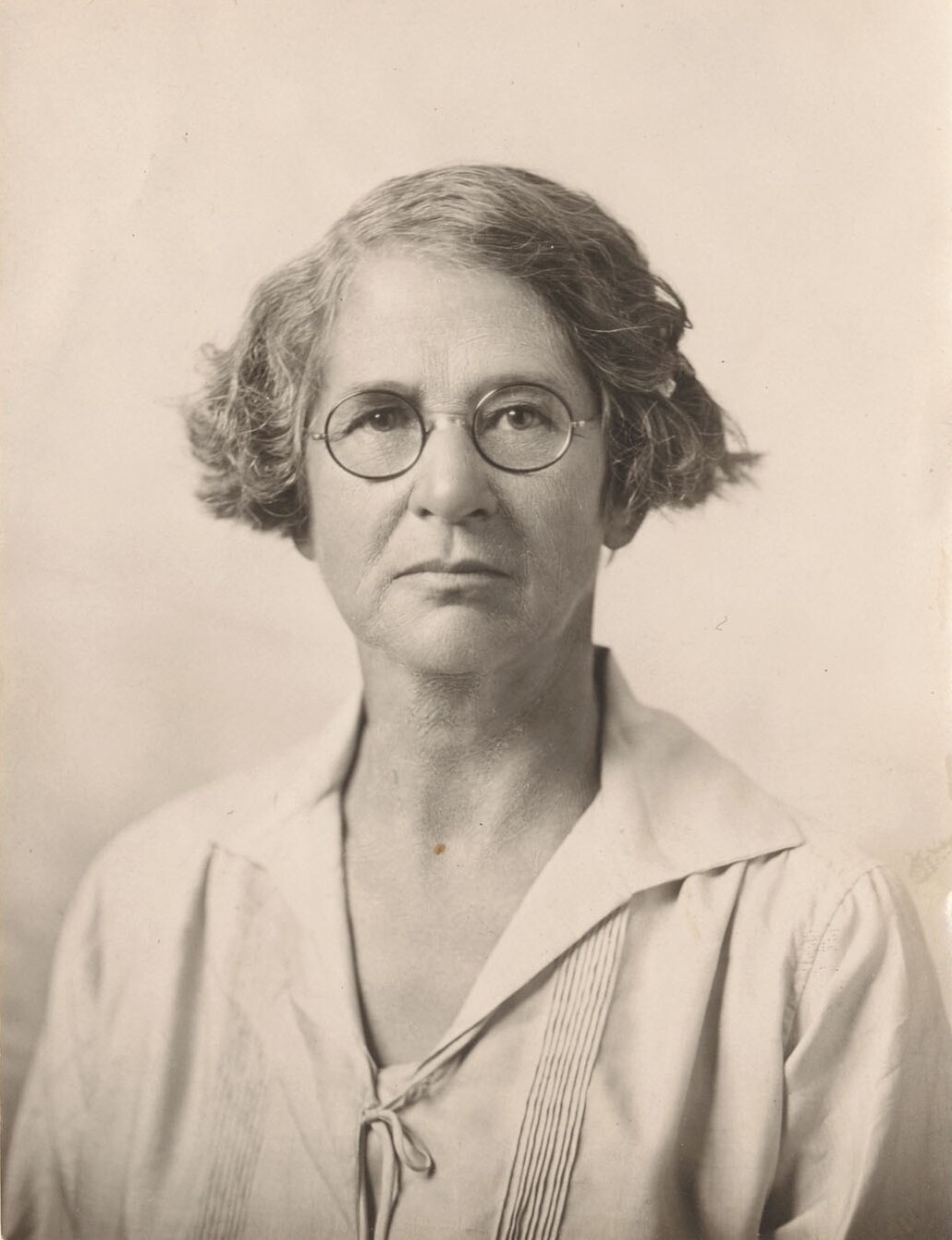 Photograph
Primary source
Ynés Mexía Portrait
Unknown · 1920s
Primary source
Botanical Trails in Old Mexico
Ynes Mexia · 1929
 Photograph
Primary source
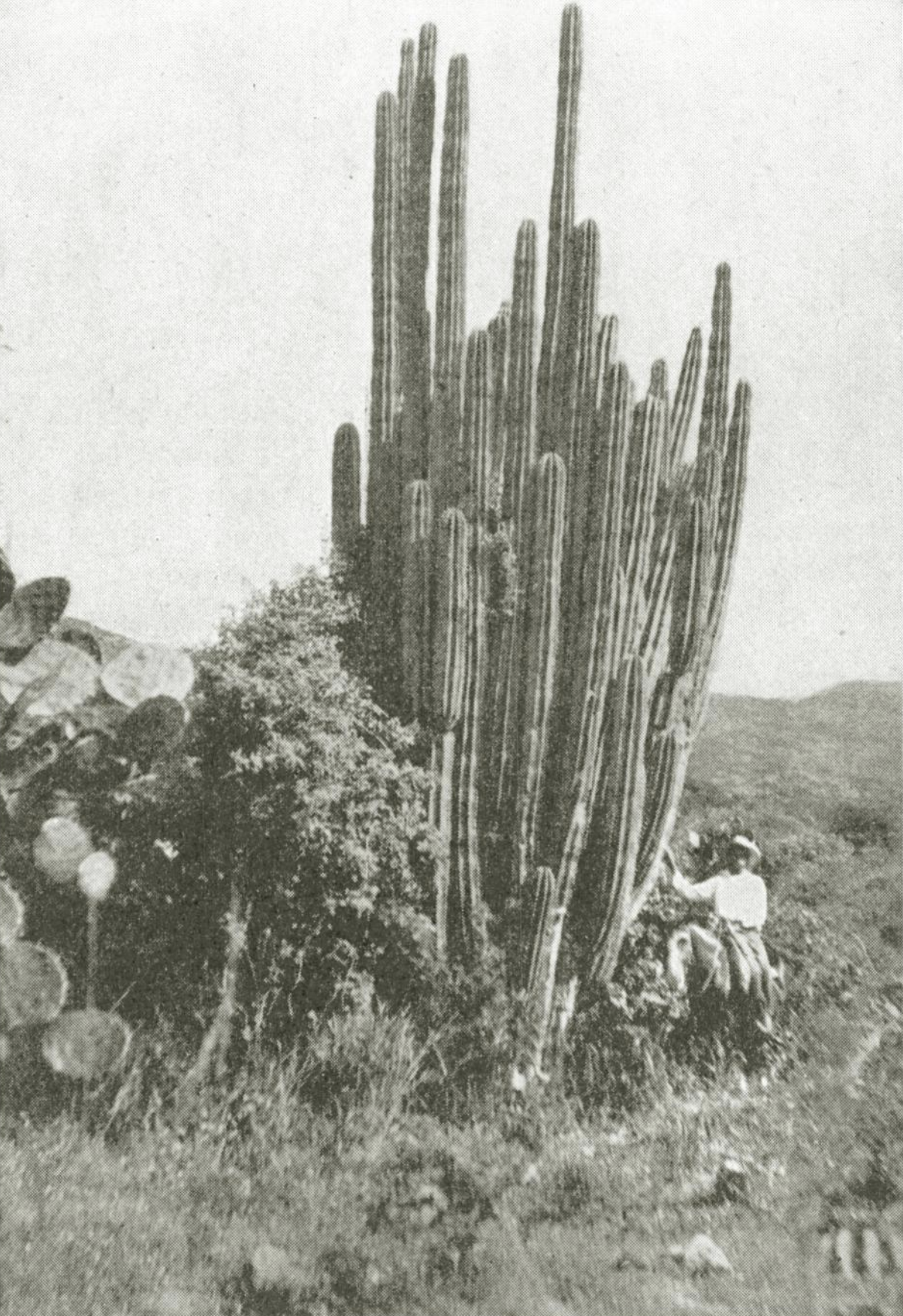
Stenocereus montanus at Ixtlán del Río
Ynes Mexia · 1926-1927
 Artifact
Primary source
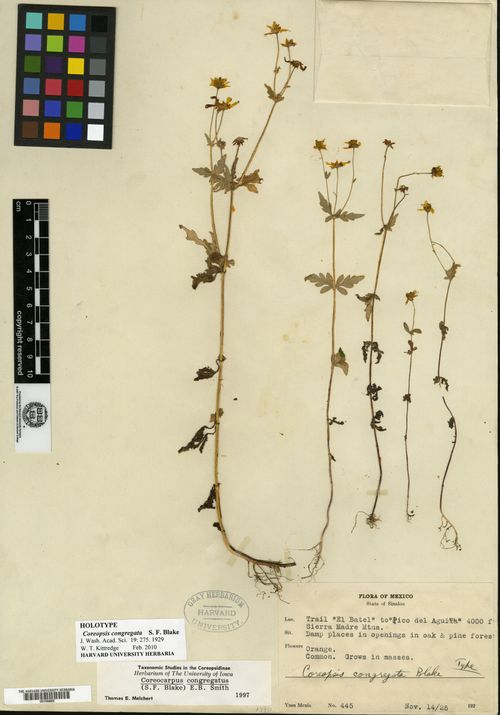
Coreopsis congregata Holotype
President and Fellows of Harvard College
Free account
Browse every Ynes Mexia source
Sign up free →
Ready when you are
Start chatting with Ynes Mexia now.
20 messages free · No credit card · Available in 50+ languages.