


Secondary sourceBook1828
Mexico in 1827, Volume 1, Appendix
1828
An 1828 appendix from a book about Mexico that calls Hidalgo the apostate curate who raised rebellion against Spain. It shows how an opponent of independence described him.
A hostile contemporary text that names Hidalgo as an apostate curate, showing how opponents of independence described him.
About this source
What it is
This is an appendix from the first volume of a book titled Mexico in 1827, dated 1828. The text is a transcription on Wikisource, which volunteers prepared, so it is a modern typed version of the printed text and not the printed page itself. The appendix opens with extracts from a representation addressed to the Viceroy of Buenos Ayres by the agent of the landholders of the province, dealing with trade and the treasury. A passage in the text names Miguel Hidalgo as the apostate curate who had raised a tempest against the throne of Spain.
Why it matters
Hidalgo was a Catholic priest who led the Mexican War of Independence from 1810. The appendix was written about seventeen years after his death in 1811, and its author takes the side of Spain, so the word apostate reflects that viewpoint. Sources like this show how supporters of Spanish rule described the independence leaders. Readers should compare this framing with accounts written by people who supported independence.
Look closer
- Which words in the passage show the author's opinion of Hidalgo, and which words describe what happened?
- Who would the author have wanted to convince, and how does that shape the way the story is told?
- What does this appendix leave out about Hidalgo's own reasons for rising up?
This book is part of the curated material that grounds the AI version of Miguel Hidalgo y Costilla on Humy.ai — when students ask about related events, the AI can quote it and cite it.
More Miguel Hidalgo y Costilla sources
Meet the AI Miguel Hidalgo y Costilla →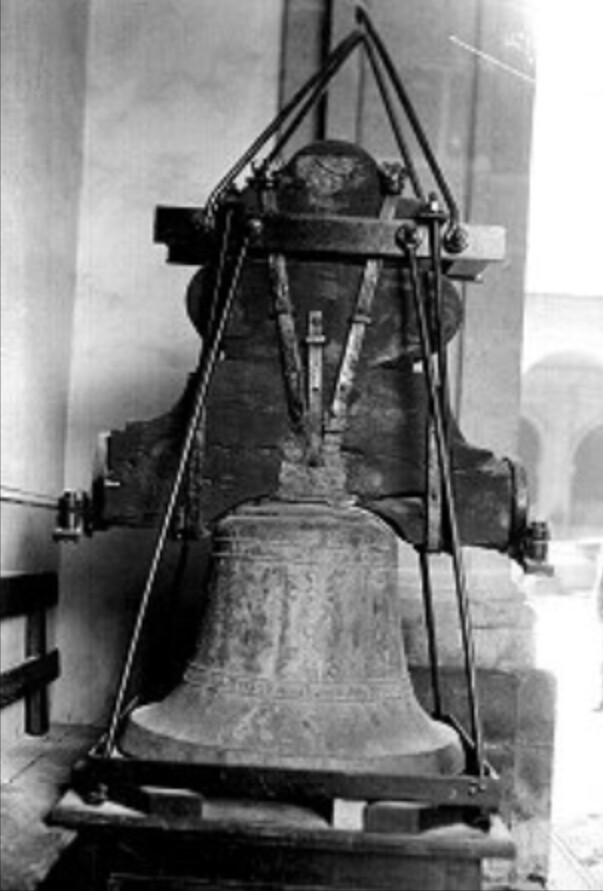 Speech
Secondary source
Grito de Dolores
Miguel Hidalgo y Costilla · 16 September 1810
 Document
Primary source
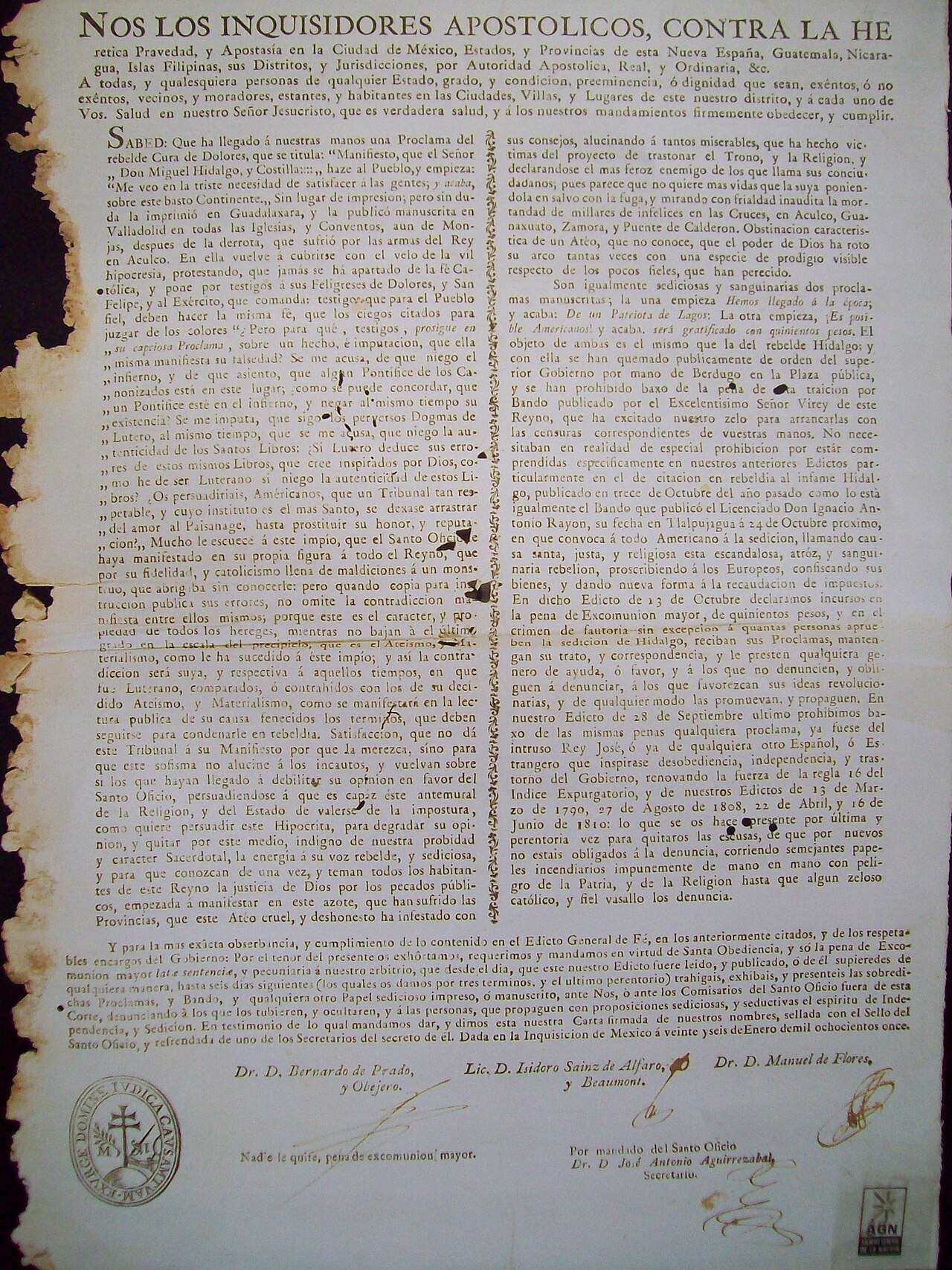
Edicto contra Hidalgo
Apostolic Inquisitors of New Spain · 1810
 Document
Primary source
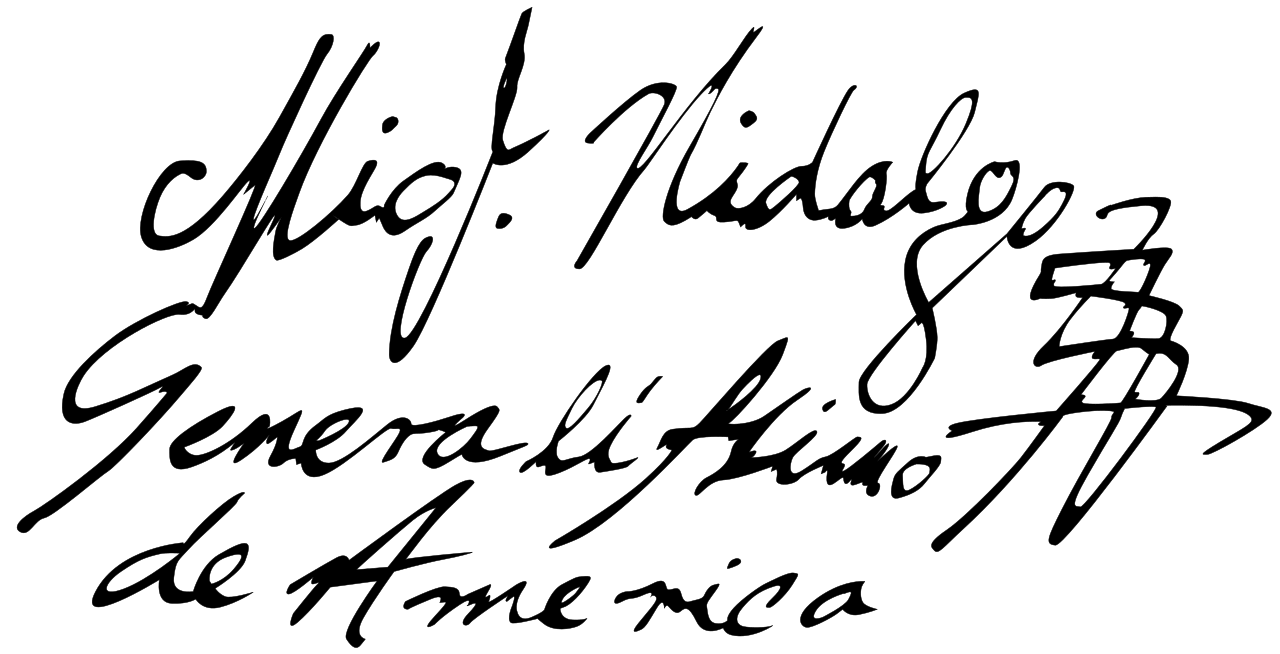
Signature of Miguel Hidalgo Y Costilla
Miguel Hidalgo y Costilla
 Artifact
Secondary source
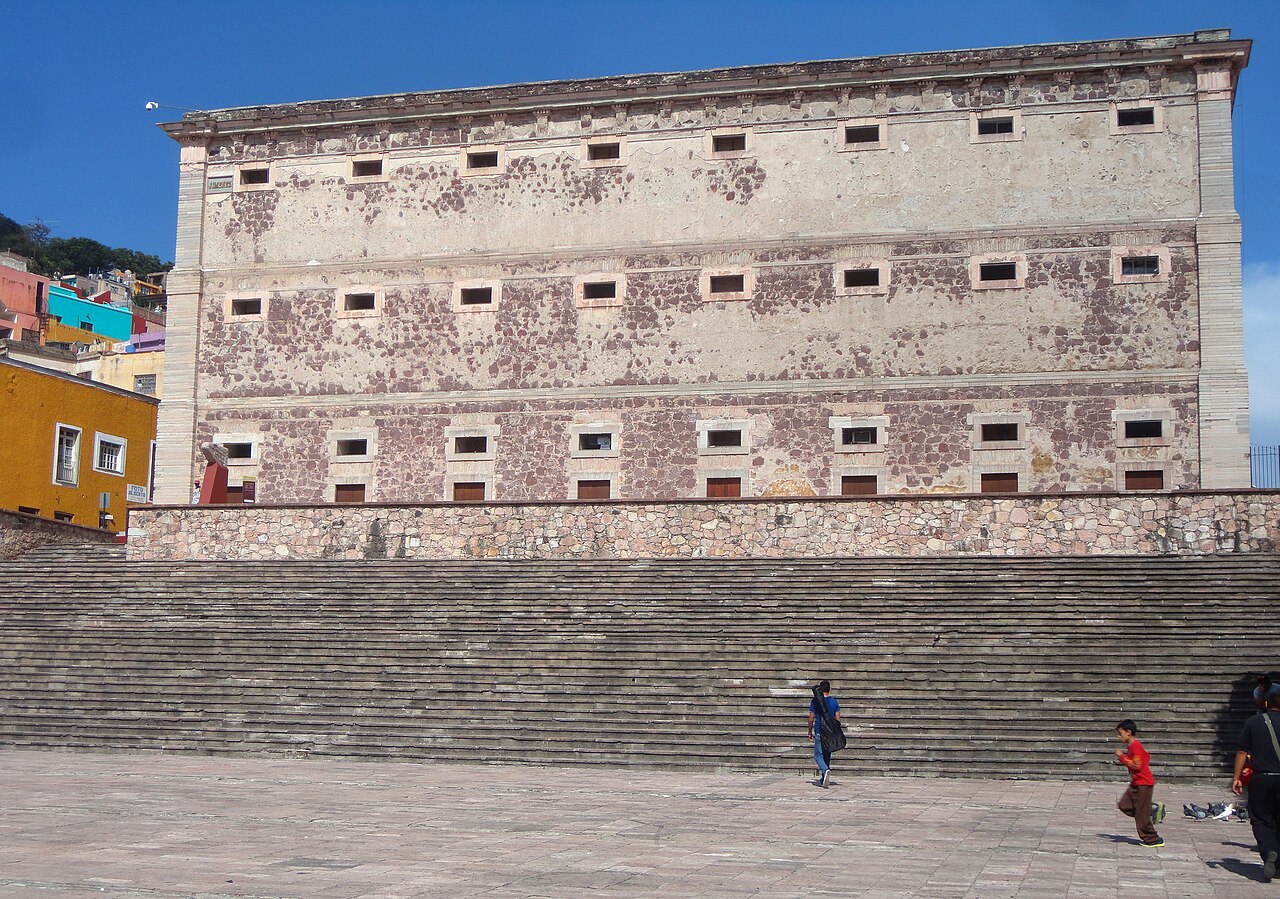
Alhóndiga de Granaditas
1798-1809 (built); 1810 (battle)
 Artifact
Secondary source
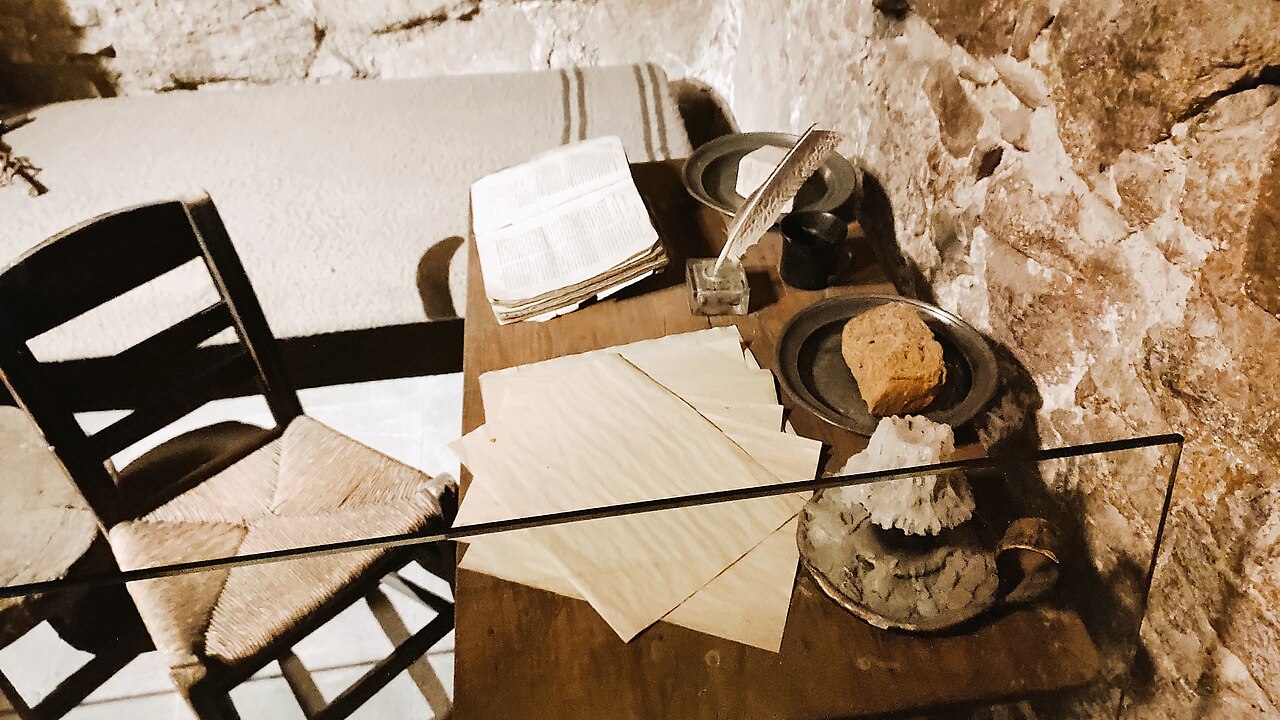
Calabozo de Hidalgo, Chihuahua
18th century
Ready when you are
Start chatting with Miguel Hidalgo y Costilla now.
20 messages free · No credit card · Available in 50+ languages.