


Primary sourceArtifactc. 1909–1913
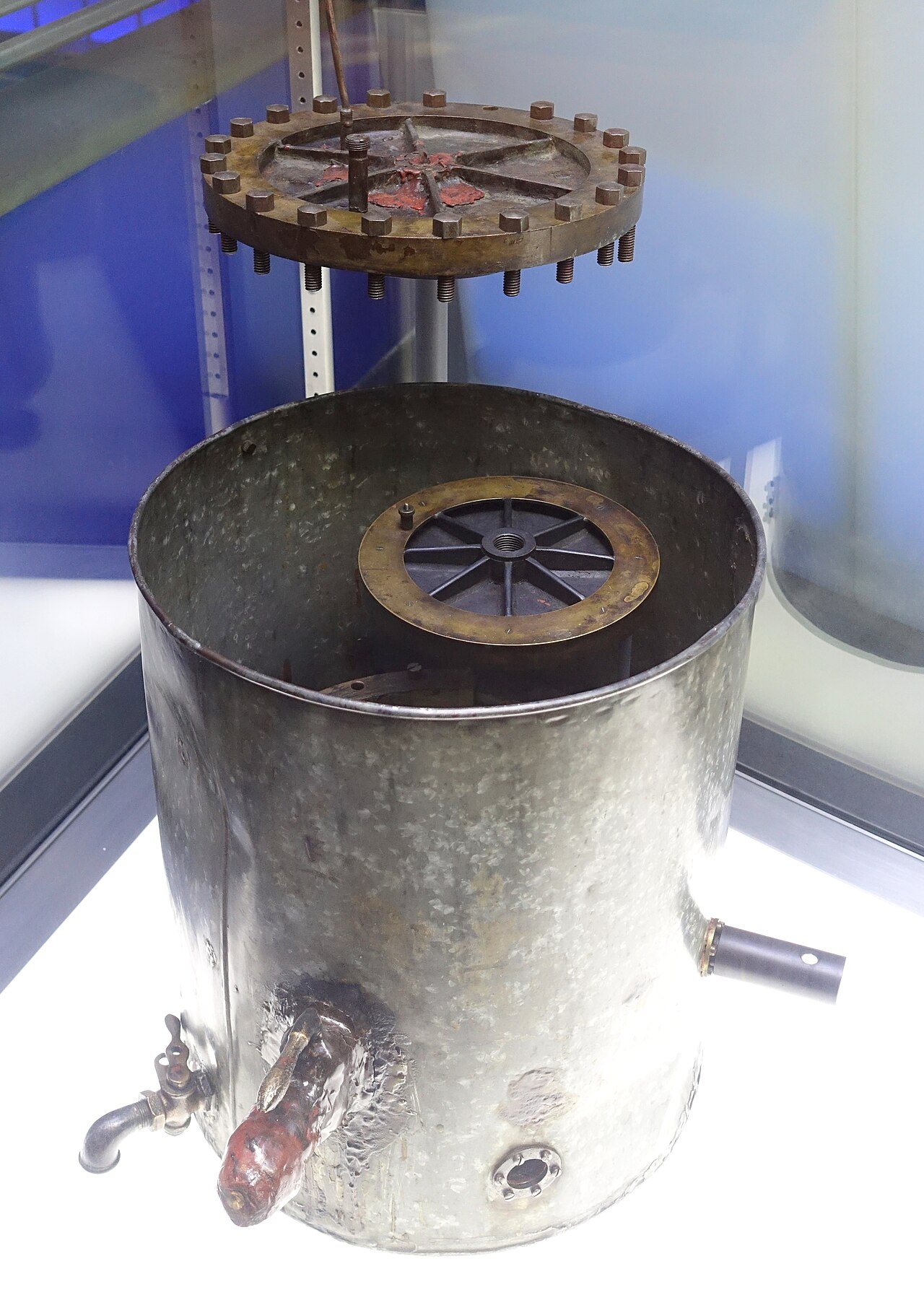
Millikan Oil-Drop Apparatus
Robert A. Millikan and Harvey Fletcher · c. 1909–1913
The physical instrument Millikan and Harvey Fletcher used to measure the charge of the electron by balancing charged oil droplets in an electric field.
This is the actual instrument Millikan built and used to measure the electron's charge, the work that won him the Nobel Prize.
Free Humy account · No credit card · 53,307 sources to read
About this source
What it is
This is the cylindrical metal chamber apparatus built around 1909–1913 by Robert A. Millikan and his student Harvey Fletcher. It was used in their oil-drop experiments and is now displayed at the Museum of Science and Industry in Chicago.
Why it matters
With this device, Millikan and Fletcher suspended tiny charged oil droplets between electrically charged plates, allowing them to measure the precise electric charge carried by a single electron. The experiment became one of the foundational measurements in modern physics and helped earn Millikan the Nobel Prize in Physics.
Look closer
- What parts of the apparatus can you identify, and what might each have been used for?
- Why would such a simple-looking device require extremely careful, patient measurement?
- What does this instrument suggest about collaboration between scientists and their assistants?
This artifact is part of the curated material that grounds the AI version of Robert Millikan on Humy.ai — when students ask about related events, the AI can quote it and cite it.
More Robert Millikan sources
Browse all 70 →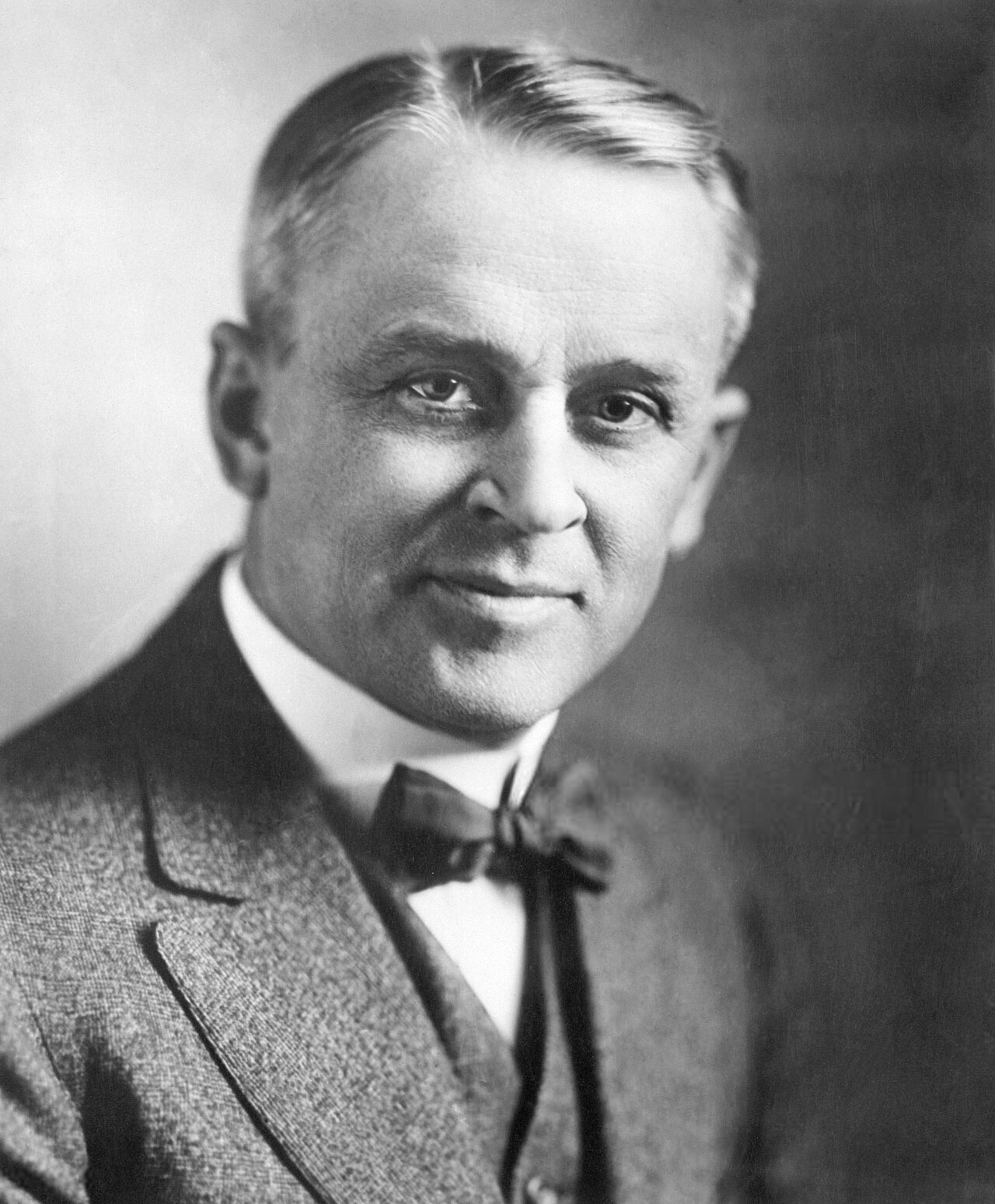 Photograph
Primary source
Robert A. Millikan
Nobel Foundation · 1923
 Photograph
Primary source
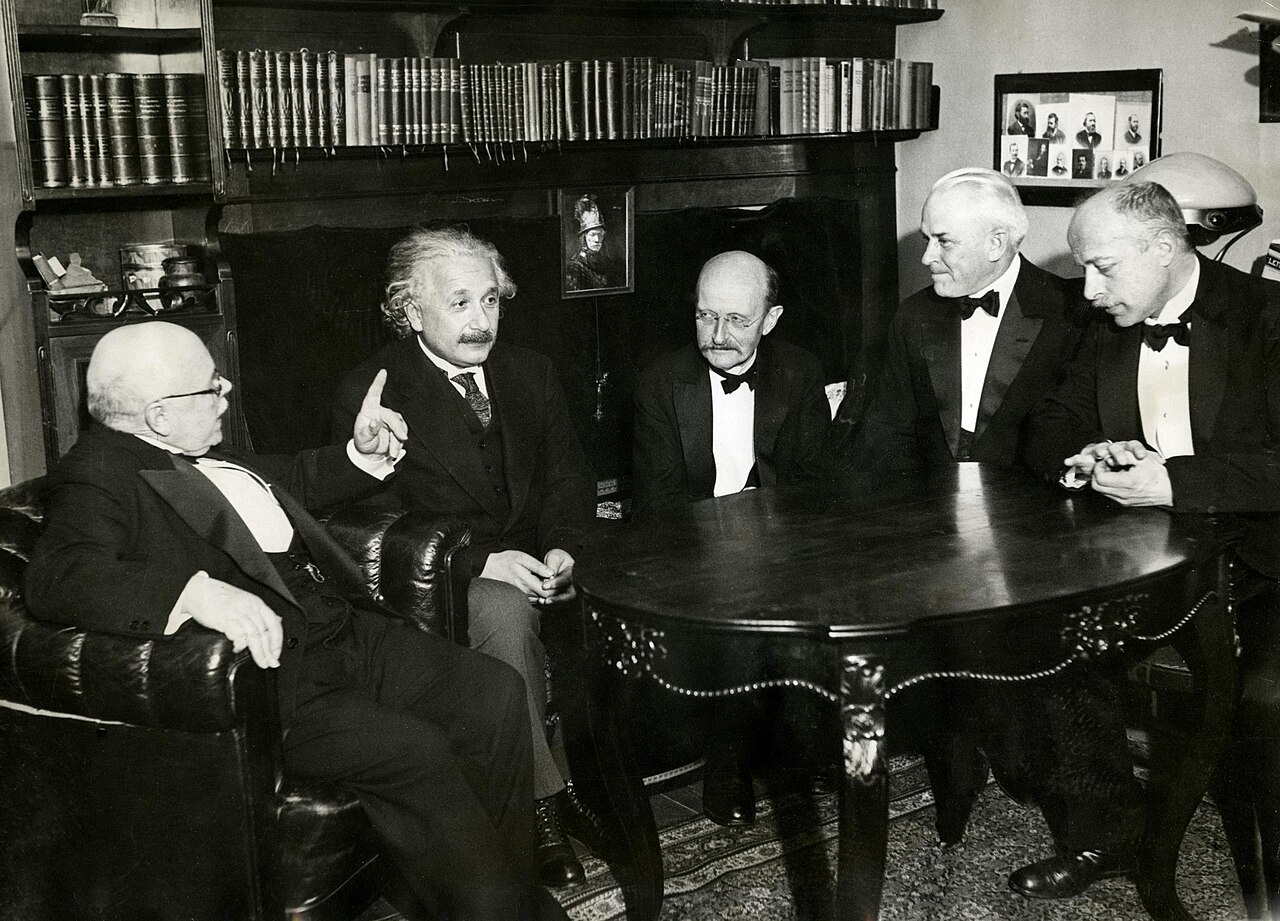
Nernst, Einstein, Planck, Millikan and Laue at dinner, 1931
Unknown author · 12 November 1931
 Photograph
Primary source
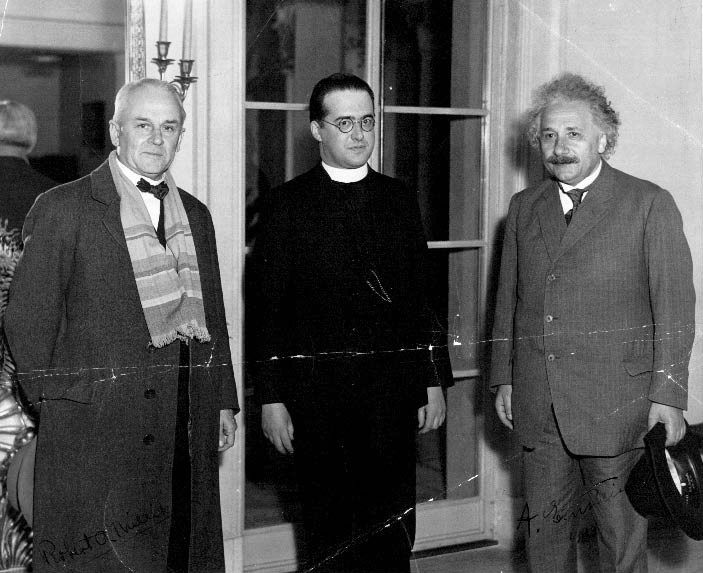
Millikan, Lemaître and Einstein at Caltech
Unknown, probably a Caltech employee · January 1933
 Book
Primary source
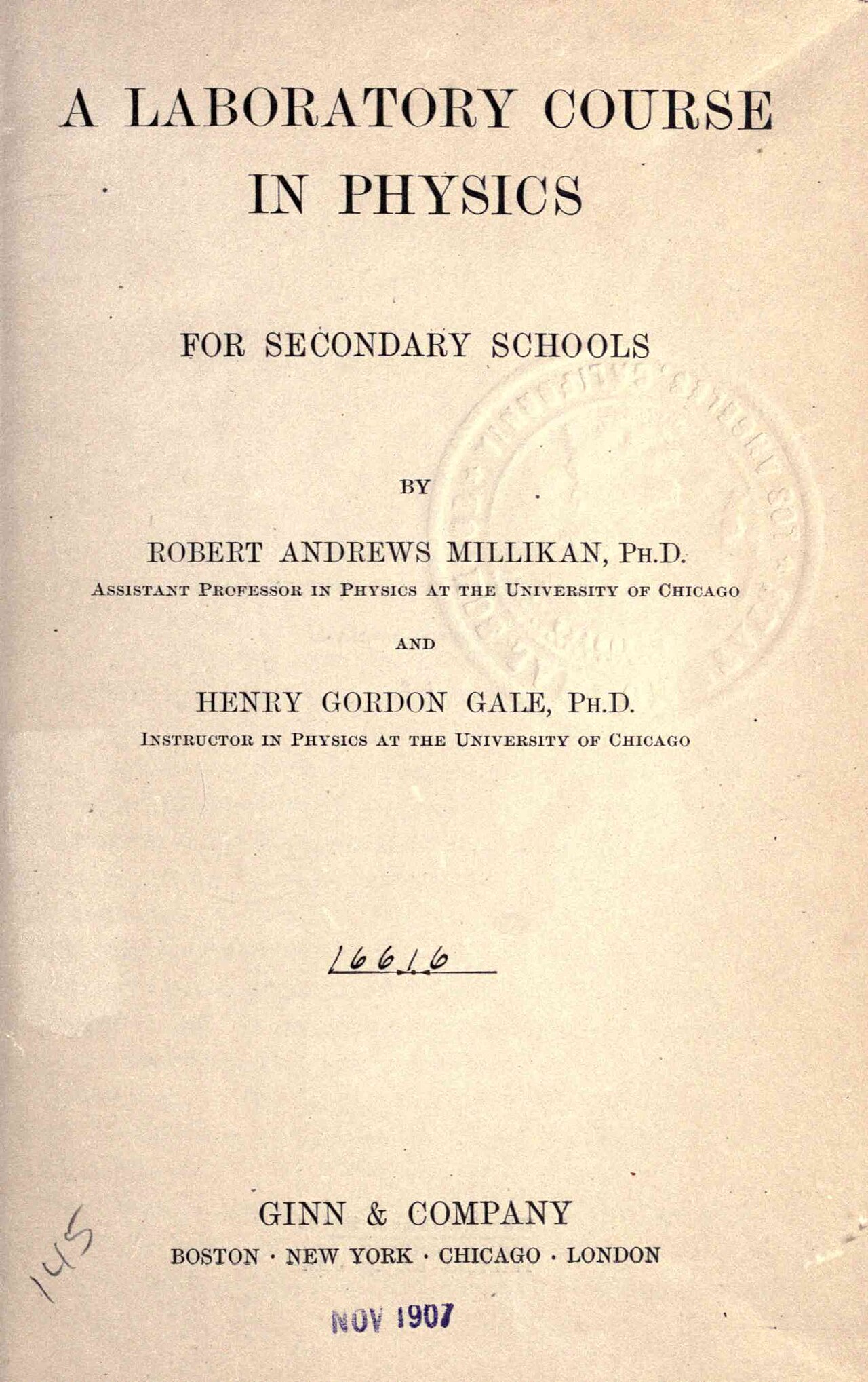
A Laboratory Course in Physics for Secondary Schools
Robert Andrews Millikan and Henry Gordon Gale · 1906
Free account
Browse every Robert Millikan source
Sign up free →
Ready when you are
Start chatting with Robert Millikan now.
20 messages free · No credit card · Available in 50+ languages.