


Secondary sourcePainting
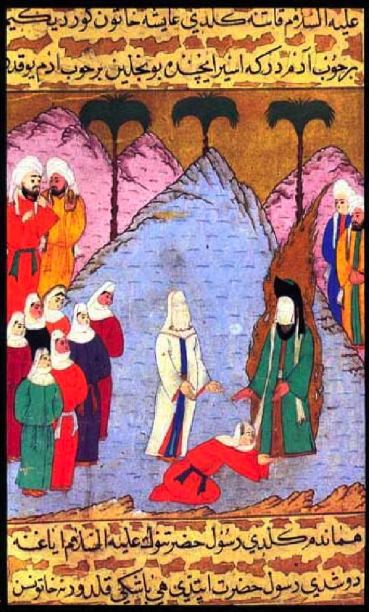
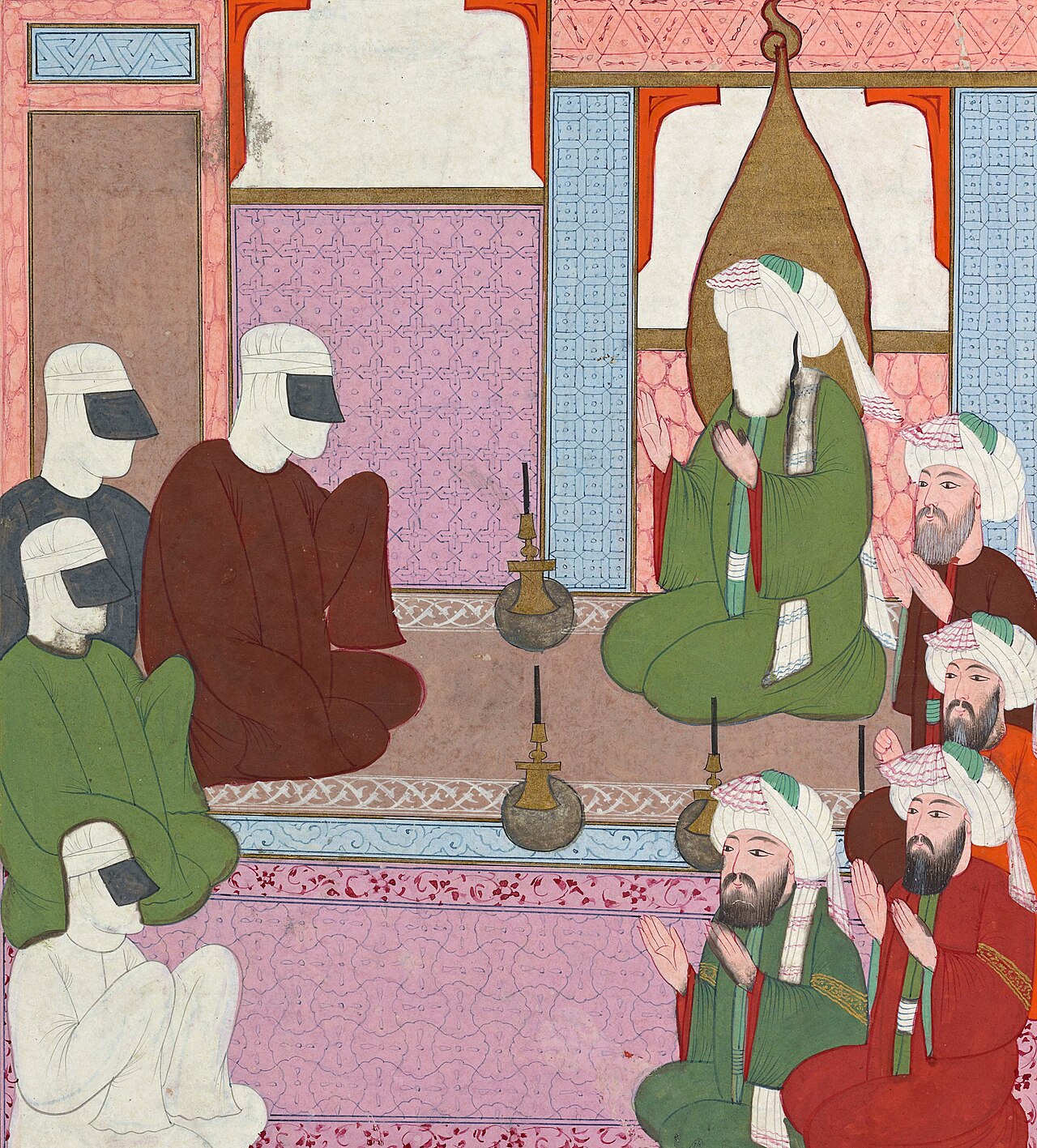
Mohammed and his Wife Aisha Freeing the Daughter of a Tribal Chief
Unknown
An Ottoman manuscript painting from the Siyer-i Nebi showing Muhammad and Aisha together in an act of mercy toward a captive.
The painting depicts Aisha beside Muhammad in a public act of mercy, reflecting her prominence in his household.
About this source
What it is
This is a miniature painting from the Siyer-i Nebi, an illustrated Ottoman biography of Muhammad, held at the Topkapi Palace Museum. Its creator is unknown. It shows Muhammad and his wife Aisha freeing the daughter of a tribal chief.
Why it matters
Produced long after Aisha's lifetime, this image reflects how later Ottoman artists imagined her as a visible, dignified presence beside Muhammad in public acts of mercy and justice. It tells us more about how later generations remembered and depicted her than about the historical event itself.
Look closer
- What details in the painting suggest who holds authority in the scene?
- Why might Ottoman artists have chosen to include Aisha in this particular episode?
- Because the artist is unknown and the work was made centuries later, what can and can't we learn from it about the real Aisha?
This painting is part of the curated material that grounds the AI version of Aisha on Humy.ai — when students ask about related events, the AI can quote it and cite it.
More Aisha sources
Browse all 48 →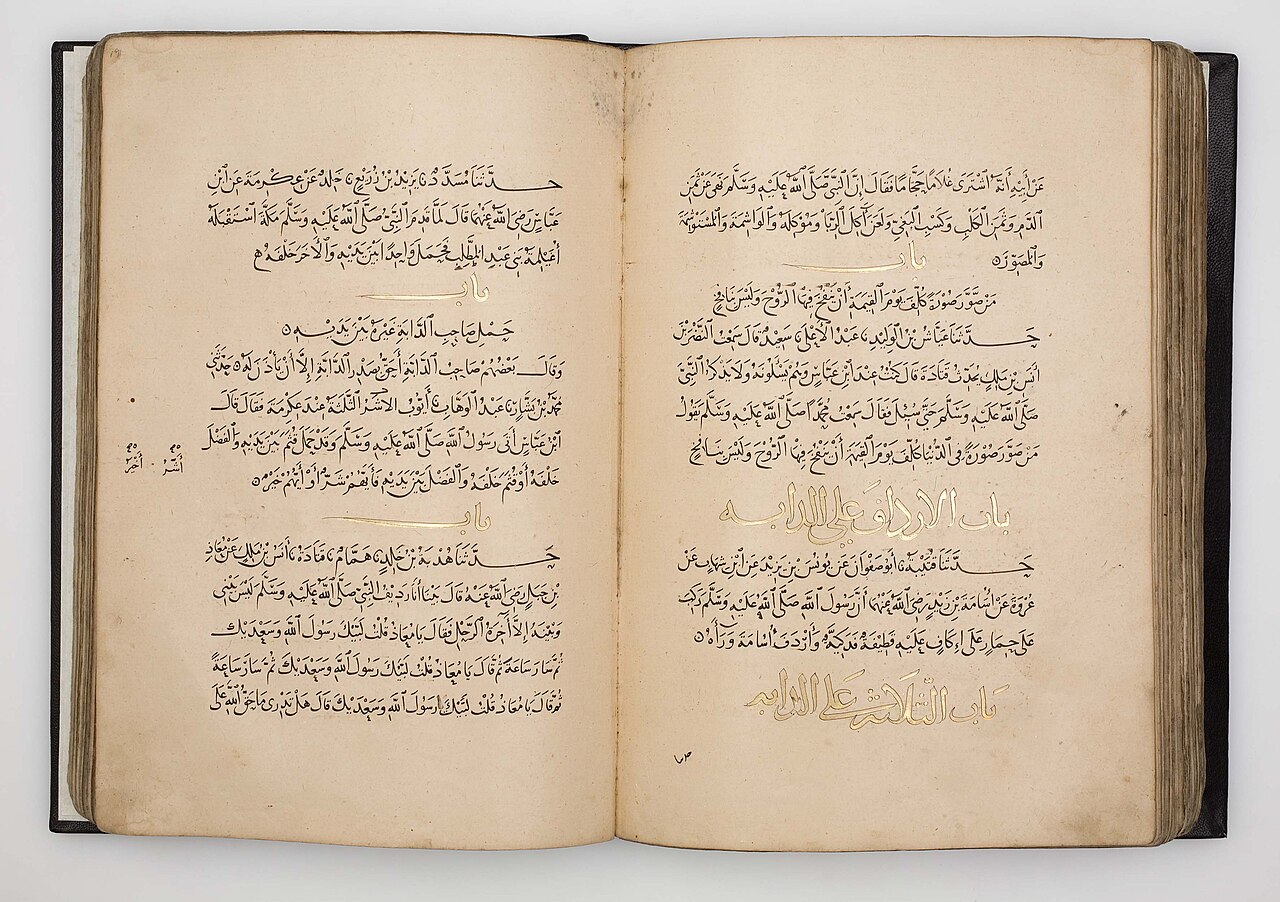 Book
Secondary source
Sahih al-Bukhari
Muhammad ibn Isma'il al-Bukhari · c. 846 CE
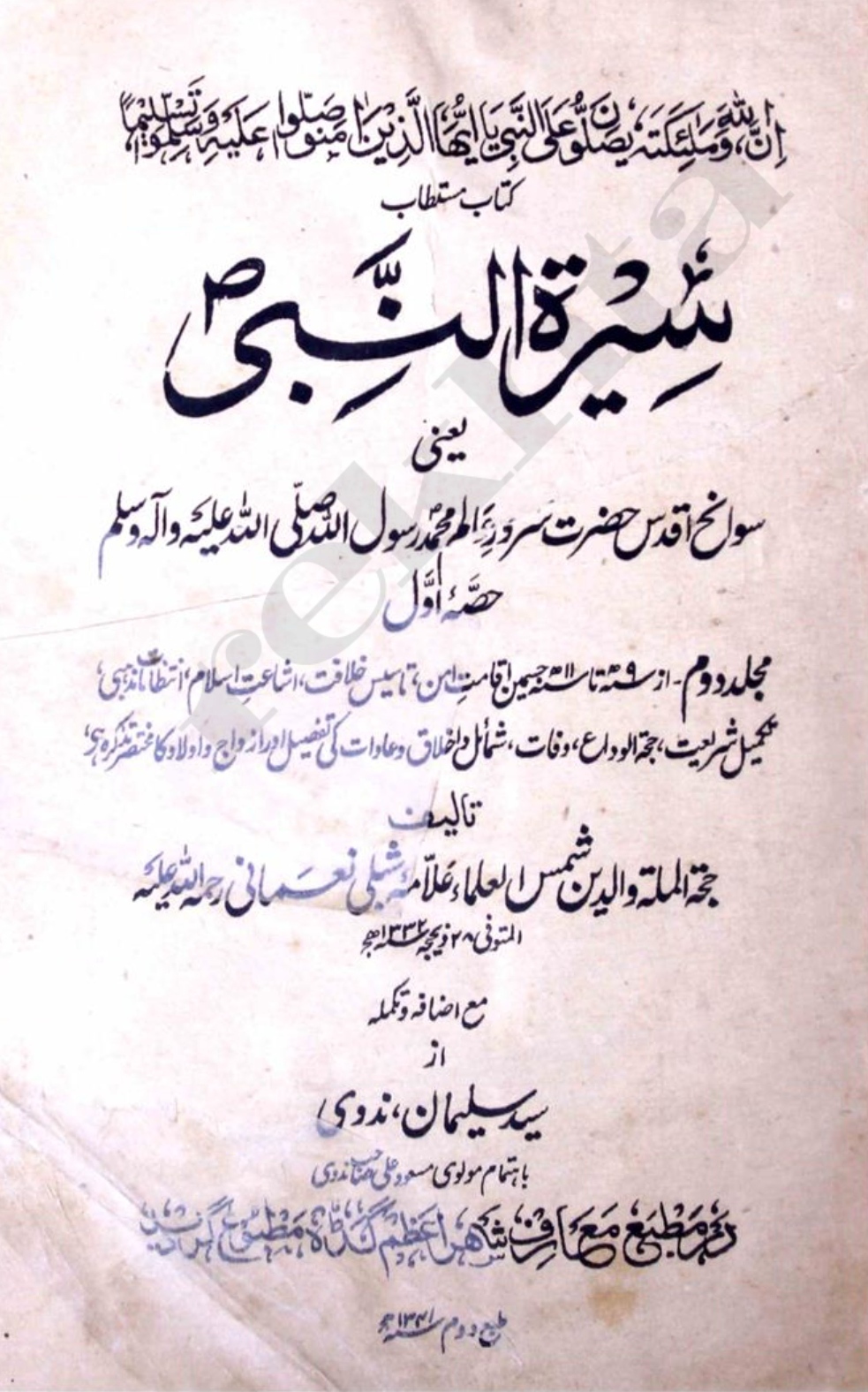 Book
Secondary source
Sirat al-Nabi (Prophetic Biography)
Tradition traced to 7th century; later compiled
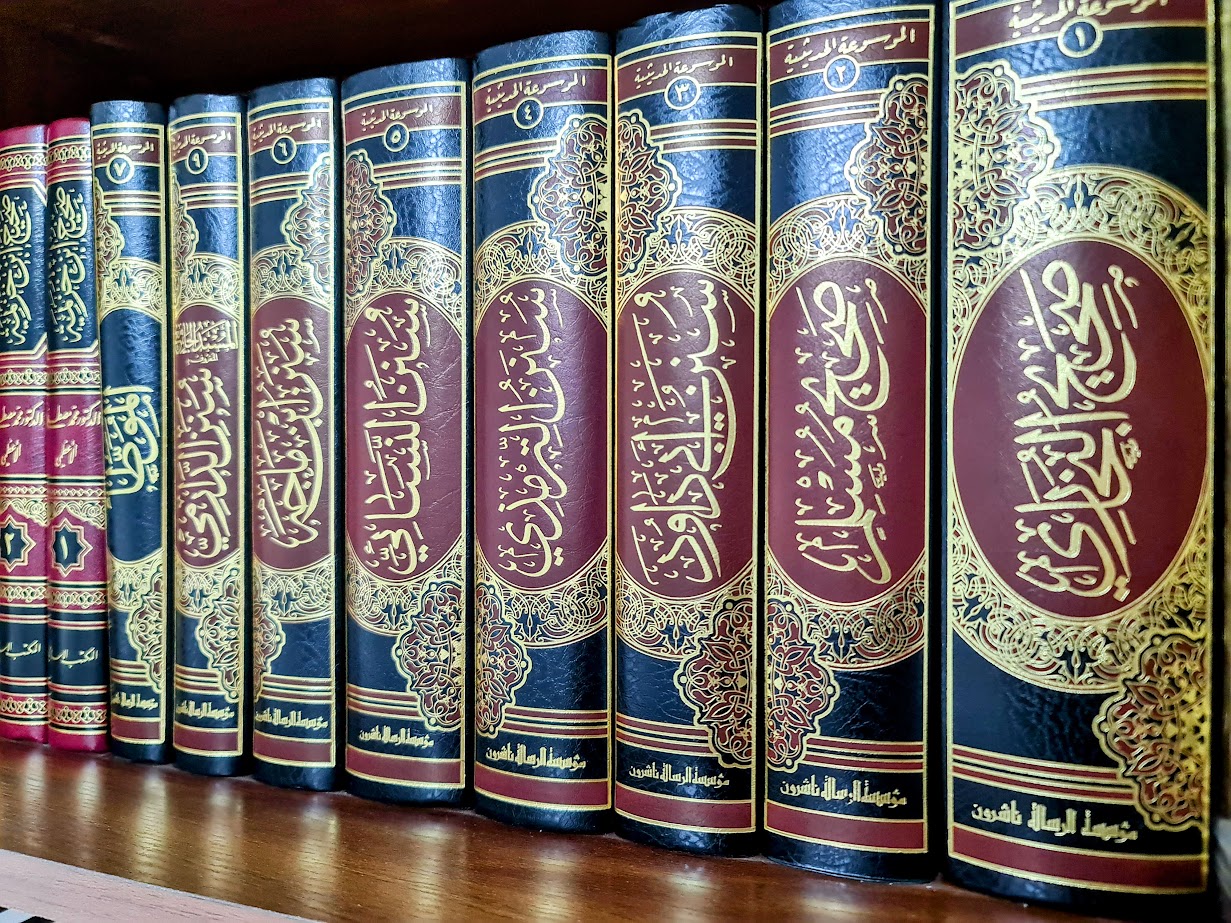 Book
Secondary source
Sunan al-Darimi
Al-Darimi
 Book
Secondary source
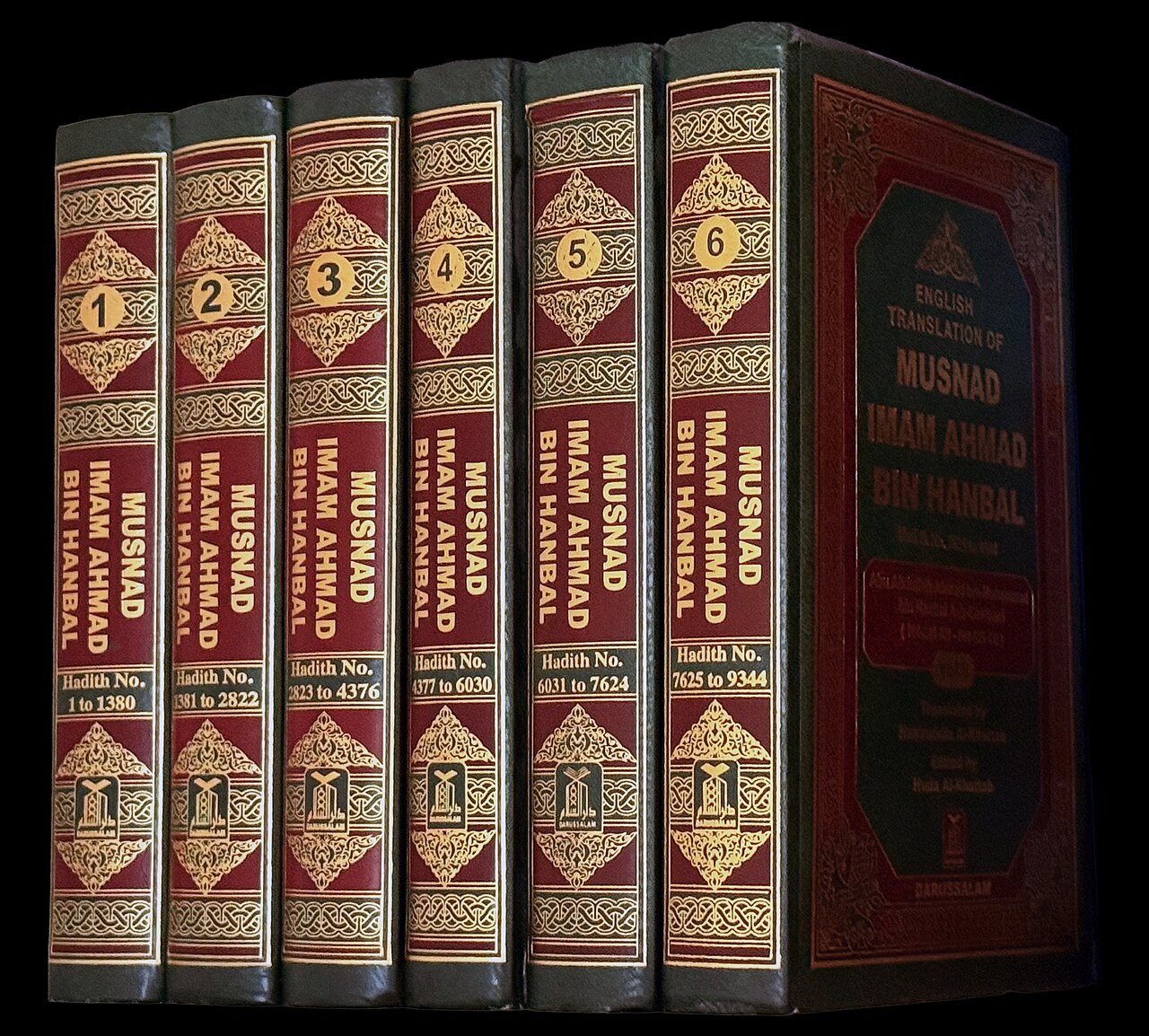
Musnad Ahmad ibn Hanbal
Ahmad ibn Hanbal · 9th century CE
Free account
Read every Aisha source
Sign up free →
Ready when you are
Start chatting with Aisha now.
20 messages free · No credit card · Available in 50+ languages.