


Secondary sourcePaintingc. 1430-1434
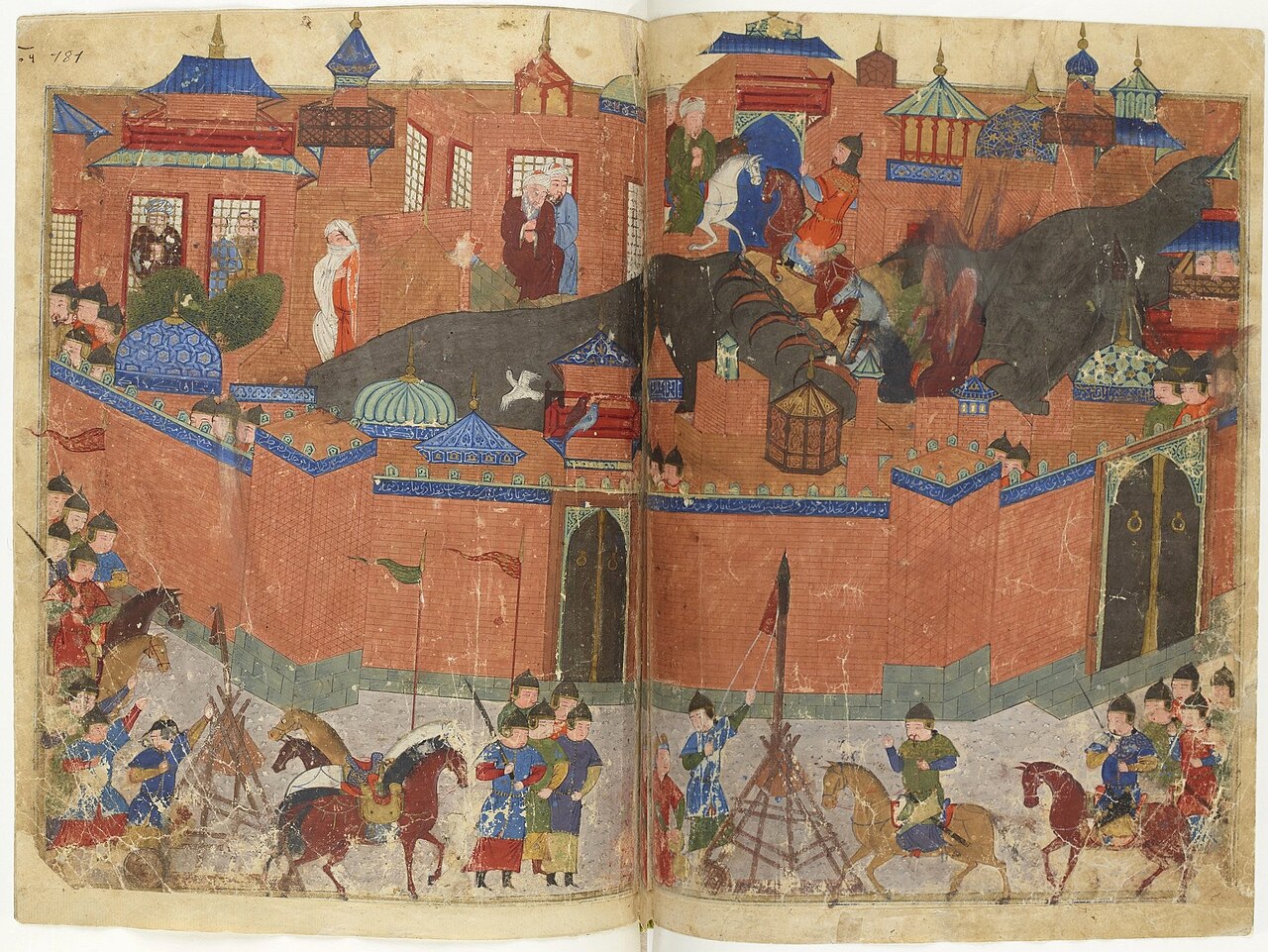
Mongols Besieging Baghdad in 1258
Sayf al-Vahidi · c. 1430-1434
A later manuscript painting of the 1258 siege of Baghdad, the campaign led by Hulegu Khan that ended Abbasid rule.
Depicts the 1258 siege of Baghdad, the campaign that Hulegu Khan led to end Abbasid rule.
About this source
What it is
This two-page miniature, attributed to the artist Sayf al-Vahidi and painted around 1430-1434, shows a walled city with towers and domes under attack. Soldiers with tents, flags and siege equipment surround the walls, while smoke rises above the city.
Why it matters
The image illustrates the siege of Baghdad in 1258, led by Hulegu Khan, which ended the Abbasid Caliphate and reshaped the political map of the Islamic world. Painted generations after the event, it shows how the siege became a lasting subject for later Persian artists retelling Mongol history.
Look closer
- What signs of destruction or struggle can you find in the painting?
- Why might an artist working nearly two centuries later choose to depict this event?
- What might be missing from this image if you compare it with written accounts of the siege?
This painting is part of the curated material that grounds the AI version of Hulegu Khan and Möngke Khan on Humy.ai — when students ask about related events, the AI can quote it and cite it.
More Hulegu Khan sources
Browse all 68 →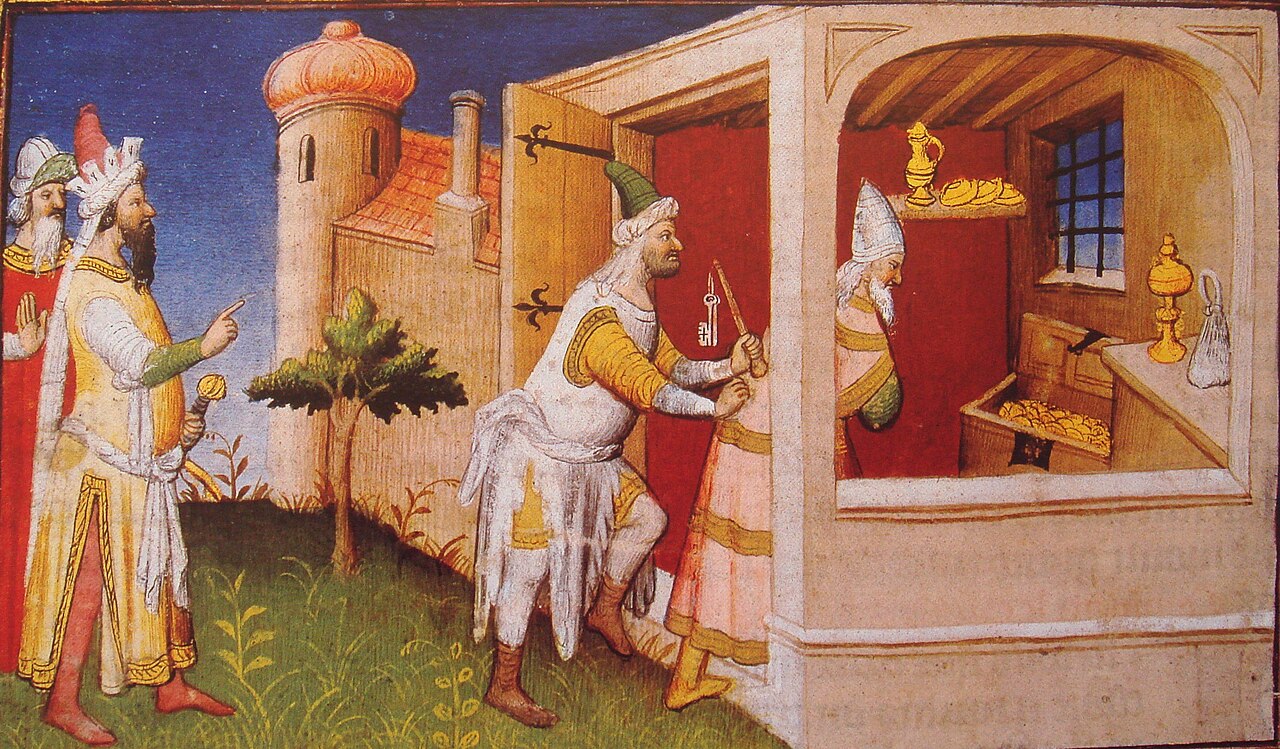 Painting
Secondary source
HulaguInBagdad
Maître de la Mazarine
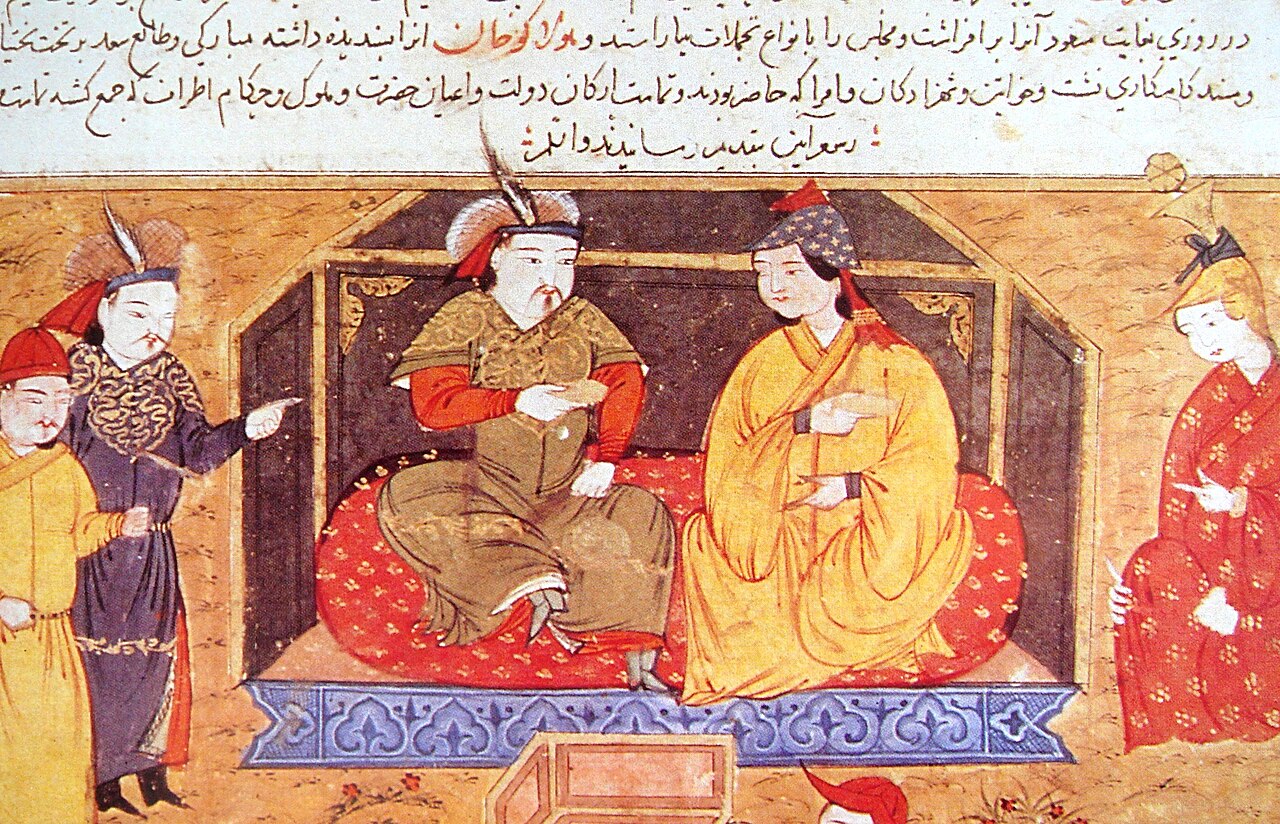 Painting
Secondary source
Hulagu and Doquz Khatun Enthroned
Rashid al-Din
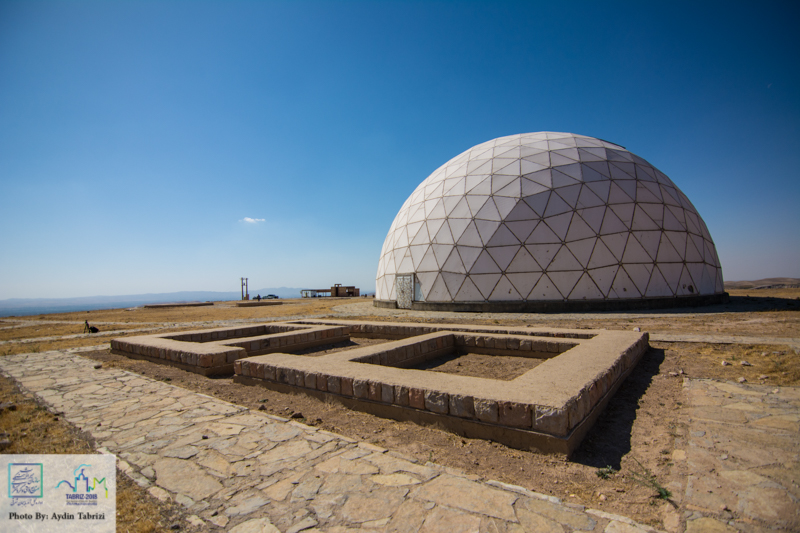 Artifact
Primary source
Maragheh Observatory
1259
 Painting
Secondary source
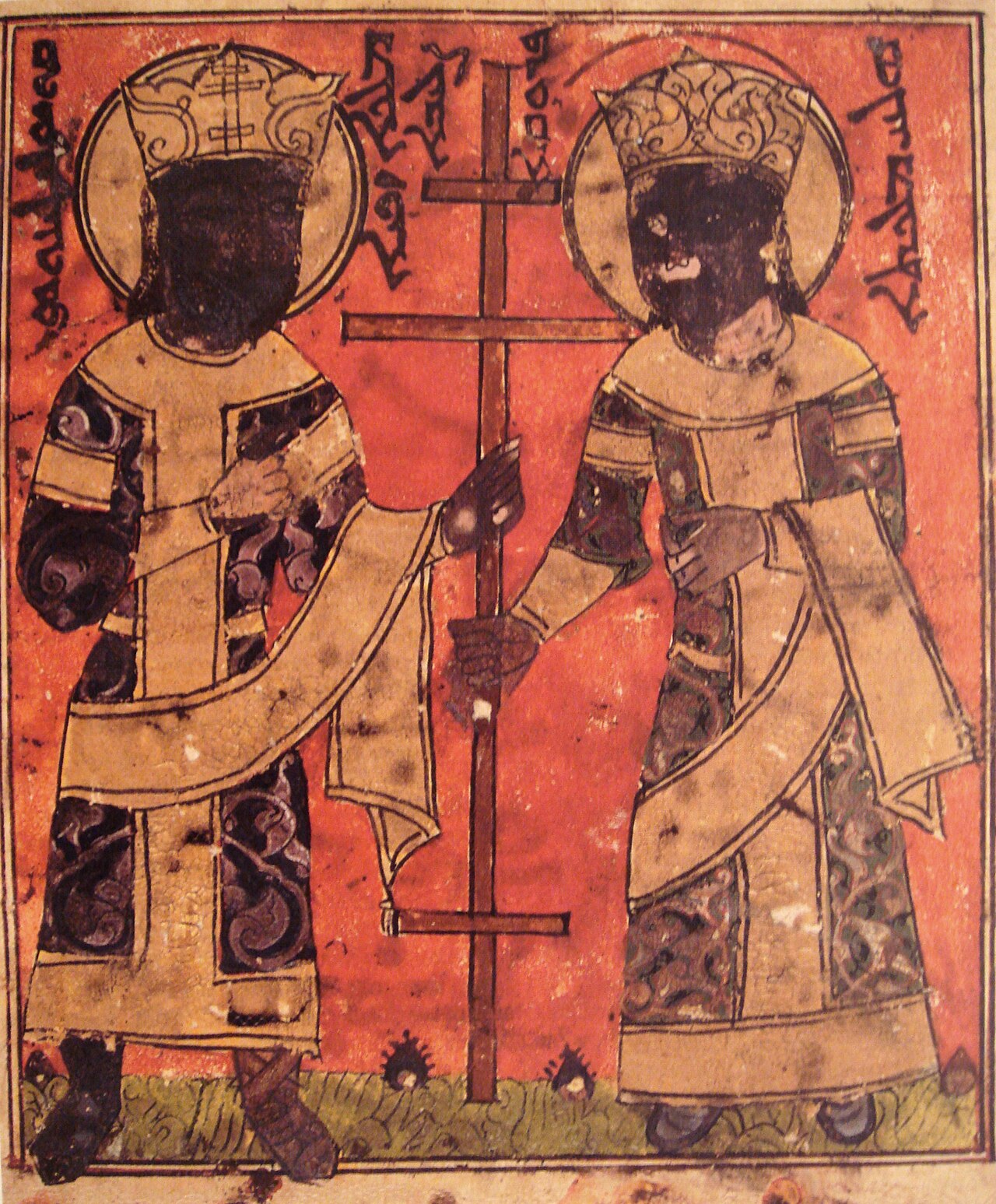
Hulagu and Doquz-Qatun in Syriac Bible
Unknown
Free account
Read every Hulegu Khan source
Sign up free →
Ready when you are
Start chatting with Hulegu Khan now.
20 messages free · No credit card · Available in 50+ languages.