


Primary sourceArtifact
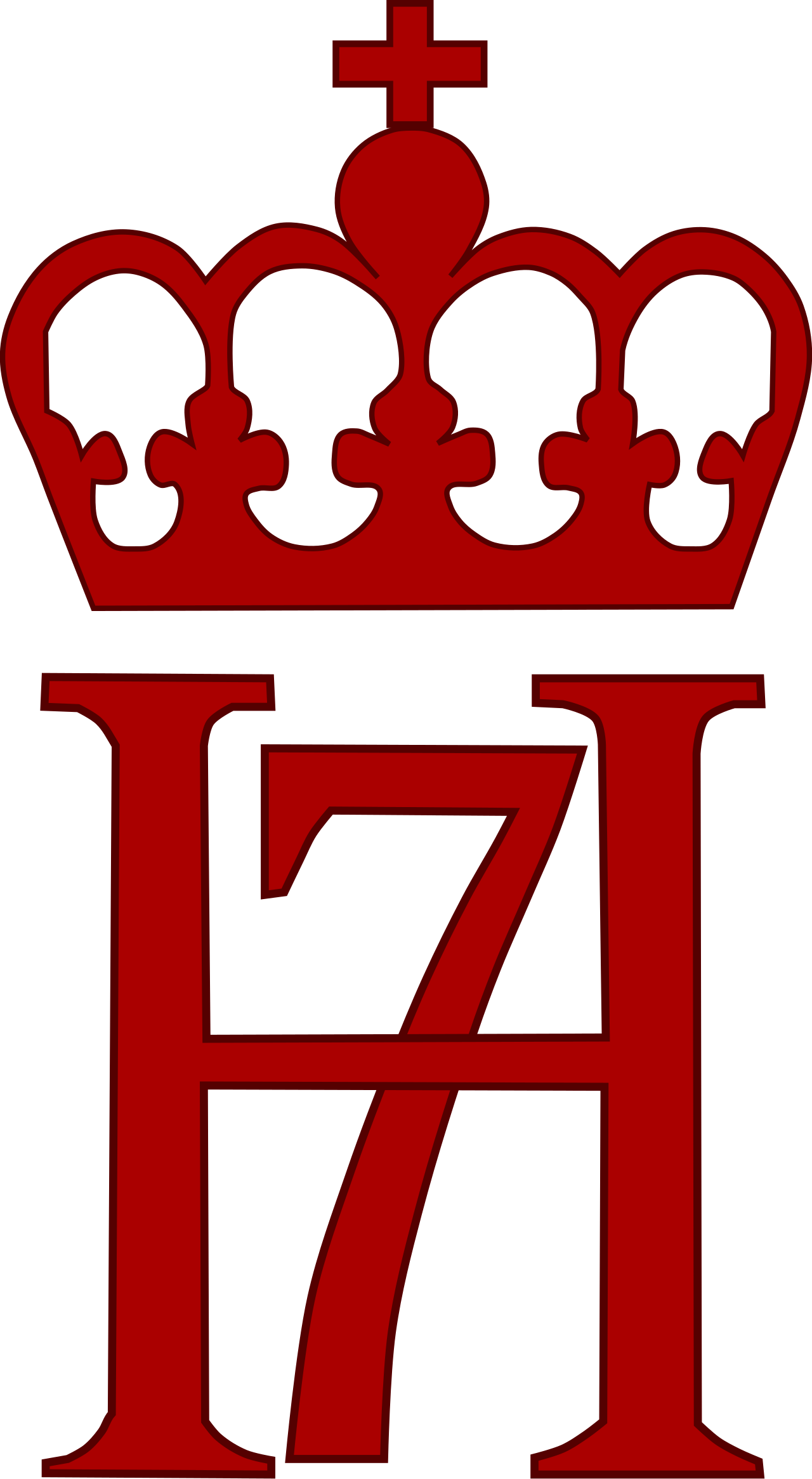
Monogram of Haakon VII of Norway
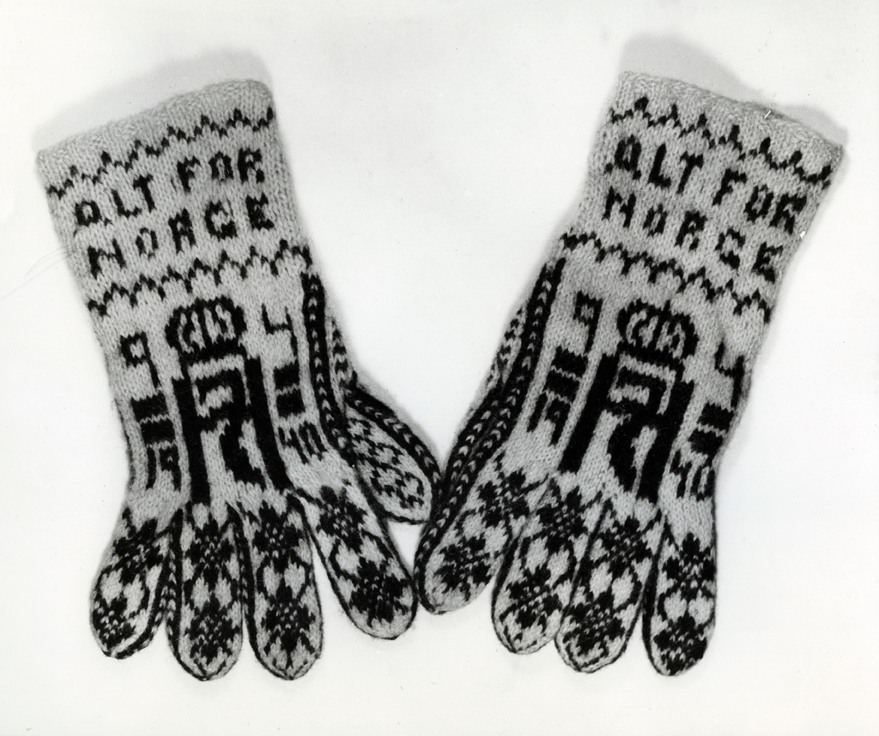
The royal cipher of King Haakon VII, painted and worn secretly across Norway during the German occupation as a sign of loyalty to the king.
This is Haakon VII's own royal monogram, which became a secret emblem of resistance during the Nazi occupation.
About this source
What it is
This is the royal monogram of King Haakon VII: a red crown above the overlapping letters H and 7. It is used as his official cipher.
Why it matters
During the German occupation of Norway, Haakon was in exile but the H7 symbol stayed behind. People painted it on walls and wore it secretly, turning the king's own initials into a sign of resistance and loyalty to the exiled government.
Look closer
- Why would a simple monogram become dangerous to display during an occupation?
- What does it mean for a king's identity to become a symbol other people use without his direct involvement?
- What design choices (crown, cross, fleur-de-lis) connect this monogram to older ideas of monarchy?
This artifact is part of the curated material that grounds the AI version of Haakon VII on Humy.ai — when students ask about related events, the AI can quote it and cite it.
More Haakon VII sources
Browse all 99 →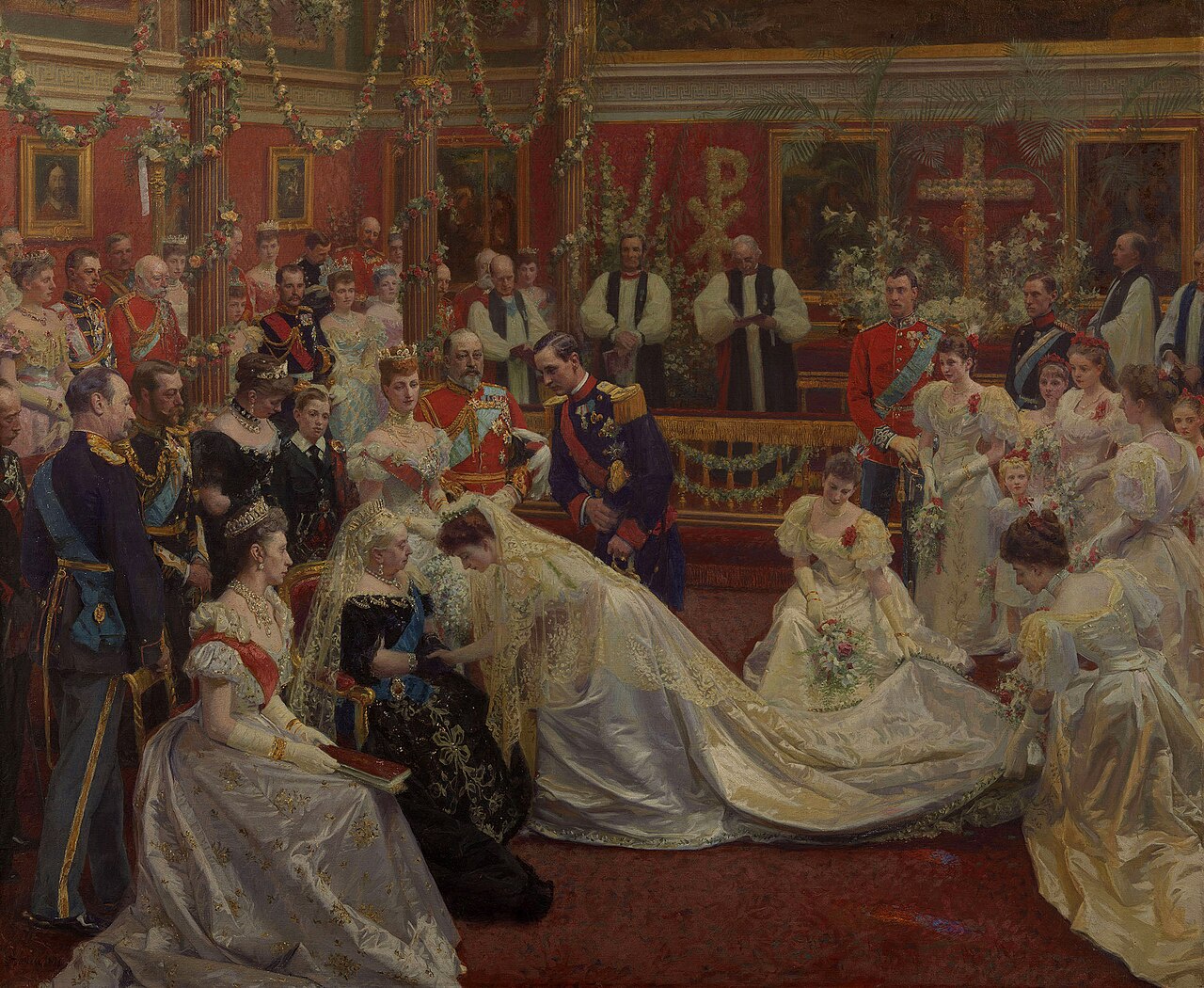 Painting
Primary source
The Marriage of Princess Maud of Wales and Prince Carl of Denmark
Laurits Tuxen · 1896–97
 Document
Primary source
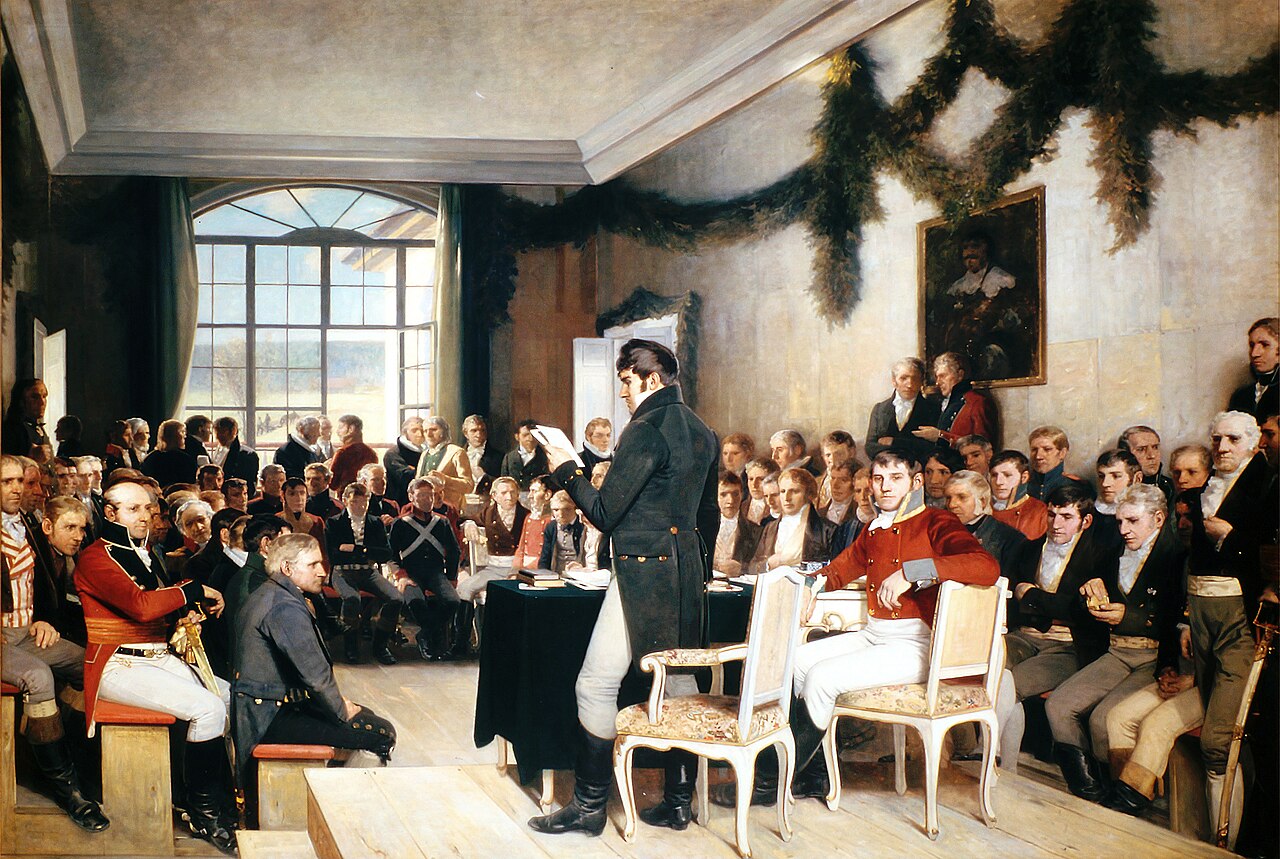
Constitution of Norway
Christian Magnus Falsen and Johan Gunder Adler · 1814
 Photograph
Primary source
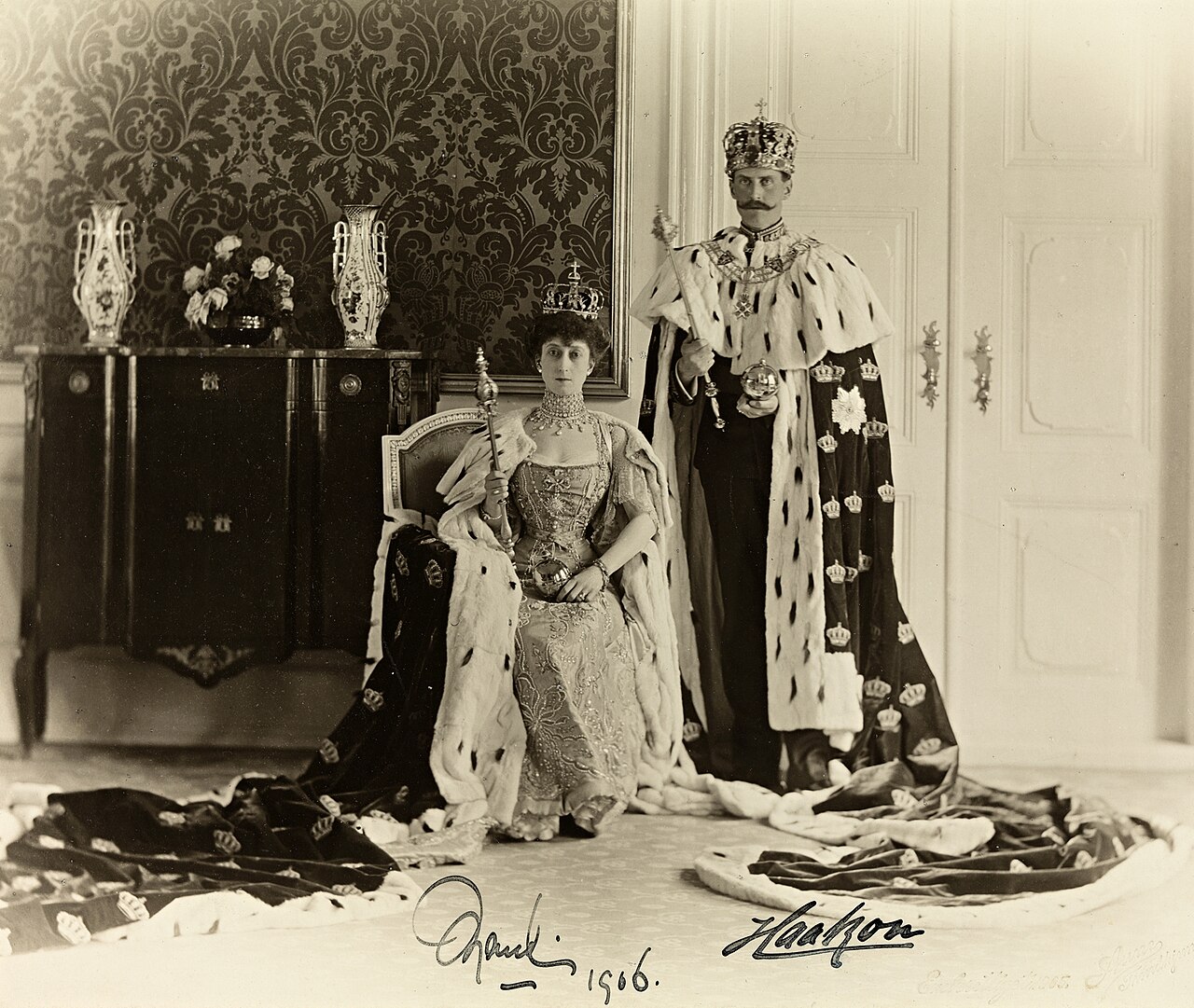
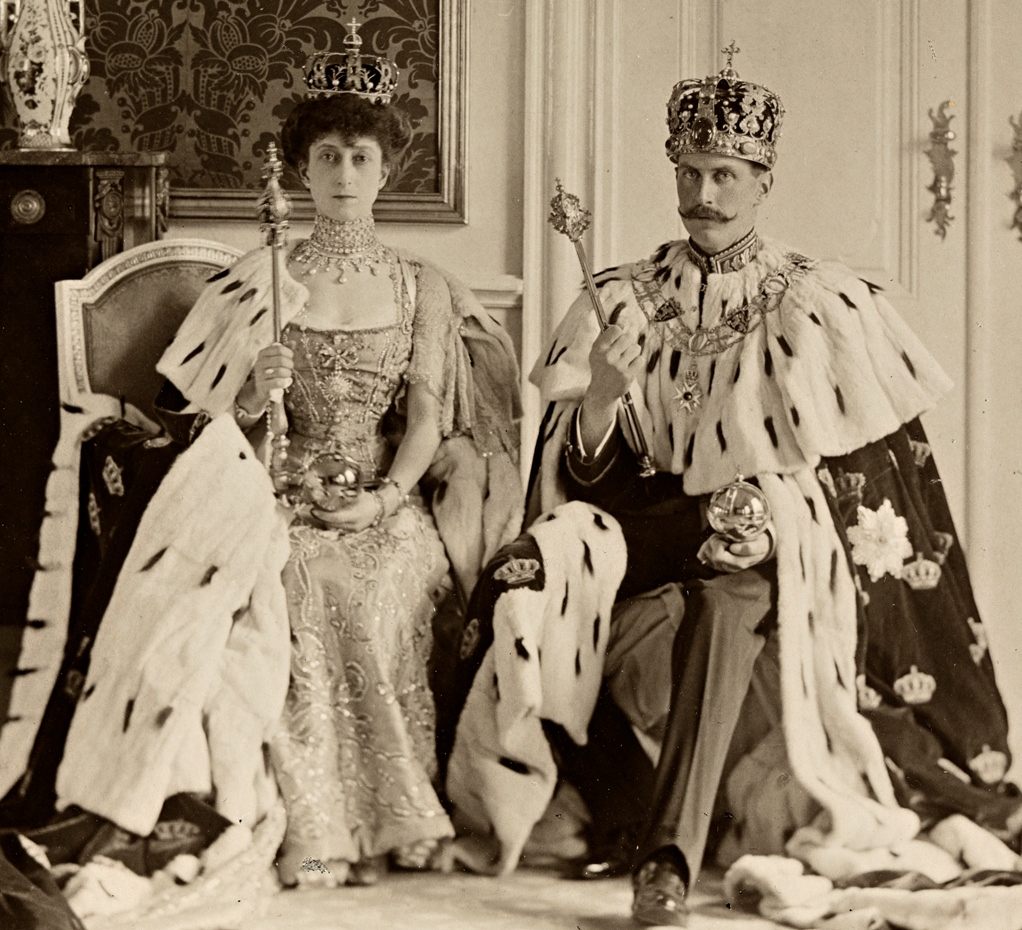
Coronation Photograph of King Haakon VII and Queen Maud
Peder O. Aune · 1906
 Artifact
Primary source
Norwegian Royal Regalia
Olof Wihlborg and Adolf Zethelius (goldsmiths) · 1818 (made); used 1906
Free account
Browse every Haakon VII source
Sign up free →
Ready when you are
Start chatting with Haakon VII now.
20 messages free · No credit card · Available in 50+ languages.