


Primary sourceDocument1930
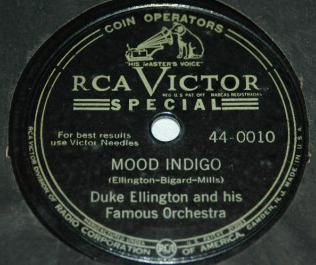
Mood Indigo
Duke Ellington and Barney Bigard · 1930
Duke Ellington's 1930 song, written with clarinetist Barney Bigard and published with lyrics by Irving Mills, became one of his signature early hits.
Ellington composed and arranged this breakthrough hit, shaping its unusual instrumental voicing.
About this source
What it is
"Mood Indigo" is a jazz song composed by Duke Ellington and clarinetist Barney Bigard, with lyrics credited to Irving Mills. It was written in 1930 for a radio broadcast and first recorded by Ellington's orchestra that October.
Why it matters
The piece shows Ellington's skill at writing for specific musicians rather than generic instruments. He inverted the usual order of trumpet, trombone and clarinet, placing the trombone high and the clarinet low, creating an unusual blended sound. The main melody came from Bigard, who had learned it from his New Orleans clarinet teacher. The recording became a jazz standard and was later honored by the Grammy Hall of Fame.
Look closer
- What does the record label tell you about how music reached listeners in 1930?
- Why might Ellington have cared more about his players' individual sounds than about standard instrumental roles?
- What is left out of a record label that a full recording might reveal?
This document is part of the curated material that grounds the AI version of Duke Ellington on Humy.ai — when students ask about related events, the AI can quote it and cite it.
More Duke Ellington sources
Meet the AI Duke Ellington →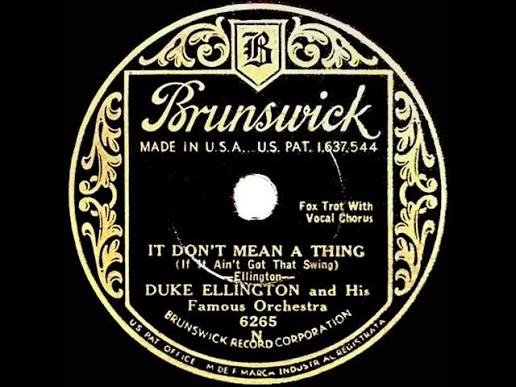 Document
Primary source
It Don't Mean a Thing (If It Ain't Got That Swing)
Duke Ellington · 1932
 Photograph
Primary source
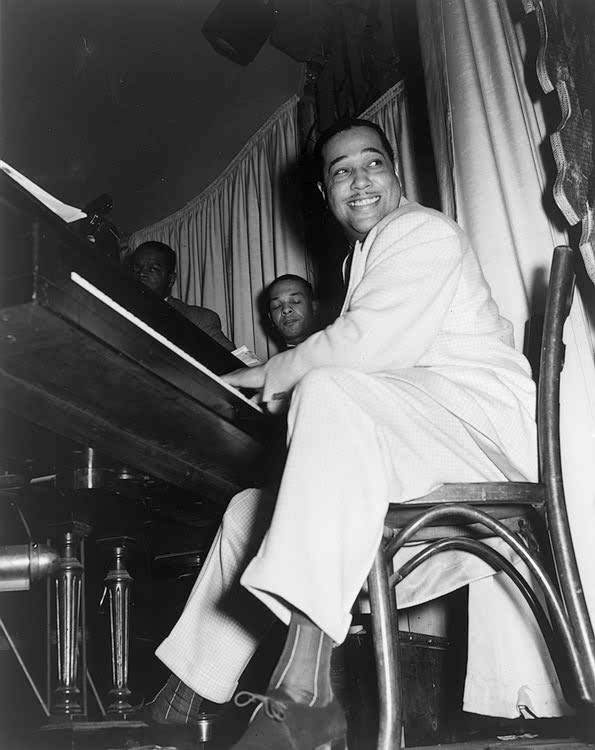
Portrait of Duke Ellington at the Hurricane Club
Gordon Parks · 1943
 Photograph
Primary source
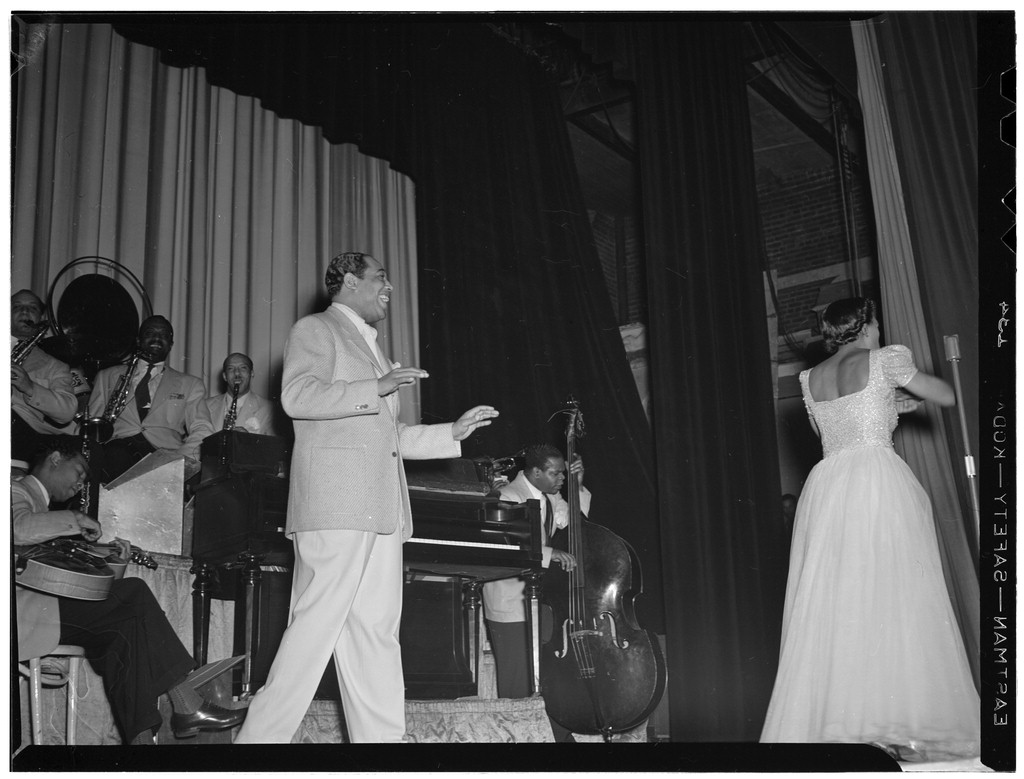
William P. Gottlieb photograph of Duke Ellington and his Orchestra
William P. Gottlieb · c. 1938-1948
 Document
Primary source
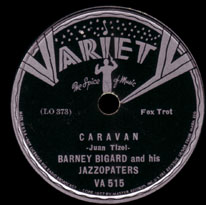
Caravan
Duke Ellington and Juan Tizol · 1936
 Documentary
Primary source
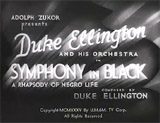
Symphony in Black
Fred Waller · 1935
Ready when you are
Start chatting with Duke Ellington now.
20 messages free · No credit card · Available in 50+ languages.