


Primary sourcePhotographbetween 1859 and 1870
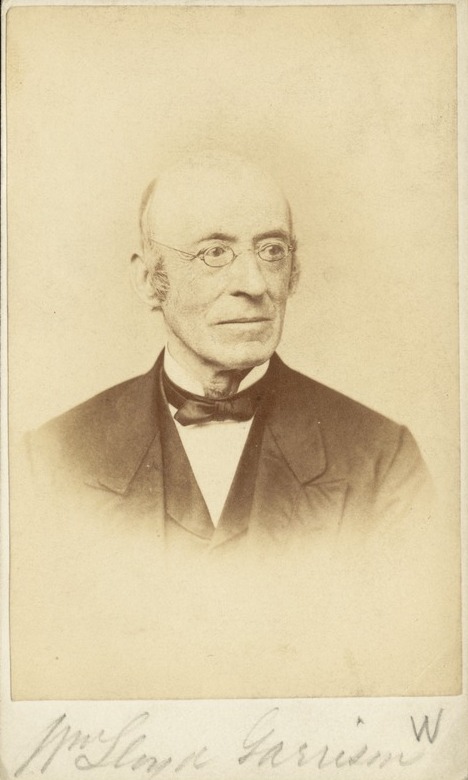
Mr. Wm. Lloyd Garrison
James Wallace Black · between 1859 and 1870
A sepia-toned carte de visite portrait of William Lloyd Garrison, made by the Boston photographer J. W. Black between 1859 and 1870.
A photographic likeness of Garrison showing his appearance, made during his lifetime in Boston, where he lived and worked.
About this source
What it is
This is a photographic portrait of Garrison, taken by James Wallace Black, a photographer working at 173 Washington Street in Boston. The print is a sepia-toned carte de visite and bears a handwritten inscription reading "Mr. Wm. Lloyd Garrison". The date is not given on the item; the cataloger supplied a range of 1859 to 1870, which falls within Garrison's lifetime.
Why it matters
Portraits like this were widely traded in the nineteenth century, so they show how reformers presented themselves to the public. Garrison, who edited The Liberator and led the antislavery movement, is shown here as an older man. The photograph shows his appearance, which is useful next to written accounts of his life and work.
Look closer
- What does Garrison's clothing and pose suggest about how he wanted to be seen?
- Why might a photographer's name and address be printed on the card?
- What can a single portrait not tell us about Garrison's ideas or actions?
This photograph is part of the curated material that grounds the AI version of William Lloyd Garrison on Humy.ai — when students ask about related events, the AI can quote it and cite it.
More William Lloyd Garrison sources
Meet the AI William Lloyd Garrison →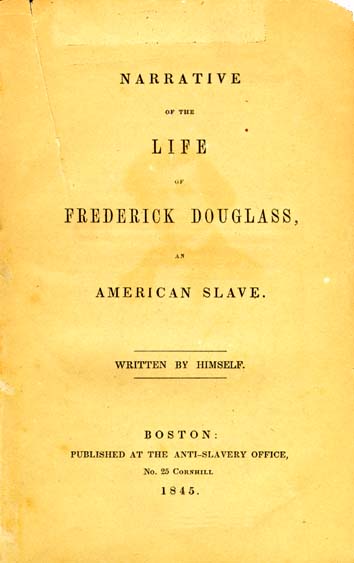 Book
Primary source
Narrative of the Life of Frederick Douglass, an American Slave
Frederick Douglass · 1845
 Book
Primary source
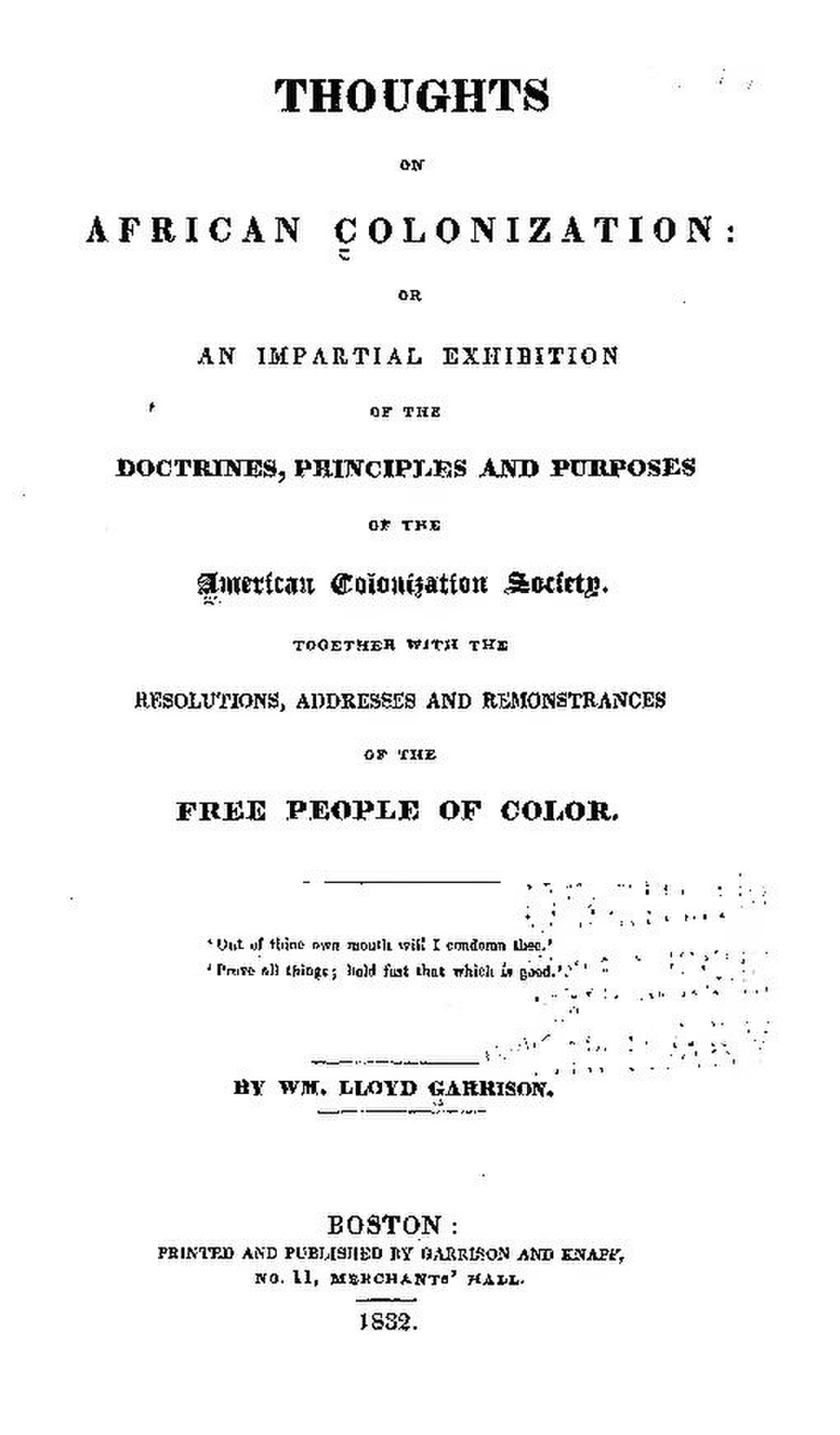
Thoughts on African Colonization
William Lloyd Garrison · 1832
 Painting
Primary source
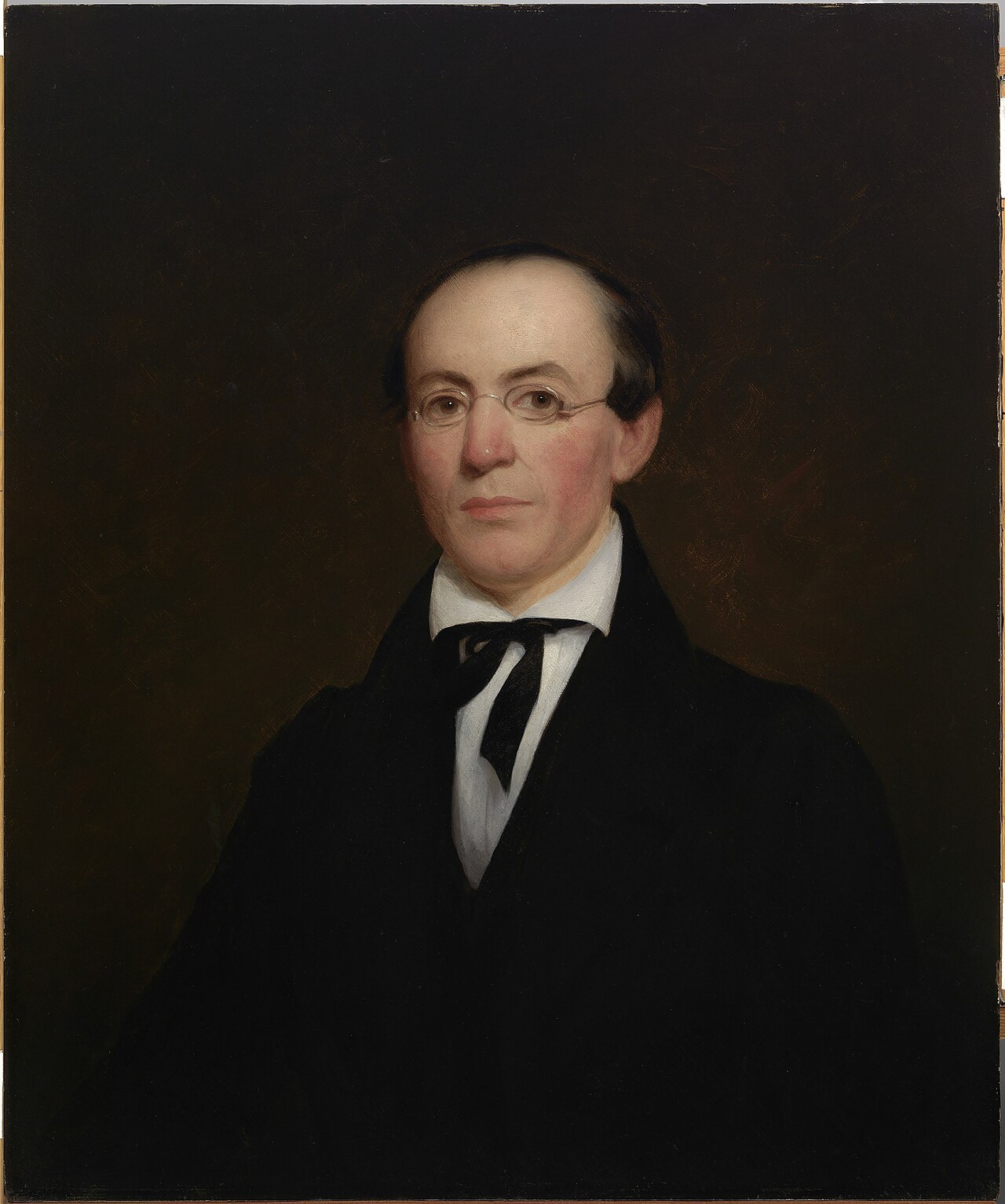
William Lloyd Garrison
Nathaniel Jocelyn · 1833
 Newspaper article
Primary source
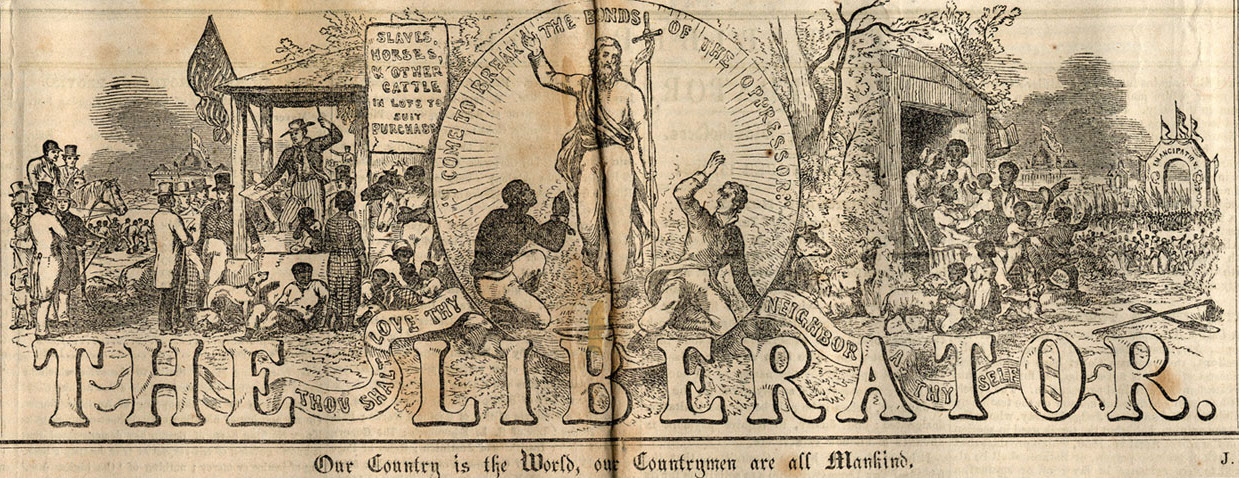
The Liberator, 15 December 1854
Hammatt Billings · 15 December 1854
 Newspaper article
Primary source
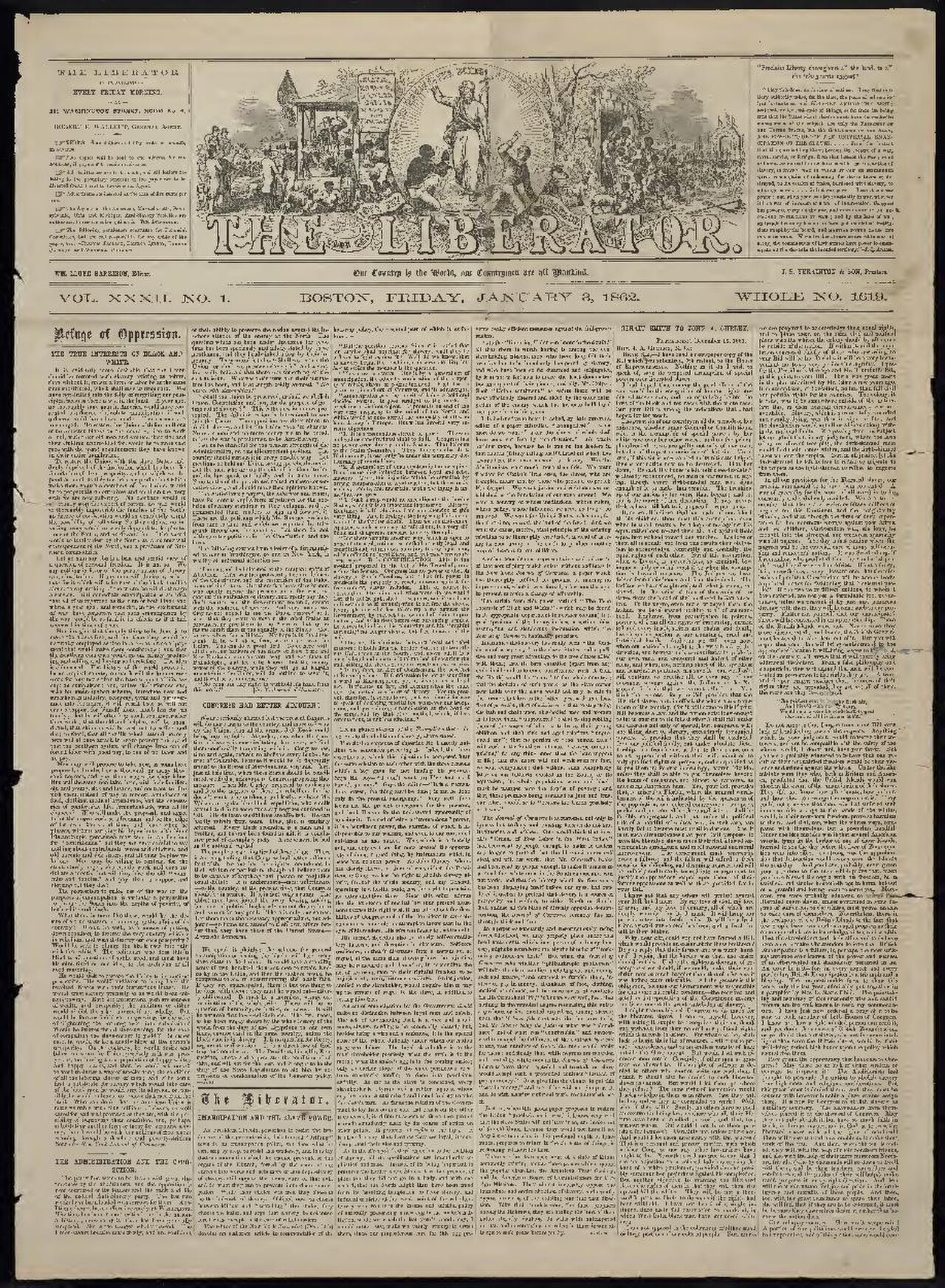
The Liberator
William Lloyd Garrison · 1831-1865
Ready when you are
Start chatting with William Lloyd Garrison now.
20 messages free · No credit card · Available in 50+ languages.