


Primary sourceDocument1965
Murder (Abolition of Death Penalty) Act 1965
1965
An Act of Parliament that abolished capital punishment for murder in Great Britain, passed under Harold Wilson's government.
Passed under Wilson's government, this Act is a landmark of the social reforms associated with his premiership.
Free Humy account · No credit card · 124,282 sources to read
About this source
What it is
This is an Act of the UK Parliament, passed in 1965, which ended the death penalty for murder in Great Britain and replaced it with mandatory life imprisonment. It began as a private member's bill introduced by MP Sydney Silverman.
Why it matters
The Act is one of the defining reforms of Harold Wilson's time as Prime Minister, part of a wave of liberalising social legislation often called the 'permissive society'. Although Wilson's government did not introduce the bill itself, it allowed it to pass through a free vote, showing how his government shaped the political climate for change even when not directly authoring reform.
Look closer
- Why might a government allow a 'free vote' on a sensitive issue like this instead of taking an official position?
- What does the sunset clause (which required the Act to be renewed) tell you about how confident Parliament was in this change?
- What was left out of this Act, and why might some offences have stayed punishable by death?
This document is part of the curated material that grounds the AI version of Harold Wilson on Humy.ai — when students ask about related events, the AI can quote it and cite it.
More Harold Wilson sources
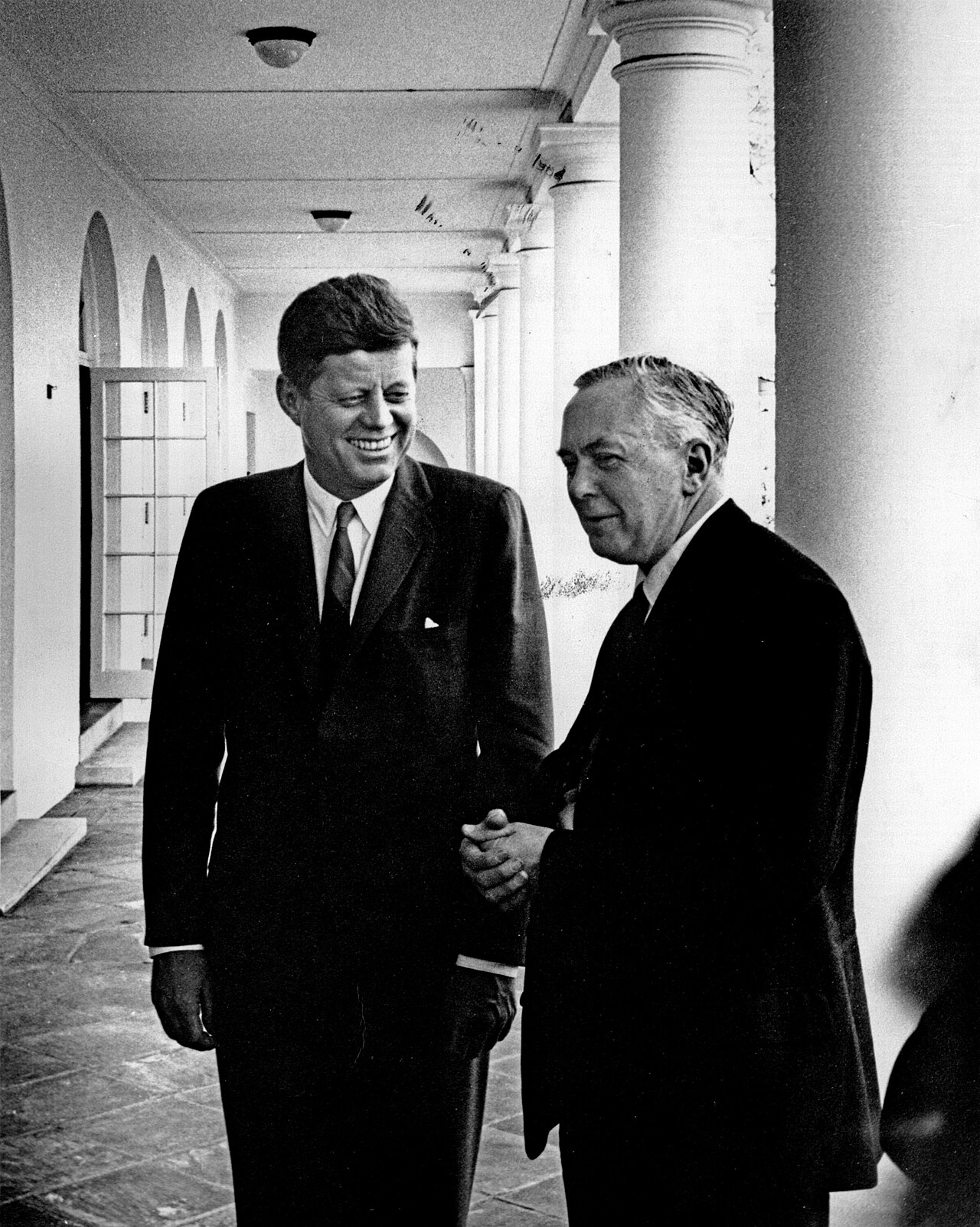
Browse all 71 →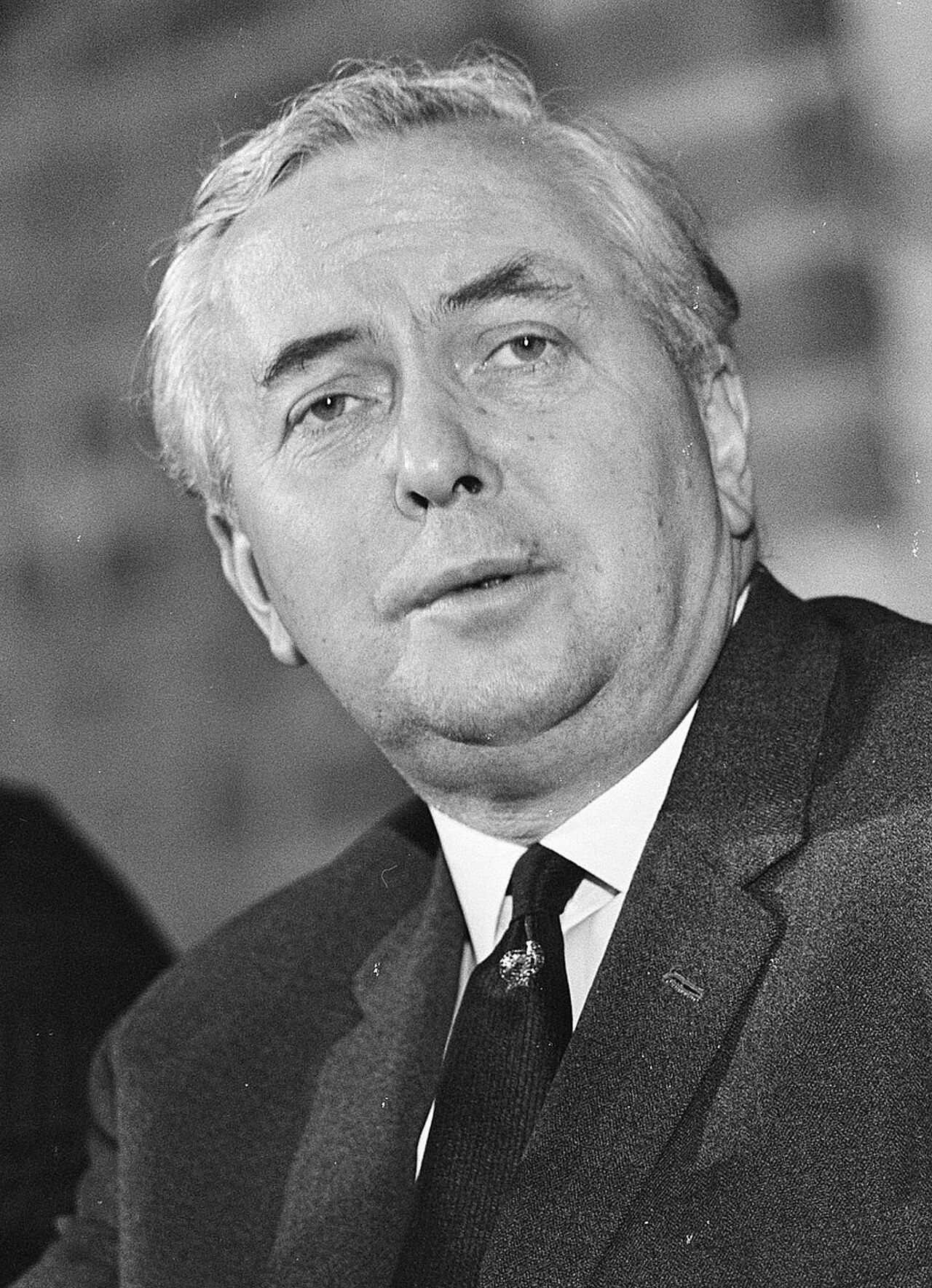


Ready when you are
Start chatting with Harold Wilson now.
20 messages free · No credit card · Available in 50+ languages.