


Primary sourceBook1874
My Life on the Plains
George Armstrong Custer · 1874
Custer's own 1874 memoir of his plains campaigns against the Cheyenne, including the Washita fight, written to justify his actions and build his public image.
Custer's memoir describes the army's dealings with Little Raven's band during the Washita campaign.
About this source
What it is
This is a book written by George Armstrong Custer himself, published in 1874. In it he describes his 1867-69 campaigns on the plains against Cheyenne and other Native peoples, including the attack at Washita.
Why it matters
Custer wrote this memoir to explain and defend his actions as an "Indian fighter" to the American public. It shows how he wanted to be remembered, and how he shaped his own legend while the wars against Native nations were still going on.
Look closer
- Why might a soldier write a book about his own campaigns?
- What does Custer choose to include, and what might he leave out?
- How might someone from a Cheyenne village describe the same events?
This book is part of the curated material that grounds the AI version of Little Raven and George Armstrong Custer on Humy.ai — when students ask about related events, the AI can quote it and cite it.
More Little Raven sources
Meet the AI Little Raven →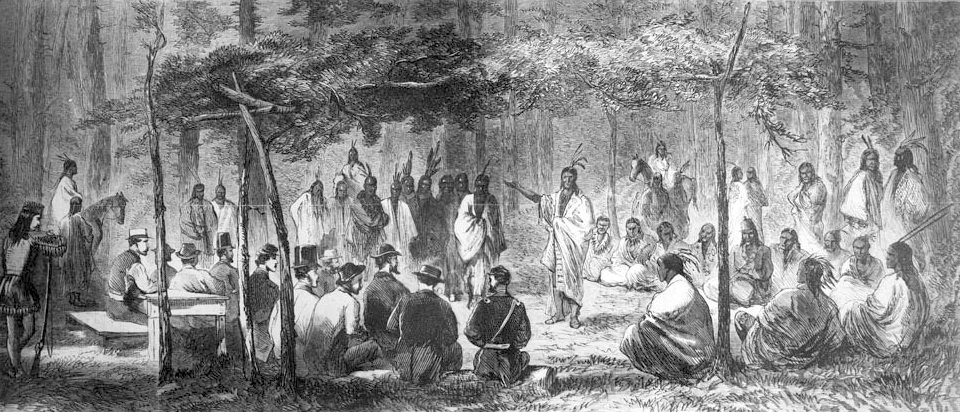 Document
Primary source
Medicine Lodge Treaty
October 1867
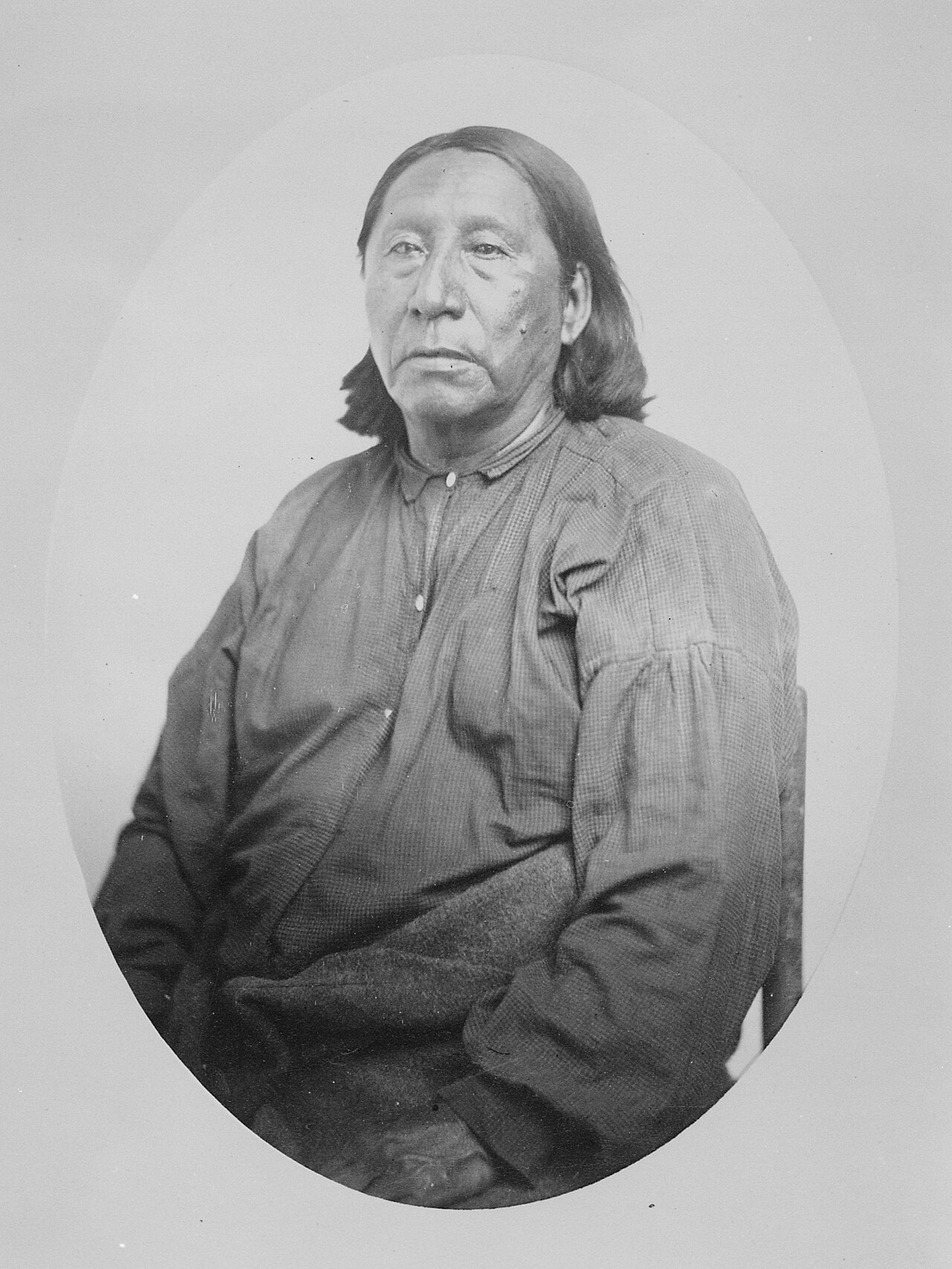 Photograph
Primary source
Little Raven, Head Chief of the Arapaho
William S. Soule · 1868-1874
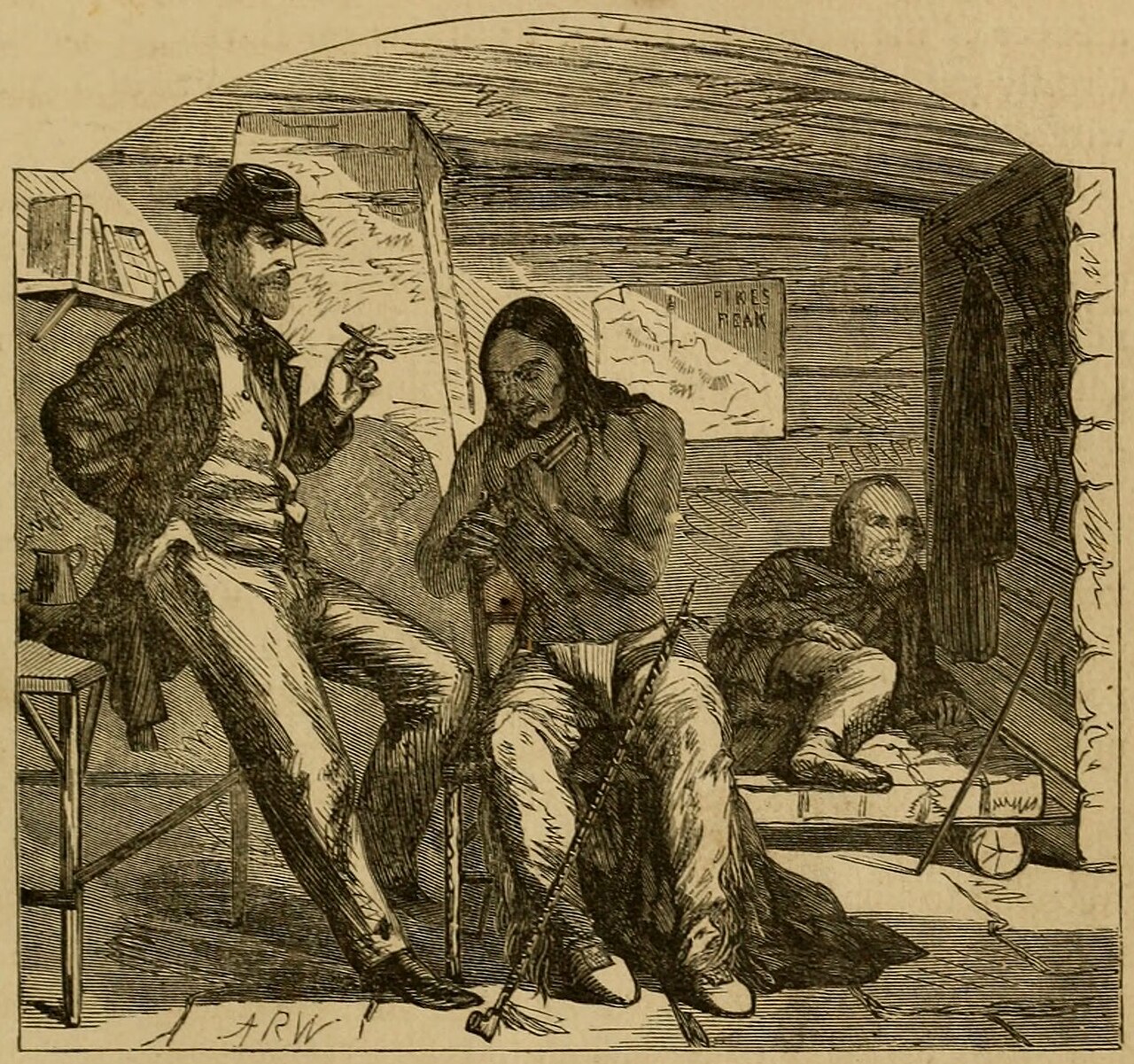 Painting
Secondary source
A Visit from Little Raven
Alfred Waud · 1859
Primary source
Annual Report of the Commissioner of Indian Affairs, 1874
United States Office of Indian Affairs · 1874
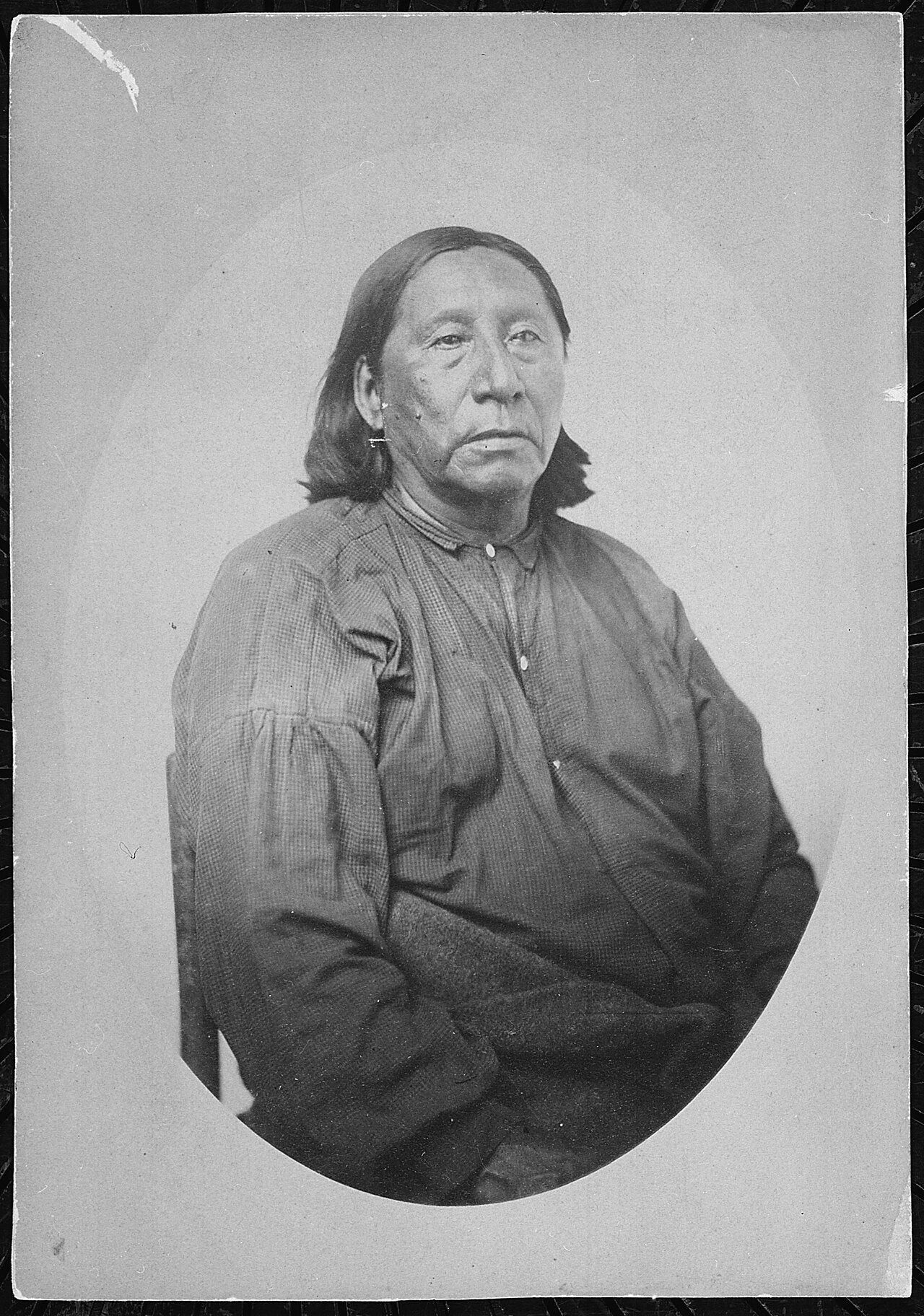 Photograph
Primary source
Little Raven, Principal Arapaho Chief
Ready when you are
Start chatting with Little Raven now.
20 messages free · No credit card · Available in 50+ languages.