


Primary sourceDocument1922
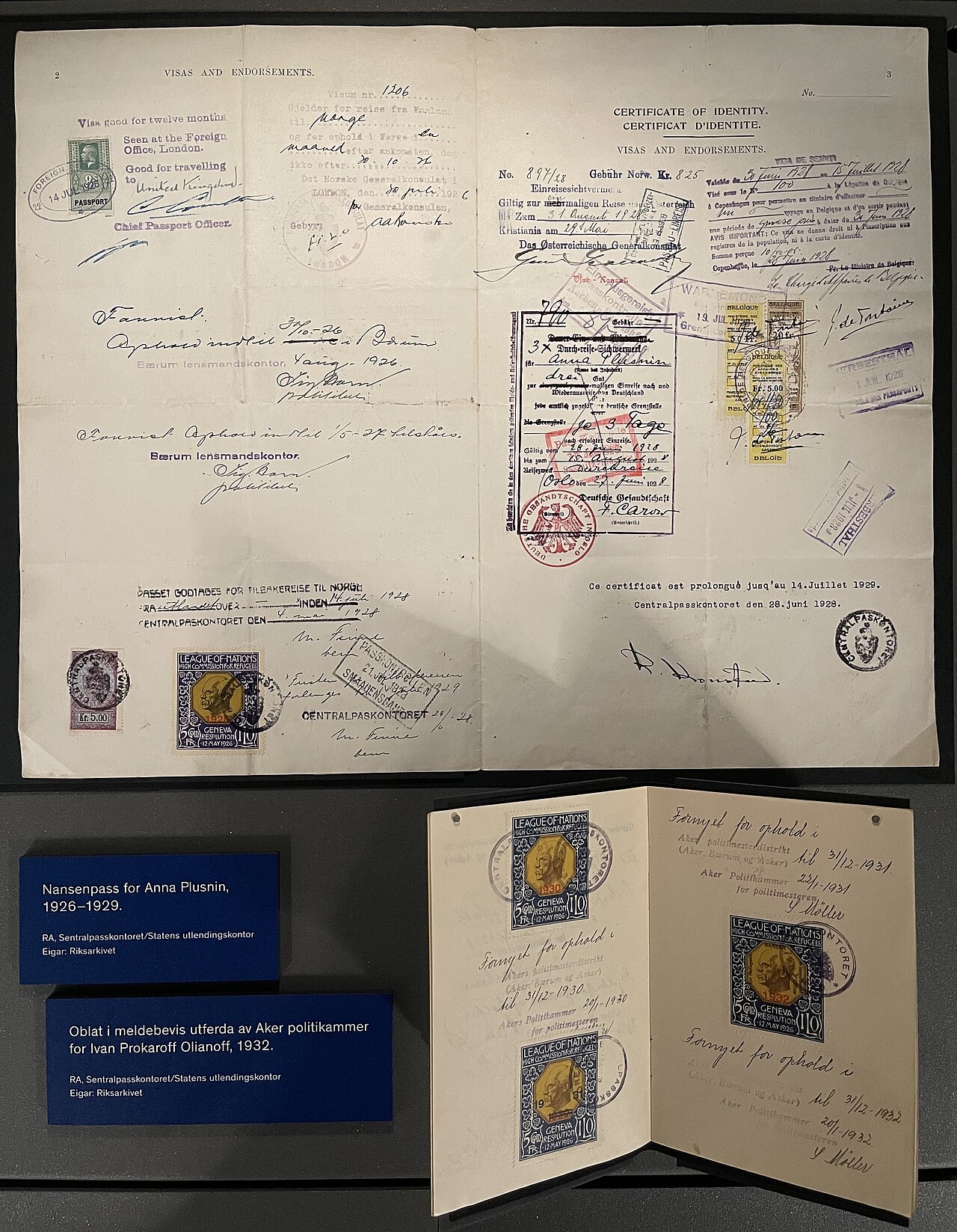
Nansen Passport
League of Nations High Commissioner for Refugees (Fridtjof Nansen) · 1922
The travel document Nansen created for stateless refugees after the Russian Revolution, eventually recognised by over fifty countries.
Nansen created this passport system in his role as League of Nations High Commissioner for Refugees.
Free Humy account · No credit card · 65,431 sources to read
About this source
What it is
This is an identity certificate created in 1922 by the League of Nations under Fridtjof Nansen, serving as High Commissioner for Refugees. It gave stateless people, first Russian refugees and later Armenians and others, a recognised travel document when their home governments refused to acknowledge them.
Why it matters
The Soviet government had stripped citizenship from hundreds of thousands of Russians living abroad, leaving them unable to travel or settle legally. Nansen's passport scheme offered a practical, international solution, and it became the basis for later refugee protections. It shows Nansen's shift from explorer to humanitarian statesman.
Look closer
- What do the stamps and signatures on the document tell you about a refugee's life?
- Why would so many different countries need to agree to honour this document?
- What problems might still exist for a stateless person even with this passport?
This document is part of the curated material that grounds the AI version of Fridtjof Nansen on Humy.ai — when students ask about related events, the AI can quote it and cite it.
More Fridtjof Nansen sources
Browse all 93 →Primary source
Fram over Polhavet
Fridtjof Nansen · 1897
 Artifact
Primary source
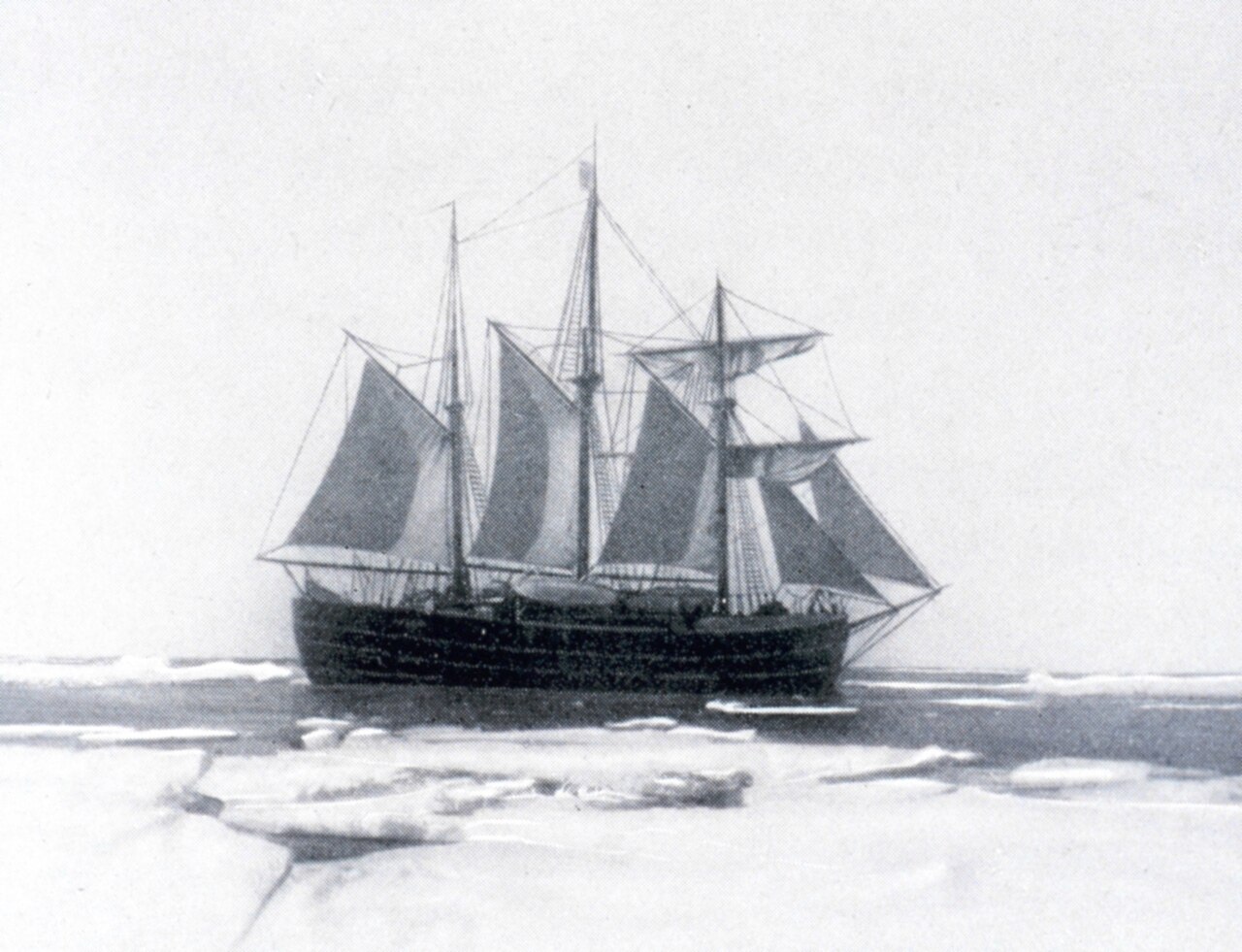
Fram
Colin Archer · 1892
 Photograph
Primary source
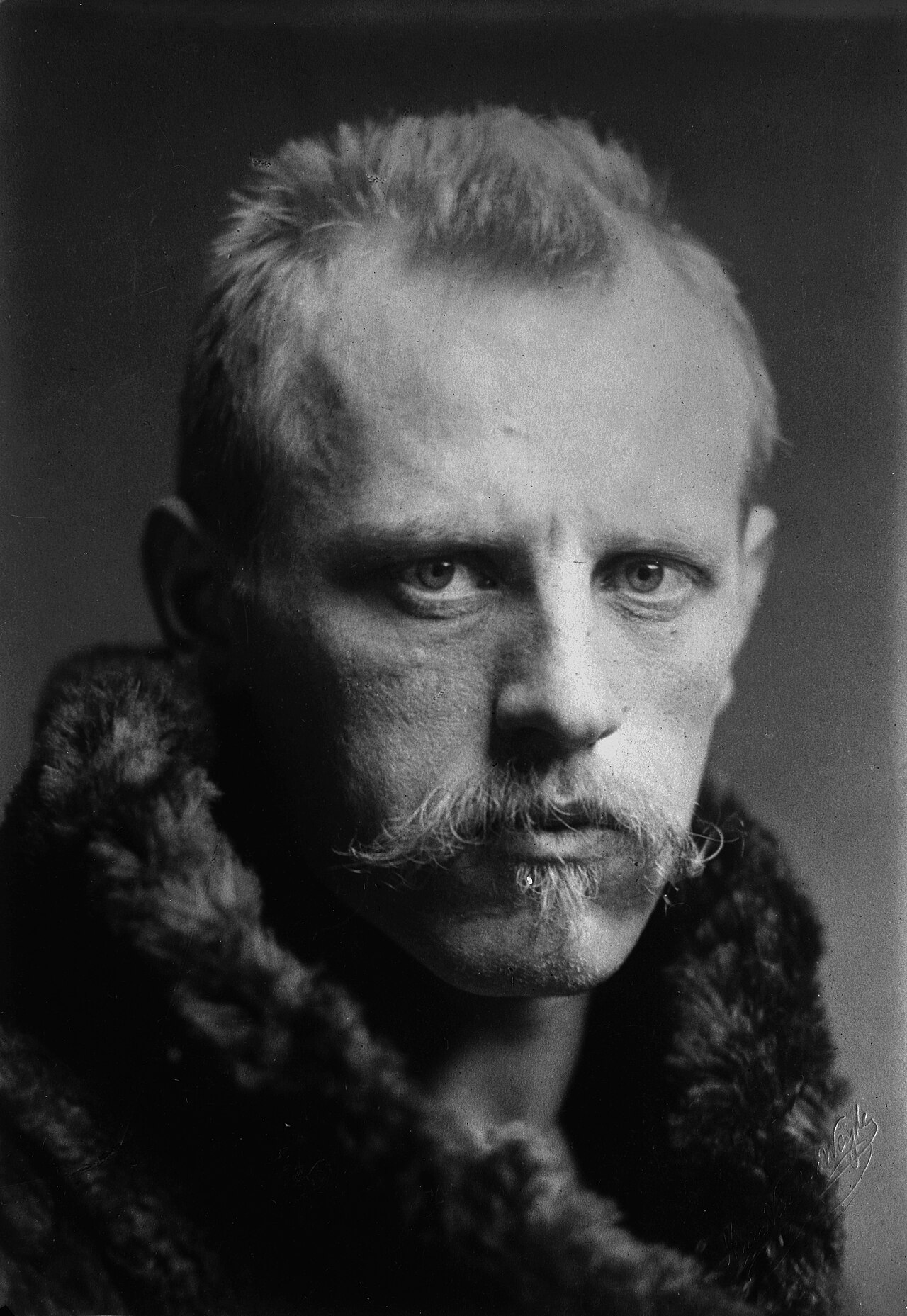
Portrait of Fridtjof Nansen
Henry van der Weyde
 Painting
Primary source
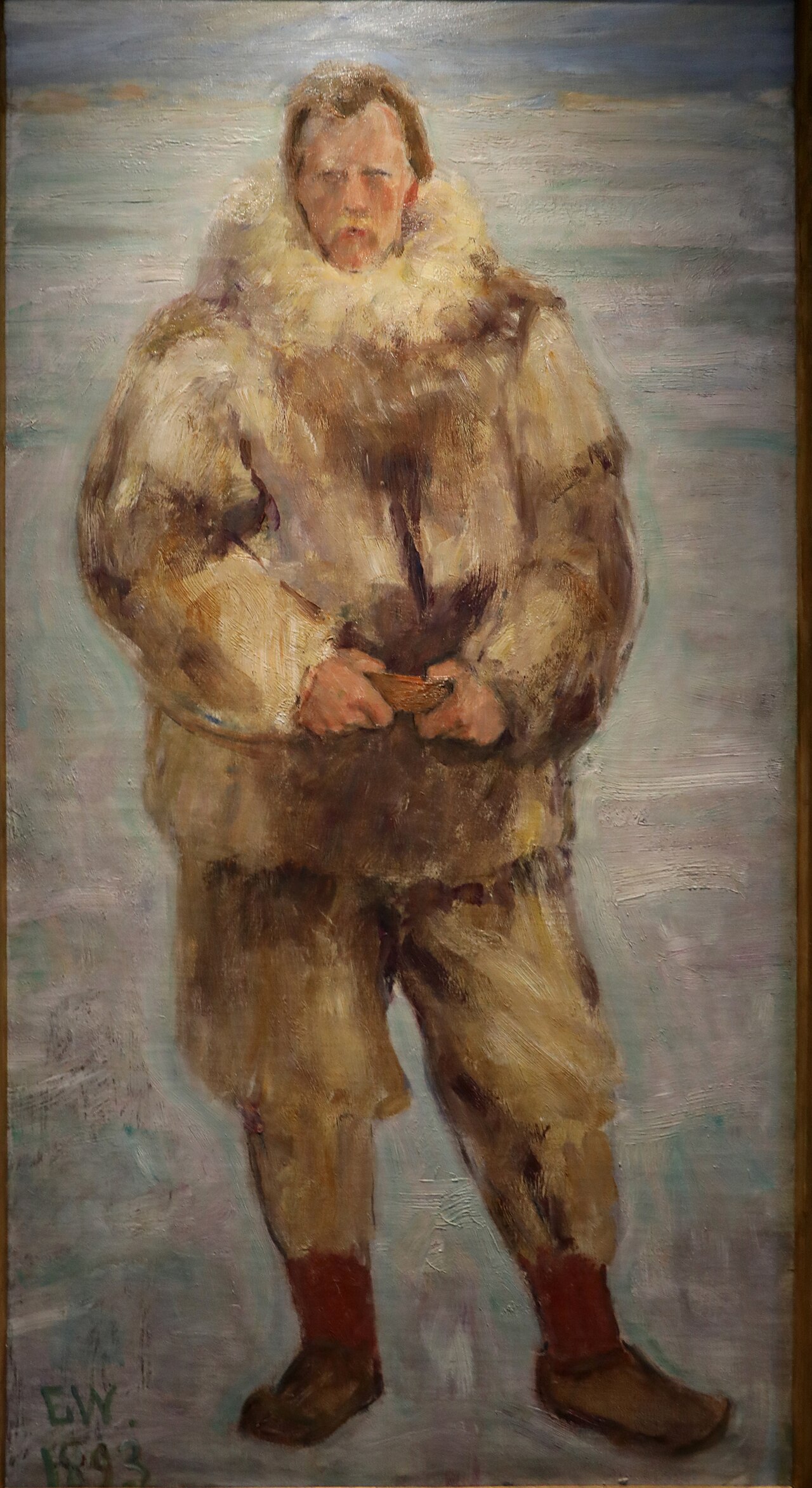
Portrait of Fridtjof Nansen in Fur Coat
Erik Werenskiold · 1893
Free account
Read every Fridtjof Nansen source
Sign up free →
Ready when you are
Start chatting with Fridtjof Nansen now.
20 messages free · No credit card · Available in 50+ languages.