


Primary sourceDocument29 July 1958
National Aeronautics and Space Act
29 July 1958
The 1958 law signed by Eisenhower that created NASA as a civilian space agency, his response to the Soviet launch of Sputnik.
Eisenhower signed this act into law, creating NASA as his central response to the Soviet Sputnik launch.
About this source
What it is
This federal statute, officially Public Law 85-568, was signed by President Dwight D. Eisenhower on July 29, 1958. It established the National Aeronautics and Space Administration (NASA) and abolished the earlier National Advisory Committee for Aeronautics, transferring its work to the new agency.
Why it matters
The Act followed the Soviet Union's launch of Sputnik, which exposed how unprepared the U.S. military seemed to be in the space race. By creating a civilian agency instead of a purely military one, Eisenhower set a lasting pattern of coordinated but separate civilian and military space programs in the United States. The law's declaration that space activities should benefit "all mankind" later echoed in the words left on the Moon by the Apollo 11 crew.
Look closer
- Why might Eisenhower have preferred a civilian agency over a military one to lead space exploration?
- What does the Act's language about "peaceful purposes" suggest about how the U.S. wanted to present itself during the Cold War?
- How did this law affect who could develop space travel in the following decades?
This document is part of the curated material that grounds the AI version of Dwight D. Eisenhower on Humy.ai — when students ask about related events, the AI can quote it and cite it.
More Dwight D. Eisenhower sources
Meet the AI Dwight D. Eisenhower →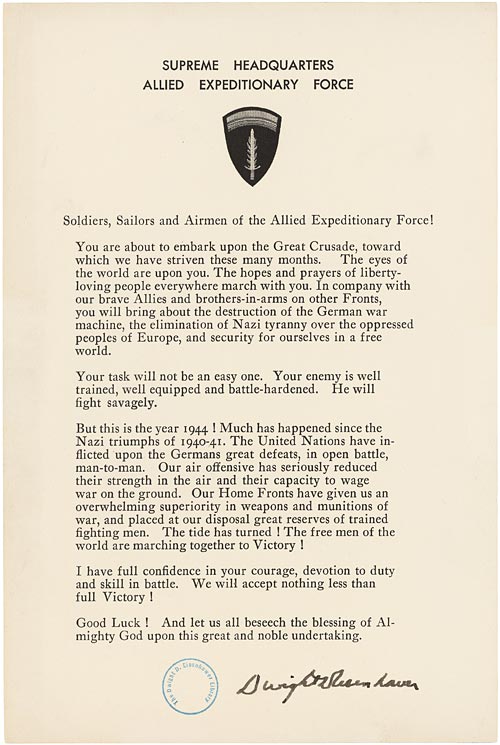 Document
Primary source
Order of the Day to the Allied Expeditionary Force
Dwight D. Eisenhower · June 1944
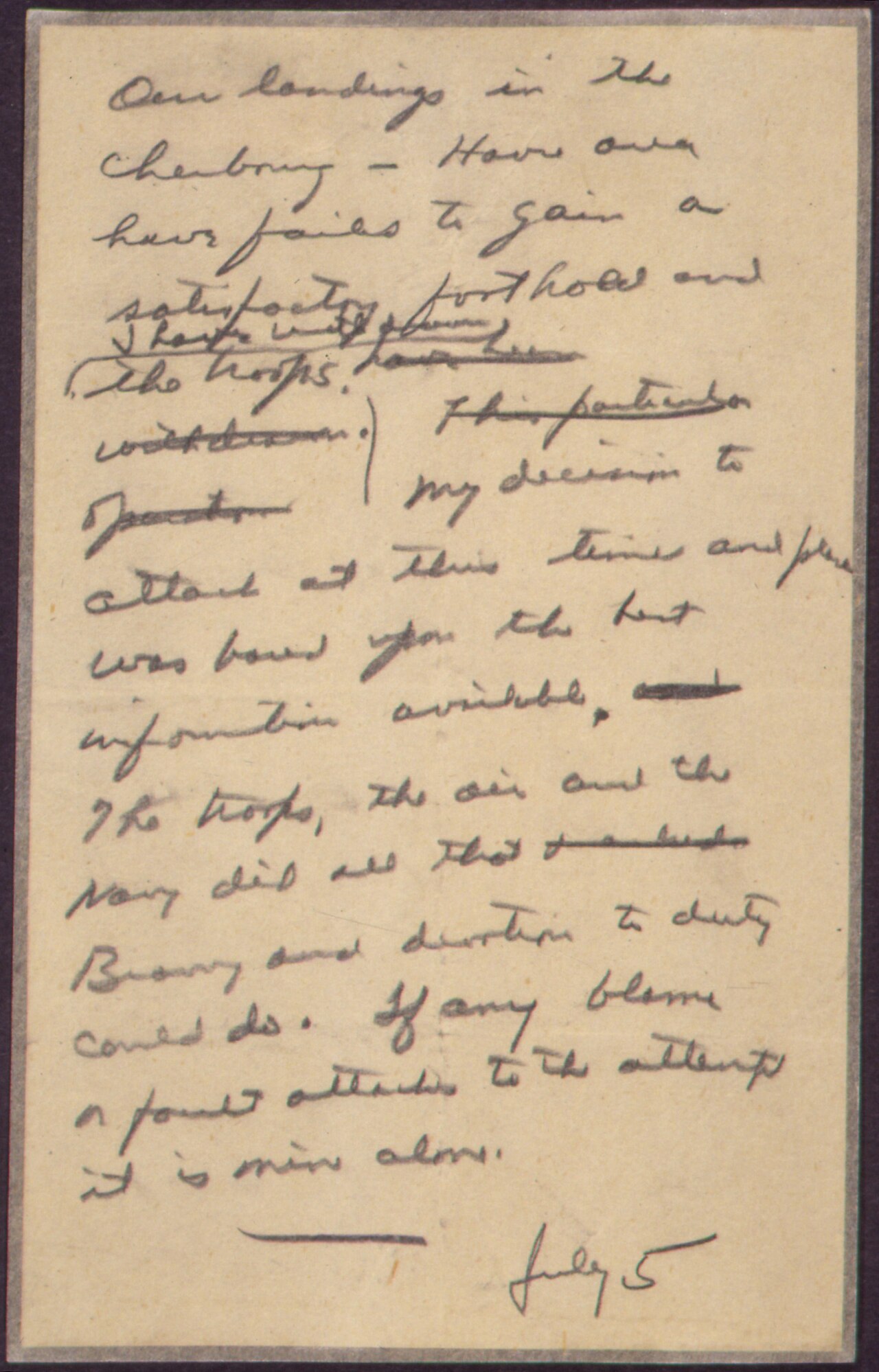 Document
Primary source
'In Case of Failure' Note
Dwight D. Eisenhower · 5 June 1944
 Photograph
Primary source
Photograph of General Eisenhower with Paratroopers Before D-Day
U.S. Army Signal Corps · 5 June 1944
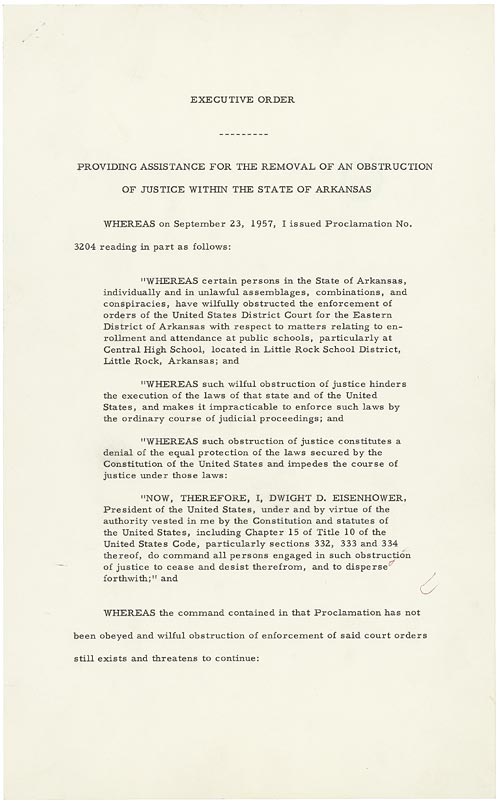 Document
Primary source
Executive Order 10730: Desegregation of Central High School
Dwight D. Eisenhower · 23 September 1957
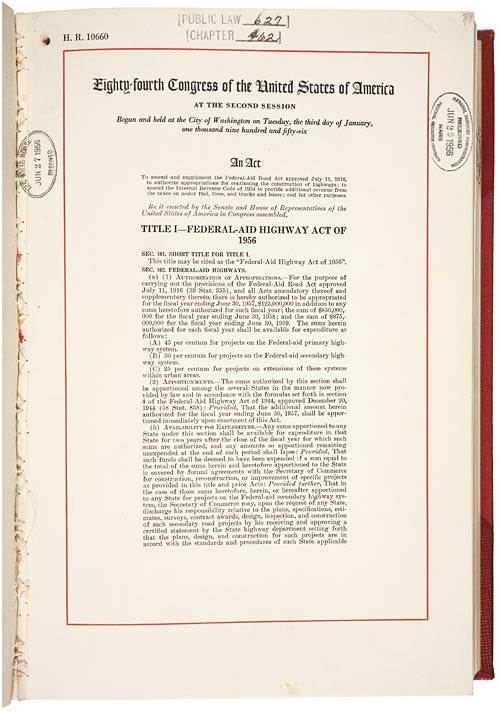 Document
Primary source
National Interstate and Defense Highways Act
29 June 1956
Ready when you are
Start chatting with Dwight D. Eisenhower now.
20 messages free · No credit card · Available in 50+ languages.