


Primary sourceDocument1928 (lyrics from 1924 speech)
National Anthem of the Republic of China
Cheng Maoyun · 1928 (lyrics from 1924 speech)
Taiwan's national anthem, whose lyrics come from a 1924 speech by Sun Yat-sen at the Whampoa Military Academy.
The anthem's lyrics are taken directly from Sun Yat-sen's own 1924 speech, preserving his political vision in Taiwan today.
Free Humy account · No credit card · 120,912 sources to read
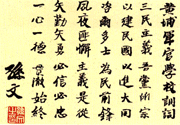
About this source
What it is
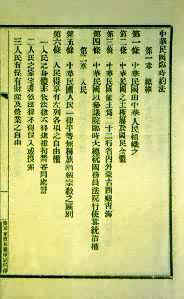
This is the national anthem of the Republic of China (Taiwan), also used as the Kuomintang party anthem. The lyrics are drawn from a speech given by Sun Yat-sen in 1924 at the opening of the Whampoa Military Academy, with text developed by party members Hu Hanmin, Tai Chi-tao, Liao Zhongkai, and Shao Yuanchong. The music was composed by Cheng Maoyun after winning a contest, and the anthem was formally adopted in the 1940s. The image shown is a handwritten calligraphy version of Sun's original training address.
Why it matters
The anthem shows how Sun's words outlived him, becoming a lasting symbol of the Republic of China even after the Kuomintang's retreat to Taiwan. It reveals the close link between Sun's political philosophy—the Three Principles of the People—and national identity, though the anthem remains controversial for some as a symbol of one-party rule.
Look closer
- Why might a speech become a national anthem decades later?
- What does the classical Chinese language of the lyrics suggest about the writers' intentions?
- Why do some Taiwanese today view this anthem differently?
This document is part of the curated material that grounds the AI version of Sun Yat-sen on Humy.ai — when students ask about related events, the AI can quote it and cite it.
More Sun Yat-sen sources
Browse all 97 →Primary source
Three Principles of the People
Sun Yat-sen · 1924
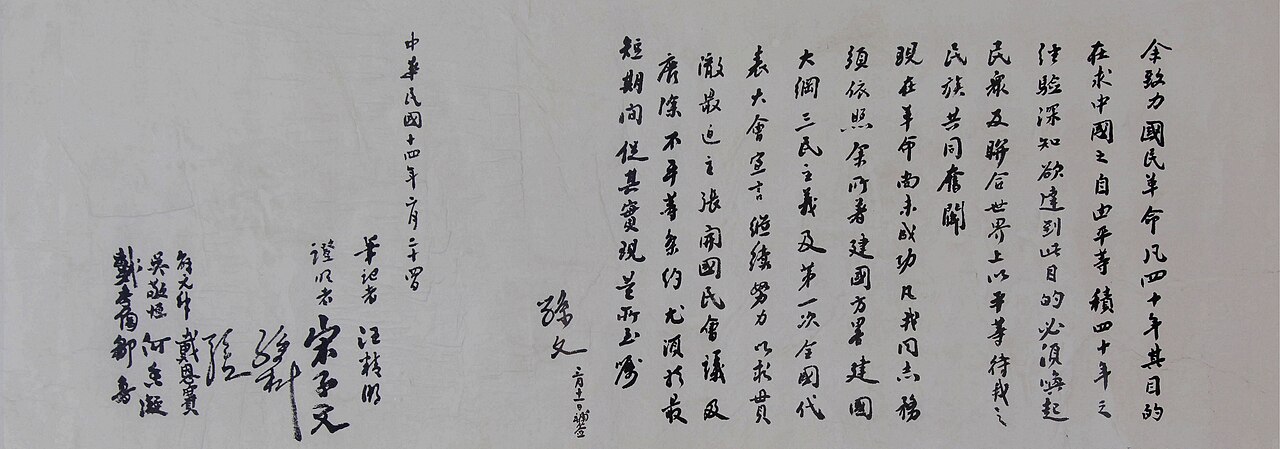 Document
Primary source
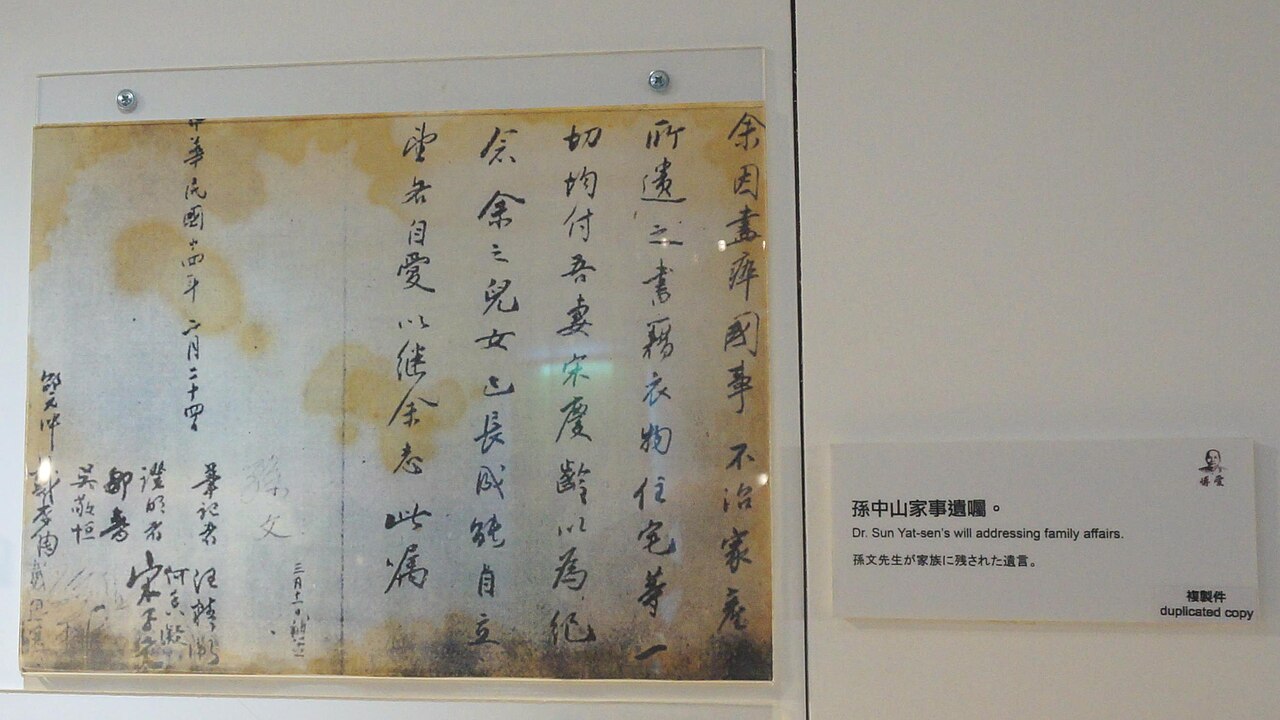
Last Will and Testament of Sun Yat-sen
Sun Yat-sen · 1925
 Photograph
Primary source
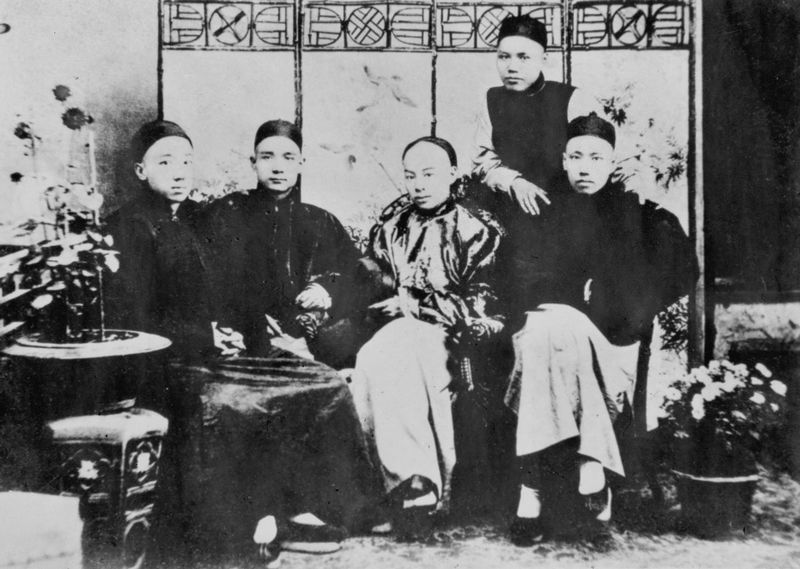
Photograph of the Four Bandits with Guan Jingliang
c. 1888
Primary source
1924 Guangzhou Speech Recording
Sun Yat-sen · 30 May 1924
Free account
Read every Sun Yat-sen source
Sign up free →
Ready when you are
Start chatting with Sun Yat-sen now.
20 messages free · No credit card · Available in 50+ languages.