


Primary sourcePainting1559
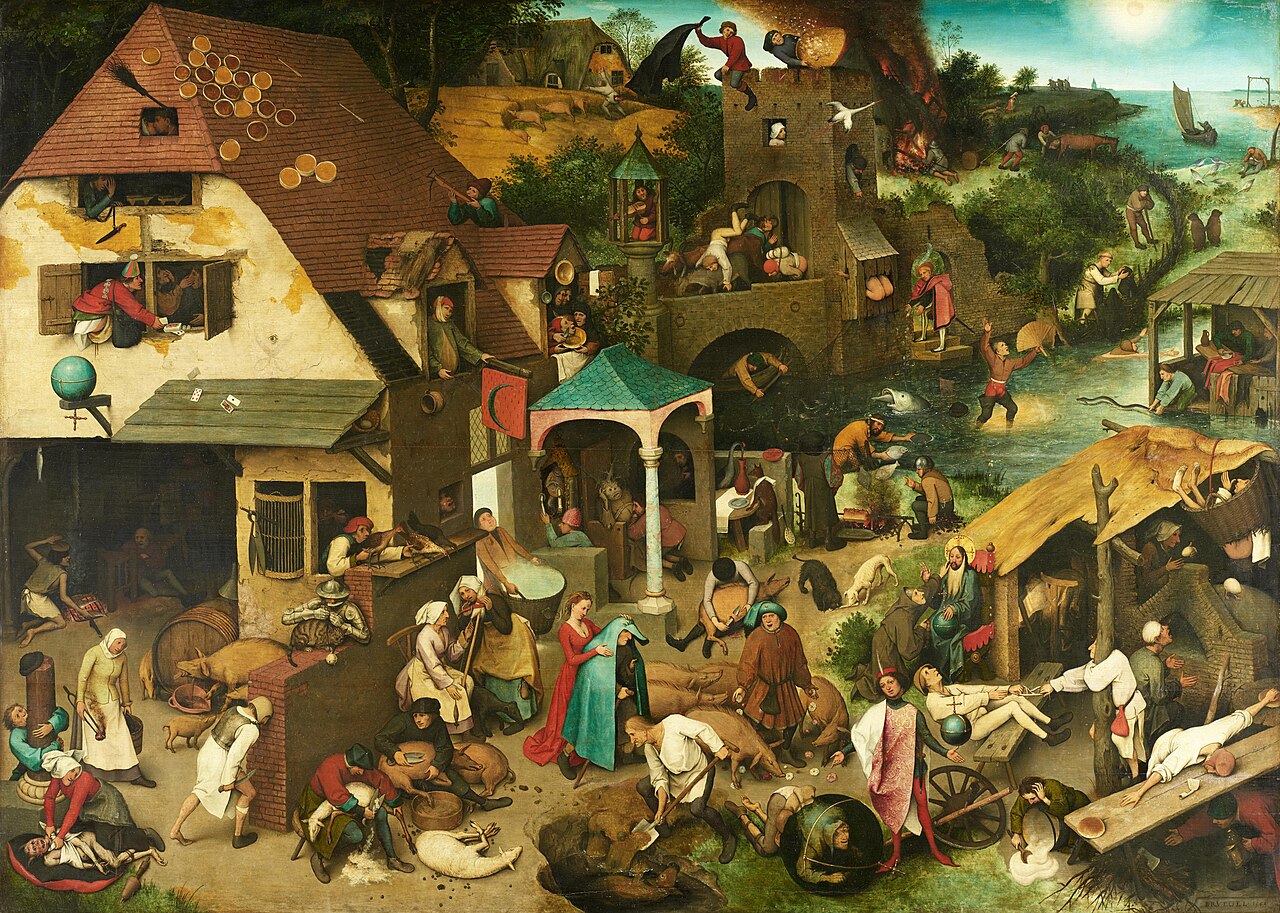
Netherlandish Proverbs
Pieter Bruegel the Elder · 1559
A 1559 painting by Pieter Bruegel the Elder crowded with scenes literally illustrating over a hundred Flemish proverbs about human folly.
This is one of Bruegel's own satirical works, showing his moralising view of human folly.
About this source
What it is
This oil-on-oak-panel painting was made in 1559 by Pieter Bruegel the Elder. It is held at the Gemäldegalerie in Berlin. His son, Pieter Brueghel the Younger, later made many copies of it, now found in other collections.
Why it matters
The painting crams a village scene with over a hundred figures each acting out a Dutch proverb or idiom, many still used today. Its original title, meaning 'The Folly of the World,' shows that Bruegel's aim was not simple illustration but a catalogue of human foolishness, continuing a popular tradition of proverb collections in his time, including those by the humanist Erasmus.
Look closer
- Can you spot any proverbs you recognise, even in translation?
- Why might Bruegel have chosen peasant settings rather than wealthy households to show human folly?
- What does the painting suggest about how people in the 1500s used humour to criticise behaviour?
This painting is part of the curated material that grounds the AI version of Pieter Bruegel the Elder on Humy.ai — when students ask about related events, the AI can quote it and cite it.
More Pieter Bruegel the Elder sources
Browse all 97 →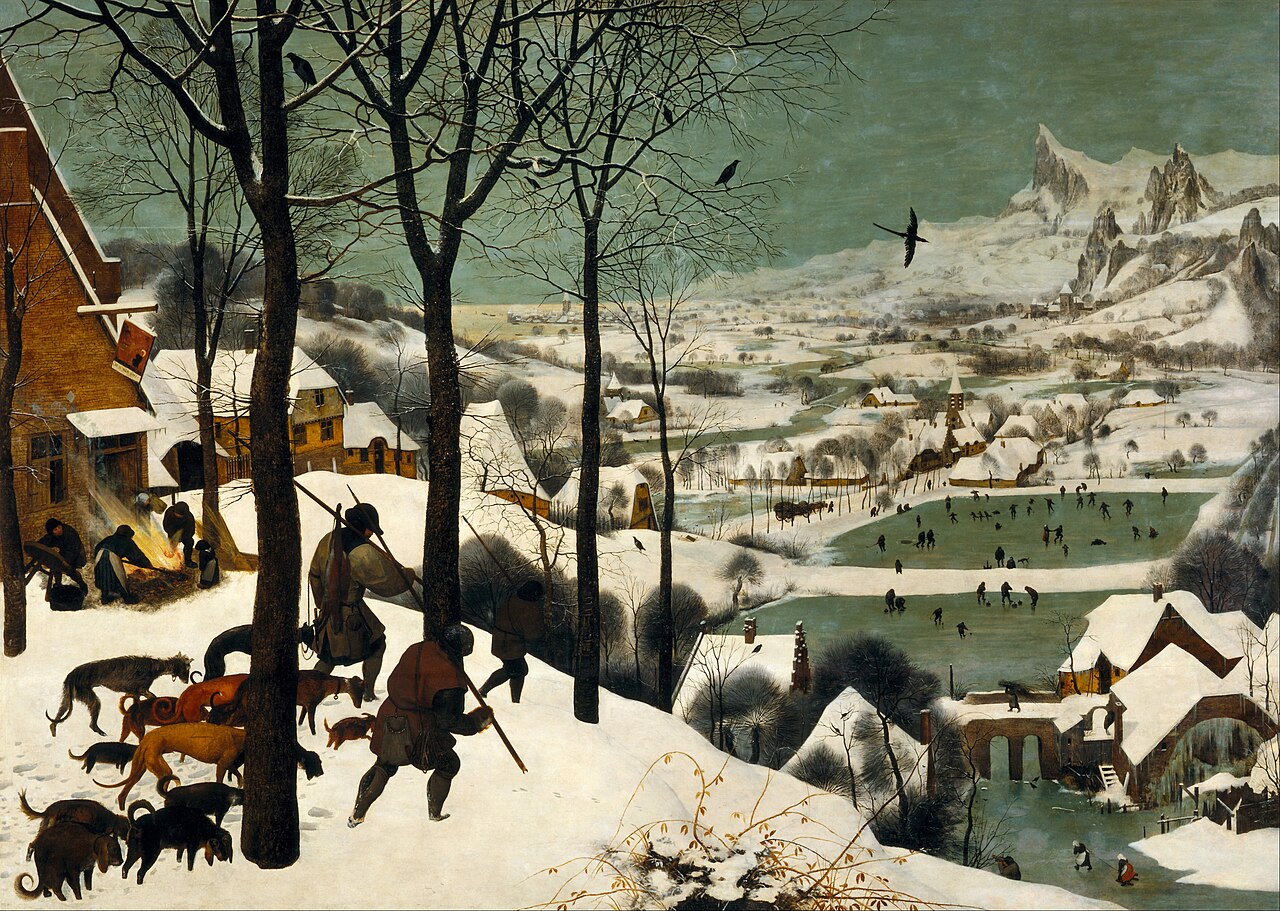 Painting
Primary source
The Hunters in the Snow
Pieter Bruegel the Elder · 1565
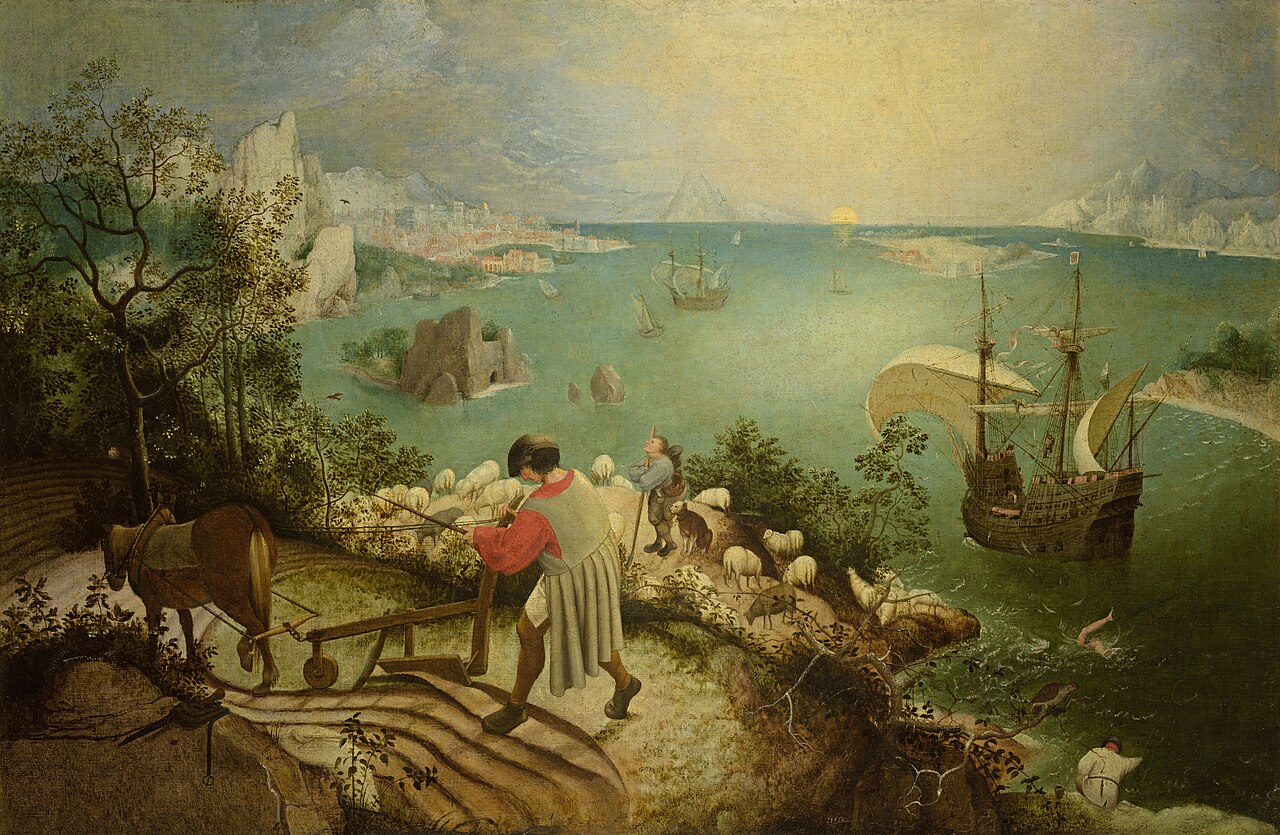 Painting
Secondary source
Landscape with the Fall of Icarus
Unknown (circle of Pieter Bruegel the Elder) · c. 1560s
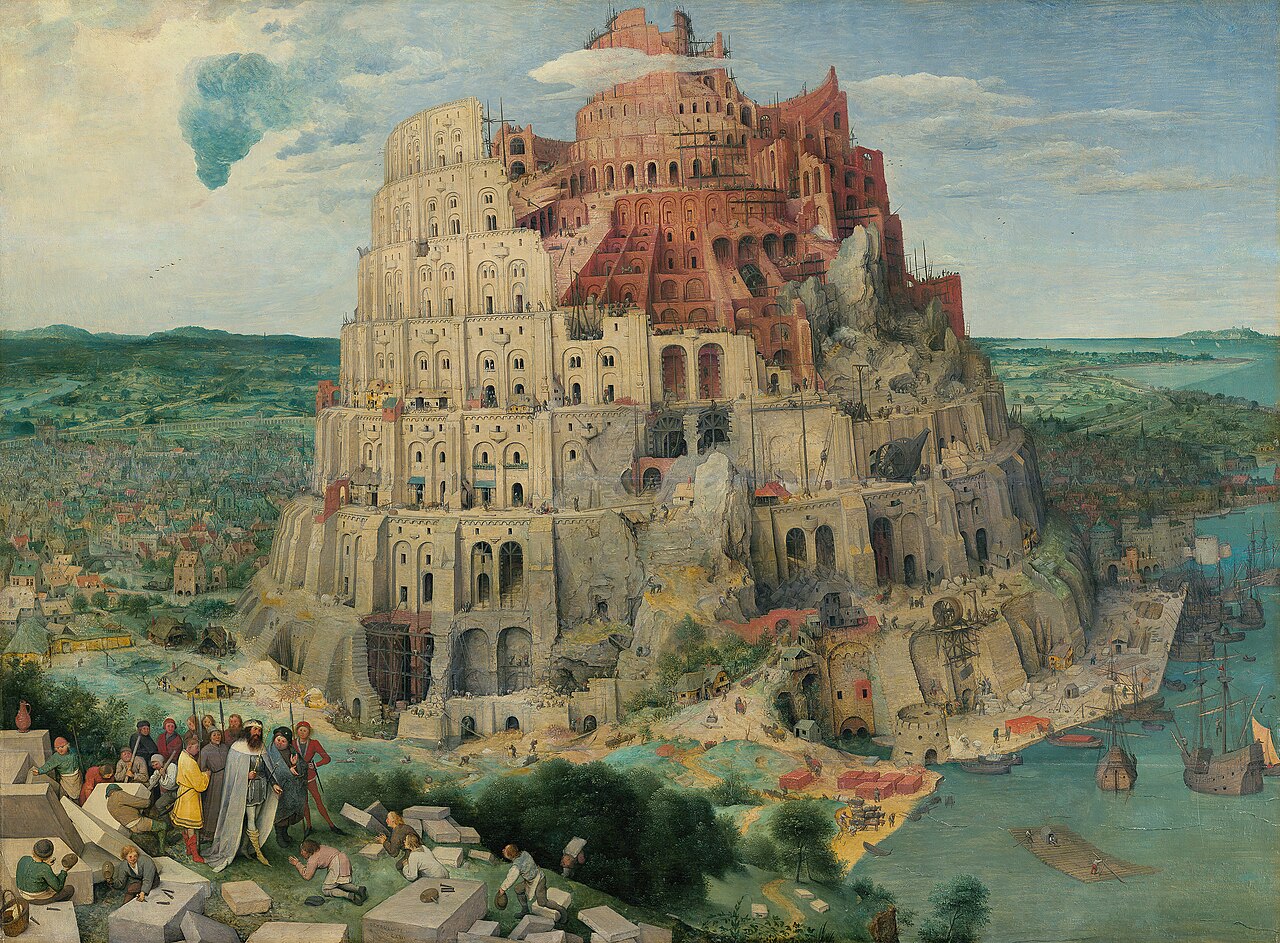 Painting
Primary source
The Tower of Babel
Pieter Bruegel the Elder · 1563
 Painting
Primary source
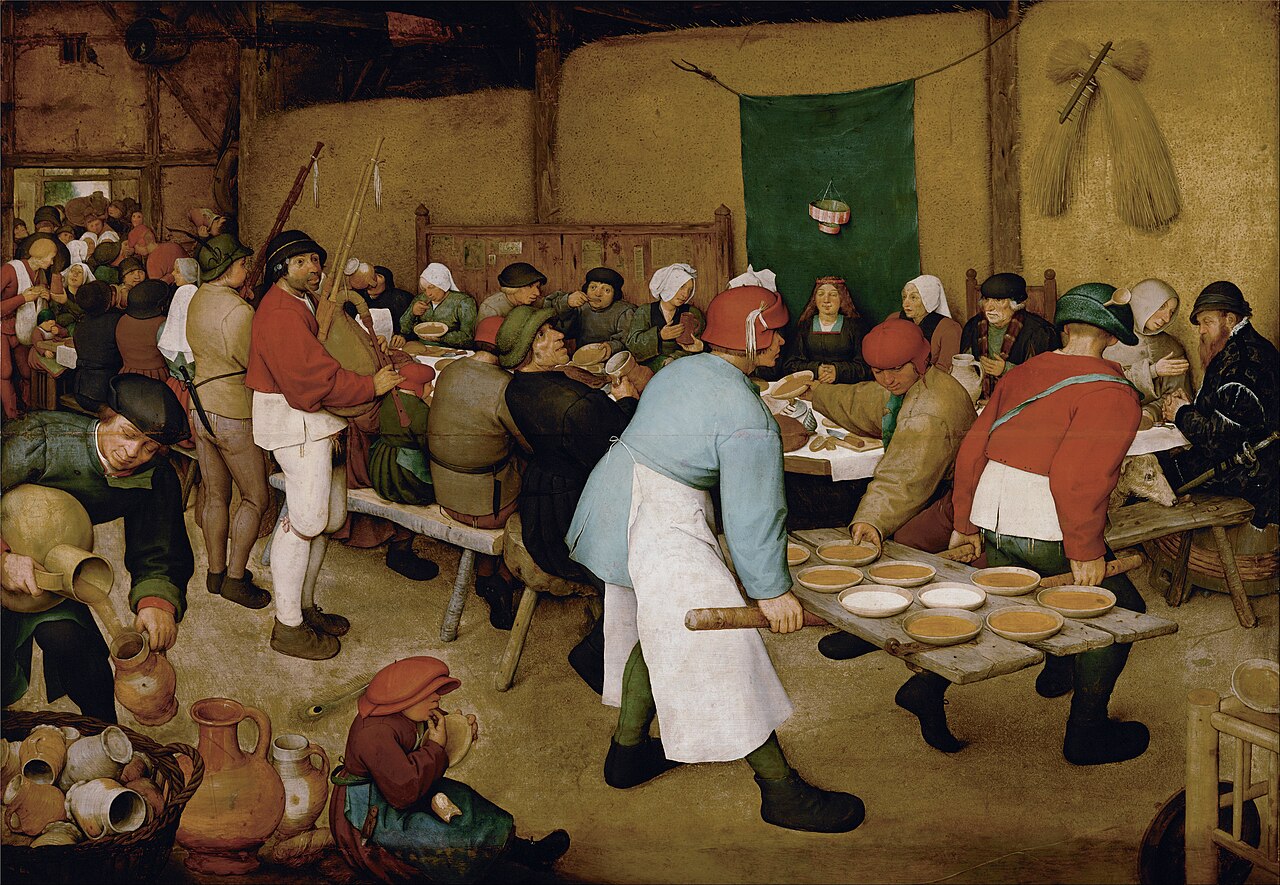
The Peasant Wedding
Pieter Bruegel the Elder · c. 1567
Free account
Browse every Pieter Bruegel the Elder source
Sign up free →
Ready when you are
Start chatting with Pieter Bruegel the Elder now.
20 messages free · No credit card · Available in 50+ languages.