


Primary sourceArtifact1971-1973
Nixon White House Tapes
Richard Nixon · 1971-1973
Secret Oval Office audio recordings made by Nixon's own taping system, which later provided the key evidence of the Watergate cover-up.
Nixon ordered and used this recording system, and its tapes became the central evidence of his downfall in Watergate.
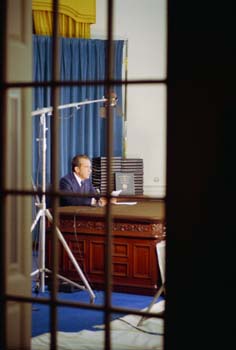
About this source
What it is
Beginning in February 1971, a sound-activated taping system recorded conversations in the Oval Office, Cabinet Room, and other White House spaces. The system was installed at President Richard Nixon's request and operated until it was turned off in July 1973. The original tapes are held by the National Archives and Records Administration.
Why it matters
The tapes captured thousands of hours of Nixon's private discussions, including foreign policy planning and, crucially, conversations about the Watergate break-in. When their existence became public during Senate hearings, Nixon's refusal to hand them over became grounds for impeachment, and the recordings ultimately provided proof of a cover-up that led to his resignation.
Look closer
- Why might a president want to record his own conversations?
- What does the secrecy of the system tell you about trust inside the White House?
- How did technology meant to preserve history end up ending a presidency?
This artifact is part of the curated material that grounds the AI version of Richard Nixon on Humy.ai — when students ask about related events, the AI can quote it and cite it.
More Richard Nixon sources
Meet the AI Richard Nixon →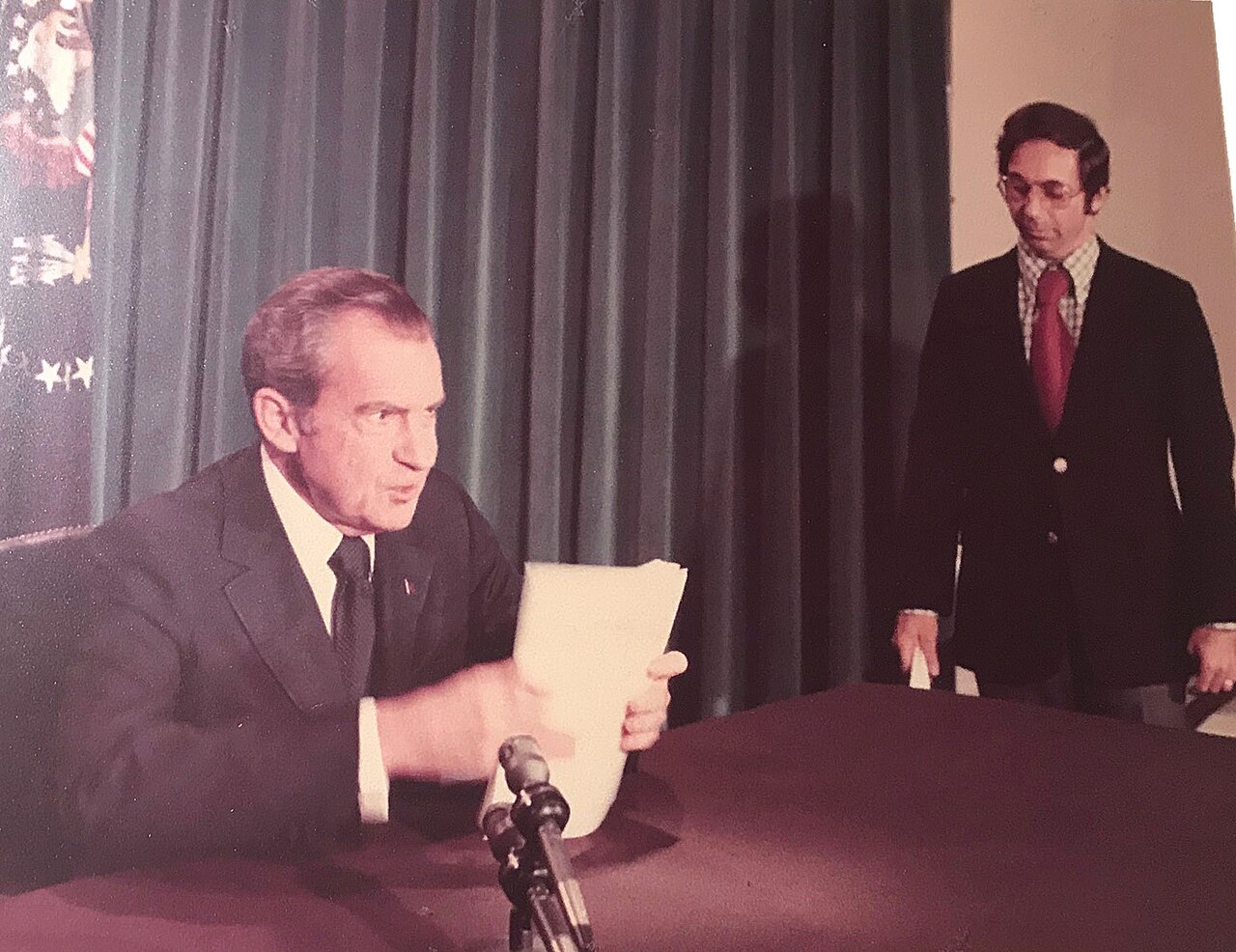 Speech
Primary source
Richard Nixon's Resignation Speech
Richard Nixon · 8 August 1974
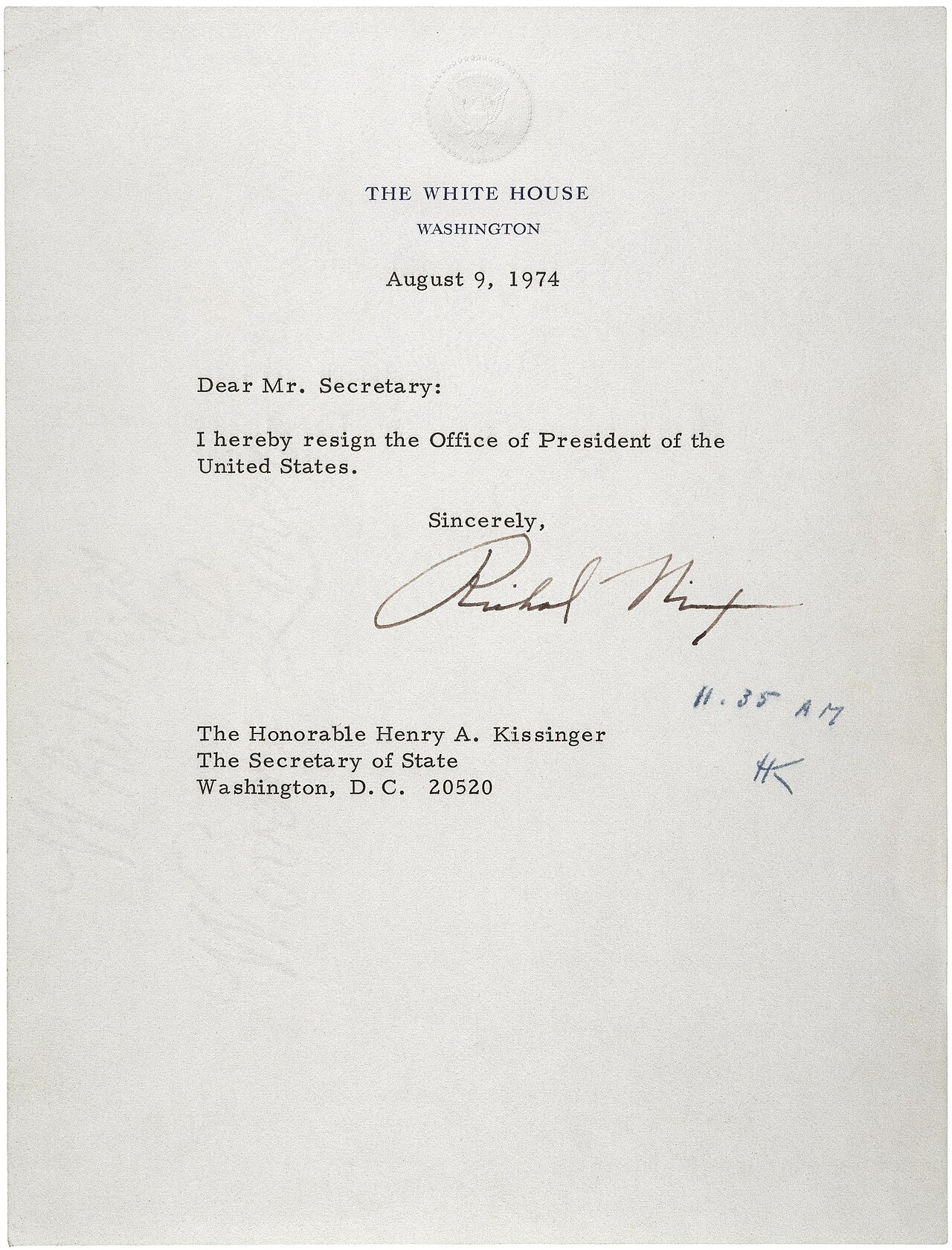 Letter
Primary source
Richard Nixon's Resignation Letter
Richard Nixon · 9 August 1974
Primary source
Silent Majority Speech
Richard Nixon · 3 November 1969
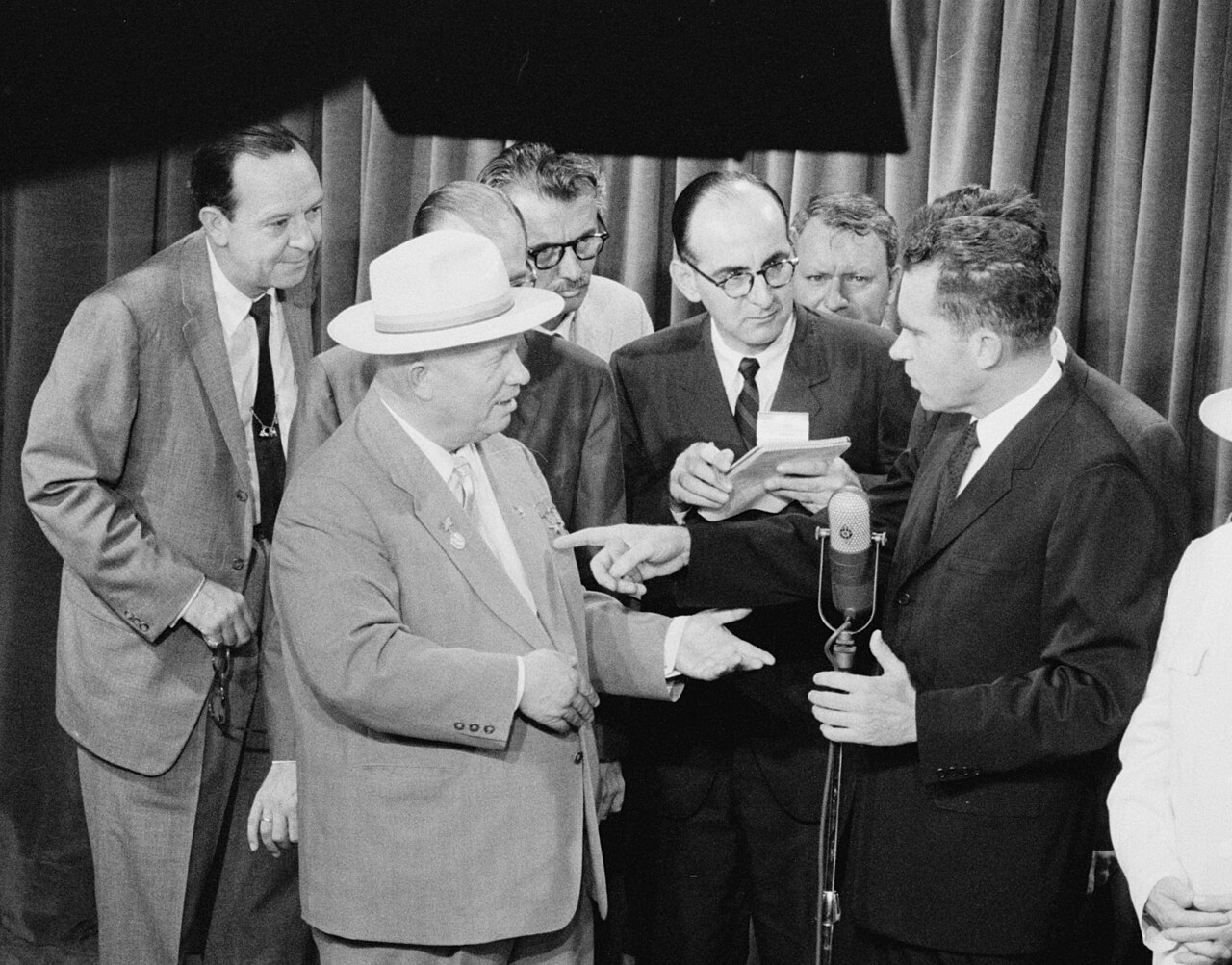 News clip
Primary source
Kitchen Debate
24 July 1959
 News clip
Primary source
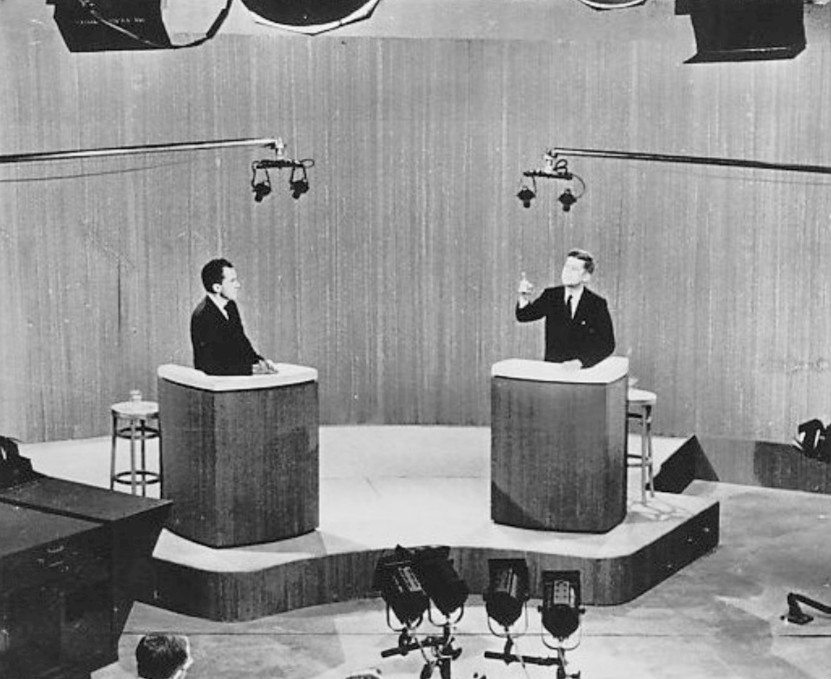
1960 United States Presidential Debates
26 September - 21 October 1960
Ready when you are
Start chatting with Richard Nixon now.
20 messages free · No credit card · Available in 50+ languages.