


Primary sourceSculpture390 AD (obelisk c. 1450 BC)
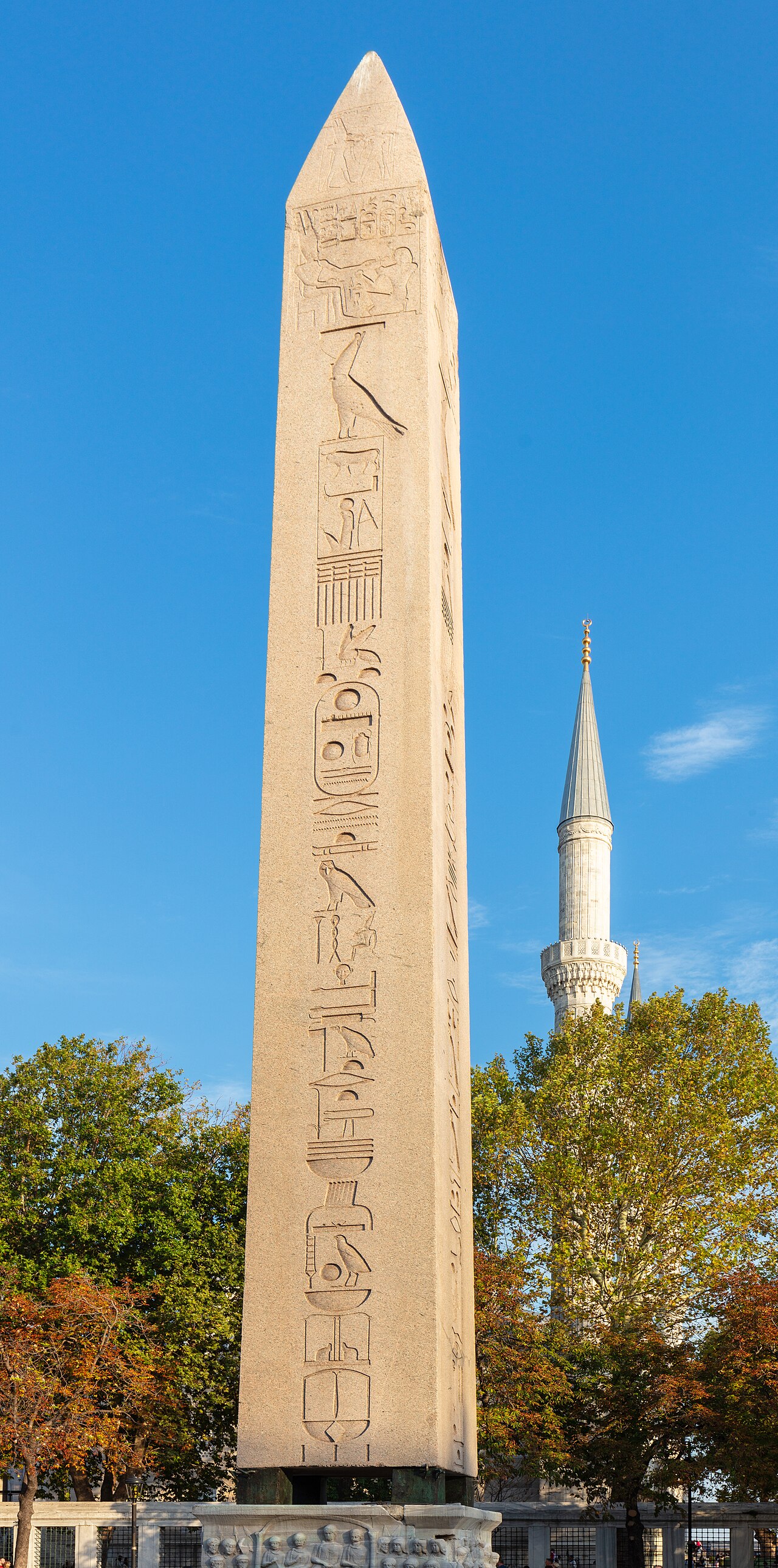
Obelisk of Theodosius
390 AD (obelisk c. 1450 BC)
An ancient Egyptian obelisk that Theodosius had re-erected in the Hippodrome of Constantinople in 390, its base carved with scenes of him presiding over games.
Theodosius ordered the obelisk's transport and re-erection in 390, and its pedestal reliefs show him presiding over Hippodrome ceremonies.
Free Humy account · No credit card · 120,912 sources to read
About this source
What it is
This is an Ancient Egyptian obelisk originally raised by Pharaoh Thutmose III around 1450 BC. The Roman emperor Theodosius I had it moved and re-erected in the Hippodrome of Constantinople in 390 AD, where it still stands today in modern Istanbul.
Its marble pedestal, carved for the re-erection, shows Theodosius and his court watching spectacles from the imperial box, including chariot races, music and dancing, and barbarians offering tribute. Latin and Greek inscriptions on the base describe the obelisk's transport and re-erection, naming the official Proculus who organized the work.
Why it matters
It shows how Roman emperors reused ancient monuments to display their own power and connect themselves to older empires. The pedestal reliefs are among the fullest surviving images of Theodosius's court and the ceremonies of his reign.
Look closer
- Why might Theodosius have wanted an Egyptian monument over a thousand years old in his own capital?
- What do the scenes on the pedestal tell you about what mattered to the people who watched Theodosius in the Hippodrome?
- What is missing from these images of Theodosius's rule?
This sculpture is part of the curated material that grounds the AI version of Theodosius I on Humy.ai — when students ask about related events, the AI can quote it and cite it.
More Theodosius I sources
Browse all 93 →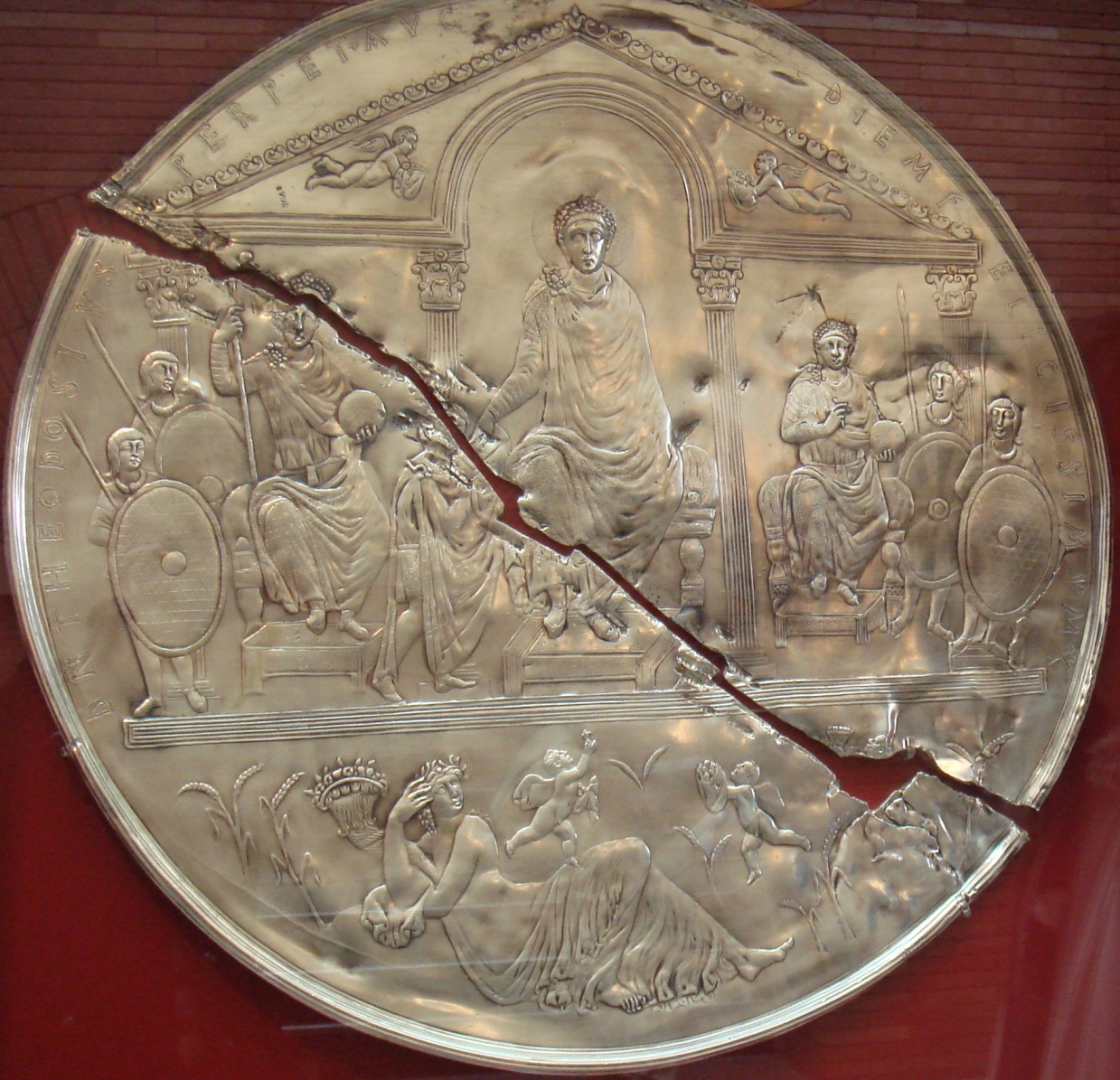 Artifact
Primary source
Missorium of Theodosius I
388 AD
 Document
Primary source
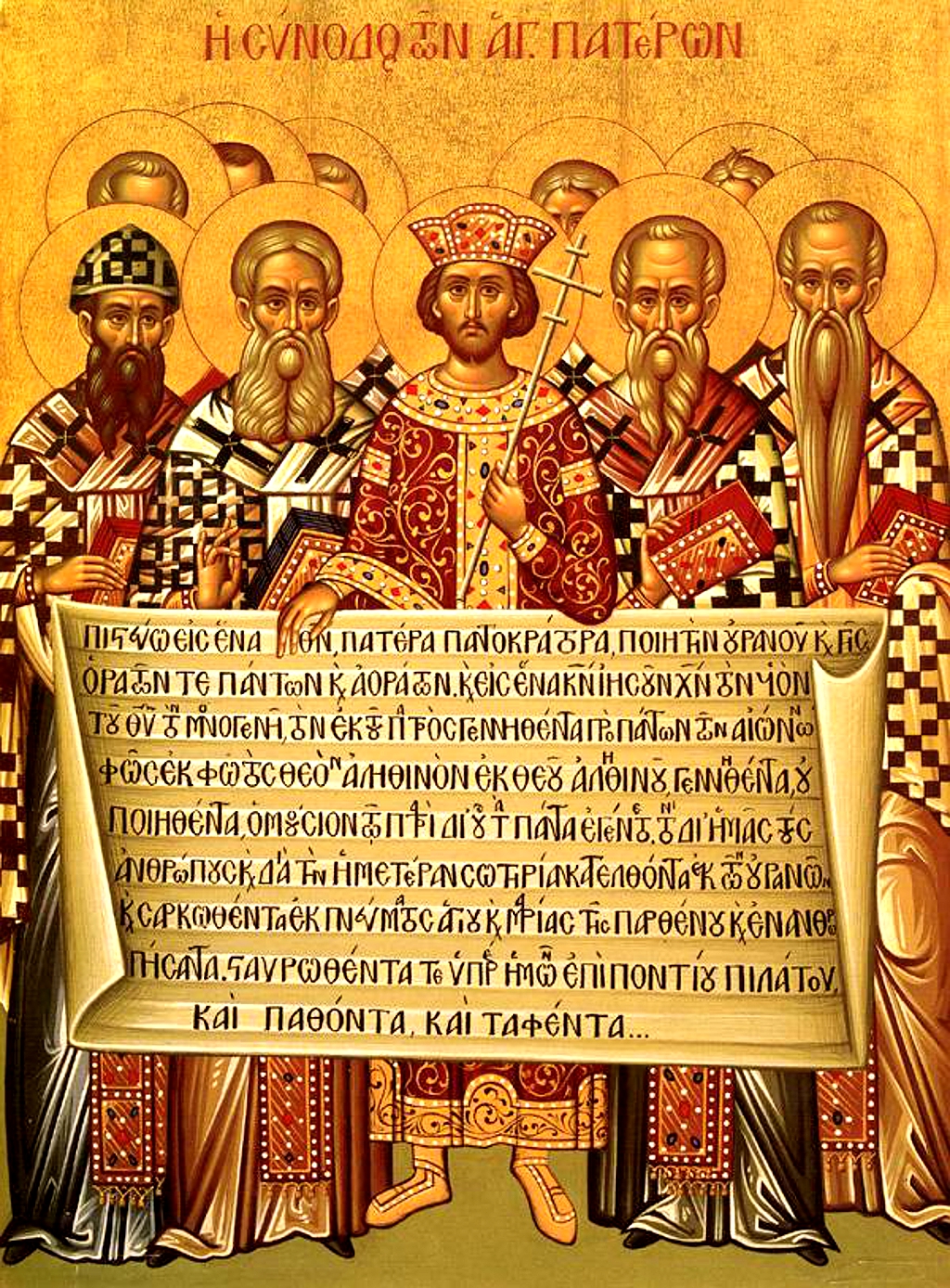
Nicene–Constantinopolitan Creed
381 AD
Primary source
Letter to Theodosius after the Massacre of Thessalonica
Ambrose of Milan · 390 AD
Primary source
De obitu Theodosii
Ambrose · 395 AD
Free account
Read every Theodosius I source
Sign up free →
Ready when you are
Start chatting with Theodosius I now.
20 messages free · No credit card · Available in 50+ languages.