


Secondary sourceBook1702 (journey made in 1689)
Oku no Hosomichi
Matsuo Bashō · 1702 (journey made in 1689)
A travel diary by the poet Matsuo Bashō that includes a famous haiku written at Takadachi, the site of Yoshitsune's death.
Bashō's haiku, written at the site of Yoshitsune's death, is the most famous literary reflection on his downfall.
Free Humy account · No credit card · 120,912 sources to read
About this source
What it is
Oku no Hosomichi, or The Narrow Road to the Deep North, is a travel diary combining prose and haiku poetry, written by Matsuo Bashō after a journey through northern Japan in 1689. It was first published in 1702, after his death.
Why it matters
At Takadachi, the place where Minamoto no Yoshitsune died, Bashō composed the haiku 'summer grasses — all that remains of warriors' dreams'. Written five centuries after Yoshitsune's life, it is considered the most famous literary meditation on his end, reflecting on the fleeting nature of glory and power that also runs through the Tale of the Heike.
Look closer
- Why might a poet visiting the site centuries later choose to write about Yoshitsune specifically?
- What feeling does the image of 'summer grasses' growing over a battlefield create?
- How does this poem differ from a historical record like a chronicle in what it tells us about the past?
This book is part of the curated material that grounds the AI version of Minamoto no Yoshitsune on Humy.ai — when students ask about related events, the AI can quote it and cite it.
More Minamoto no Yoshitsune sources
Browse all 91 →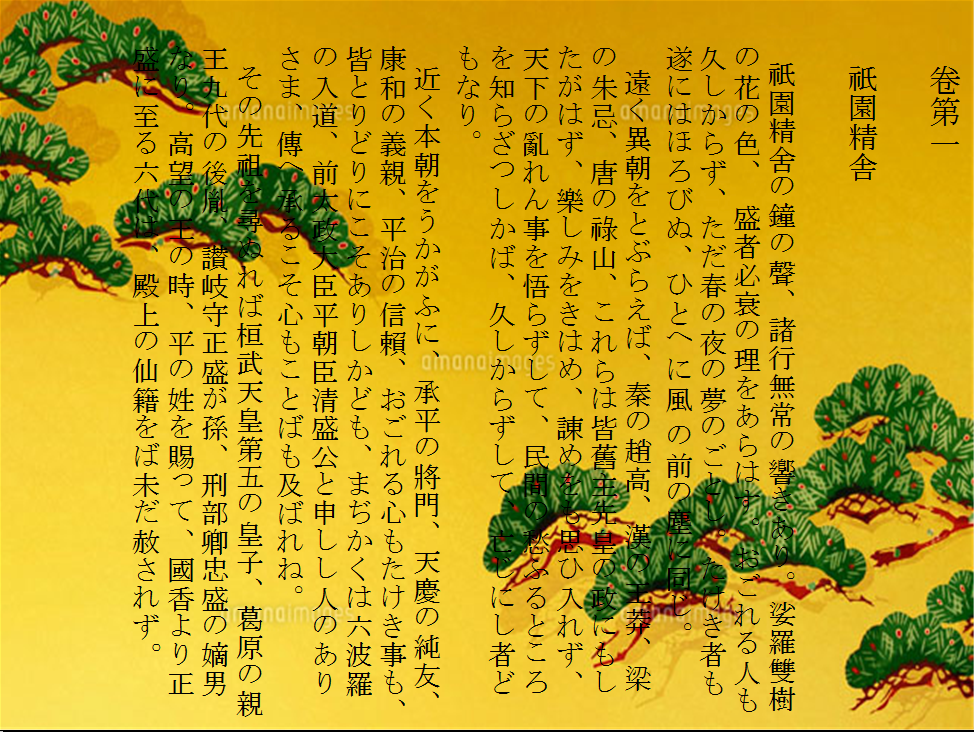 Book
Secondary source
The Tale of the Heike
Akashi Kakuichi · compiled prior to 1330, Kakuichi version c. 1371
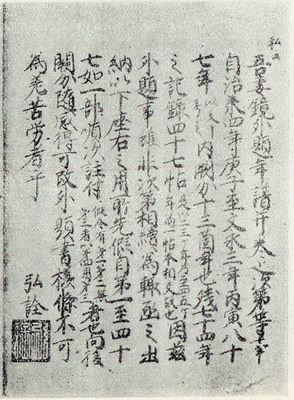 Document
Secondary source
Azuma Kagami
compiled after 1266
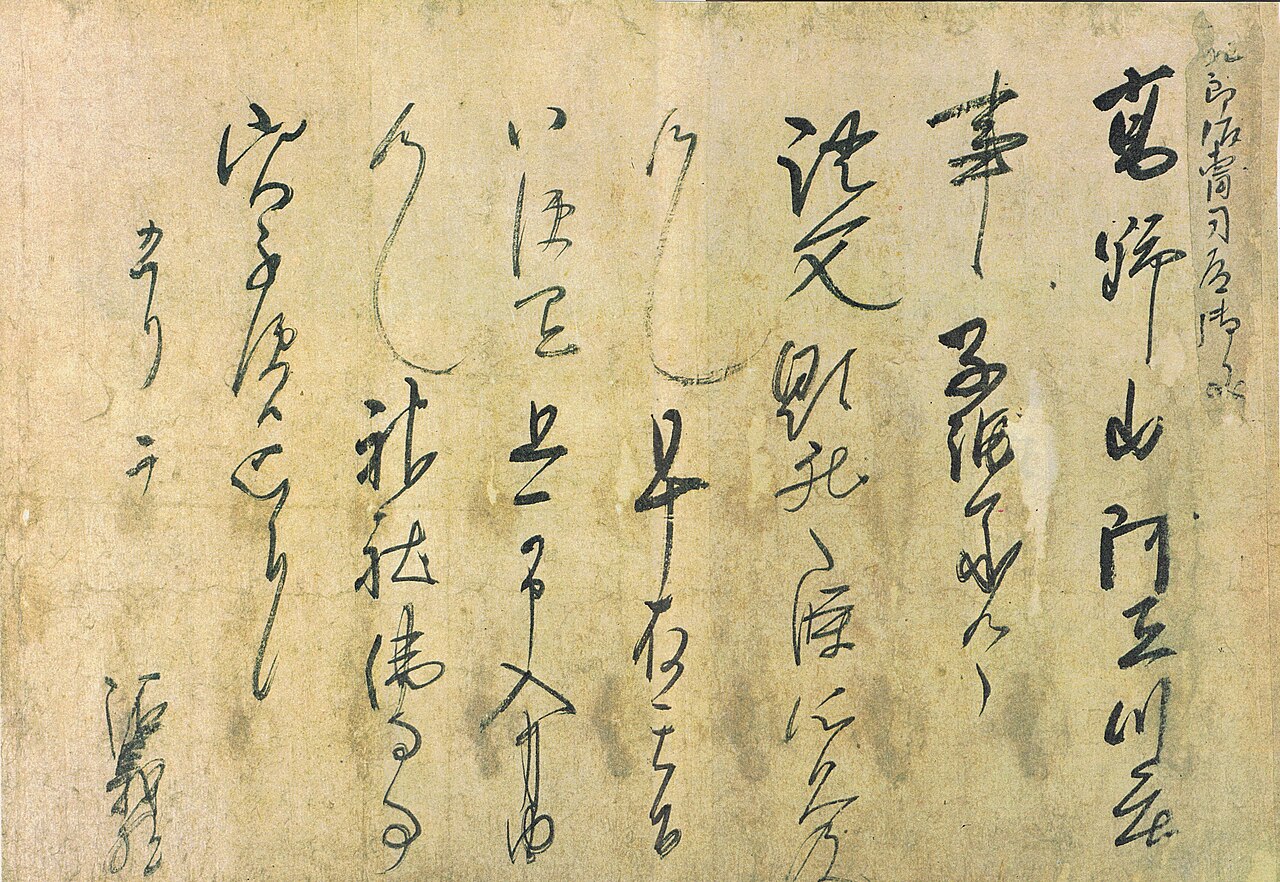 Document
Primary source
Yoshitsune ukebumi
Minamoto no Yoshitsune · 12th century
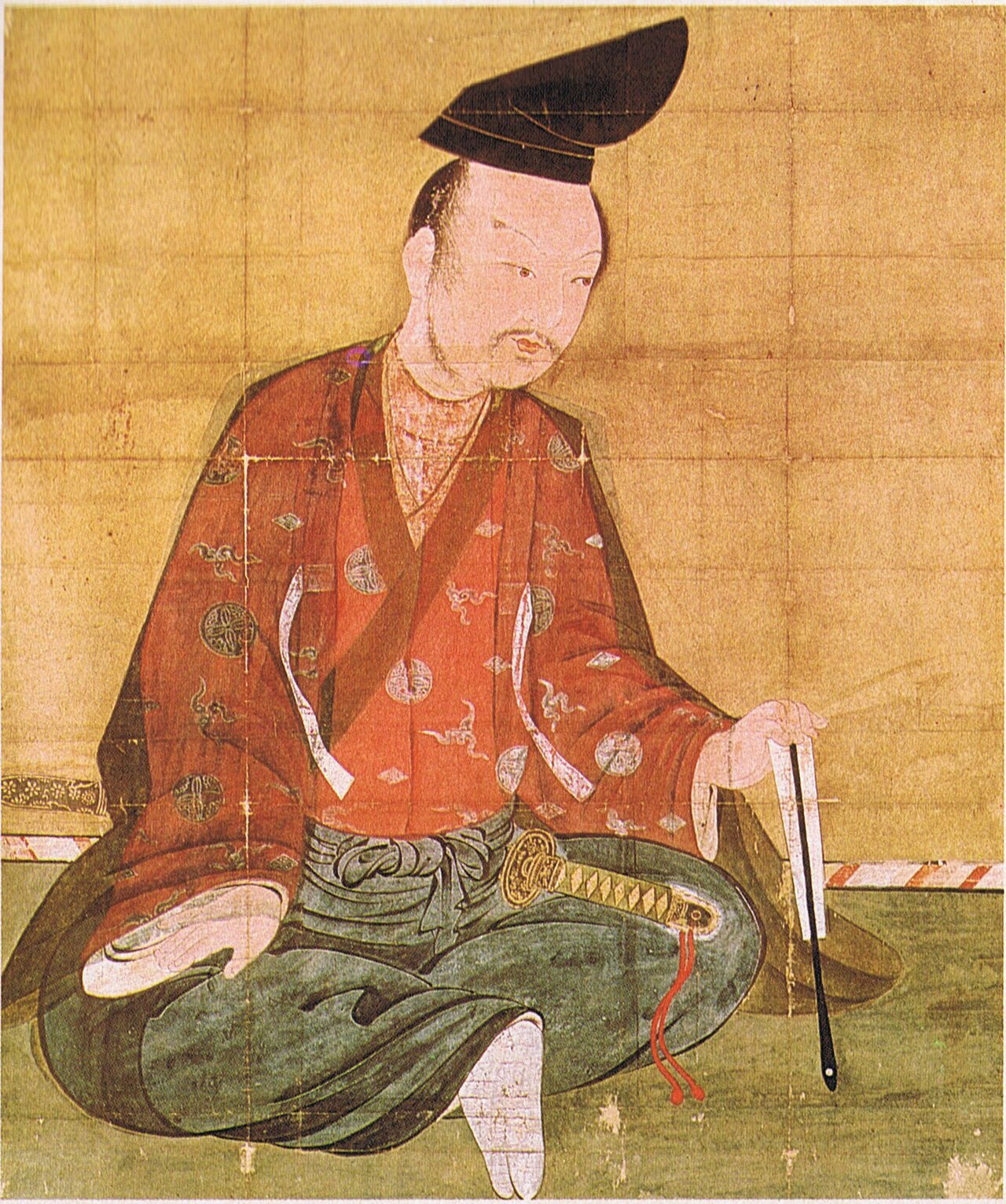 Painting
Secondary source
Portrait of Minamoto no Yoshitsune

Free account
Read every Minamoto no Yoshitsune source
Sign up free →
Ready when you are
Start chatting with Minamoto no Yoshitsune now.
20 messages free · No credit card · Available in 50+ languages.