


Primary sourceDocument1864
Old Crossing Treaty of 1864 Amendment
1864
A Senate resolution and amendment about a treaty with Chippewa bands in Minnesota, signed by Lincoln and countersigned by Seward as Secretary of State.
Seward signed this treaty amendment as Secretary of State, showing his part in the official business of Lincoln's government.
Free Humy account · No credit card · 120,912 sources to read
About this source
What it is
This is a government document that records the Senate's approval of amendments to a treaty made in 1863 at the old crossing of Red Lake River in Minnesota. The treaty was between the United States, represented by commissioners Alexander Ramsey and Ashley C. Morrill, and the Red Lake and Pembina bands of Chippewas. The text ends with Lincoln's signature and Seward's signature as Secretary of State. The record is a transcription copied from the U.S. Congressional Archives and includes the copier's own bracketed notes and spelling as written.
Why it matters
Treaties with Native nations show how the federal government made agreements about land and payments, and how those agreements were changed by Congress. The amendment removed a clause about distributing money to the chiefs, which shows that the Senate and the executive branch both shaped the final terms. Seward's signature shows his role in carrying out these official acts under Lincoln.
Look closer
- Who had the power to approve this treaty, and who had to sign it to make it official?
- Whose voices are missing from this record, and how would the Chippewa leaders have seen these changes?
- What does the wording of the amendment suggest about who was expected to benefit from the payments?
This document is part of the curated material that grounds the AI version of William H. Seward on Humy.ai — when students ask about related events, the AI can quote it and cite it.
More William H. Seward sources
Browse all 95 →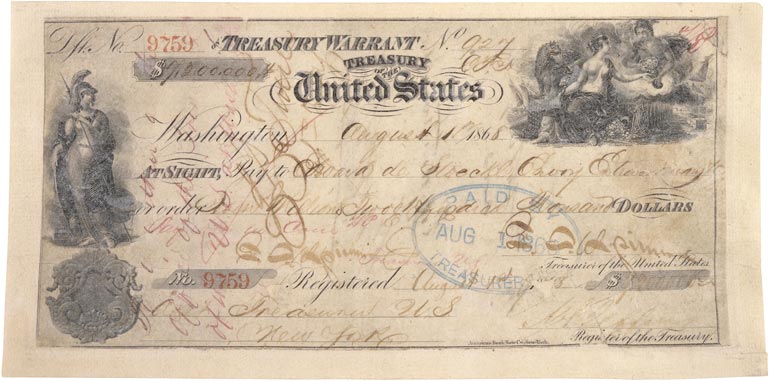 Document
Primary source
Check for the Purchase of Alaska
U.S. Department of the Treasury · 1 August 1868
Primary source
"The Irrepressible Conflict" Speech at Rochester
William H. Seward · 25 October 1858
 Document
Primary source
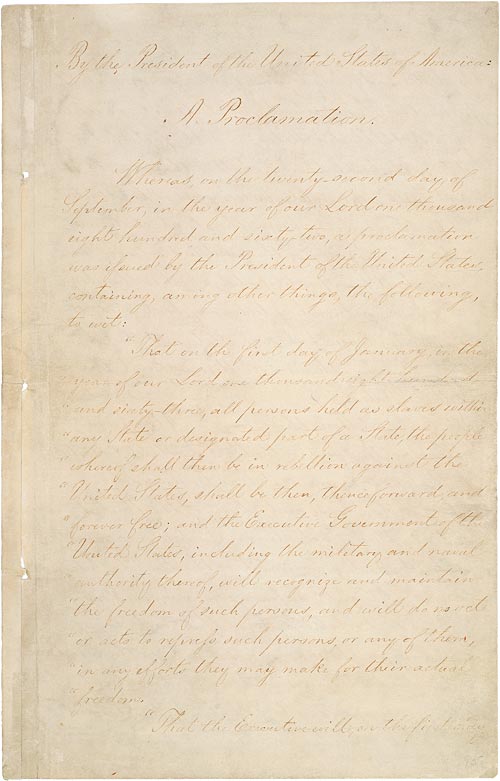
Emancipation Proclamation
Abraham Lincoln · 1 January 1863
 Photograph
Primary source
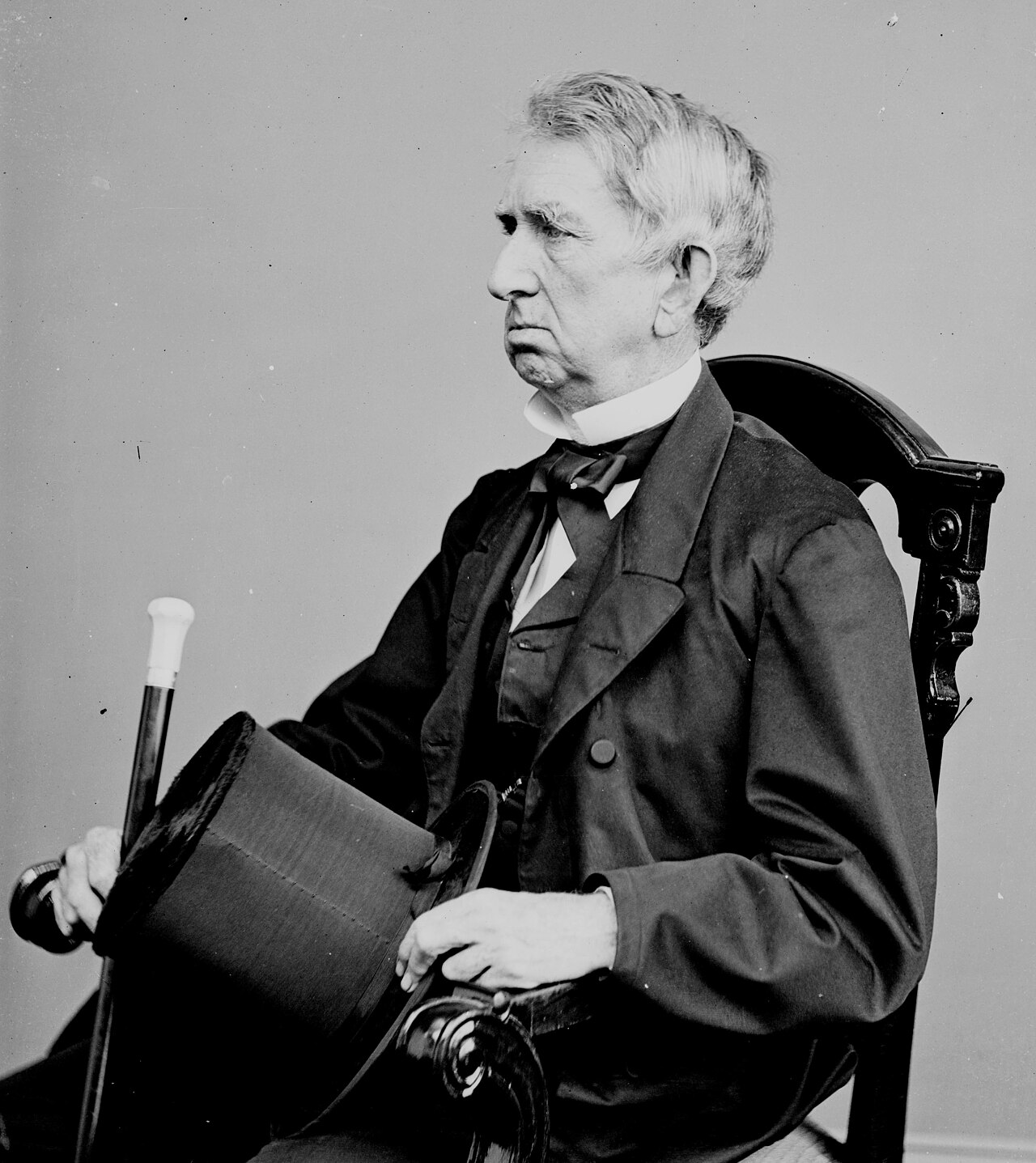
Portrait of William H. Seward
c. 1860-1865
Free account
Read every William H. Seward source
Sign up free →
Ready when you are
Start chatting with William H. Seward now.
20 messages free · No credit card · Available in 50+ languages.