


Secondary sourcePhotograph1 June 2020
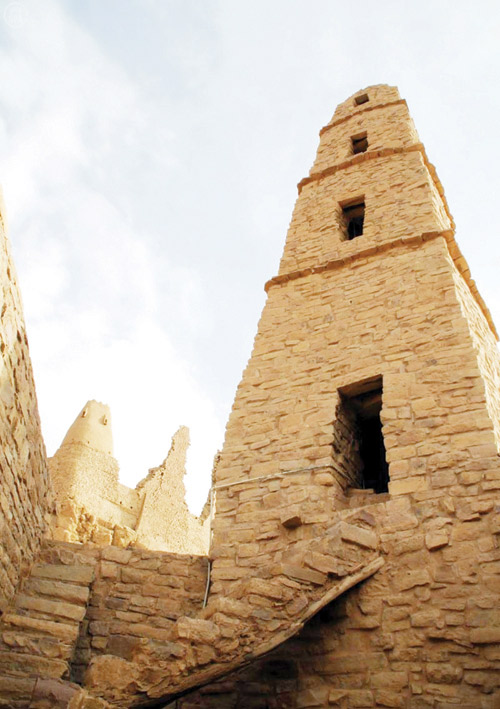
Omar Mosque
Ibrahimshayea · 1 June 2020
A 2020 photograph of a mosque named for Umar, showing a tall stone tower and ruined walls.
A mosque named after Umar, showing how his name continues to be commemorated in religious architecture.
About this source
What it is
This photograph, taken in 2020, shows a tall, tapering stone tower and ruined walls at a mosque named for Umar ibn al-Khattab. It is a modern photo of a building constructed well after the caliph's lifetime.
Why it matters
Like other mosques bearing Umar's name, this structure reflects how his memory has been honored by later Muslim communities through architecture, rather than providing direct evidence of his life.
Look closer
- What does the ruined state of the walls suggest about the building's age or history?
- Why do you think later builders chose to name mosques after Umar?
- Could this photograph help you understand Umar's actions as caliph? Why or why not?
This photograph is part of the curated material that grounds the AI version of Caliph Umar ibn al-Khattab on Humy.ai — when students ask about related events, the AI can quote it and cite it.
More Caliph Umar ibn al-Khattab sources
Browse all 54 →Secondary source
Umar's Assurance
637-638
 Book
Secondary source
Sahih al-Bukhari
Muhammad ibn Isma'il al-Bukhari · c. 846 CE
 Book
Primary source
al-Muwatta
Malik ibn Anas · 8th century
 Book
Secondary source
Futuh al-Buldan
Al-Baladhuri · 9th century
Free account
Read every Caliph Umar ibn al-Khattab source
Sign up free →
Ready when you are
Start chatting with Caliph Umar ibn al-Khattab now.
20 messages free · No credit card · Available in 50+ languages.