


Primary sourceDocument1898
On a New Radioactive Substance Contained in Pitchblende
Pierre Curie and Marie Curie · 1898
The 1898 scientific paper by Pierre and Marie Curie announcing a new radioactive substance, polonium, found in pitchblende ore.
Pierre Curie co-authored this 1898 paper with Marie Curie, announcing the discovery that led to polonium.
Free Humy account · No credit card · 120,912 sources to read
About this source
What it is
This is the original French-language paper 'Sur une substance nouvelle radioactive, contenue dans la pechblende', presented by Pierre Curie together with Marie Curie to the French Academy of Sciences on 18 July 1898. It was published in the Academy's Comptes rendus.
Why it matters
This paper is one of the founding documents of the discovery of radioactivity. In it, the Curies report that pitchblende is more radioactive than can be explained by uranium alone, pointing to a new, highly active substance. This work led to the identification of polonium, a milestone in physics and chemistry.
Look closer
- Why do you think the Curies describe their experimental method in such detail?
- What does the paper's careful, cautious language tell you about how scientific claims were made?
- Why is it significant that this discovery is credited to both Pierre and Marie Curie together?
This document is part of the curated material that grounds the AI version of Pierre Curie on Humy.ai — when students ask about related events, the AI can quote it and cite it.
More Pierre Curie sources
Browse all 93 →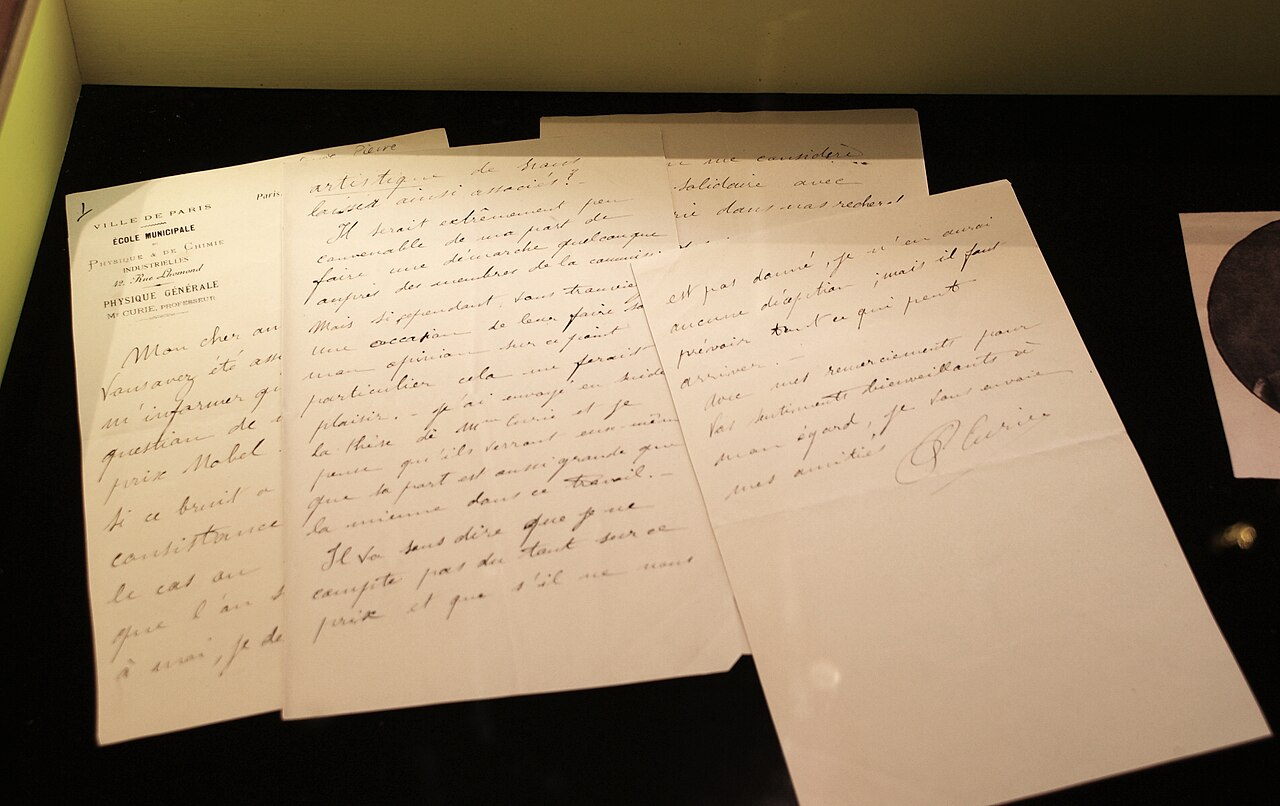 Letter
Primary source
Letter to Gösta Mittag-Leffler on the Nobel Prize
Pierre Curie · 6 August 1903
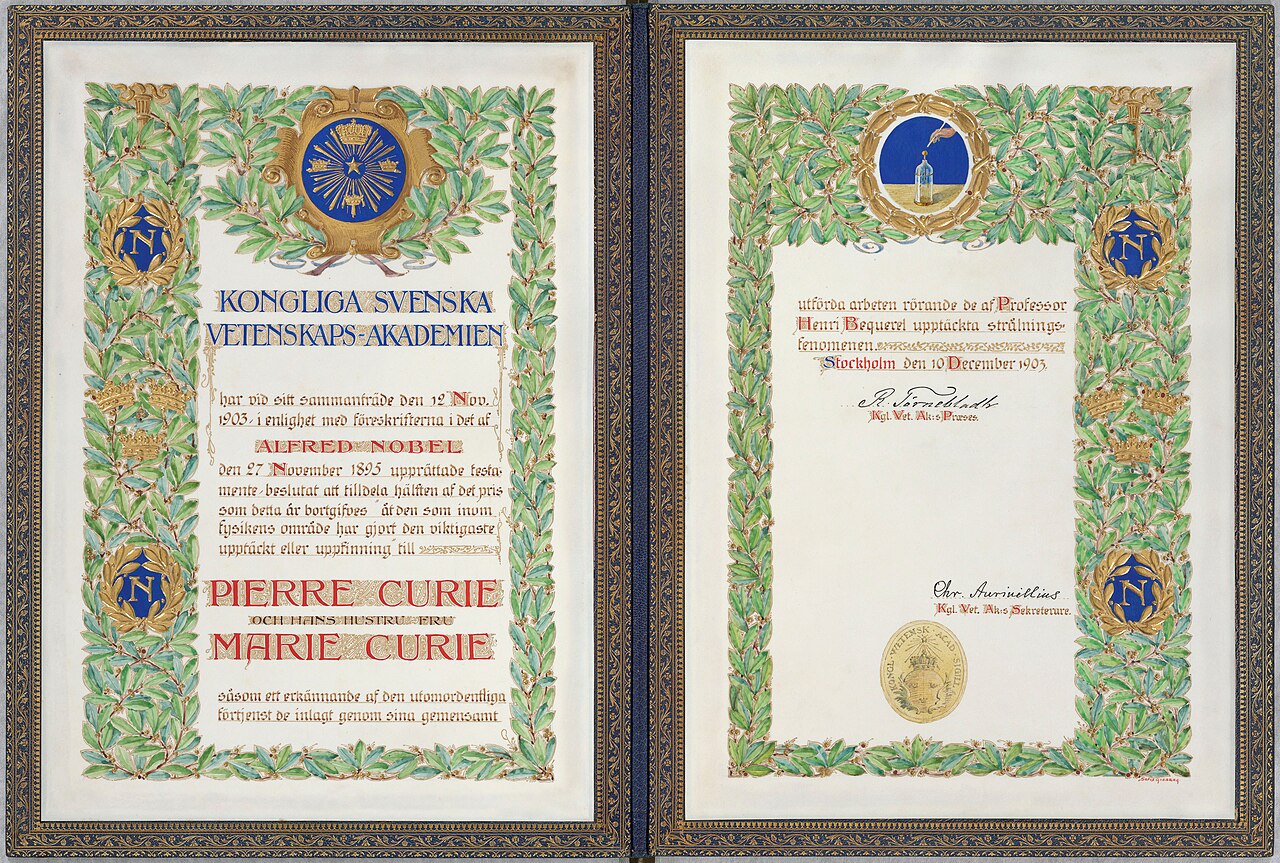 Document
Primary source
Nobel Prize in Physics Diploma, 1903
Sofia Gisberg · December 1903
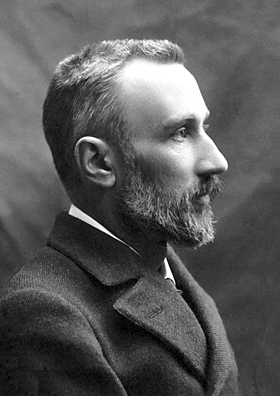 Photograph
Primary source
Pierre Curie Nobel Portrait
Nobel Foundation · c. 1903
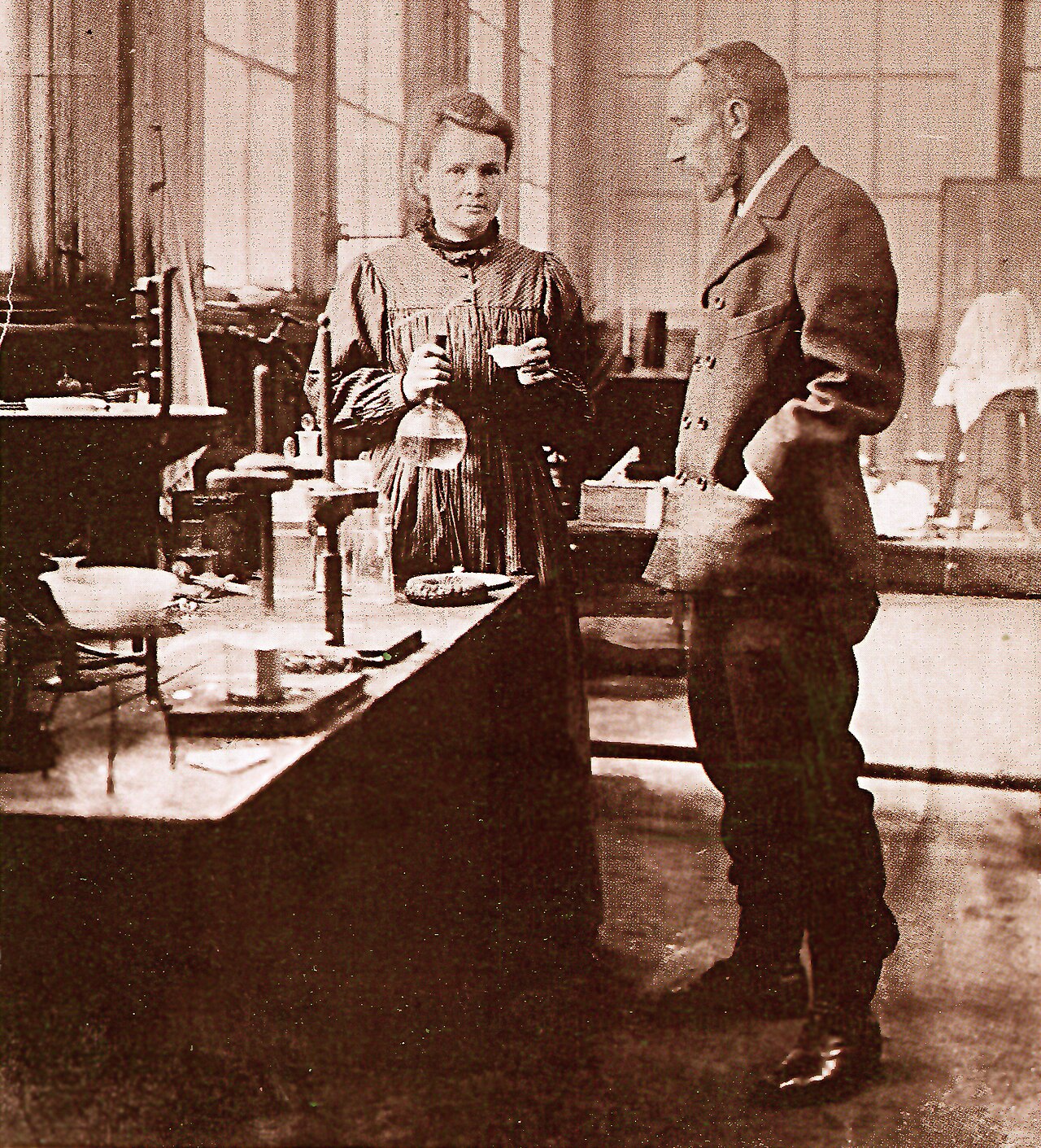 Photograph
Primary source
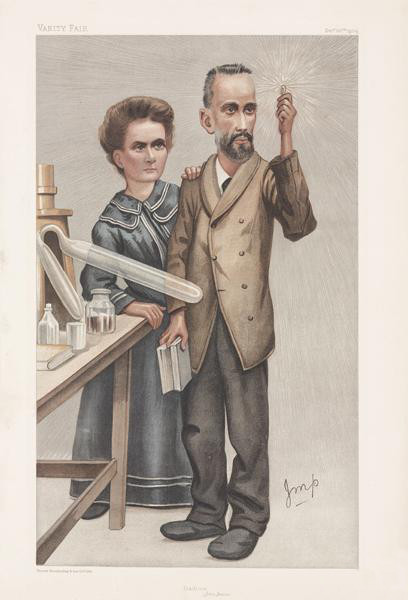
Marie et Pierre Curie in Their Laboratory
Unknown
Free account
Read every Pierre Curie source
Sign up free →
Ready when you are
Start chatting with Pierre Curie now.
20 messages free · No credit card · Available in 50+ languages.