


Primary sourceBook
On Authorship
Arthur Schopenhauer
An essay by Arthur Schopenhauer on the two kinds of authors: those who write for the subject's sake, and those who write for money.
A Schopenhauer essay in which he judges authors by their motives, showing his values as a writer and critic of the literary market.
Free Humy account · No credit card · 120,288 sources to read
About this source
What it is
This is an essay by Arthur Schopenhauer titled On Authorship, listed as one of his works on Wikisource. The text shown here is an English version. The opening divides writers into two kinds: those who write because they have thoughts worth communicating, and those who write for money. The essay describes how the second kind can be recognised, for example by spinning out thoughts to great length and by covering paper rather than saying something clearly.
Why it matters
The essay shows how Schopenhauer judged his contemporaries and the literary market of his time. He names Lessing and Jean Paul as writers who sometimes fell into this habit, which shows that he judged even well-known authors by the same standard. It reveals a philosopher who valued clarity and honesty in writing and who was openly critical of popular writing.
Look closer
- What signs does Schopenhauer say show that an author is writing for money rather than for the subject?
- Why does he think the reader should stop reading in such cases, and do you agree?
- Which writers does he name as examples, and what might a reader from his time or ours notice about that choice?
This book is part of the curated material that grounds the AI version of Arthur Schopenhauer on Humy.ai — when students ask about related events, the AI can quote it and cite it.
More Arthur Schopenhauer sources
Browse all 94 →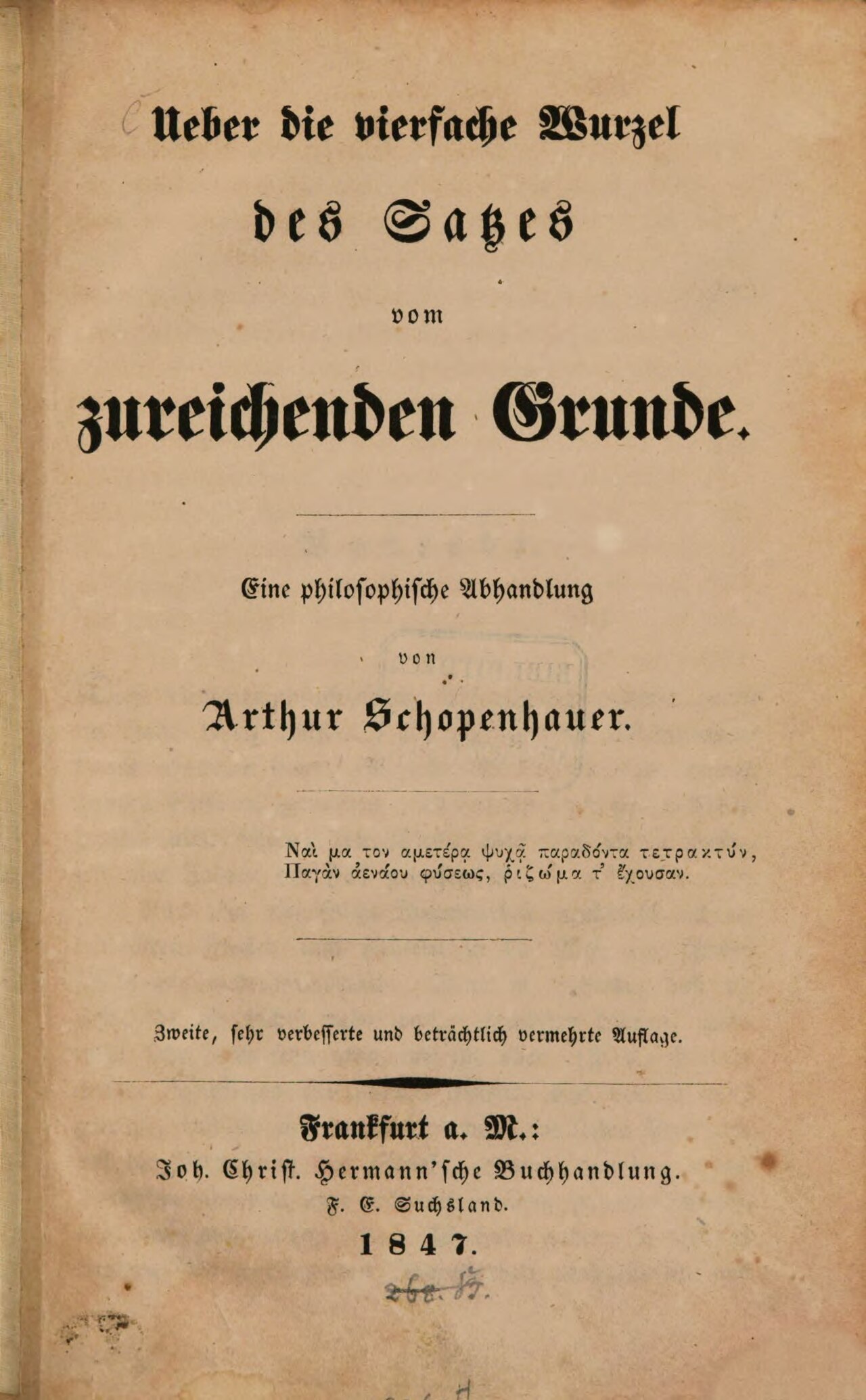 Book
Primary source
On the Fourfold Root of the Principle of Sufficient Reason
Arthur Schopenhauer · 1813, revised 1847
 Photograph
Primary source
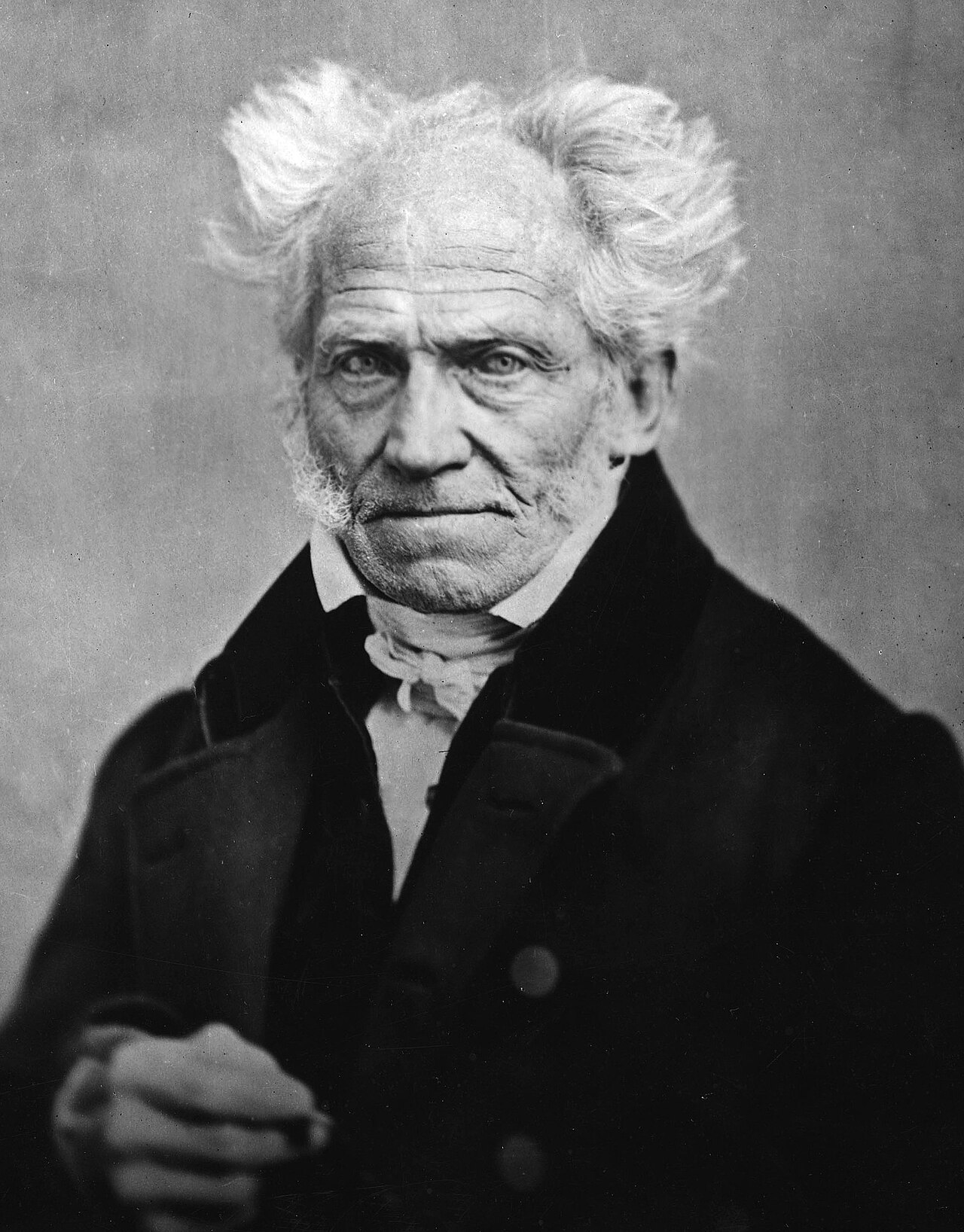
Portrait of Arthur Schopenhauer
Johann Schäfer · 1859
 Painting
Primary source
Arthur Schopenhauer Portrait by Ludwig Sigismund Ruhl
Ludwig Sigismund Ruhl · 1815
Primary source
On the Basis of Morality
Arthur Schopenhauer · 1839, published 1840/41
Free account
Read every Arthur Schopenhauer source
Sign up free →
Ready when you are
Start chatting with Arthur Schopenhauer now.
20 messages free · No credit card · Available in 50+ languages.