


Primary sourceBook1851
On Criticism
Arthur Schopenhauer · 1851
An essay by Arthur Schopenhauer, from Parerga and Paralipomena, on literary criticism and whether a true critical faculty exists.
A primary essay by Schopenhauer giving his view of literary criticism and taste.
Free Humy account · No credit card · 120,912 sources to read
About this source
What it is
This is an essay by Arthur Schopenhauer, published in Parerga and Paralipomena. It argues that true critical judgement is extremely rare. The author compares it to the phoenix and describes taste as the recognition of what is right in art without the guidance of rules.
Why it matters
The essay shows how Schopenhauer saw the relation between genius and the critic. He treated the critic as a receiver rather than a creator, and this view explains his harsh opinion of many reviewers of his own time. It helps students understand his literary thinking.
Look closer
- How does Schopenhauer define taste, and why does he say it is so rare?
- Why does he compare the critic to the female side of creative talent, and what does this assume?
- Whose judgements about critics are missing from this essay?
This book is part of the curated material that grounds the AI version of Arthur Schopenhauer on Humy.ai — when students ask about related events, the AI can quote it and cite it.
More Arthur Schopenhauer sources
Browse all 94 →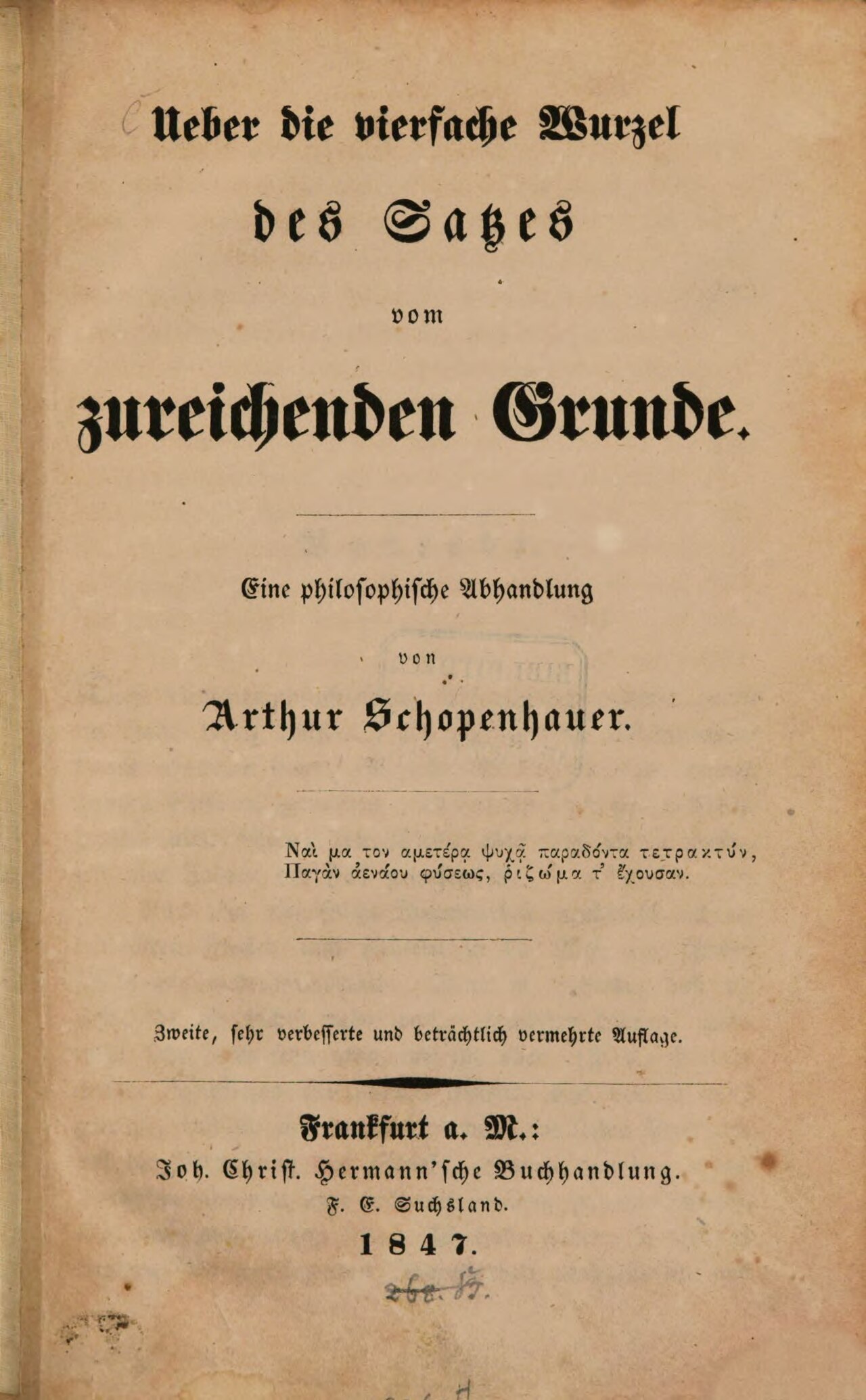 Book
Primary source
On the Fourfold Root of the Principle of Sufficient Reason
Arthur Schopenhauer · 1813, revised 1847
 Photograph
Primary source
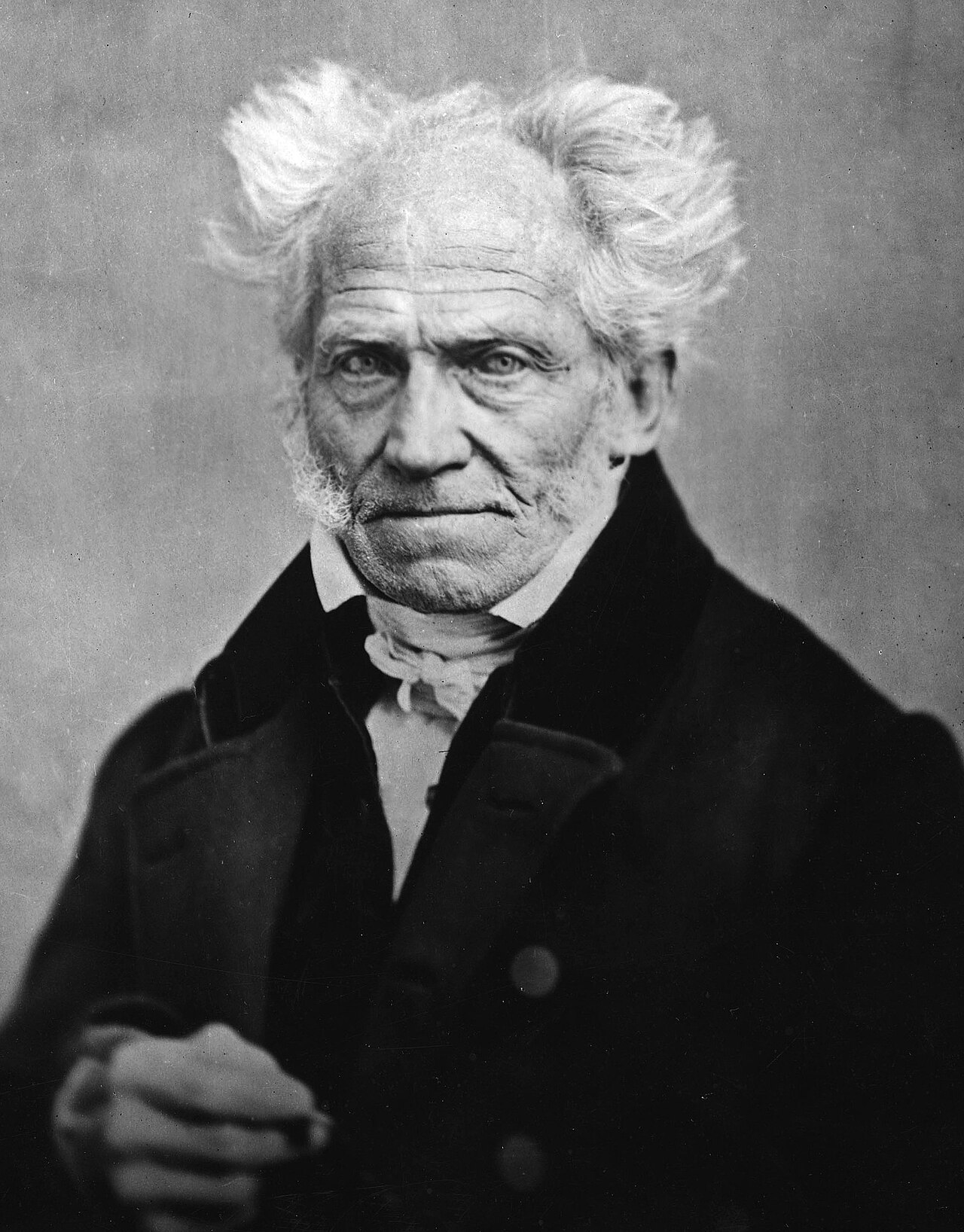
Portrait of Arthur Schopenhauer
Johann Schäfer · 1859
 Painting
Primary source
Arthur Schopenhauer Portrait by Ludwig Sigismund Ruhl
Ludwig Sigismund Ruhl · 1815
Primary source
On the Basis of Morality
Arthur Schopenhauer · 1839, published 1840/41
Free account
Read every Arthur Schopenhauer source
Sign up free →
Ready when you are
Start chatting with Arthur Schopenhauer now.
20 messages free · No credit card · Available in 50+ languages.