


Secondary sourceDocument1855-1856
On Faraday's Lines of Force
James Clerk Maxwell · 1855-1856
James Clerk Maxwell's 1855–56 paper turning Faraday's idea of lines of force into mathematics.
Maxwell's paper builds directly on Faraday's concept of lines of force, showing Faraday's lasting influence on physics.
Free Humy account · No credit card · 53,307 sources to read
About this source
What it is
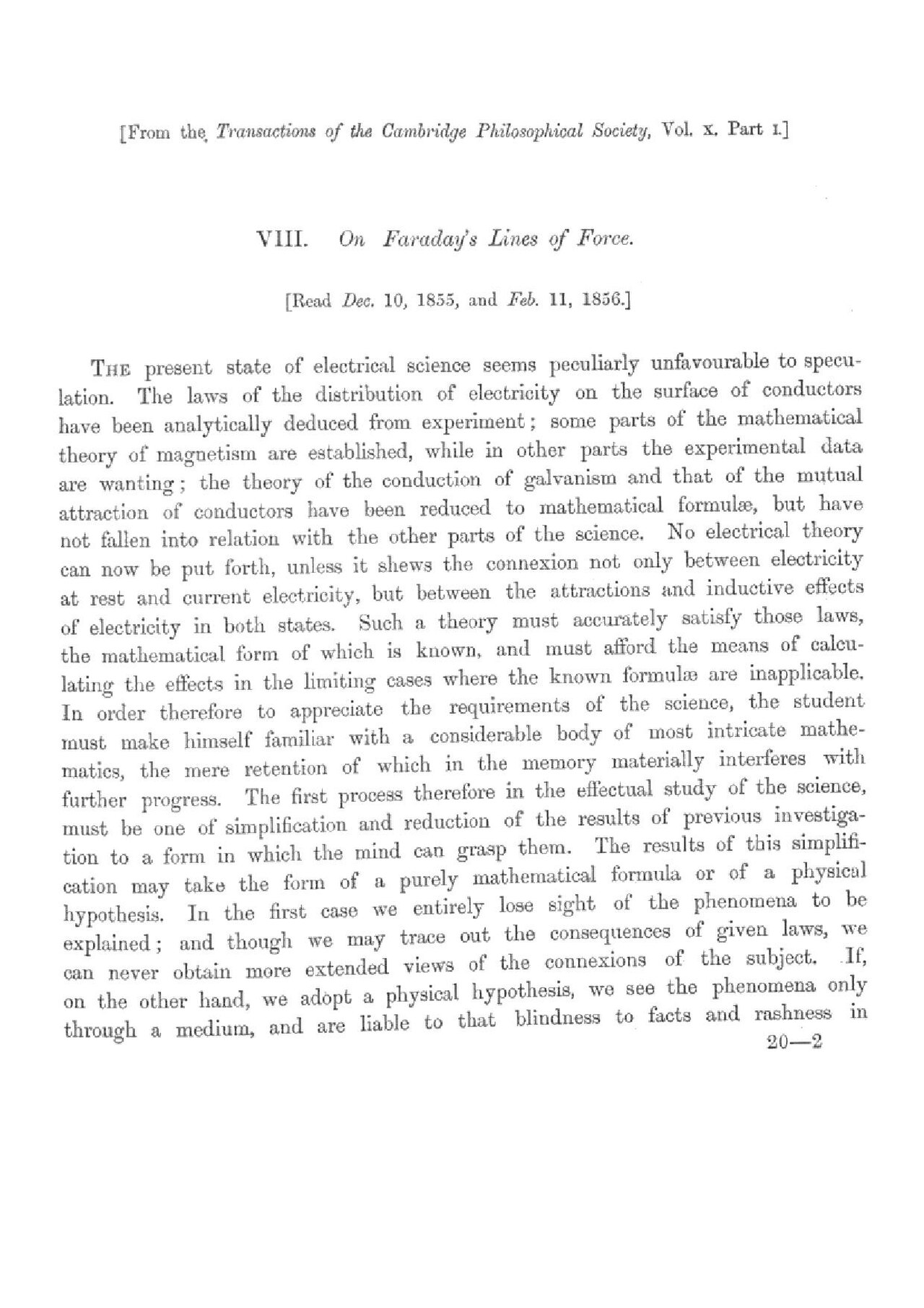
This is the first page of James Clerk Maxwell's paper 'On Faraday's Lines of Force', read to the Cambridge Philosophical Society in 1855 and 1856 and printed in its Transactions.
Why it matters
Maxwell took Faraday's physical idea of lines of force, which Faraday had demonstrated with experiments like iron filings, and expressed it mathematically. This step helped turn Faraday's hands-on discoveries into the formal theory of electromagnetism, showing how one scientist's intuitive physics could shape another's mathematical breakthroughs.
Look closer
- Why might Maxwell choose to build his theory starting from Faraday's ideas rather than starting fresh?
- What does the opening sentence suggest about how organised or disorganised electrical science was at the time?
- How does translating an idea into mathematics change how other scientists can use it?
This document is part of the curated material that grounds the AI version of Michael Faraday and James Clerk Maxwell on Humy.ai — when students ask about related events, the AI can quote it and cite it.
More Michael Faraday sources
Browse all 99 →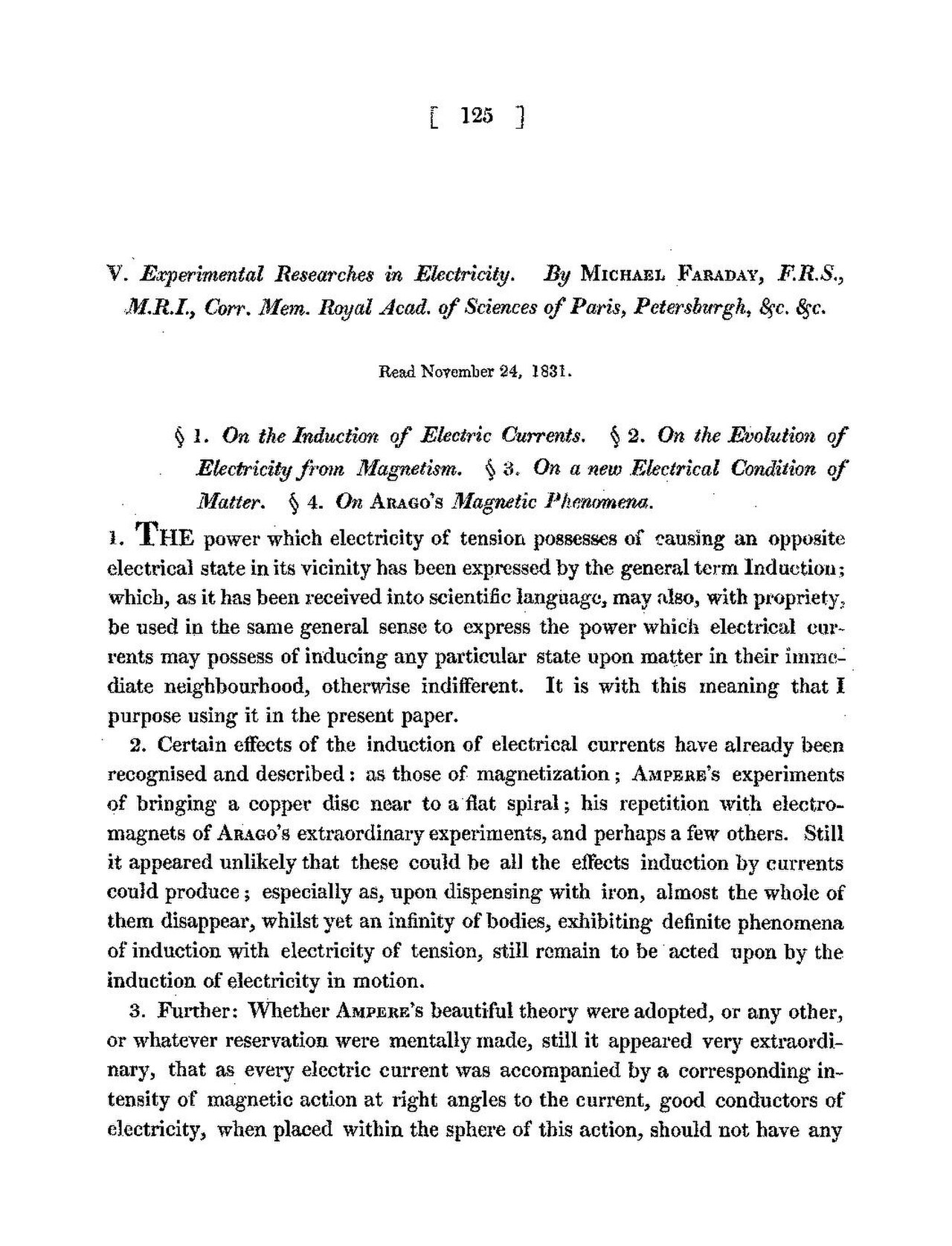 Document
Primary source
Experimental Researches in Electricity, First Series
Michael Faraday · 24 November 1831
 Artifact
Primary source
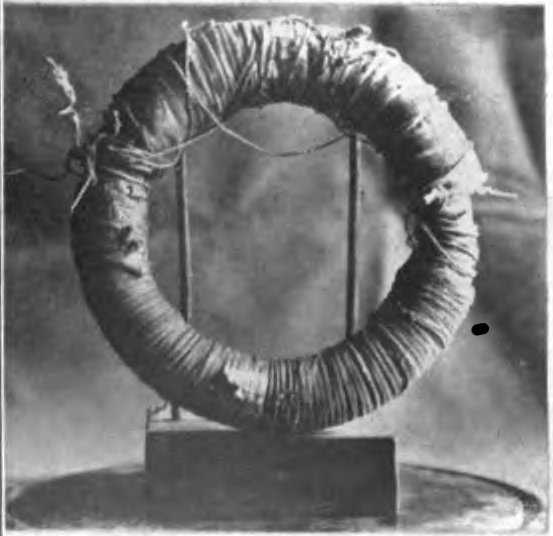
Faraday's Induction Ring
Michael Faraday · 1831
 Book
Primary source
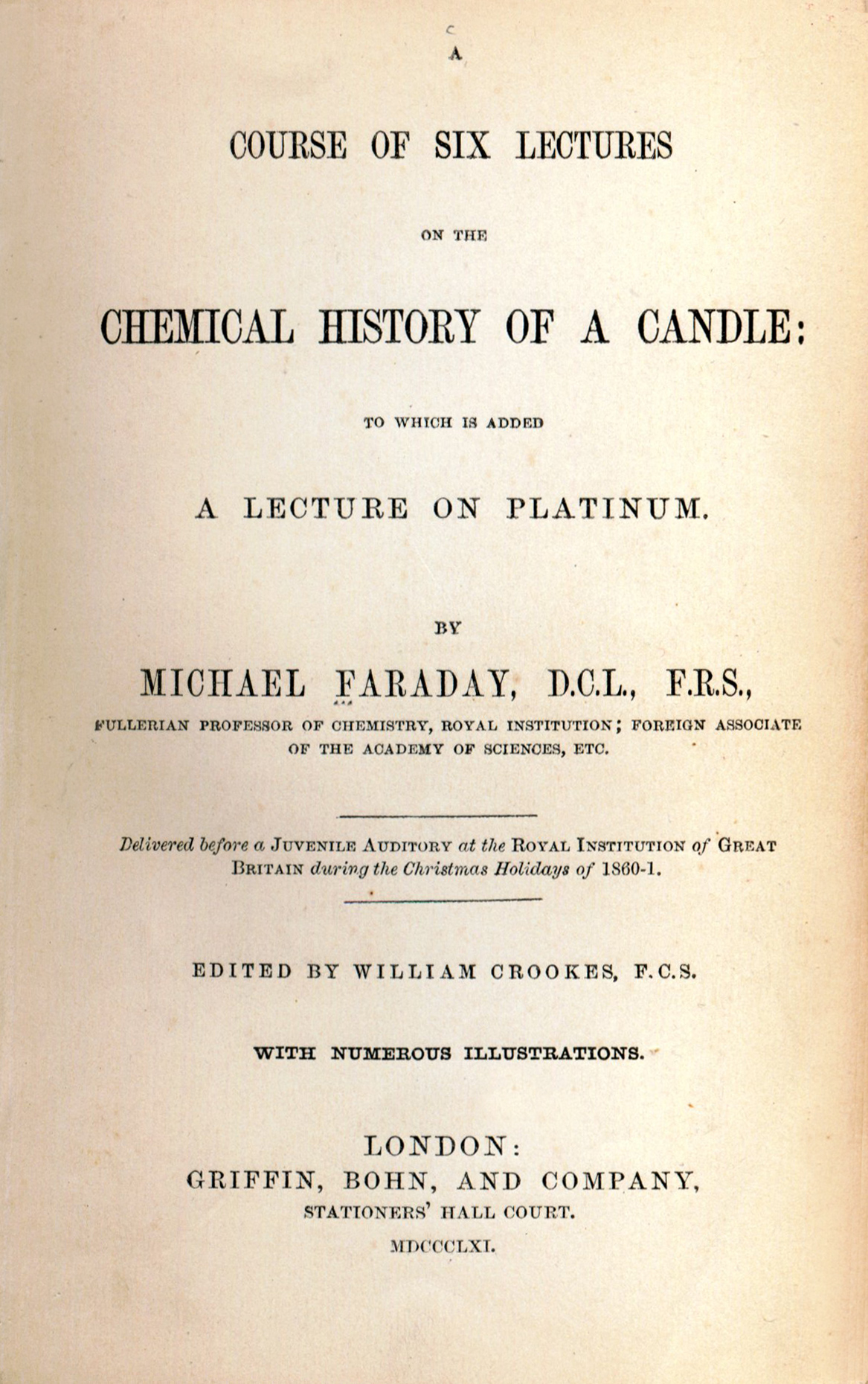
A Course of Six Lectures on the Chemical History of a Candle
Michael Faraday · 1861
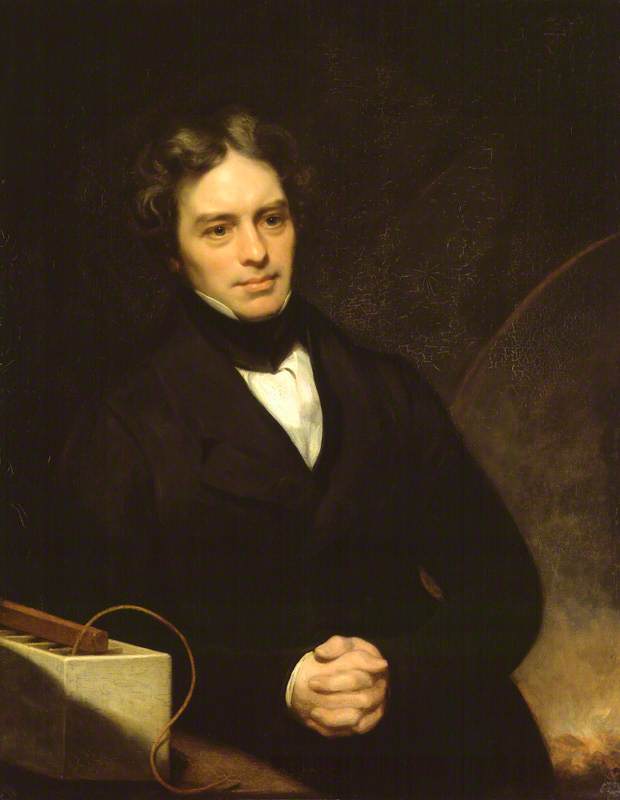 Painting
Primary source
Michael Faraday
Thomas Phillips · 1841–1842
Free account
Browse every Michael Faraday source
Sign up free →
Ready when you are
Start chatting with Michael Faraday now.
20 messages free · No credit card · Available in 50+ languages.