


Primary sourceBook
On Noise
Arthur Schopenhauer
A short, irritable essay by Schopenhauer complaining about noise and arguing it tortures intellectual people.
This essay, written by Schopenhauer himself, reveals his personal irritability and his belief that quiet was necessary for serious thinking.
Free Humy account · No credit card · 120,912 sources to read
About this source
What it is
This is a short essay by Arthur Schopenhauer, part of his collection of essays known as Parerga. In it he complains bitterly about noise, especially whip-cracking, and contrasts sensitive, intellectual people with those who are unbothered by disturbance.
Why it matters
The essay is often cited as a vivid example of Schopenhauer's personality: irritable, sharp-tongued, and convinced that quiet was essential for serious thought. It shows how he connected everyday annoyances to his larger philosophy about the mind and the will.
Look closer
- Why might Schopenhauer link sensitivity to noise with intelligence?
- What does his tone tell you about how he saw other people?
- Do you think his argument is fair, or does it leave out other explanations for noise tolerance?
This book is part of the curated material that grounds the AI version of Arthur Schopenhauer on Humy.ai — when students ask about related events, the AI can quote it and cite it.
More Arthur Schopenhauer sources
Browse all 94 →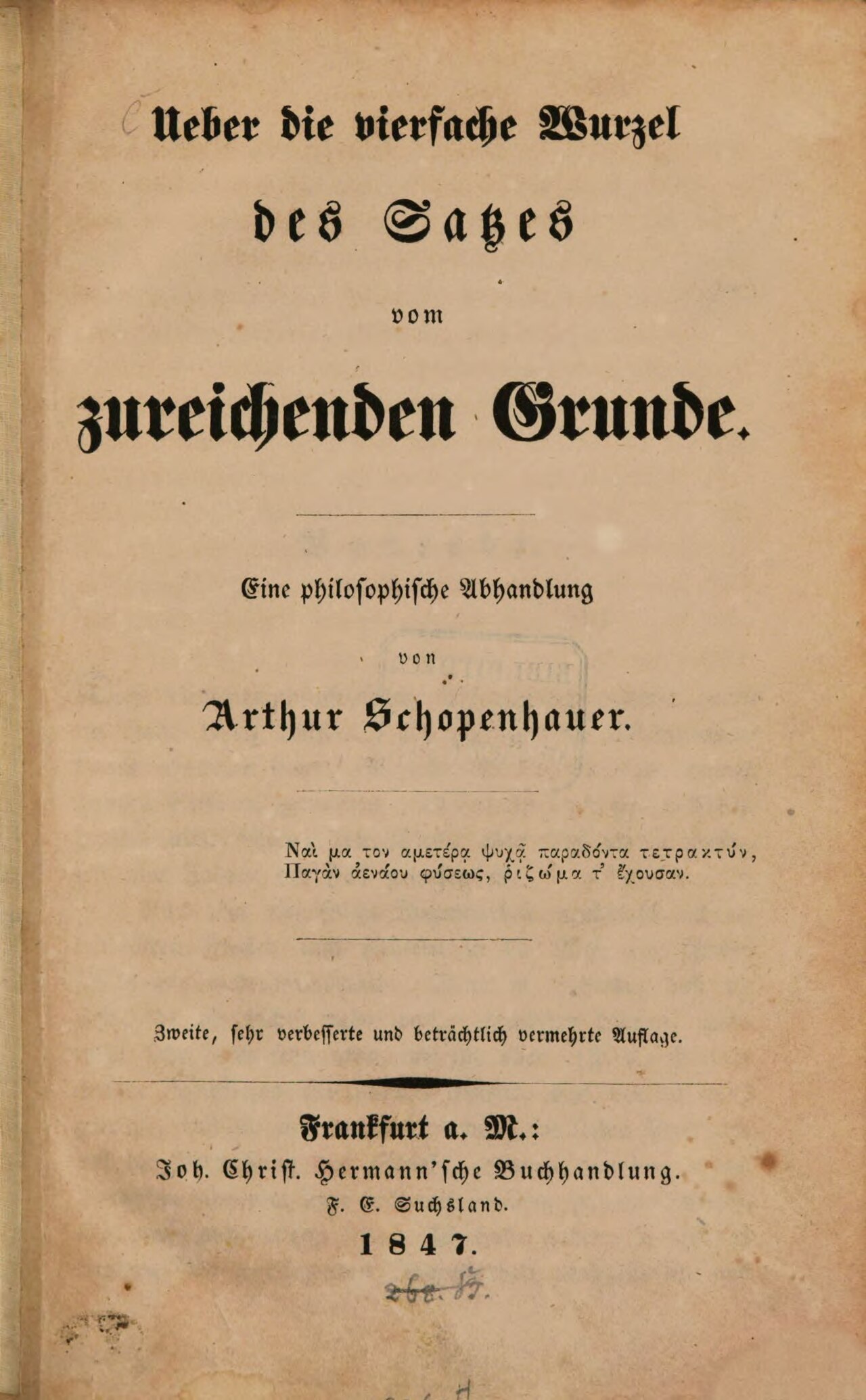 Book
Primary source
On the Fourfold Root of the Principle of Sufficient Reason
Arthur Schopenhauer · 1813, revised 1847
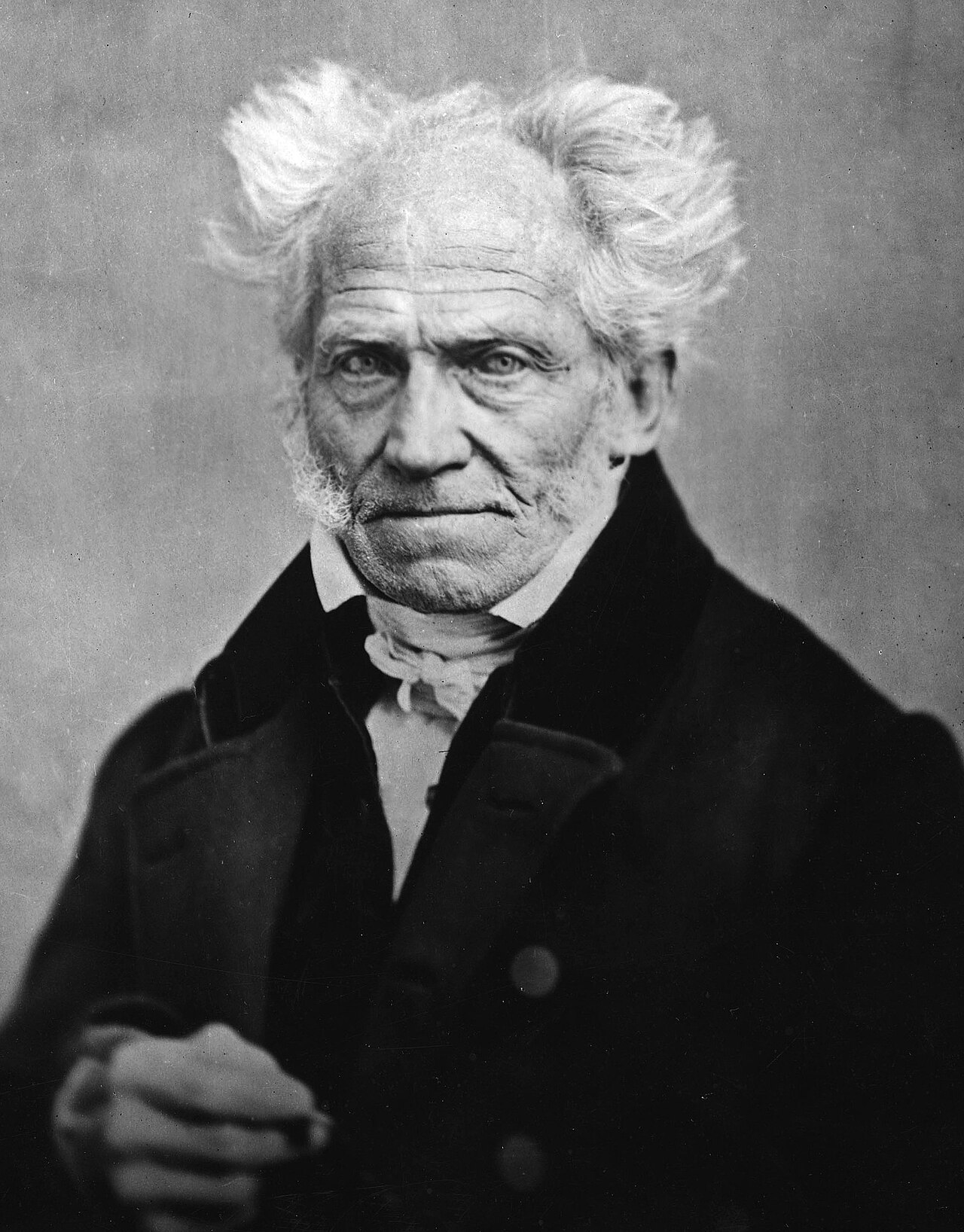 Photograph
Primary source
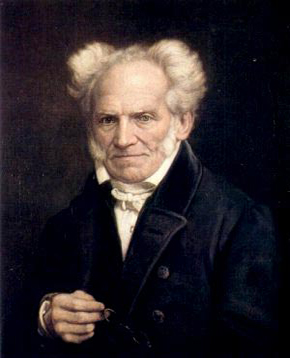
Portrait of Arthur Schopenhauer
Johann Schäfer · 1859
 Painting
Primary source
Arthur Schopenhauer Portrait by Ludwig Sigismund Ruhl
Ludwig Sigismund Ruhl · 1815
Primary source
On the Basis of Morality
Arthur Schopenhauer · 1839, published 1840/41
Free account
Read every Arthur Schopenhauer source
Sign up free →
Ready when you are
Start chatting with Arthur Schopenhauer now.
20 messages free · No credit card · Available in 50+ languages.