


Primary sourceDocument1900
On the Electric Charge of Deflectable Radium Rays
Pierre Curie and Marie Curie · 1900
A scientific paper by Pierre and Marie Curie showing that the deflectable rays from radium carry negative electric charge.
Co-written with Marie Curie, this paper is direct evidence of Pierre Curie's research into the properties of radium.
Free Humy account · No credit card · 120,912 sources to read
About this source
What it is
Written by Pierre Curie and Marie Curie in 1900, this French-language paper was published in the Comptes rendus de l'Académie des Sciences. It reports experiments showing that the rays from radium which are deflected by a magnetic field carry a negative electric charge, similar to cathode rays.
Why it matters
This finding helped build the case that one type of radioactive ray behaved like streams of negatively charged particles. It is part of the Curies' pioneering work in understanding what radioactivity actually is, building on and responding to other scientists' experiments of the time.
Look closer
- Why did comparing radium rays to already-known cathode rays help scientists understand radium's rays?
- What does the paper's reference to other researchers' work show about how scientific discovery is a shared, competitive process?
- What kind of apparatus might the Curies have needed to measure electric charge from invisible rays?
This document is part of the curated material that grounds the AI version of Pierre Curie on Humy.ai — when students ask about related events, the AI can quote it and cite it.
More Pierre Curie sources
Browse all 93 →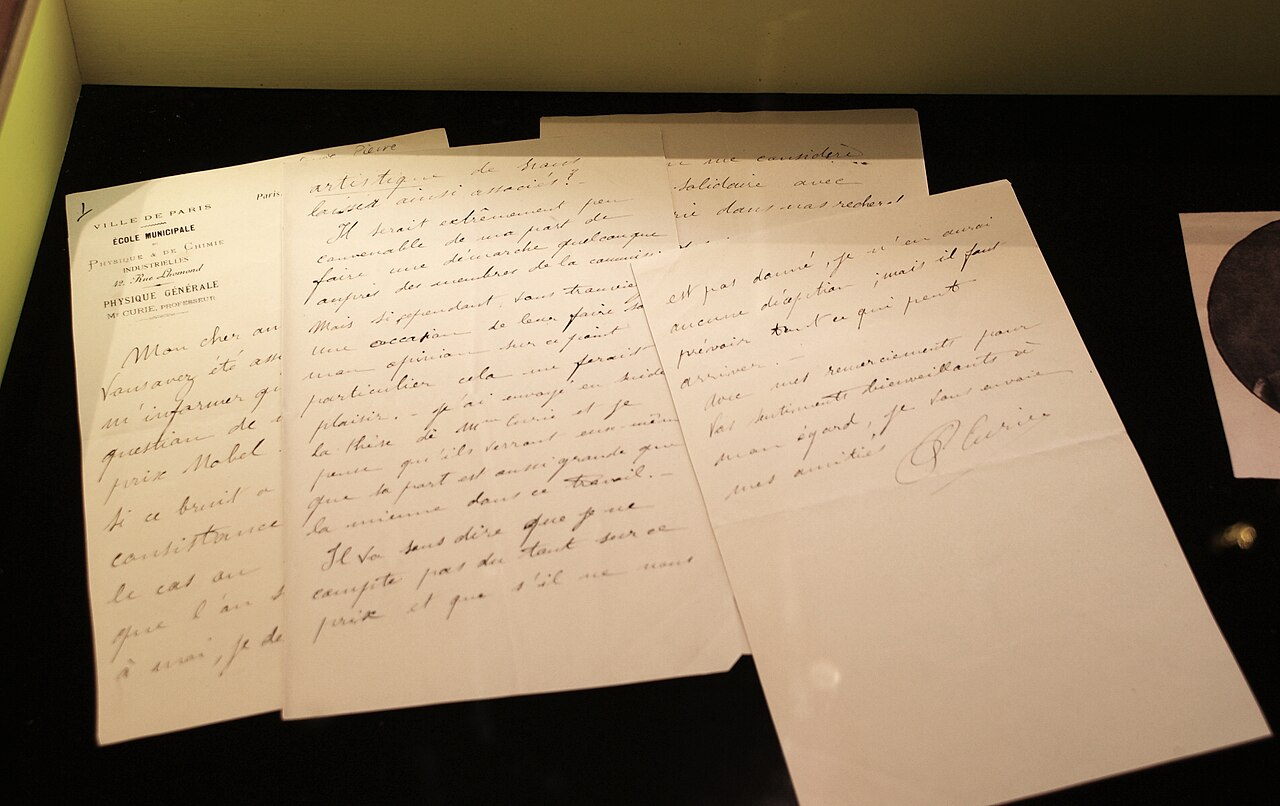 Letter
Primary source
Letter to Gösta Mittag-Leffler on the Nobel Prize
Pierre Curie · 6 August 1903
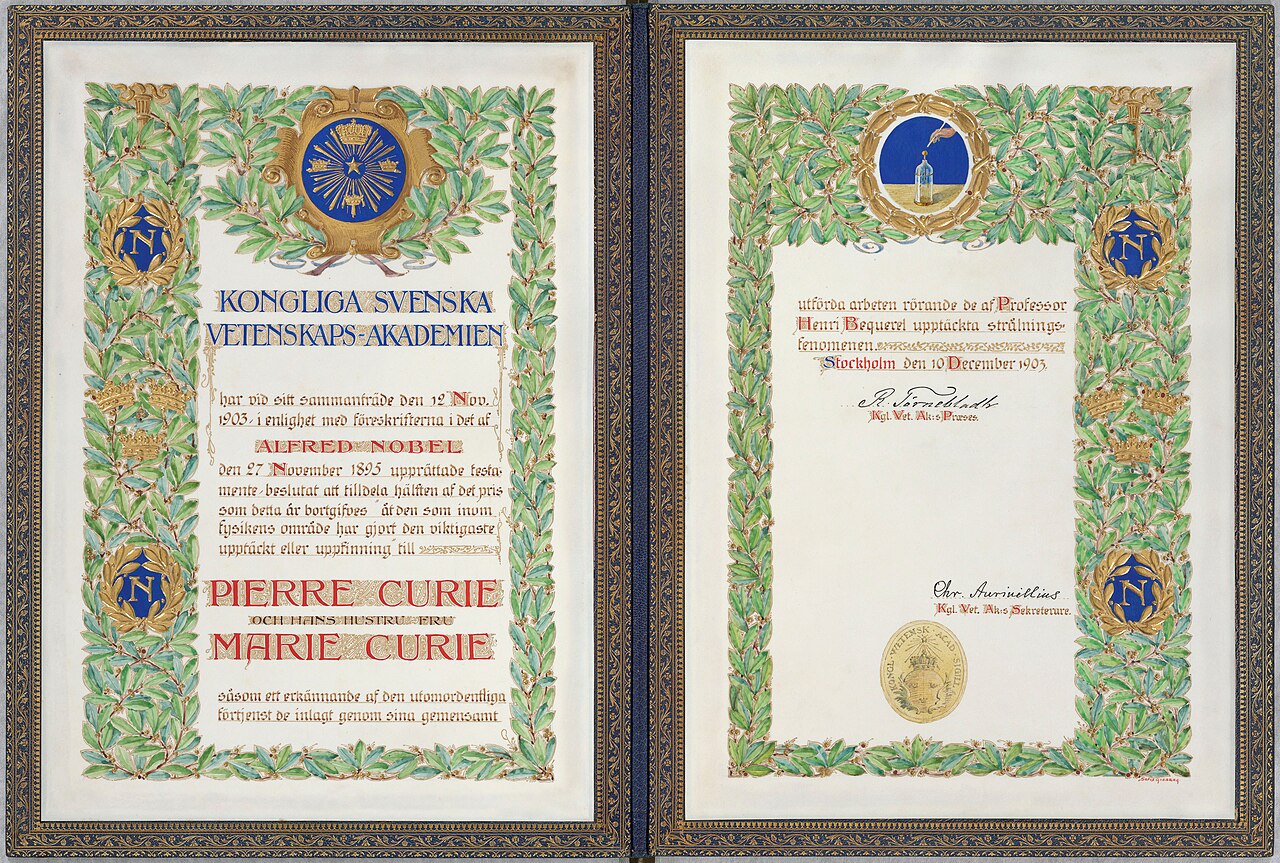 Document
Primary source
Nobel Prize in Physics Diploma, 1903
Sofia Gisberg · December 1903
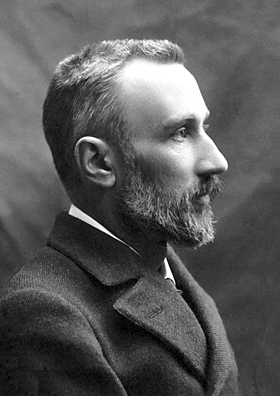 Photograph
Primary source
Pierre Curie Nobel Portrait
Nobel Foundation · c. 1903
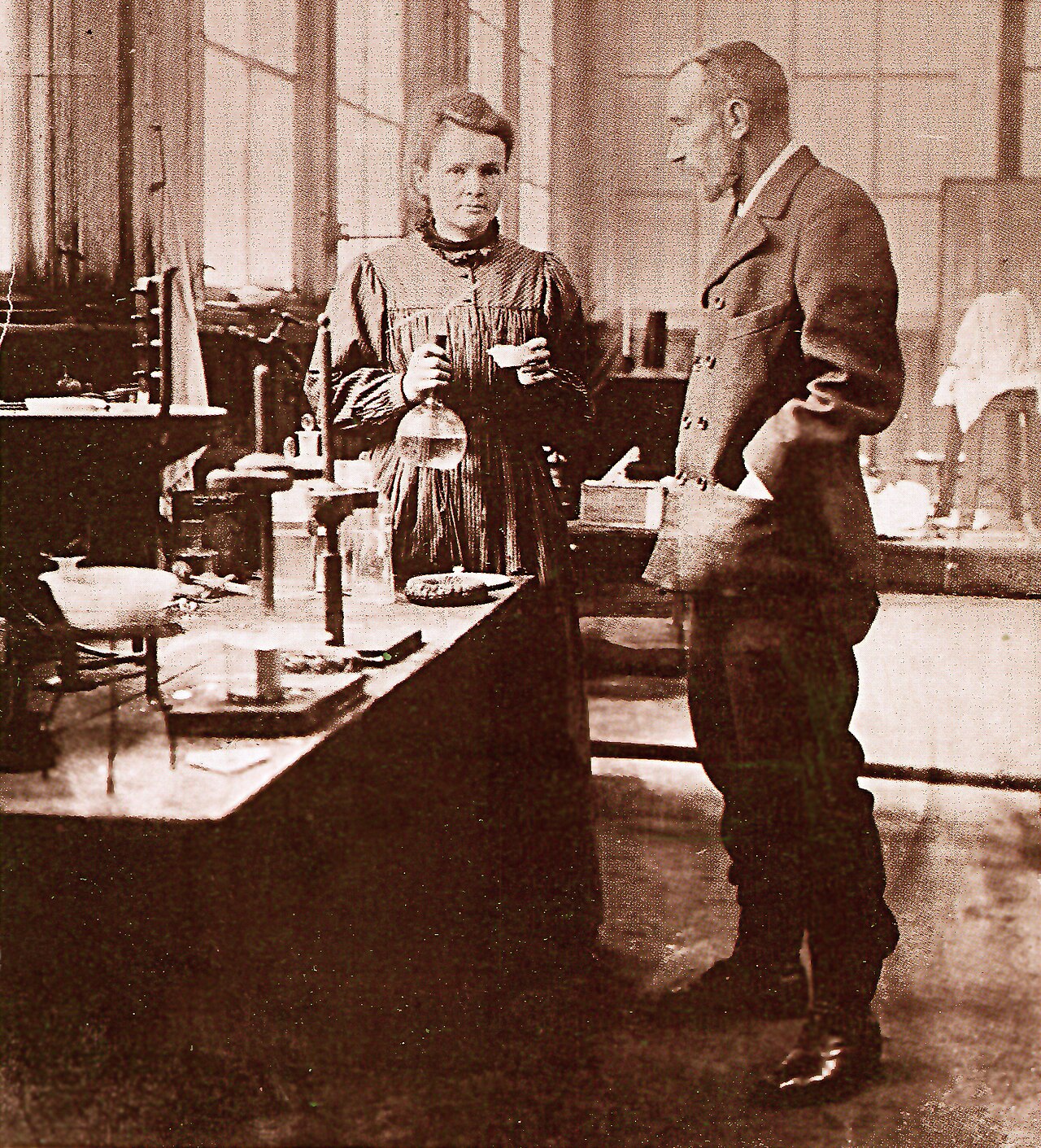 Photograph
Primary source
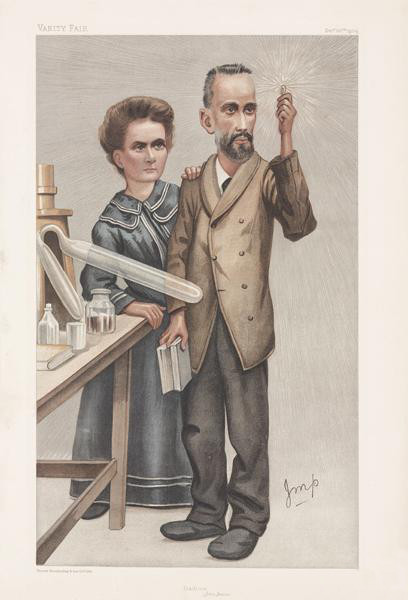
Marie et Pierre Curie in Their Laboratory
Unknown
Free account
Read every Pierre Curie source
Sign up free →
Ready when you are
Start chatting with Pierre Curie now.
20 messages free · No credit card · Available in 50+ languages.