


Primary sourceBook
On the Nature and Uses of Visible Speech
Alexander Graham Bell
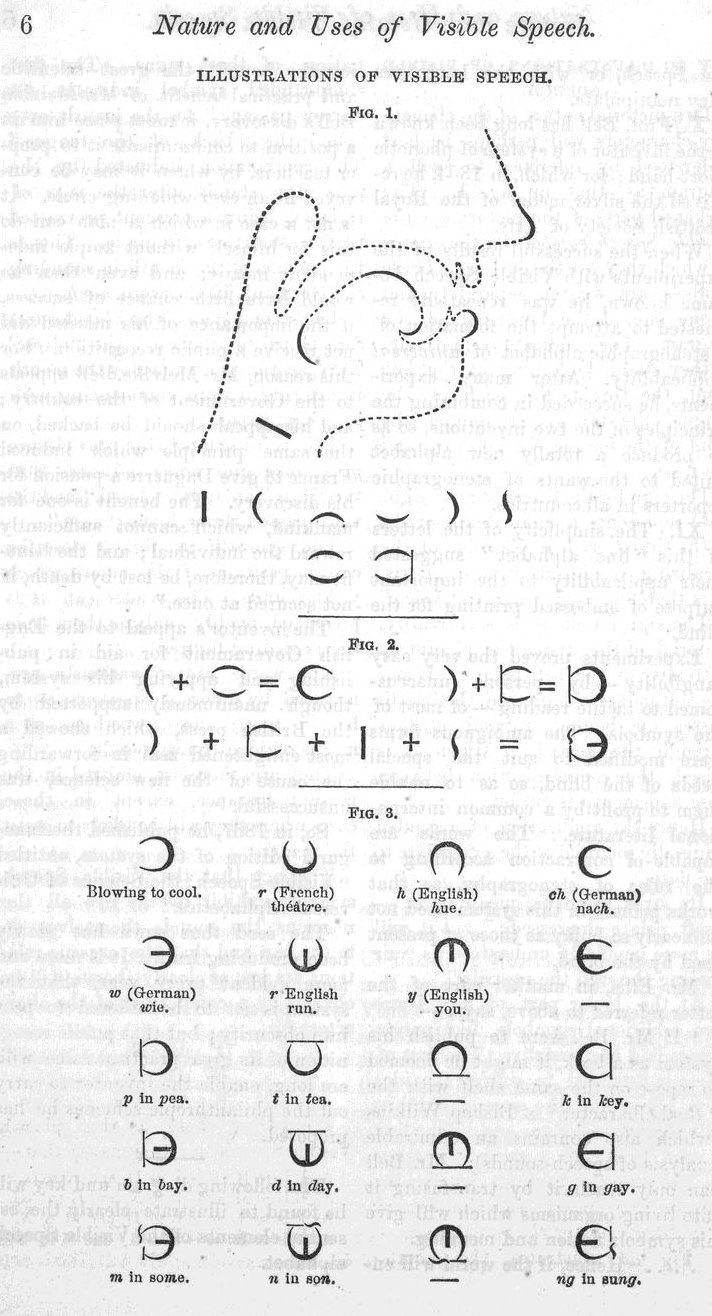
A page from Bell's pamphlet explaining his Visible Speech system, designed to teach pronunciation to deaf pupils.
Bell wrote this pamphlet explaining Visible Speech, reflecting his career as a teacher of deaf pupils before his famous invention.
About this source
What it is
This is a page from a pamphlet written by Alexander Graham Bell titled On the Nature and Uses of Visible Speech. The page shown includes diagrams of the vocal organs and symbol charts representing different sounds.
Why it matters
Before his fame for inventing the telephone, Bell worked as a teacher promoting oral education for deaf pupils, building on his father's system of Visible Speech. This document shows the scientific and educational foundation of that work, revealing how his interest in sound and speech shaped his later inventions.
Look closer
- What do the diagrams and symbols tell you about how Bell tried to represent sound visually?
- Why might this kind of system have been useful for teaching deaf students to speak?
- What does this document suggest about the connection between Bell's teaching work and his later invention of the telephone?
This book is part of the curated material that grounds the AI version of Alexander Graham on Humy.ai — when students ask about related events, the AI can quote it and cite it.
More Alexander Graham sources
Meet the AI Alexander Graham →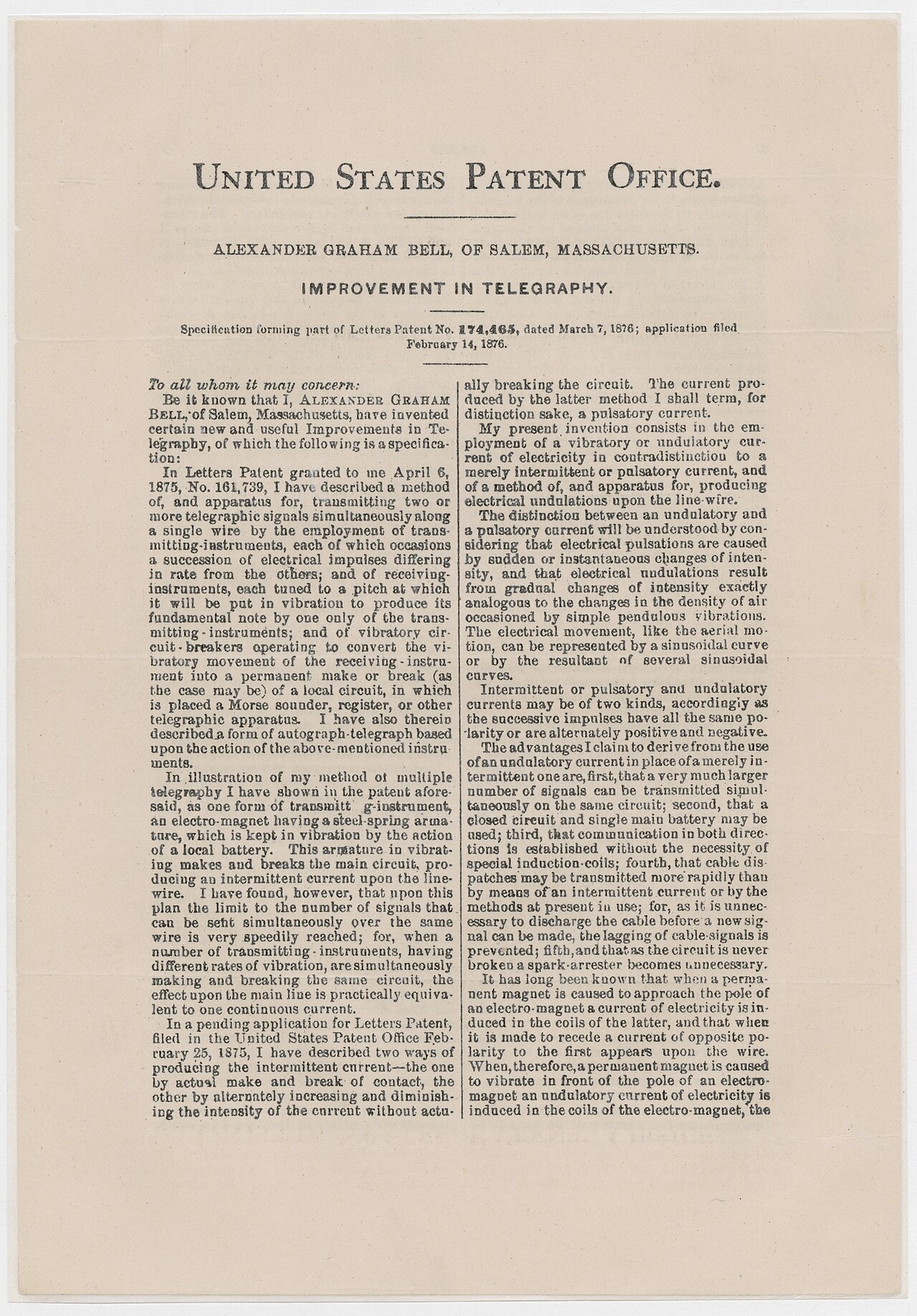 Document
Primary source
U.S. Patent No. 174,465, Improvement in Telegraphy
Alexander Graham Bell · 7 March 1876
Primary source
Recording of the Voice of Alexander Graham Bell
Alexander Graham Bell · 1885
 Painting
Primary source
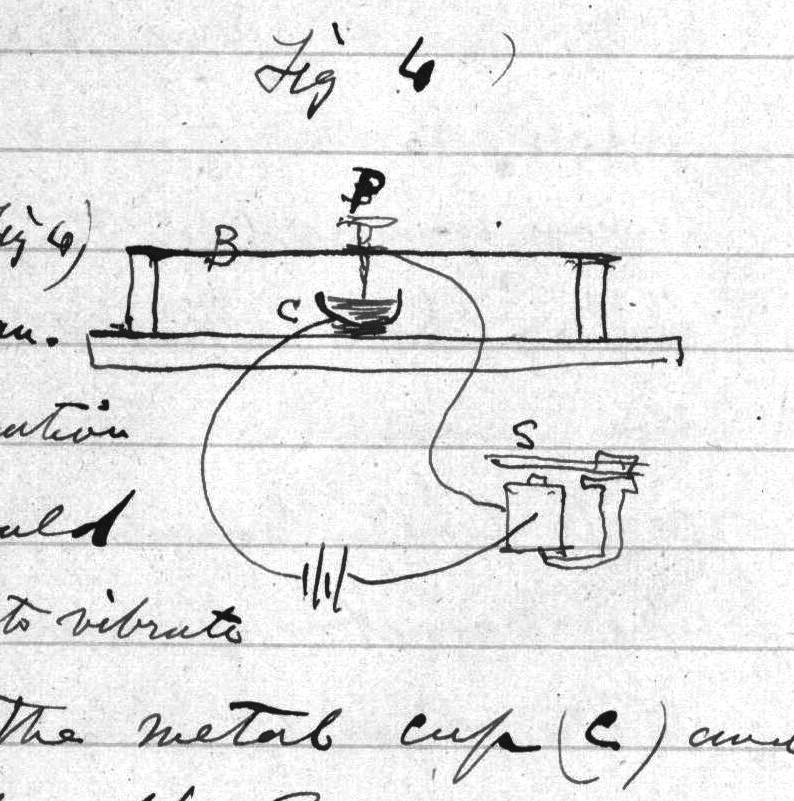
Drawing of a Liquid Transmitter, 8 March 1876
Alexander Graham Bell · 8 March 1876
Primary source
Memoir Upon the Formation of a Deaf Variety of the Human Race
Alexander Graham Bell · 1884
 Photograph
Primary source
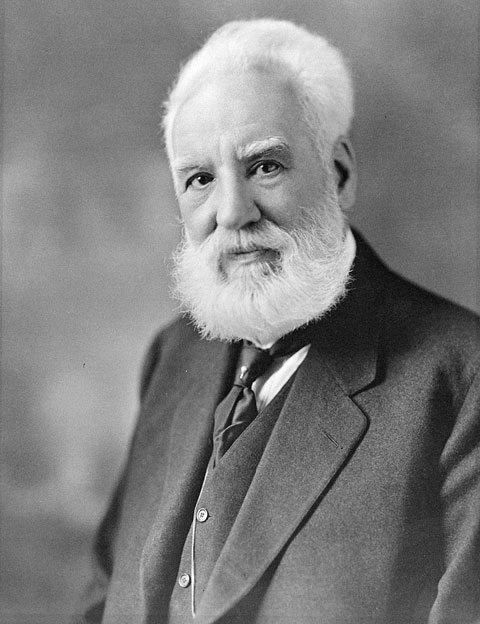
Portrait of Alexander Graham Bell
Moffett Studio
Ready when you are
Start chatting with Alexander Graham now.
20 messages free · No credit card · Available in 50+ languages.