


Primary sourceBook1872
On the Pathos of Truth
Friedrich Nietzsche · 1872
A short 1872 essay by Nietzsche on why philosophers seek truth and how that drive can be linked to pride. It was one of five prefaces to unwritten books given to Cosima Wagner.
One of five prefaces Nietzsche gave Cosima Wagner in 1872, showing his early thinking about the philosopher's pride and the will to truth.
About this source
What it is
This is a short essay by Friedrich Nietzsche, written in 1872, titled in German 'Über das Pathos der Wahrheit'. It was meant as a preface to a book that was never written. Nietzsche collected it with four other such prefaces and gave the set to Cosima Wagner as a Christmas present. The text available here opens with a passage on fame and the rare moments of illumination that a person believes will make them immortal. The text is a translation, so its wording is not the original German.
Why it matters
The essay anticipates Nietzsche's later critique of a destructive 'will to truth', a theme he develops in works such as On the Genealogy of Morals and Beyond Good and Evil. It uses the example of Heraclitus, and also discusses Pythagoras and Empedocles, to describe the philosopher as a lonely figure. Nietzsche argues that art is needed alongside knowledge, because knowledge alone does not reveal purpose. The gift to Cosima Wagner shows the personal circle in which his early ideas were shared.
Look closer
- What does the essay say pushes a philosopher to seek truth, and does the text suggest this is a good or bad motive?
- Why might Nietzsche have given a set of unfinished prefaces to Cosima Wagner rather than publishing them?
- What does the essay leave out about the lives of ordinary people who do not seek truth in this way?
This book is part of the curated material that grounds the AI version of Friedrich Nietzsche on Humy.ai — when students ask about related events, the AI can quote it and cite it.
More Friedrich Nietzsche sources
Meet the AI Friedrich Nietzsche →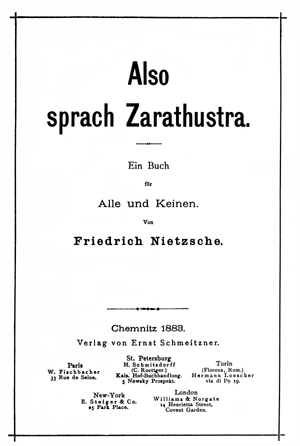 Book
Primary source
Thus Spoke Zarathustra
Friedrich Nietzsche · 1883-1885
 Book
Primary source
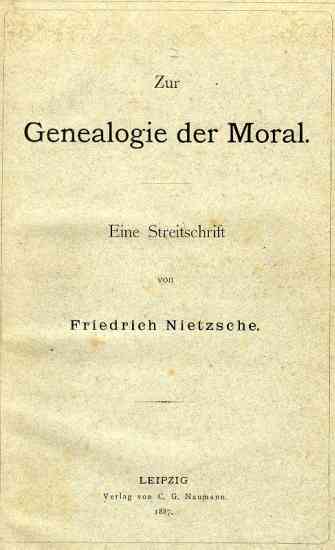
On the Genealogy of Morality
Friedrich Nietzsche · 1887
 Book
Primary source
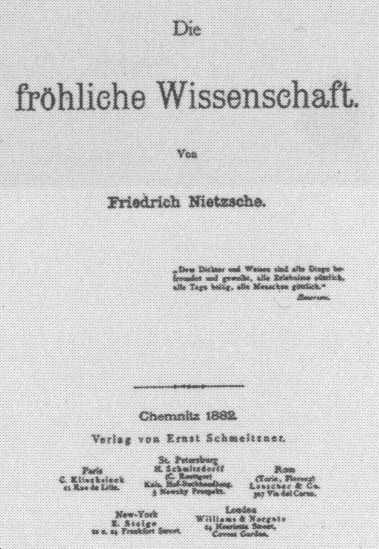
The Gay Science
Friedrich Nietzsche · 1882
 Book
Primary source
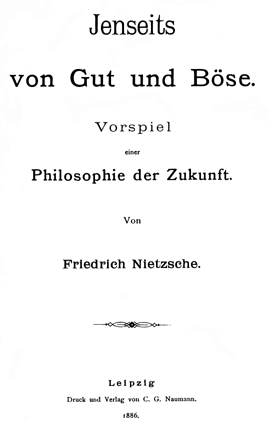
Beyond Good and Evil
Friedrich Nietzsche · 1886
 Book
Primary source
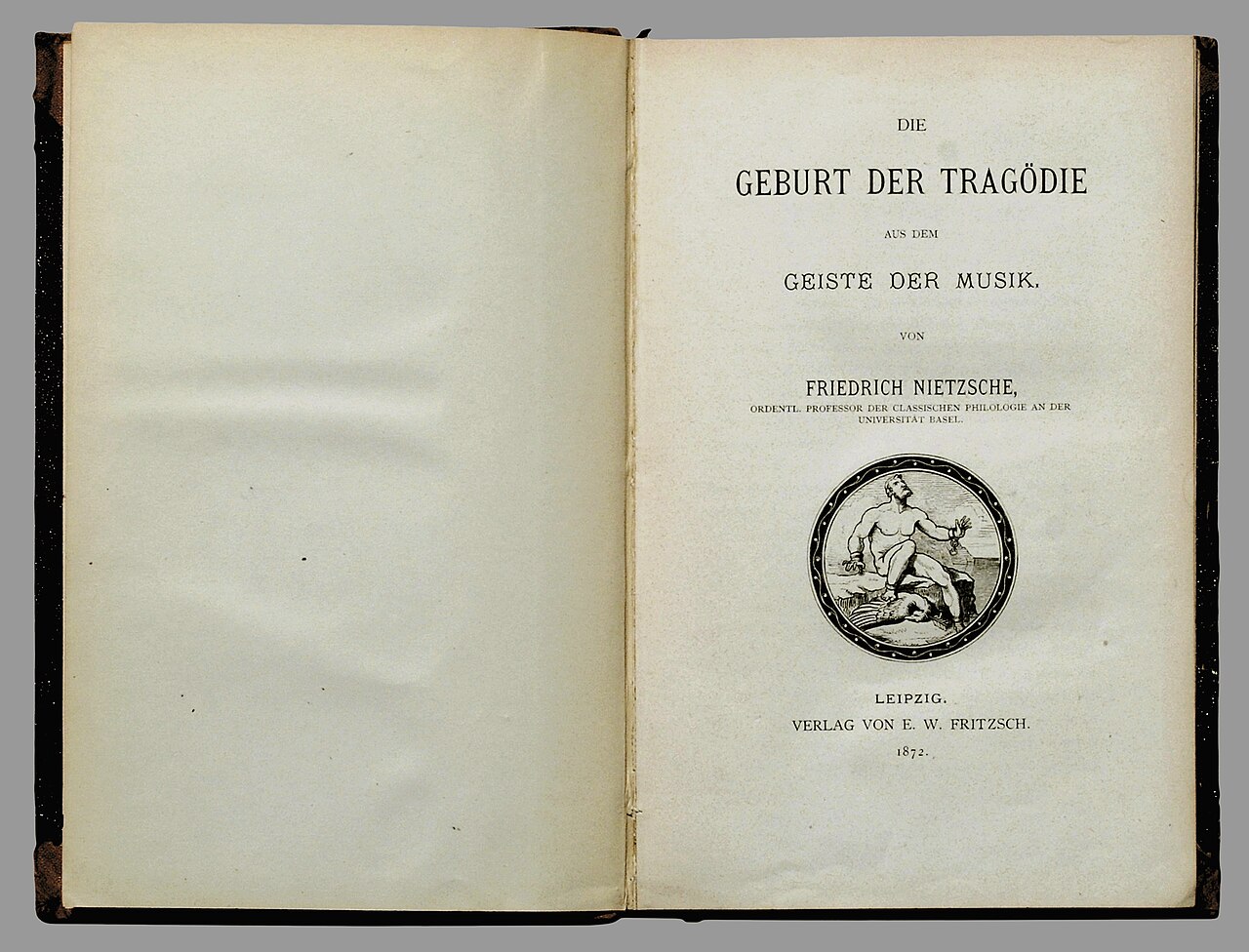
The Birth of Tragedy
Friedrich Nietzsche · 1872
Ready when you are
Start chatting with Friedrich Nietzsche now.
20 messages free · No credit card · Available in 50+ languages.