


Primary sourceBook1836
On the Will in Nature
Arthur Schopenhauer · 1836
Schopenhauer's 1836 treatise attempting to confirm his philosophy of the will through contemporary natural science.
This treatise shows Schopenhauer drawing on his scientific training to defend his central philosophical theory.
Free Humy account · No credit card · 120,912 sources to read
About this source
What it is
This written work by Arthur Schopenhauer was first published in 1836 and later revised. In it, he tries to support his central philosophical idea, the metaphysics of the will, using findings from the natural sciences of his time.
Why it matters
The treatise shows Schopenhauer's effort to link his philosophy to empirical science, reflecting his own scientific and medical training. He argued that observations from physical scientists, working independently in their own fields, pointed toward the same conclusions as his metaphysics, which he saw as a kind of confirmation of his core ideas.
Look closer
- Why might Schopenhauer have wanted scientific evidence to support a philosophical idea?
- What does his preface suggest about how his ideas were received when first published, compared to later?
- What are the risks of using science to confirm a philosophy decided on beforehand?
This book is part of the curated material that grounds the AI version of Arthur Schopenhauer on Humy.ai — when students ask about related events, the AI can quote it and cite it.
More Arthur Schopenhauer sources
Browse all 94 →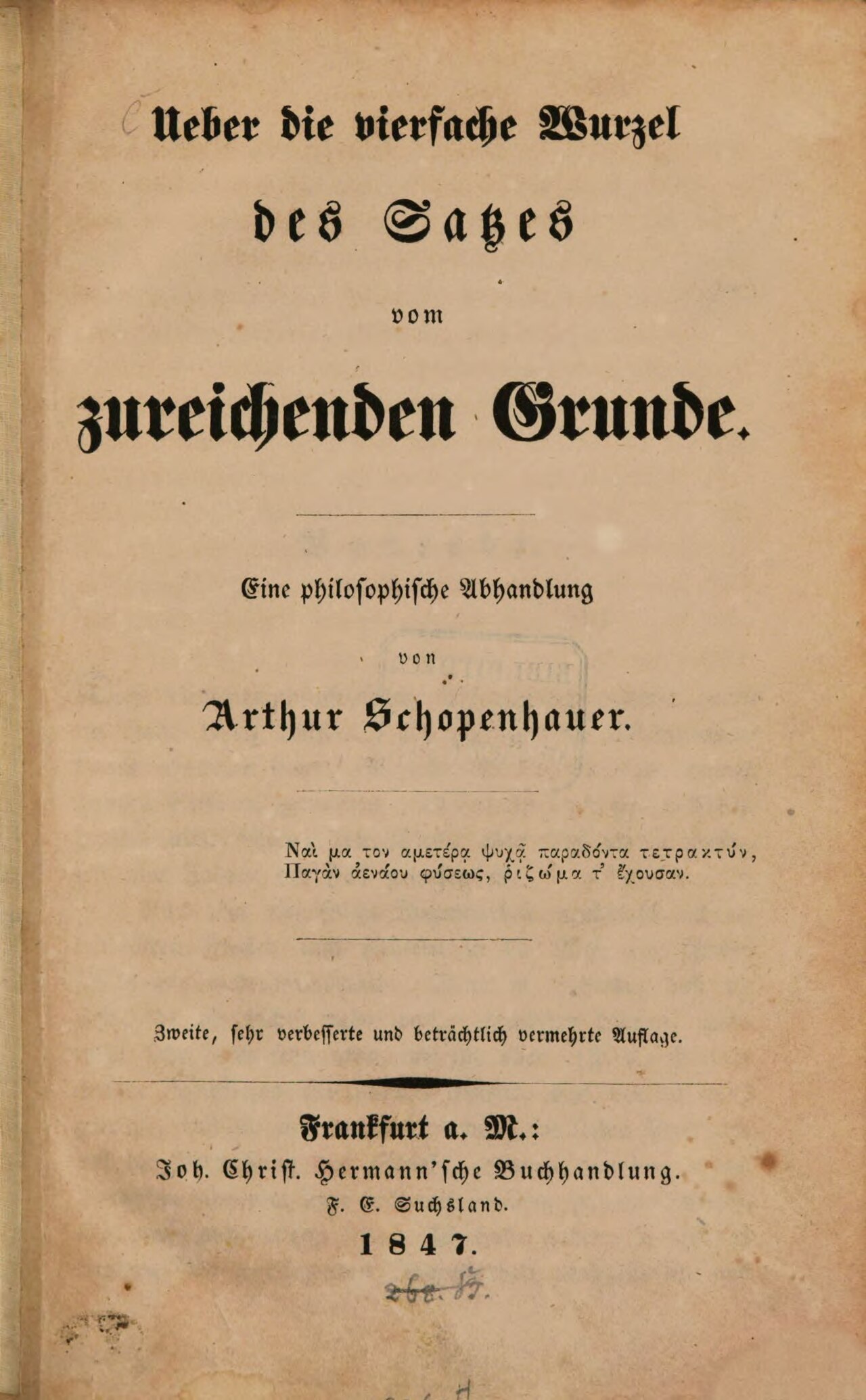 Book
Primary source
On the Fourfold Root of the Principle of Sufficient Reason
Arthur Schopenhauer · 1813, revised 1847
 Photograph
Primary source
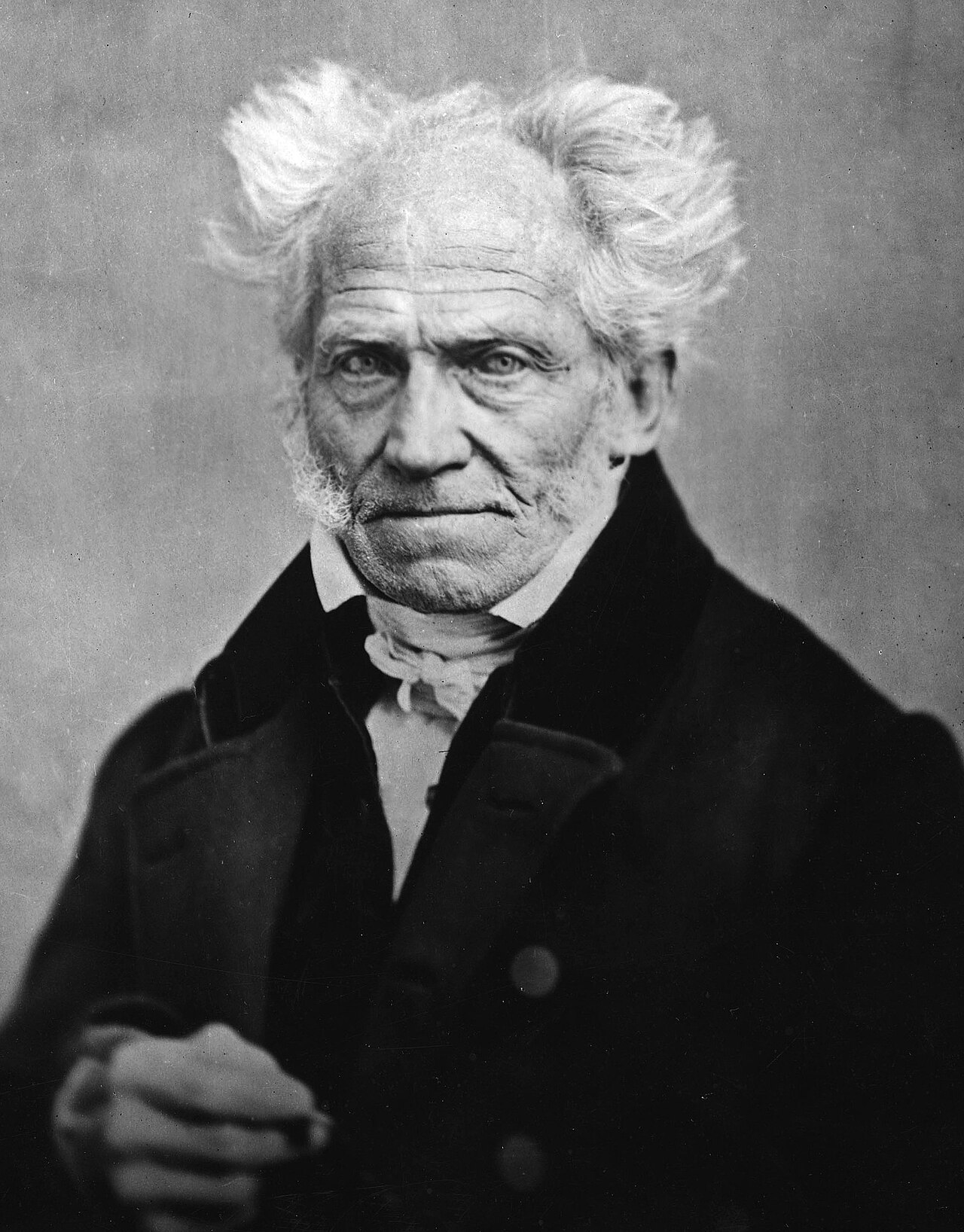
Portrait of Arthur Schopenhauer
Johann Schäfer · 1859
 Painting
Primary source
Arthur Schopenhauer Portrait by Ludwig Sigismund Ruhl
Ludwig Sigismund Ruhl · 1815
Primary source
On the Basis of Morality
Arthur Schopenhauer · 1839, published 1840/41
Free account
Read every Arthur Schopenhauer source
Sign up free →
Ready when you are
Start chatting with Arthur Schopenhauer now.
20 messages free · No credit card · Available in 50+ languages.